What Are Electrolytes and Why Are They Essential for Runners?
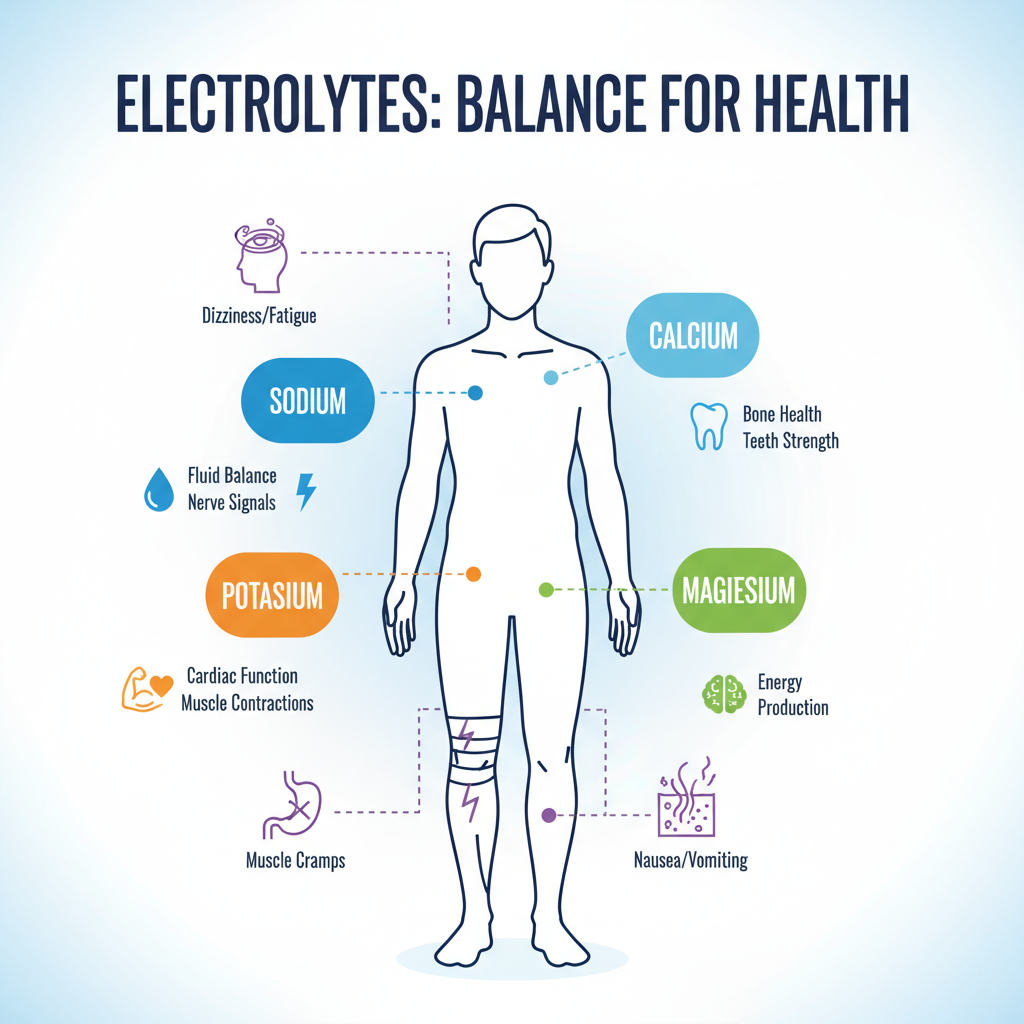
Electrolytes are minerals in your body that have an electric charge. They are found in your blood, urine, tissue, and other body fluids. Key electrolytes include sodium, potassium, chloride, magnesium, and calcium. These charged particles play indispensable roles in numerous bodily functions, which are especially critical for athletes.
The Vital Roles of Electrolytes
- Fluid Balance: Electrolytes help regulate the amount of water in your body, influencing hydration status.
- Nerve Function: They are essential for transmitting nerve impulses, allowing communication between the brain and the rest of the body.
- Muscle Contraction: Electrolytes facilitate muscle contractions, from voluntary movements to the involuntary beating of your heart.
- pH Balance: They help maintain the body’s acid-base (pH) balance, which is vital for enzyme function and metabolic processes.
For long-distance runners, these functions are constantly challenged. Intense, prolonged exercise, especially in hot or humid conditions, leads to significant sweat loss. Sweat is not just water; it contains electrolytes, primarily sodium and chloride, but also smaller amounts of potassium, magnesium, and calcium. Replenishing these lost minerals is paramount to prevent an imbalance.

Common Causes of Electrolyte Imbalance in Runners
Electrolyte imbalances occur when the levels of these crucial minerals become too high or too low. For long-distance runners, several factors can contribute to these fluctuations:
- Excessive Sweating: The primary cause. As runners push harder and longer, especially in challenging environments, the volume of sweat and thus electrolyte loss increases dramatically.
- Inadequate Electrolyte Replacement: Simply drinking plain water without supplementing electrolytes during or after long runs can dilute remaining electrolytes in the body, particularly sodium.
- Over-Hydration with Plain Water: This is a significant risk factor for hyponatremia (low sodium). Consuming large amounts of plain water without sodium intake can lead to a dangerous dilution of blood sodium levels.
- Improper Nutrition: A diet lacking in essential minerals can contribute to chronic electrolyte deficiencies, making runners more susceptible to imbalances during exercise.
- Underlying Health Conditions: While less common during a race, certain medical conditions or medications can affect electrolyte levels.
Specific Electrolyte Imbalance Symptoms Long-Distance Runners Should Watch For
Recognizing the signs early can prevent a minor issue from escalating into a medical emergency. Symptoms can range from mild discomfort to life-threatening conditions. Here’s a breakdown of common symptoms associated with specific electrolyte imbalances:
Sodium Imbalance (Hyponatremia & Hypernatremia)
Sodium is the most crucial electrolyte lost in sweat. Imbalances are particularly critical for runners.
- Hyponatremia (Low Sodium): This is often the most dangerous imbalance for long-distance runners, typically caused by over-hydration with plain water combined with significant sodium loss.
- Nausea and vomiting
- Headache
- Confusion and disorientation
- Fatigue and weakness
- Muscle cramps and spasms
- Swelling in hands and feet
- Severe cases: Seizures, coma, brain swelling (cerebral edema)
- Hypernatremia (High Sodium): Less common in runners acutely, usually due to severe dehydration without water intake, or excessive intake of hypertonic solutions.
- Extreme thirst
- Restlessness and irritability
- Confusion
- Muscle twitching
- Severe cases: Seizures, coma
Potassium Imbalance (Hypokalemia & Hyperkalemia)
Potassium is vital for nerve and muscle cell function, especially heart muscle. While significant losses in sweat are less than sodium, imbalances can still occur.
- Hypokalemia (Low Potassium): Can result from prolonged sweating, certain medications, or inadequate dietary intake.
- Muscle weakness and fatigue
- Muscle cramps
- Constipation
- Abnormal heart rhythms (palpitations)
- Hyperkalemia (High Potassium): More commonly associated with kidney issues or excessive supplementation rather than running, but possible.
- Muscle weakness and tingling
- Fatigue
- Nausea
- Potentially serious heart rhythm disturbances
Magnesium Imbalance (Hypomagnesemia)
Magnesium plays a role in muscle function, nerve transmission, and energy production. Runners can deplete magnesium stores over time.
- Hypomagnesemia (Low Magnesium):
- Muscle cramps and spasms (often persistent)
- Fatigue and weakness
- Nausea and loss of appetite
- Numbness or tingling
- Irregular heartbeat
Calcium Imbalance (Hypocalcemia & Hypercalcemia)
Calcium is crucial for bone health, muscle contraction, and nerve signaling. While acute imbalances during a run are less common, chronic deficiencies can be exacerbated.
- Hypocalcemia (Low Calcium):
- Muscle cramps and spasms
- Numbness and tingling in fingers and around the mouth
- Fatigue
- Severe cases: Seizures, heart rhythm problems
- Hypercalcemia (High Calcium): Usually not related to acute running; more associated with underlying medical conditions.
- Fatigue, weakness
- Nausea, vomiting, constipation
- Increased thirst and urination
- Bone pain
General Overlapping Symptoms
Many electrolyte imbalances share common, non-specific symptoms that can indicate a problem. These include:
- Persistent fatigue or unusual weakness
- Dizziness or lightheadedness
- Irritability or changes in mood
- Persistent headaches
- Disorientation or confusion
- Gastrointestinal distress (nausea, vomiting, diarrhea)
When to Seek Medical Attention
If you experience severe or persistent electrolyte imbalance symptoms while running, especially confusion, persistent vomiting, severe muscle weakness, dizziness that doesn’t resolve with rest, or any signs of altered mental status, seek immediate medical attention. These could be indicators of life-threatening conditions like severe hyponatremia or heat stroke.
Prevention Strategies for Long-Distance Runners
Proactive strategies are key to maintaining electrolyte balance and ensuring safe, effective running.
- Hydration Plan: Develop a personalized hydration strategy based on your sweat rate, environmental conditions, and race duration. Don’t just drink when you’re thirsty; pre-hydrate and hydrate regularly during your run.
- Electrolyte Replacement: For runs over 60-90 minutes, especially in heat, incorporate electrolyte-rich sports drinks, gels, chews, or salt tablets. These products are formulated to replace key minerals like sodium and potassium.
- Balanced Nutrition: Consume a diet rich in fruits, vegetables, whole grains, and lean proteins to ensure adequate baseline intake of all essential minerals. Foods like bananas (potassium), leafy greens (magnesium), and dairy (calcium) are excellent choices.
- Listen to Your Body: Pay attention to early warning signs like unusual fatigue, persistent cramps, or lightheadedness. Adjust your pace, take breaks, and consider your hydration and electrolyte intake.
- Acclimatization: If running in hot or humid conditions, allow your body time to adapt. Acclimatization helps reduce sweat electrolyte concentration and improves thermoregulation.
- Post-Run Recovery: Continue to rehydrate with electrolyte-containing fluids and foods after your run to replenish stores.
- Consult Professionals: For personalized advice, consult with a sports dietitian or healthcare professional who can help tailor a nutrition and hydration plan specific to your needs and training regimen.
Conclusion
Understanding and addressing electrolyte imbalance symptoms in long-distance runners is not just about enhancing performance; it’s about safeguarding health. By being aware of the causes, recognizing the symptoms, and implementing effective prevention strategies, runners can confidently push their limits while maintaining their well-being. Prioritize your body’s vital balance, and you’ll not only run stronger but also run smarter and safer.