Embarking on a long run is an exhilarating challenge, a testament to endurance and discipline. But before you even lace up your shoes, there’s a crucial preparation step that can make or break your performance: strategic fueling. As an expert chef passionate about nourishing active bodies, I understand that selecting the right meals for runners before long runs isn’t just about staving off hunger; it’s about optimizing your energy stores, preventing dreaded “bonking,” and ensuring digestive comfort throughout your miles. This comprehensive guide will equip you with the knowledge to craft the ideal pre-run menu, transforming your nutrition into a powerful advantage on the road or trail.
Why Pre-Run Fueling is Your Secret Weapon
Think of your body as a high-performance vehicle. Just as a car needs the right type and amount of fuel to complete a long journey, your muscles require specific nutrients to sustain prolonged effort. During a long run, your body primarily relies on glycogen—stored carbohydrates in your muscles and liver—for energy. If these stores are depleted, you’ll experience fatigue, a significant drop in performance, and potentially hit “the wall.” Proper pre-run nutrition:

- Maximizes Glycogen Stores: Ensures you start your run with a full tank.
- Provides Sustained Energy: Delivers a steady release of glucose into your bloodstream.
- Prevents Digestive Distress: Opting for easily digestible foods avoids cramps, nausea, and unwanted pit stops.
- Protects Muscle Tissue: A small amount of protein can help mitigate muscle breakdown.
- Enhances Mental Focus: Consistent energy levels help maintain concentration and motivation.
The Macro-Nutrient Breakdown: Your Pre-Run Plate
Crafting the perfect pre-run meal involves a careful balance of carbohydrates, protein, and fats, with a keen eye on fiber content. Each plays a distinct role in fueling your run.
Carbohydrates: The Engine’s Primary Fuel
Carbohydrates are the cornerstone of a runner’s diet, especially before a long run. They are converted into glucose, which is then stored as glycogen. For pre-run meals, focus on easily digestible carbohydrates.
- Complex Carbohydrates: These are your best friends 3-4 hours before a run. Foods like oats, whole-wheat bread, rice, sweet potatoes, and pasta provide a sustained release of energy.
- Simple Carbohydrates: In moderation, fruits like bananas, berries, or a small amount of honey can offer a quick energy boost closer to your run (30-60 minutes out) due to their faster absorption.
Lean Protein: The Muscle Protector
While carbohydrates take center stage, a small amount of lean protein is beneficial. Protein helps with muscle repair and recovery, and it can contribute to satiety without slowing digestion excessively. Opt for easily digestible sources.
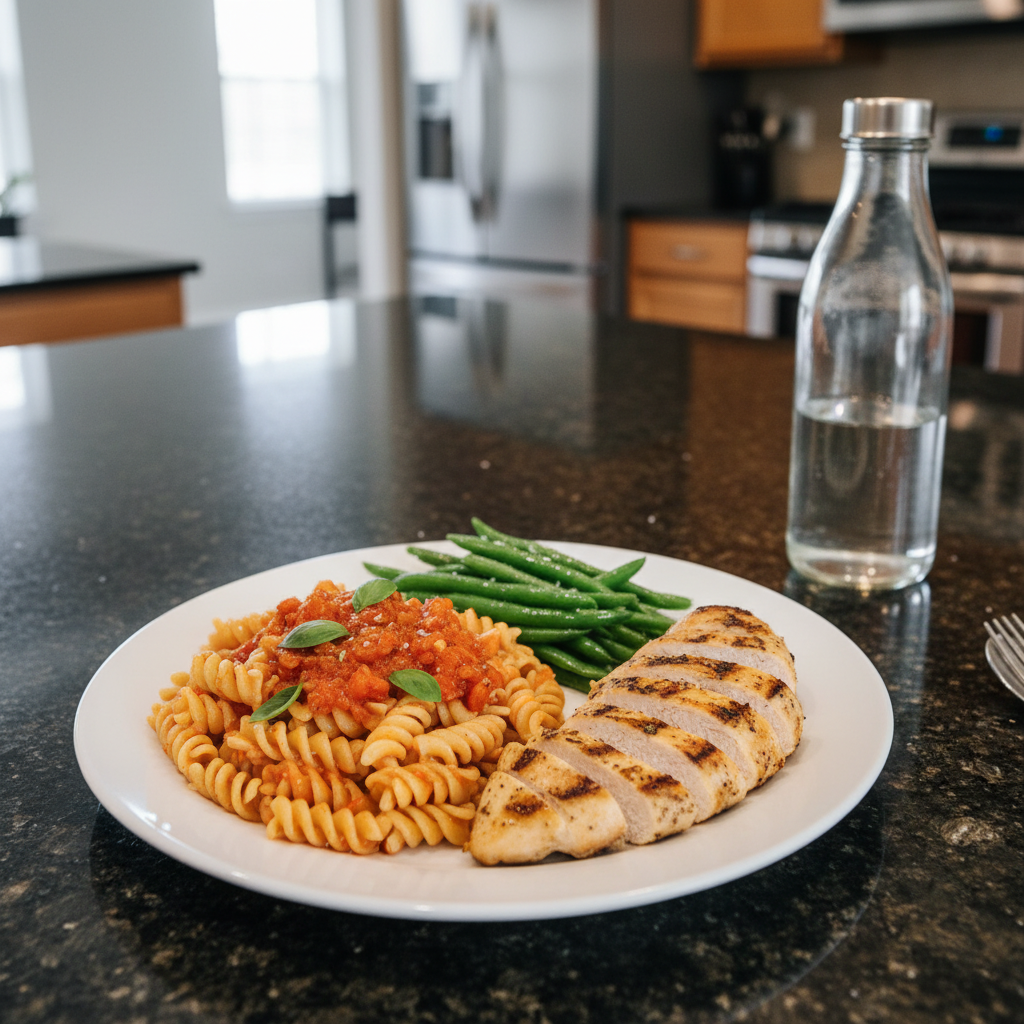
- Examples: Egg whites, Greek yogurt (plain), lean turkey or chicken breast, or a small scoop of protein powder (if tolerated well).
Healthy Fats: Use with Caution
Fats are essential for overall health, but they are the slowest macronutrient to digest. Before a long run, minimize fat intake to avoid digestive upset and ensure faster energy delivery. Small amounts of healthy fats from sources like avocado or nuts are fine in a meal consumed several hours before a run, but should be largely avoided closer to start time.
Fiber: A Double-Edged Sword
Fiber is vital for digestive health, but too much before a long run can cause significant gastrointestinal distress. Choose low-fiber options in the hours leading up to your run. For instance, white rice might be preferable to brown rice, and peeled apples over apples with skins, if you’re sensitive.
Timing is Everything: When to Eat Before Your Long Run
The timing of your meal is almost as important as its content. Different timings call for different types and quantities of food.
3-4 Hours Before: The Foundation Meal
This is the time for a substantial, carbohydrate-rich meal. It allows ample time for digestion and for glycogen stores to be fully replenished. Focus on complex carbohydrates, a moderate amount of lean protein, and minimal fat and fiber.
- Goal: Maximize glycogen stores and feel comfortably full.
- Typical Meal: A bowl of oatmeal with a banana and a drizzle of honey, whole-wheat toast with scrambled egg whites, pasta with a light tomato sauce and lean chicken.
1-2 Hours Before: The Top-Up Snack
If your last meal was more than 3-4 hours ago, or if you feel a little hungry, a smaller, easily digestible snack can provide a crucial energy top-up. Focus primarily on carbohydrates.
- Goal: Replenish quickly digestible energy without causing stomach upset.
- Typical Snack: A banana, a handful of dry cereal, a plain rice cake with a thin layer of jam, or a small energy bar (tested previously).
30-60 Minutes Before: The Quick Boost
At this point, you’re looking for easily assimilated simple sugars to give you an immediate energy surge. Avoid anything complex or high in fiber/fat.
- Goal: A rapid supply of glucose to kickstart your run.
- Typical Boost: A few sips of a sports drink, a small piece of fruit (like half a banana), or an energy gel (if accustomed to using them).
Chef’s Recommended Meals for Runners Before Long Runs
Drawing on culinary expertise and nutritional science, here are some perfectly crafted meal ideas tailored for different pre-run timings and preferences.
Breakfast Champions (For Morning Runs)
- Classic Oatmeal Power Bowl (3-4 hours prior):
- 1 cup rolled oats cooked with water or almond milk.
- Topped with 1 sliced banana, a sprinkle of cinnamon, and a teaspoon of maple syrup or honey.
- Optional: A few slivered almonds for crunch, if your stomach tolerates it.
Why it works: Oats are a complex carb powerhouse, providing sustained energy. Banana adds quick energy and potassium.
- Whole-Wheat Toast & Egg White Scramble (3-4 hours prior):
- 2 slices whole-wheat toast (low fiber variety if available).
- Scrambled egg whites (from 2-3 eggs) seasoned lightly.
- Optional: A thin slice of avocado if consumed >4 hours out and you tolerate fats well.
Why it works: Provides complex carbs and lean protein for muscle support without being too heavy.
- Banana “Pancakes” (1-2 hours prior, smaller portion):
- Mash 1 ripe banana with 1 egg. Cook like small pancakes.
- Serve plain or with a tiny drizzle of maple syrup.
Why it works: Simple, digestible carbs and a touch of protein for a quick energy boost.
Lunch/Dinner Powerhouses (For Afternoon/Evening Runs)
- Simple Pasta Perfection (3-4 hours prior):
- 1 cup cooked white or whole-wheat pasta (choose white if sensitive to fiber).
- Tossed with a light, homemade tomato-based sauce (avoid creamy or high-fat sauces).
- Add 3-4 oz baked or grilled lean chicken breast or firm tofu for protein.
Why it works: A classic runner’s meal, providing ample complex carbohydrates and lean protein.
- Sweet Potato & Lean Turkey Bowl (3-4 hours prior):
- 1 medium baked sweet potato, skin removed (if sensitive to fiber).
- Topped with 3-4 oz ground lean turkey (cooked plain or with minimal seasoning).
- A small amount of steamed spinach or green beans, if tolerated.
Why it works: Sweet potatoes are excellent complex carbs, packed with nutrients. Lean turkey offers digestible protein.
Quick & Easy Pre-Run Snacks (1-2 hours or 30-60 minutes prior)
- Banana: The ultimate runner’s fruit, easy to digest and packed with potassium.
- Rice Cakes: Plain or with a thin smear of jam (not peanut butter for closer to run).
- Energy Gels/Chews: Designed for rapid absorption; ensure you’ve practiced with them.
- Dried Fruit: A small handful of dates or raisins for a quick sugar hit (watch fiber content).
What to Absolutely AVOID Before Your Long Run
Just as important as knowing what to eat is knowing what to steer clear of. These foods can wreak havoc on your digestive system during a run:
- High-Fat Foods: Fried foods, creamy sauces, excessive nuts/seeds, fatty meats. They slow digestion significantly.
- High-Fiber Foods: Large salads, bran cereals, excessive raw vegetables, legumes. While healthy, they can cause cramping and gas.
- Spicy Foods: Can irritate the stomach and lead to discomfort.
- Excessive Protein: While some protein is good, large quantities can be harder to digest and divert blood flow from working muscles.
- New Foods or Recipes: Never experiment with new foods or ingredients on the day of a long run or race. Stick to what you know works.
- Large Amounts of Sugar Alcohols: Often found in “sugar-free” products, these can cause bloating and diarrhea.
Hydration: The Unsung Hero
Nutrition isn’t just about food; proper hydration is equally critical. Start hydrating adequately in the days leading up to your long run. Aim for clear, pale yellow urine.
- In the Hours Before: Sip water regularly, about 16-20 ounces 2-3 hours before, and another 8-10 ounces 30 minutes to an hour before.
- Electrolytes: For runs over 90 minutes, consider adding electrolytes to your water or consuming a sports drink, especially if it’s hot or humid.
The Golden Rule: Practice Makes Perfect
Every runner’s digestive system is unique. What works perfectly for one might cause issues for another. The most critical advice I can give you is to use your training runs as opportunities to experiment with your nutrition strategy. Test out different meals, timings, and quantities to discover what makes you feel your best and perform optimally. Keep a food diary if needed, noting what you ate, when, and how you felt during your run. This trial-and-error process is invaluable for finding your personal sweet spot.
Conclusion
Fueling for a long run is an art and a science, a delicious alchemy of carbohydrates, protein, and strategic timing. By prioritizing easily digestible, energy-rich meals for runners before long runs, you’re not just eating; you’re investing in your performance, your comfort, and your enjoyment of every stride. So, plan your plate, listen to your body, and savor the power of optimal nutrition as you conquer your next great distance. Happy running!