Why Bioavailable Calcium Matters
Calcium is an essential mineral for healthy bones, muscle function, and nerve signaling. But getting enough isn’t just about quantity—it’s about the body’s ability to absorb and use it, or its “bioavailability.” Certain foods and nutrients can boost or hinder this process, so knowing the best bioavailable sources is crucial for dairy-free individuals.
Top Plant-Based Sources of Bioavailable Calcium
Several plant foods are not only rich in calcium but are also relatively well-absorbed by the body. Here are the best options for those who avoid dairy:
1. Leafy Green Vegetables
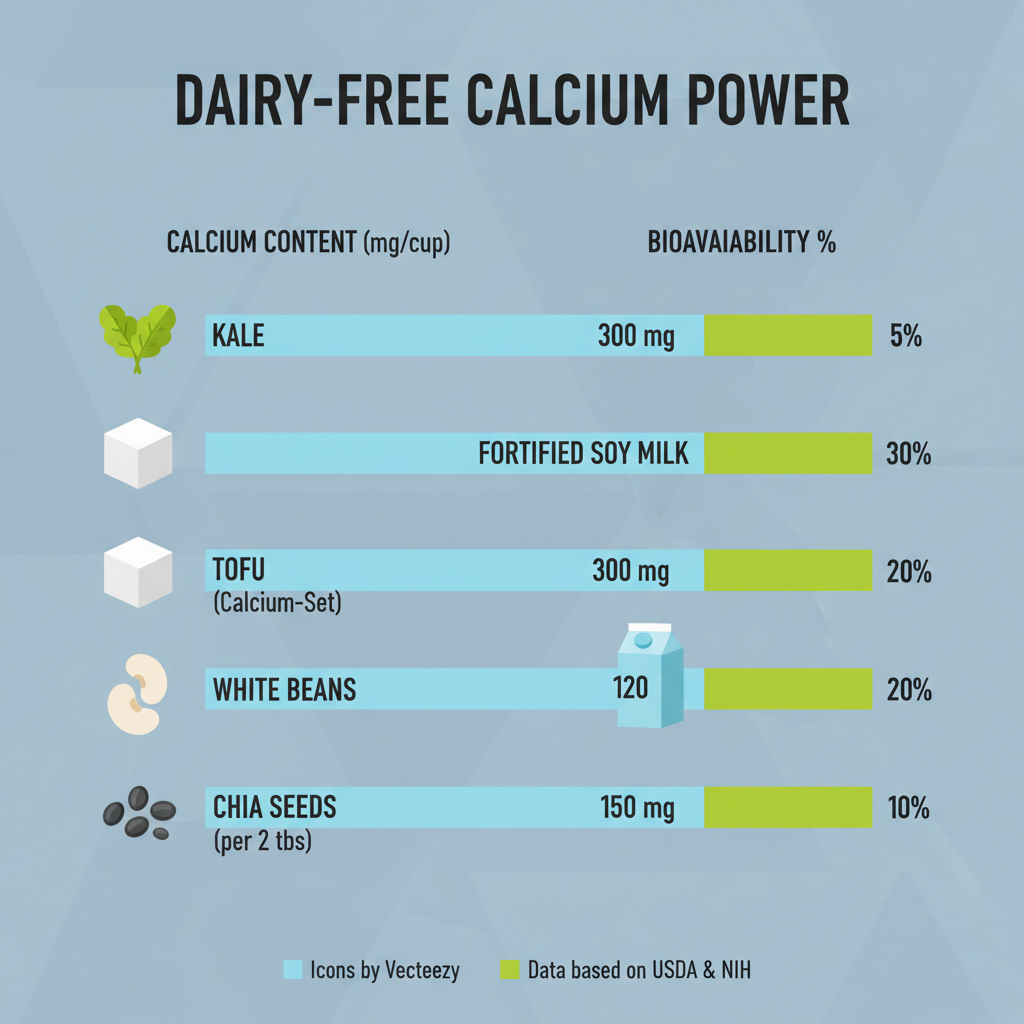
- Kale: One of the most bioavailable plant sources, kale offers around 180 mg of calcium per cooked cup, and its low oxalate content means your body can use that calcium well.
- Bok Choy: This Asian cabbage provides about 160 mg per cooked cup with high bioavailability.
- Turnip Greens and Mustard Greens: Both are nutrient-rich with about 200 mg per cup and low in absorption-blocking compounds.
- Collard Greens: Excellent source, but note they have moderate oxalate which may reduce absorption slightly.
2. Fortified Plant Milks and Juices
Many almond, soy, oat, and rice milks are fortified with calcium carbonate or tricalcium phosphate. These forms are as easily absorbed as that from dairy milk, provided you shake well before serving (the calcium can settle to the bottom!). Always check the label for the amount per serving.
3. Tofu Set with Calcium Sulfate
Look for tofu made with calcium sulfate—it delivers up to 250–860 mg per half-cup serving and is highly bioavailable. Check the ingredient list to ensure you’re choosing the right style.
4. Calcium-Rich Legumes and Pulses
- White beans: About 160 mg per cup cooked and moderate bioavailability.
- Navy beans, chickpeas, and lentils: These provide small but significant amounts per serving. They also offer beneficial fiber and protein.
5. Seeds and Nuts
- Chia Seeds: Roughly 180 mg per two tablespoons—and they’re easily mixed into smoothies or oatmeal.
- Sesame Seeds (Tahini): 2 tablespoons of tahini have about 130 mg of calcium; sprinkle sesame seeds over salads or stir-fries.
- Almonds: 75 mg per ounce with moderate absorption rates.
6. Seaweed
Wakame and agar are notable among edible seaweeds, delivering 60–120 mg per serving. Always use in moderation due to varying iodine content.
The Role of Calcium-Fortified Foods and Supplements
For individuals who struggle to meet their needs through food alone, calcium-fortified foods and supplements can help bridge the gap. Always choose supplements third-party tested for purity and safety. Aim for types like calcium citrate or calcium carbonate, and take them with food for maximum absorption.
Factors Affecting Calcium Absorption from Plant Sources
Not all plant-based calcium is equal. Here’s what affects how much your body can use:
- Oxalates: Compounds found in spinach, beet greens, and Swiss chard. These bind calcium, making it less bioavailable. Spinach, for example, is high in calcium on paper but is a poor dietary source due to its oxalate content.
- Phytates: Found in whole grains, legumes, and seeds. Soaking, fermenting, or sprouting these foods reduces phytates and improves calcium absorption.
- Vitamin D status: Vitamin D is essential for calcium absorption—always pair a calcium-rich diet with adequate sun exposure or a vitamin D supplement if needed.
Daily Calcium Requirements for Adults on Dairy-Free Diets
The Recommended Dietary Allowance (RDA) for most adults is 1,000 mg per day, increasing to 1,200 mg for women over 50 and men over 70. When planning a dairy-free diet, account for absorption rates; plant-sourced calcium may vary from 20-60% bioavailability, while fortified foods tend to mirror dairy’s absorption rate (about 30%).
Sample Dairy-Free Menu Rich in Bioavailable Calcium
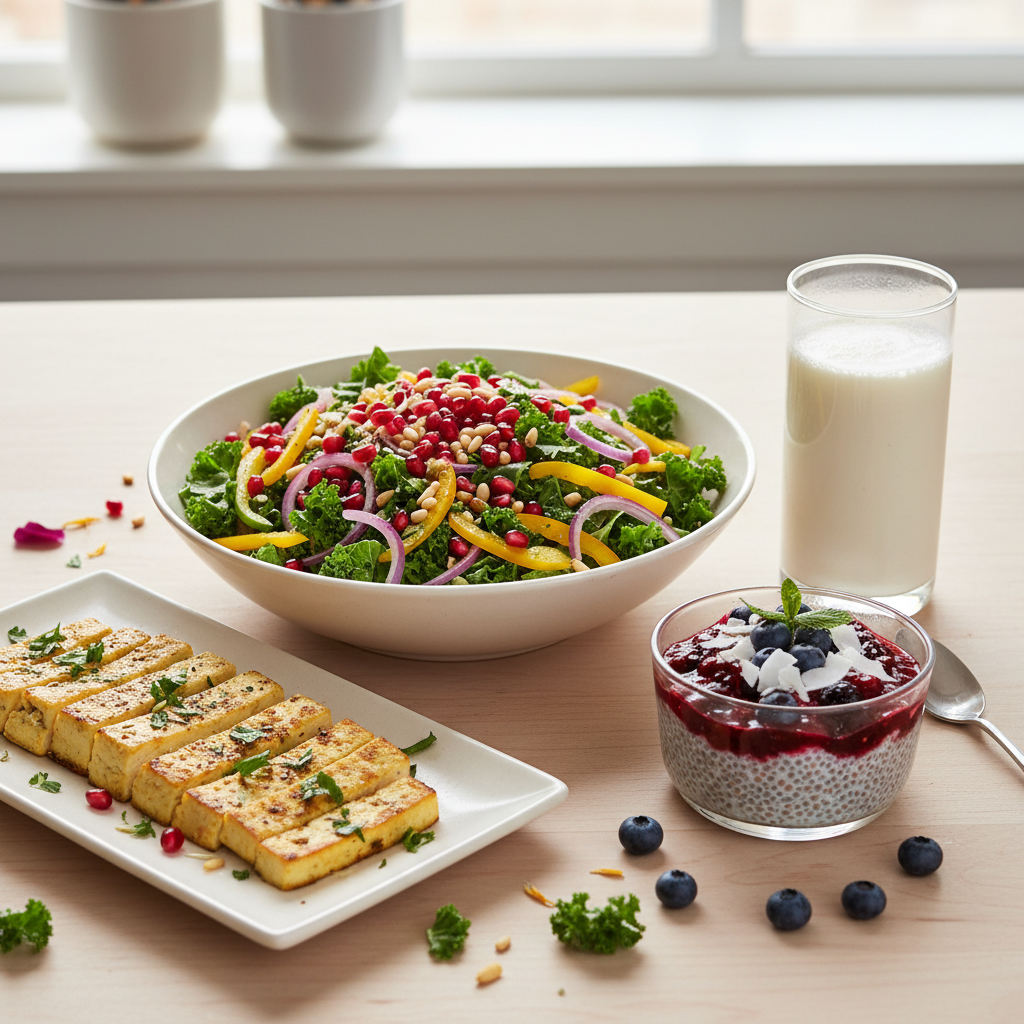
- Breakfast: Fortified soy milk with oatmeal and chopped almonds
- Lunch: Tofu and kale salad with tahini dressing
- Snack: Chia pudding with berries
- Dinner: Steamed bok choy and white beans stir-fried with sesame seeds
Frequently Asked Questions
What are the best bioavailable calcium supplements?
Calcium citrate and calcium carbonate are the best-studied. Choose third-party certified brands and consult your healthcare provider before beginning any supplement.
Is spinach a good source of calcium?
No—from a bioavailability perspective, spinach is high in oxalates, which bind calcium and drastically reduce its absorption. Choose greens like kale or bok choy instead.
Should I take both vitamin K2 and calcium?
Vitamin K2 supports proper calcium utilization in the body and may boost bone health when paired with vitamin D3 and calcium, especially for those at risk for deficiency.
Conclusion: Thriving on a Dairy-Free, Calcium-Rich Diet
With careful planning, it’s entirely possible to meet your calcium needs on a dairy-free diet. Focus on a variety of bioavailable plant sources, fortified foods, and, if needed, supplements. Prioritize low-oxalate greens, calcium-set tofu, legumes, and seeds, and always support absorption with good vitamin D and K2 status. When in doubt, consult a registered dietitian for tailored advice on your calcium needs and the best strategies for lifelong bone health.