Understanding Your Sensitive Stomach: What’s Going On?
Before we dive into specific foods, it’s helpful to understand what a “sensitive stomach” truly means. This term is often a catch-all for various conditions that cause digestive discomfort. Common culprits include:
- Irritable Bowel Syndrome (IBS): Characterized by abdominal pain, cramping, bloating, gas, and changes in bowel habits (diarrhea, constipation, or both).
- Acid Reflux/GERD: When stomach acid flows back into the esophagus, causing heartburn and other symptoms.
- Food Sensitivities or Intolerances: Unlike allergies, these don’t involve the immune system but can cause digestive upset (e.g., lactose intolerance, gluten sensitivity).
- Inflammatory Bowel Disease (IBD): Conditions like Crohn’s disease and ulcerative colitis involve chronic inflammation of the digestive tract.
- Stress and Anxiety: The gut-brain axis is powerful; stress can significantly impact digestive function.
Identifying the root cause with a healthcare professional is crucial, but dietary adjustments are often a primary line of defense against daily discomfort.
The Pillars of a Sensitive-Stomach Diet
When curating a diet for a sensitive stomach, we focus on several key principles to ensure ease of digestion and promote gut healing.
Easily Digestible Foods
The goal here is to reduce the workload on your digestive system. This often means opting for foods that are:
- Low in fiber or have soluble fiber (which dissolves in water and forms a gel-like substance).
- Low in fat, as fat can slow down digestion and exacerbate some symptoms.
- Cooked thoroughly rather than raw, which can be easier to break down.
Anti-Inflammatory Properties
Many digestive issues involve some level of inflammation. Incorporating foods known for their anti-inflammatory benefits can help soothe the gut lining and reduce discomfort.
Prebiotics and Probiotics: Your Gut’s Best Friends
- Probiotics: These are beneficial live bacteria and yeasts that naturally live in your gut. They aid digestion, support the immune system, and can help balance the gut microbiome.
- Prebiotics: These are types of dietary fiber that feed the good bacteria in your gut, essentially acting as fertilizer for your probiotics.
A healthy balance of these in your diet is vital for optimal gut function, especially for a sensitive stomach.
Hydration and Fiber Balance
Water is essential for softening stool and ensuring smooth passage through the digestive tract. While some with sensitive stomachs need to be cautious with high-fiber foods, adequate hydration helps process the fiber you do consume without causing blockages or discomfort.
Top Healthy Digestion Foods for a Sensitive Stomach
Here’s a chef’s guide to ingredients that are generally well-tolerated and can promote digestive wellness.
Gentle Grains and Starches
- White Rice: Low in fiber and easy to digest, plain white rice (especially basmati or jasmine) is often recommended during times of digestive upset.
- Oats: Rolled or quick oats provide soluble fiber, which can help regulate bowel movements and soothe the digestive tract. Ensure they are plain and unsweetened.
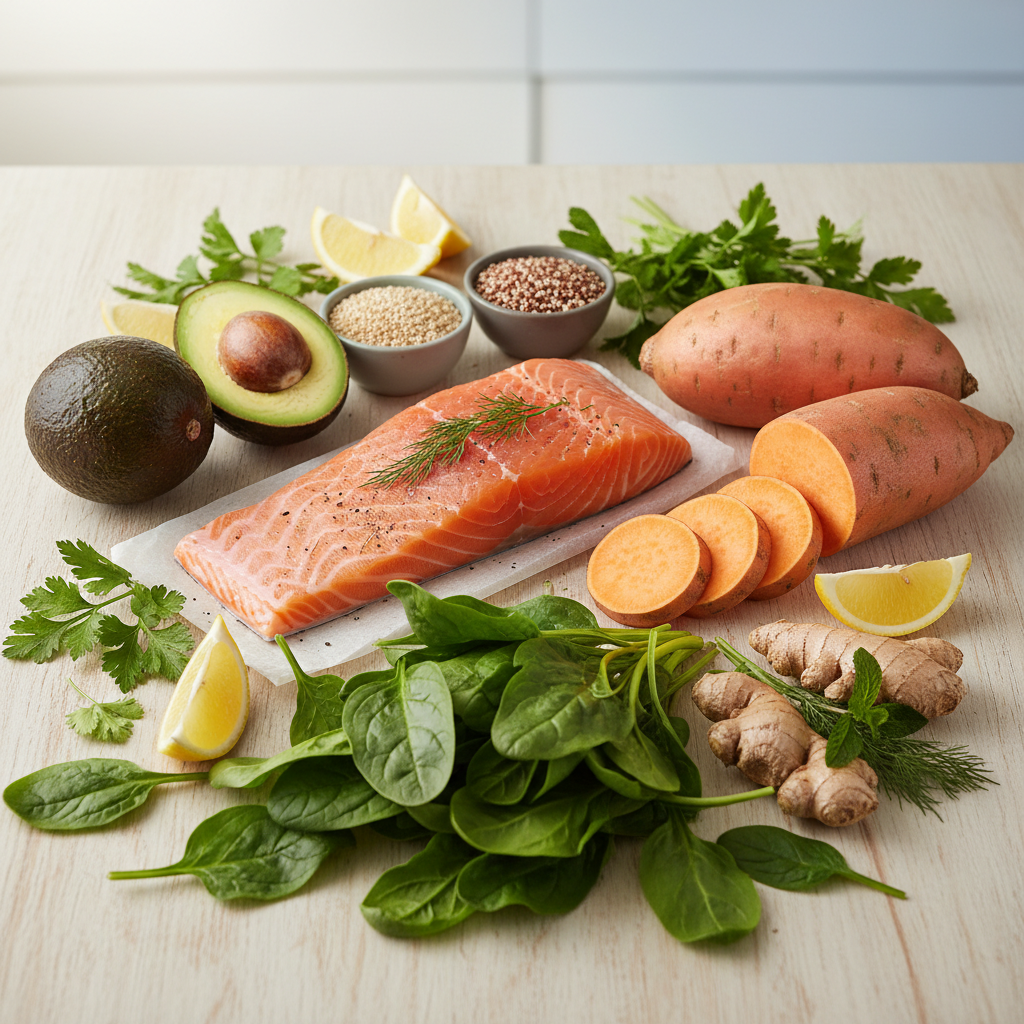
- Quinoa: A complete protein and gluten-free grain, quinoa is generally well-tolerated and provides essential nutrients.
- Sweet Potatoes: A fantastic source of vitamins and minerals, sweet potatoes are easier to digest than their white counterparts for many individuals and contain both soluble and insoluble fiber.
Lean Proteins
Fatty meats can be hard on a sensitive stomach. Opt for lean, easily digestible protein sources.
- Chicken Breast: Skinless and boneless, chicken breast is a lean protein that’s typically well-tolerated. Baking, grilling, or poaching are the best cooking methods.
- Turkey: Similar to chicken, lean ground turkey or turkey breast is a great option.
- Fish: White fish like cod, haddock, or tilapia are very lean and easily digestible. Fatty fish like salmon, while nutritious, should be consumed in moderation as the fat content can be an issue for some.
- Eggs: A versatile and excellent source of protein, eggs are generally well-tolerated, especially when scrambled or poached.
Soothing Fruits
Some fruits, especially when ripe, are gentle on the digestive system.
- Bananas: Rich in pectin, a soluble fiber, bananas can help regulate bowel movements and soothe an irritated stomach.
- Papaya: Contains papain, an enzyme that aids in protein digestion.
- Melons (Cantaloupe, Honeydew): High in water content and generally easy to digest, making them hydrating and gentle.
- Berries: In moderation, particularly when well-ripe or blended, berries can provide antioxidants without excessive fiber.
- Applesauce: Cooked apples (especially without the skin) are often easier to digest than raw apples.
Calming Vegetables
Focus on cooked, non-cruciferous vegetables to minimize gas and bloating.
- Cooked Carrots: Sweet and easy to digest, cooked carrots provide vitamins and minerals.
- Zucchini and Yellow Squash: Low in fiber and easily digestible, especially when peeled and cooked until very tender.
- Spinach: When cooked, spinach is a nutrient-dense option that’s generally well-tolerated.
- Pumpkin & Butternut Squash: These gourds are rich in nutrients and their smooth texture makes them gentle on the stomach.
- Asparagus Tips: While the full stalk can be fibrous, the tender tips of asparagus are often well-received.
Healthy Fats (in Moderation)
While high-fat foods can be problematic, healthy fats are essential. The key is moderation.
- Avocado: A good source of healthy monounsaturated fats, and often tolerated well in small to moderate portions.
- Olive Oil: Use extra virgin olive oil for cooking and dressings, but in limited amounts.
Probiotic Powerhouses
These foods introduce beneficial bacteria to your gut, supporting a healthy microbiome.
- Plain Yogurt: Opt for plain, unsweetened varieties with live active cultures. If you’re lactose intolerant, choose lactose-free or plant-based yogurts.
- Kefir: A fermented milk drink similar to yogurt, but often contains more diverse strains of probiotics.
- Fermented Vegetables (Sauerkraut, Kimchi): Introduce these slowly and in small amounts, as their acidity and high fiber content can be challenging for some sensitive stomachs initially. Ensure they are unpasteurized to retain live cultures.
Healing Herbs and Teas
- Ginger: Known for its anti-nausea and anti-inflammatory properties, ginger tea or fresh ginger in cooking can be very soothing.
- Peppermint: Peppermint tea can help relax the muscles of the digestive tract, potentially easing spasms and bloating (though it can worsen acid reflux for some).
- Chamomile: A mild anti-inflammatory and antispasmodic, chamomile tea is excellent for relaxing the gut and reducing stress.
- Fennel: Fennel tea or lightly cooked fennel can help reduce gas and bloating.
Foods to Approach with Caution (or Avoid)
Just as important as knowing what to eat is knowing what might trigger your symptoms.
- High-Fat Foods: Fried foods, greasy dishes, and very fatty cuts of meat can slow digestion and exacerbate symptoms like acid reflux and indigestion.
- Spicy Foods: Capsaicin in chili peppers can irritate the digestive lining for many.
- Acidic Foods: Tomatoes, citrus fruits (especially juices), and vinegars can trigger acid reflux for some individuals.
- Processed Foods: Often high in unhealthy fats, sugar, and artificial ingredients, which can be hard on the gut.
- Artificial Sweeteners: Sugar alcohols like sorbitol, xylitol, and mannitol can cause gas, bloating, and diarrhea.
- High FODMAP Foods: For individuals with IBS, foods high in fermentable oligo-, di-, mono-saccharides, and polyols (FODMAPs) can trigger symptoms. Examples include garlic, onions, certain fruits (apples, pears), legumes, and some dairy. A low-FODMAP diet is a specialized approach that should ideally be guided by a dietitian.
- Cruciferous Vegetables (Raw): Broccoli, cauliflower, cabbage, and Brussels sprouts are nutritious but can cause significant gas and bloating, especially when raw. Cooking thoroughly can help.
- Excessive Caffeine and Alcohol: Both can irritate the digestive tract and act as diuretics.
- Dairy Products (for lactose intolerance): If you suspect lactose intolerance, try lactose-free alternatives.
- Gluten-Containing Grains (for celiac or gluten sensitivity): If you have celiac disease or non-celiac gluten sensitivity, avoiding wheat, barley, and rye is crucial.
Practical Tips for Eating with a Sensitive Stomach
Beyond food choices, how you eat plays a significant role in digestive comfort.
- Eat Slowly and Chew Thoroughly: Digestion begins in the mouth. Chewing breaks down food and signals the digestive system to prepare.
- Smaller, More Frequent Meals: Instead of three large meals, try 5-6 smaller meals throughout the day to avoid overwhelming your digestive system.
- Stay Hydrated: Drink plenty of water throughout the day, but try to limit large amounts of liquid during meals as it can dilute digestive enzymes.
- Keep a Food Diary: This is an invaluable tool for identifying your personal trigger foods and those that bring you comfort. Note what you ate, how much, and any symptoms experienced.
- Cook Simply: Opt for baking, steaming, poaching, or grilling. Avoid heavy sauces, excessive spices, and large amounts of oil.
- Manage Stress: Practice relaxation techniques like yoga, meditation, deep breathing, or simply spending time in nature.
- Listen to Your Body: Everyone is unique. What works for one person may not work for another. Pay close attention to your body’s signals.
Sample Meal Ideas for a Sensitive Stomach
To give you a starting point, here are some chef-approved meal ideas:
Breakfast
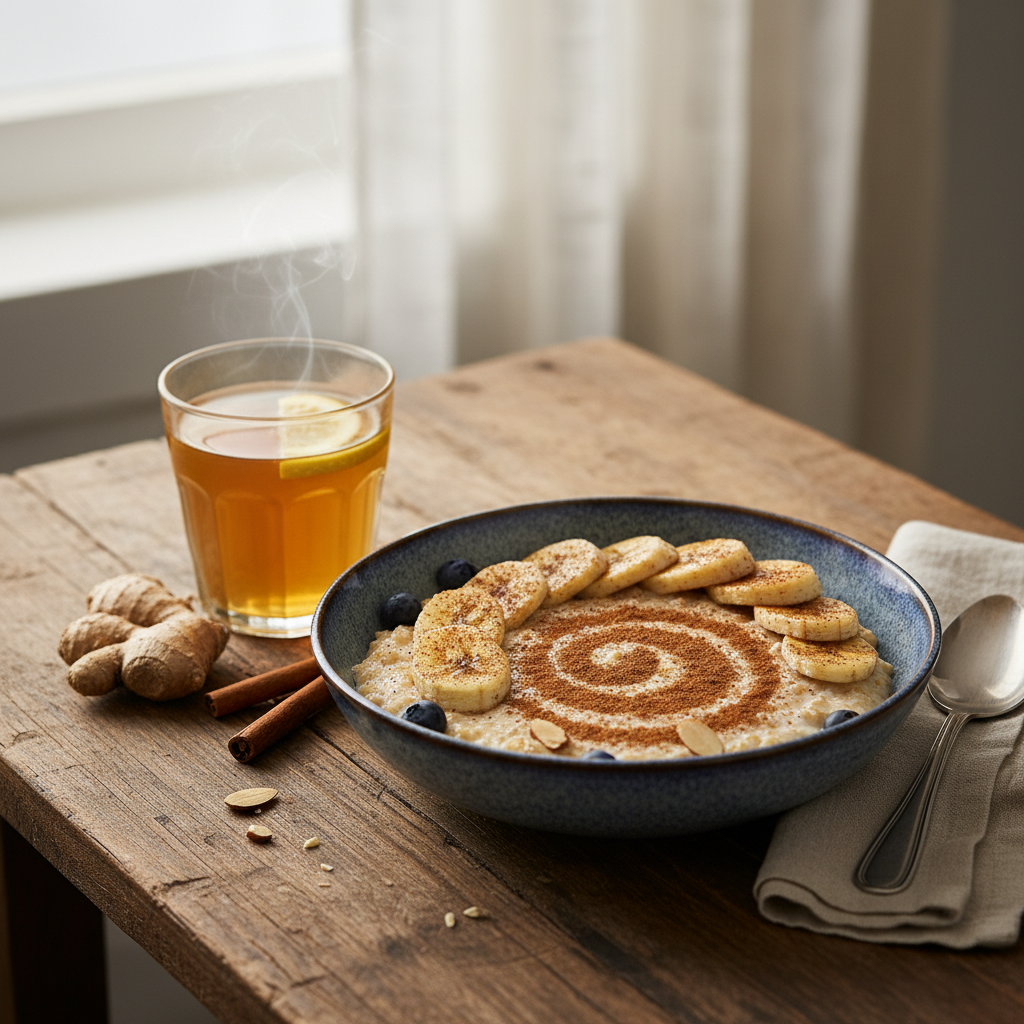
- Oatmeal with Banana: Cooked oats with sliced ripe banana and a sprinkle of cinnamon.
- Scrambled Eggs: Lightly scrambled eggs with a side of well-cooked spinach.
- Gluten-Free Toast: Toasted gluten-free bread with a thin layer of mashed avocado (if tolerated).
Lunch
- Chicken and Rice Soup: A simple broth-based soup with shredded chicken, white rice, and cooked carrots or zucchini.
- Baked Fish with Sweet Potato: Flaky white fish (cod, tilapia) baked with a side of mashed or roasted sweet potato.
- Quinoa Salad (Simple): Cooked quinoa mixed with finely chopped, well-cooked cucumber (peeled, deseeded), and a light olive oil dressing.
Dinner
- Poached Salmon with Steamed Asparagus Tips: Lightly poached salmon fillet with tender steamed asparagus tips.
- Ground Turkey and Rice Bowl: Lean ground turkey stir-fried with cooked zucchini and served over white rice.
- Pumpkin Soup: A creamy, pureed pumpkin soup made with vegetable broth and a touch of ginger.
Snacks
- Ripe banana
- Small handful of plain rice cakes
- Plain, unsweetened yogurt (lactose-free if needed)
- Cooked sweet potato cubes
- A few slices of cantaloupe
When to Seek Professional Advice
While dietary adjustments can significantly improve symptoms, this information is not a substitute for medical advice. If you experience persistent or severe digestive symptoms, unexplained weight loss, blood in your stool, or fever, please consult a doctor or a registered dietitian. They can help diagnose underlying conditions and develop a personalized treatment plan.
Conclusion: Empowering Your Digestive Wellness
Navigating a sensitive stomach can be challenging, but with the right approach to food, you can transform discomfort into digestive harmony. By focusing on healthy digestion foods for a sensitive stomach—foods that are gentle, nourishing, and supportive of your gut microbiome—you empower yourself to take control of your well-being. Embrace simple cooking techniques, listen attentively to your body’s cues, and remember that every small, mindful food choice contributes to a happier, healthier gut. Bon appétit to a life of digestive comfort!