Understanding the Endomorph Body Type
The endomorph body type is one of three somatotypes, alongside ectomorphs and mesomorphs. Individuals with an endomorphic build typically have a larger frame, a softer, rounder physique, and a natural predisposition to accumulate body fat. They often possess a slower metabolism, meaning their bodies may not burn calories as efficiently as other body types.
A key characteristic of endomorphs is a potential for lower insulin sensitivity. This means their bodies might not process carbohydrates as effectively, leading to quicker fat storage if carbohydrate intake is not carefully managed. Understanding these inherent traits is the first step toward crafting an effective dietary approach.

The Science Behind Macronutrients
Macronutrients are the three main components of food that our bodies need in large amounts for energy, growth, and repair: protein, carbohydrates, and fats. Each plays a distinct role, and their balance is crucial, especially for endomorphs.
Protein: The Foundation of an Endomorph Diet
Protein is paramount for endomorphs. It is essential for building and repairing muscle tissue, which is vital for boosting metabolism. Protein also promotes satiety, helping to reduce overall calorie intake by keeping you feeling fuller for longer. Furthermore, protein has a higher thermic effect of food (TEF) compared to carbs and fats, meaning your body burns more calories digesting it.
- **Key Role:** Muscle maintenance and growth, satiety, metabolic support.
- **Excellent Sources:** Lean meats (chicken, turkey, lean beef), fish (salmon, cod, tuna), eggs, dairy (Greek yogurt, cottage cheese), legumes (lentils, beans), tofu, tempeh, protein powder.
Carbohydrates: Strategic Consumption for Endomorphs
While carbohydrates are the body’s primary energy source, endomorphs need to be particularly mindful of their intake. Due to potentially lower insulin sensitivity, consuming excessive amounts of simple or refined carbohydrates can lead to rapid blood sugar spikes and subsequent fat storage. The focus should be on complex carbohydrates, consumed in moderation and timed strategically.
- **Key Role:** Energy, fiber.
- **Smart Sources:** Non-starchy vegetables (broccoli, spinach, bell peppers), berries, small portions of whole grains (quinoa, brown rice, oats) and starchy vegetables (sweet potatoes) around exercise.
- **To Limit:** Sugary drinks, white bread, pastries, highly processed snacks.
Fats: Essential but Mindful for Endomorphs
Dietary fats are crucial for hormone production, nutrient absorption, and long-term satiety. Healthy fats can help stabilize blood sugar levels and are vital for overall health. However, fats are calorie-dense, so portion control remains important. The type of fat you consume is just as important as the quantity.
- **Key Role:** Hormone regulation, nutrient absorption, satiety, brain health.
- **Healthy Sources:** Avocados, nuts (almonds, walnuts), seeds (chia, flax, hemp), olive oil, fatty fish (salmon, mackerel).
- **To Limit:** Trans fats, excessive saturated fats from processed foods.
Recommended Macro Ratios for Endomorphs
Given the endomorph’s metabolic characteristics, a dietary approach that emphasizes protein and healthy fats, while strategically managing carbohydrate intake, tends to yield the best results. The goal is to stabilize blood sugar, enhance satiety, and support a healthy metabolism.
The General Guideline: A Starting Point
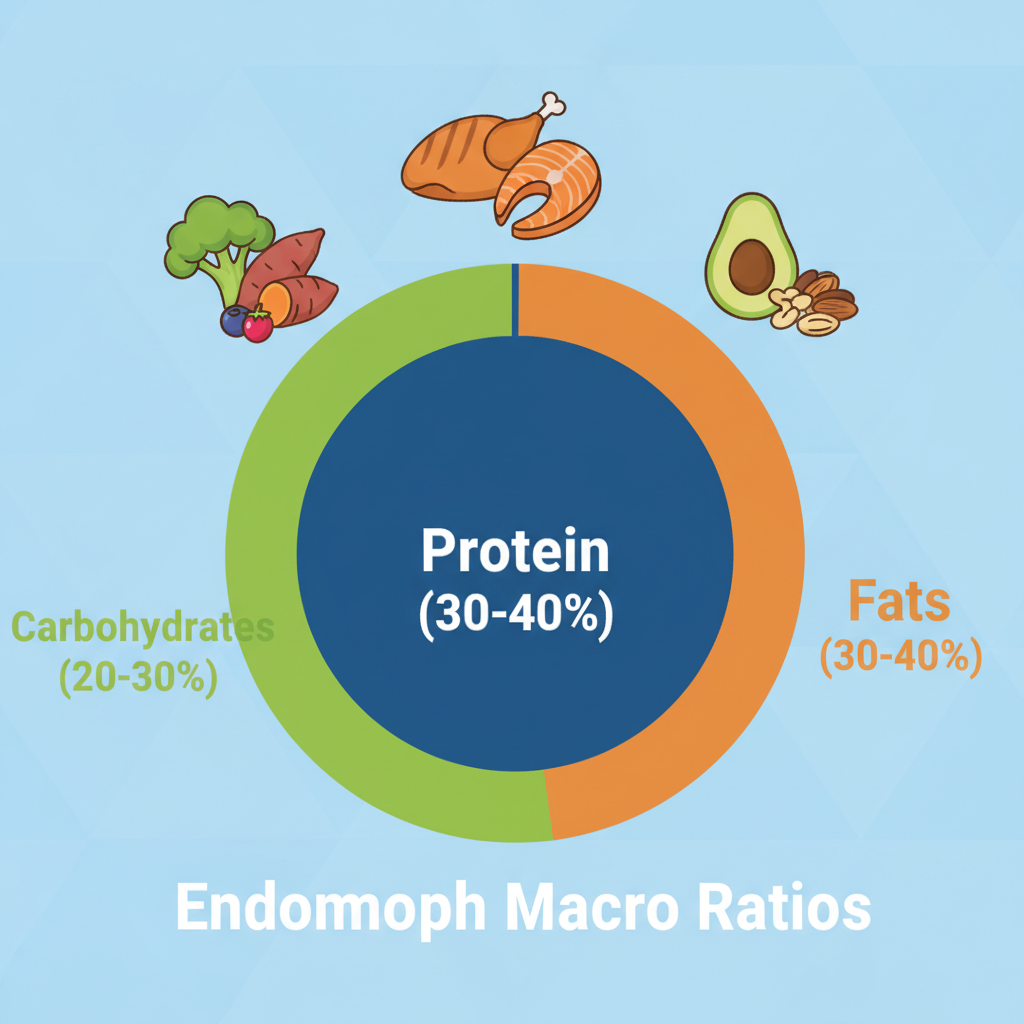
For many endomorphs, a good starting point for macro ratios often falls within these ranges:
- **Protein:** 30-40% of total daily calories
- **Carbohydrates:** 20-30% of total daily calories
- **Fats:** 30-40% of total daily calories
This distribution prioritizes protein for muscle support and satiety, keeps carbohydrates moderate to prevent blood sugar spikes, and includes healthy fats for hormone balance and sustained energy. These macro ratios for endomorph body types help to mitigate the natural tendency to store fat, promoting a more efficient metabolism.
Adjusting Ratios for Specific Goals
While the general guideline is a solid starting point, these ratios can be fine-tuned based on your specific objectives:
- **Weight Loss:** You might lean towards the higher end of protein (e.g., 35-40%) and lower end of carbohydrates (e.g., 20-25%) to maximize satiety and fat burning.
- **Muscle Gain:** While maintaining higher protein, you may slightly increase carbohydrates (e.g., 25-30%) around workouts to fuel intense training and aid recovery, ensuring they are complex and nutrient-dense.
- **Maintenance:** Once your goal weight or body composition is achieved, you can maintain similar ratios, potentially allowing for slightly more flexibility in carbohydrate choices while still prioritizing whole foods.
Remember that total caloric intake also plays a crucial role, irrespective of macro ratios. To lose weight, you need to be in a caloric deficit; to gain muscle, a slight surplus may be required.
Individualizing Your Macros: A Personalized Approach
These ratios are guidelines, not rigid rules. Every individual’s metabolism, activity level, and response to food can vary. It’s crucial to experiment and listen to your body. Start with the recommended ratios and observe how you feel, how your energy levels are, and how your body composition changes. You may need to slightly adjust your carb or fat intake based on your energy demands and metabolic response.
Beyond Ratios: Crucial Dietary Considerations for Endomorphs
While macro ratios are a powerful tool, holistic dietary practices amplify their effectiveness.
Prioritizing Whole, Unprocessed Foods
Regardless of your macro distribution, the quality of your food sources is paramount. Focus on whole, unprocessed foods like fresh vegetables, fruits, lean proteins, and healthy fats. Minimize processed snacks, sugary drinks, and refined grains, which can trigger inflammation and hinder metabolic health.
Meal Timing and Frequency
Some endomorphs find success with fewer, larger meals or intermittent fasting, as this can help manage insulin levels. Others prefer regular, smaller meals to keep hunger at bay. Experiment to find what works best for your hunger cues and energy levels. Consider consuming most of your carbohydrates earlier in the day or immediately post-workout when your body is more apt to utilize them for energy rather than storage.
Hydration and Fiber Intake
Adequate water intake is vital for all metabolic processes and can aid in satiety. Fiber, found abundantly in vegetables, fruits, and some whole grains, is crucial for digestive health and helps to slow down sugar absorption, benefiting endomorphs.
The Role of Exercise
Dietary changes are most effective when paired with a consistent exercise regimen. For endomorphs, a combination of resistance training to build muscle and high-intensity interval training (HIIT) can significantly boost metabolism and improve insulin sensitivity. Regular physical activity complements your macro strategy, making it easier to manage weight and improve body composition.
Putting It All Together: A Sample Endomorph Meal Plan Philosophy
Imagine your plate: a generous portion of lean protein (grilled chicken, baked salmon), a large serving of non-starchy vegetables (steamed broccoli, a leafy green salad with olive oil dressing), and a small, controlled portion of healthy fats (a few almonds, half an avocado). If consuming carbohydrates, pair them with protein and fat to slow digestion and prevent blood sugar spikes. For instance, a small serving of quinoa with your meal, or berries with Greek yogurt as a snack.
Sustainable Success: Consistency and Monitoring
Achieving lasting results with macro ratios for endomorph body types requires consistency and patience. Track your food intake, monitor your progress (weight, measurements, energy levels), and make adjustments as needed. Consider consulting with a registered dietitian or a certified nutritionist. They can provide personalized guidance, help calculate precise macro needs, and ensure your dietary plan is safe and effective for your unique health profile.
By understanding your body type and making informed choices about your macronutrient intake, endomorphs can overcome metabolic challenges and build a sustainable path to better health and a leaner physique.