Why Indoor Humidity Matters for Your Lungs
The air we breathe directly affects our respiratory system, from our nasal passages down to the smallest alveoli in our lungs. The amount of moisture in this air, known as relative humidity (RH), plays a vital role. Our respiratory tract is lined with delicate mucous membranes that need to stay moist to function properly, trapping irritants and pathogens before they reach the lungs. Imbalanced humidity levels can compromise these natural defenses, leading to discomfort and increased susceptibility to illness.
The Risks of Too Low Humidity
When the air inside your home is excessively dry, especially common during winter months with heating systems running, it can have several detrimental effects on your respiratory health. Dry air irritates the sensitive tissues of your nose, throat, and lungs, leading to a range of symptoms.
Dry Air and Mucus Membranes
Low humidity can cause the mucus membranes lining your airways to dry out and crack. This reduces their effectiveness in trapping dust, allergens, viruses, and bacteria. The natural protective layer becomes compromised, making your respiratory system more vulnerable to external threats.
Increased Susceptibility to Infection
Dry airways are less efficient at clearing out inhaled particles and pathogens. Research suggests that certain airborne viruses, including influenza, may survive and spread more easily in low humidity environments. This means a higher risk of colds, flu, and other respiratory infections for occupants.
Exacerbation of Respiratory Conditions
For individuals with pre-existing conditions like asthma, allergies, or chronic obstructive pulmonary disease (COPD), dry air can trigger symptoms. It can lead to a dry cough, wheezing, shortness of breath, and overall irritation of the airways, making breathing more challenging and uncomfortable.
Other Discomforts
Beyond direct respiratory impact, low humidity can also cause dry skin, chapped lips, itchy eyes, and even static electricity build-up. These seemingly minor issues contribute to overall discomfort and can indicate an environment that’s also stressing your respiratory system.
The Dangers of Excess Humidity
While dry air poses risks, excessively high humidity is equally problematic and can create an unhealthy indoor environment. High moisture levels foster the growth of various biological contaminants that are harmful to respiratory health, particularly in warm conditions.
Mold and Mildew Growth
Mold and mildew thrive in environments with high humidity (above 60%). These fungi release spores into the air, which can be inhaled and trigger allergic reactions, asthma attacks, and other respiratory symptoms in sensitive individuals. Prolonged exposure can lead to more serious health issues, including chronic respiratory problems.
Dust Mite Proliferation
Dust mites are microscopic creatures that are a major trigger for allergies and asthma. They flourish in humid conditions, especially above 70% relative humidity. Reducing indoor humidity is one of the most effective ways to control dust mite populations and minimize their allergenic impact.
Bacterial and Viral Spread
While some viruses prefer dry air, others, along with certain bacteria, can thrive in highly humid environments. Excessive moisture can create conditions conducive to the growth and spread of various pathogens, increasing the risk of respiratory illnesses.
General Discomfort and Stuffy Air
High humidity often makes the air feel heavy, sticky, and uncomfortable. This stuffy feeling can make breathing feel more labored, even for healthy individuals. It can also lead to condensation on windows and walls, indicating a moisture problem that needs to be addressed.
Finding the Respiratory “Sweet Spot”: What’s Optimal?
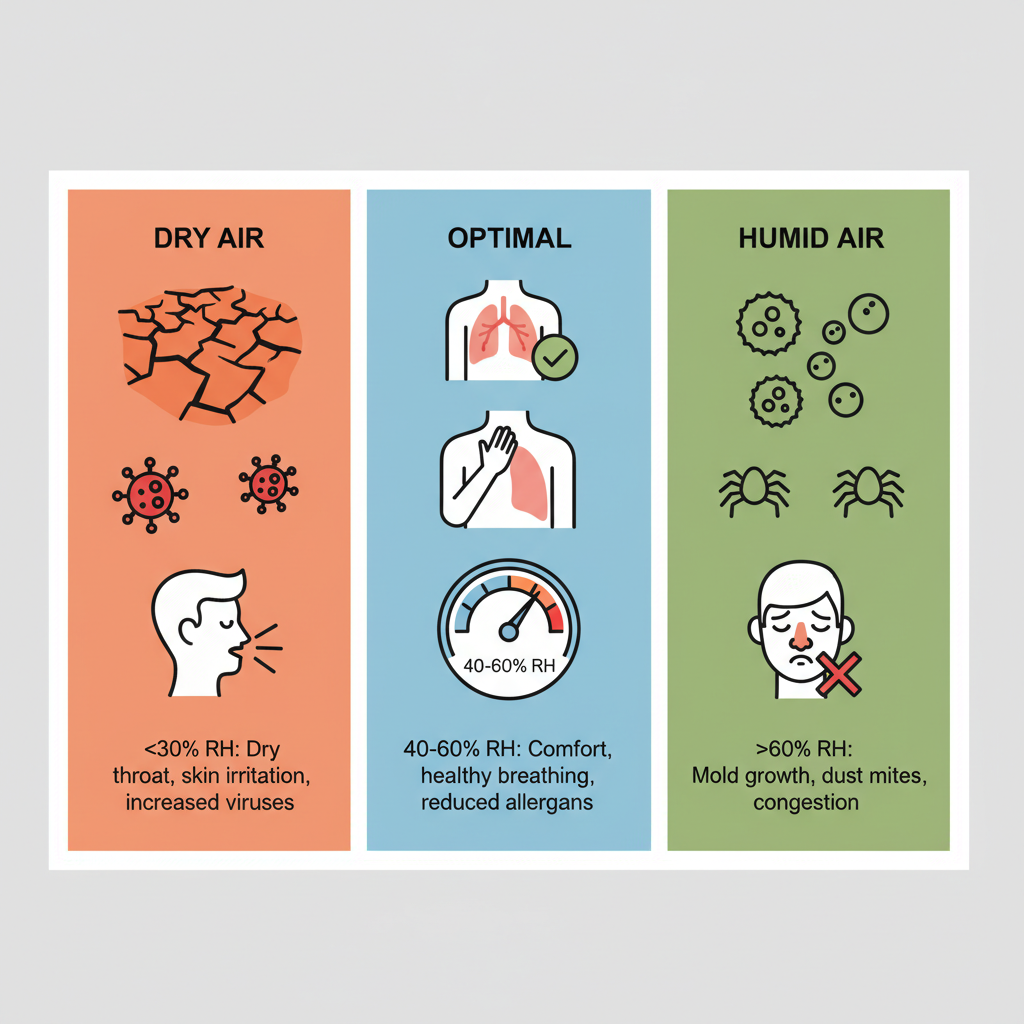
So, what is the ideal range for optimal respiratory health? Most experts agree that maintaining indoor relative humidity levels between 40% and 60% is best. This “sweet spot” strikes a balance, providing enough moisture to keep your airways lubricated without promoting the growth of harmful molds, dust mites, and bacteria.
- **Below 40%:** Too dry, can irritate airways and promote viral spread.
- **Between 40% and 60%:** Optimal range for respiratory comfort and defense.
- **Above 60%:** Too humid, promotes mold, dust mites, and bacterial growth.
Achieving Optimal Humidity in Your Home
Managing indoor humidity requires awareness and, often, a few simple adjustments to your home environment. The strategies you employ will depend on whether your home is typically too dry or too humid.
When Humidity is Too Low (Solutions)
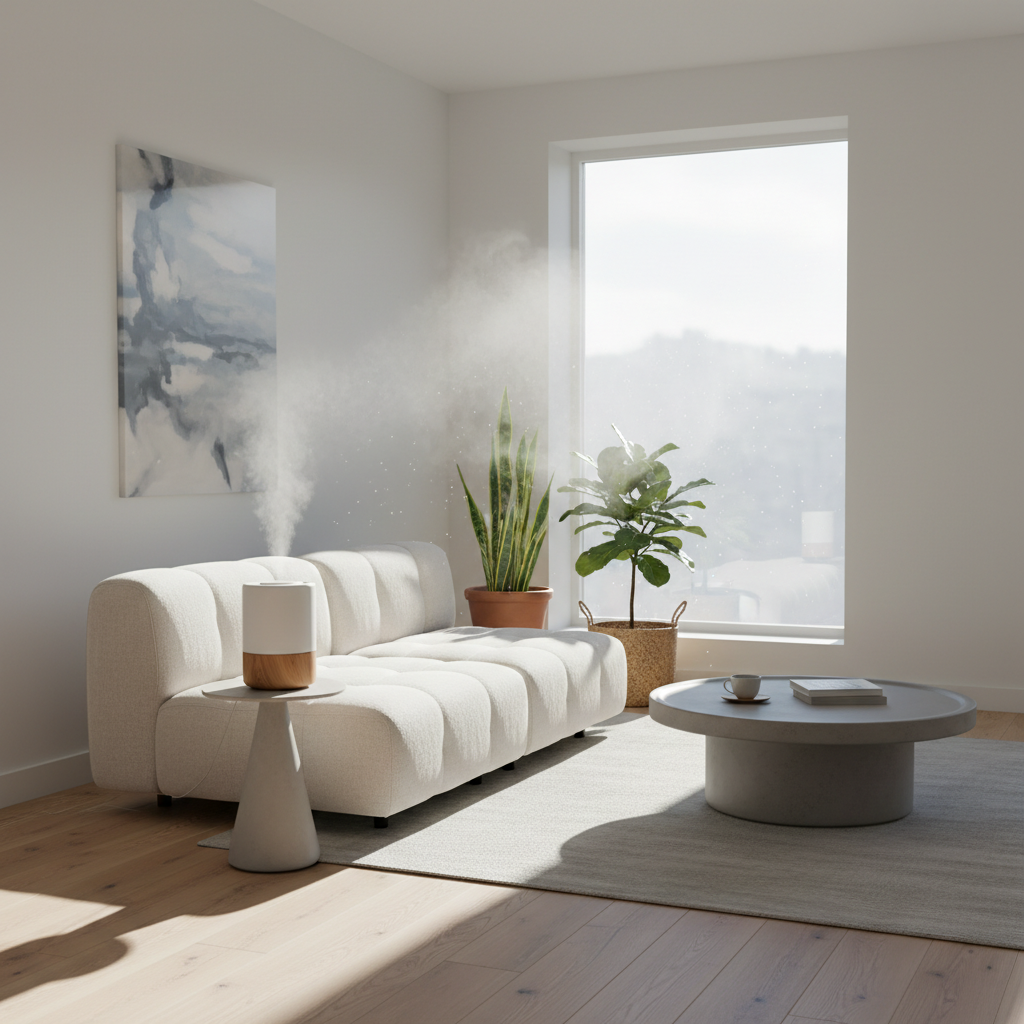
If you live in a dry climate or experience dry indoor air, especially in winter, humidifiers can be invaluable tools for improving your respiratory health and comfort. Regular cleaning is essential to prevent bacterial growth within the unit.
- **Humidifiers:** Portable humidifiers are great for single rooms, while whole-house humidifiers integrate with your HVAC system to treat the entire home. Cool mist humidifiers are generally safer for children and pets.
- **Indoor Plants:** Some houseplants, like ferns and spider plants, can release moisture into the air through transpiration, naturally increasing humidity levels slightly.
- **Drying Clothes Indoors:** If you have adequate ventilation, drying clothes on a rack indoors can add moisture to the air.
- **Boiling Water:** Simply boiling water on the stove or taking hot showers with the bathroom door open can temporarily increase humidity.
When Humidity is Too High (Solutions)
In humid climates or homes with poor ventilation, reducing moisture is key. Dehumidifiers are effective at extracting excess moisture from the air.
- **Dehumidifiers:** Portable units work well for specific rooms, while whole-house dehumidifiers can be integrated into your HVAC system. Ensure the dehumidifier is appropriately sized for your space.
- **Ventilation:** Use exhaust fans in bathrooms and kitchens to vent moisture-laden air outdoors. Open windows and doors when outdoor humidity is lower than indoors.
- **Address Water Leaks:** Promptly fix any leaky pipes, roofs, or foundations, as these are significant sources of indoor moisture.
- **Air Conditioning:** Air conditioners not only cool but also dehumidify the air as part of their operation.
- **HVAC Maintenance:** Ensure your heating, ventilation, and air conditioning system is properly maintained and has clean filters to promote efficient airflow.
Monitoring Your Indoor Humidity
You can’t manage what you don’t measure. A hygrometer is a simple, inexpensive device that measures the relative humidity in a room. Place hygrometers in various areas of your home, especially in bedrooms and living areas, to get an accurate reading. Smart home devices can also integrate humidity sensors, allowing for automated control of humidifiers or dehumidifiers.
Special Considerations for Respiratory Conditions
For individuals with specific respiratory conditions, maintaining optimal humidity is even more critical. If you or a family member suffers from asthma, allergies, or other chronic lung conditions, consult with your healthcare provider for personalized recommendations on indoor air quality management. They may suggest a slightly narrower humidity range or specific types of equipment based on your health needs. Young children and the elderly can also be more sensitive to extreme humidity levels and require careful monitoring.
Conclusion
Maintaining optimal humidity levels for respiratory health is a vital component of creating a truly healthy home environment. By understanding the impact of both dry and overly humid air, and by taking proactive steps to balance the moisture in your home, you can significantly improve your breathing comfort and reduce your susceptibility to respiratory issues. Regularly monitoring your indoor humidity and utilizing appropriate tools like humidifiers or dehumidifiers will ensure your lungs receive the gentle, balanced air they need to thrive, leading to better overall well-being.