This comprehensive guide delves into practical, evidence-backed approaches to help night shift professionals synchronize their eating patterns with their irregular schedules, promoting better well-being despite working against their natural circadian rhythm.
The Unique Challenges of Night Shift Work and Nutrition
Working through the night disrupts the body’s natural sleep-wake cycle, known as the circadian rhythm. This internal clock regulates countless physiological processes, including digestion, metabolism, and hormone release. When you eat, and what you eat, significantly impacts how your body functions when you’re awake during biological night.

Circadian Rhythm Disruption
Eating at times when your body expects to be asleep can confuse your metabolism. Your digestive system is naturally less active at night, meaning food is processed less efficiently. This misalignment can lead to various health issues over time, making strategic meal timing essential for night shift workers.
Metabolic and Digestive Health Impacts
Studies show that chronic circadian disruption, often experienced by night shift workers, can increase the risk of metabolic syndrome, type 2 diabetes, obesity, and cardiovascular diseases. Digestive problems like acid reflux, indigestion, and irritable bowel syndrome symptoms are also common due to eating against the body’s natural rhythm.
The Energy Rollercoaster
Fatigue is a constant battle for many night shift workers. The temptation to reach for sugary snacks, caffeine, and processed foods for quick energy boosts is high. While these might provide temporary relief, they often lead to energy crashes, further exacerbating fatigue and contributing to unhealthy eating cycles.
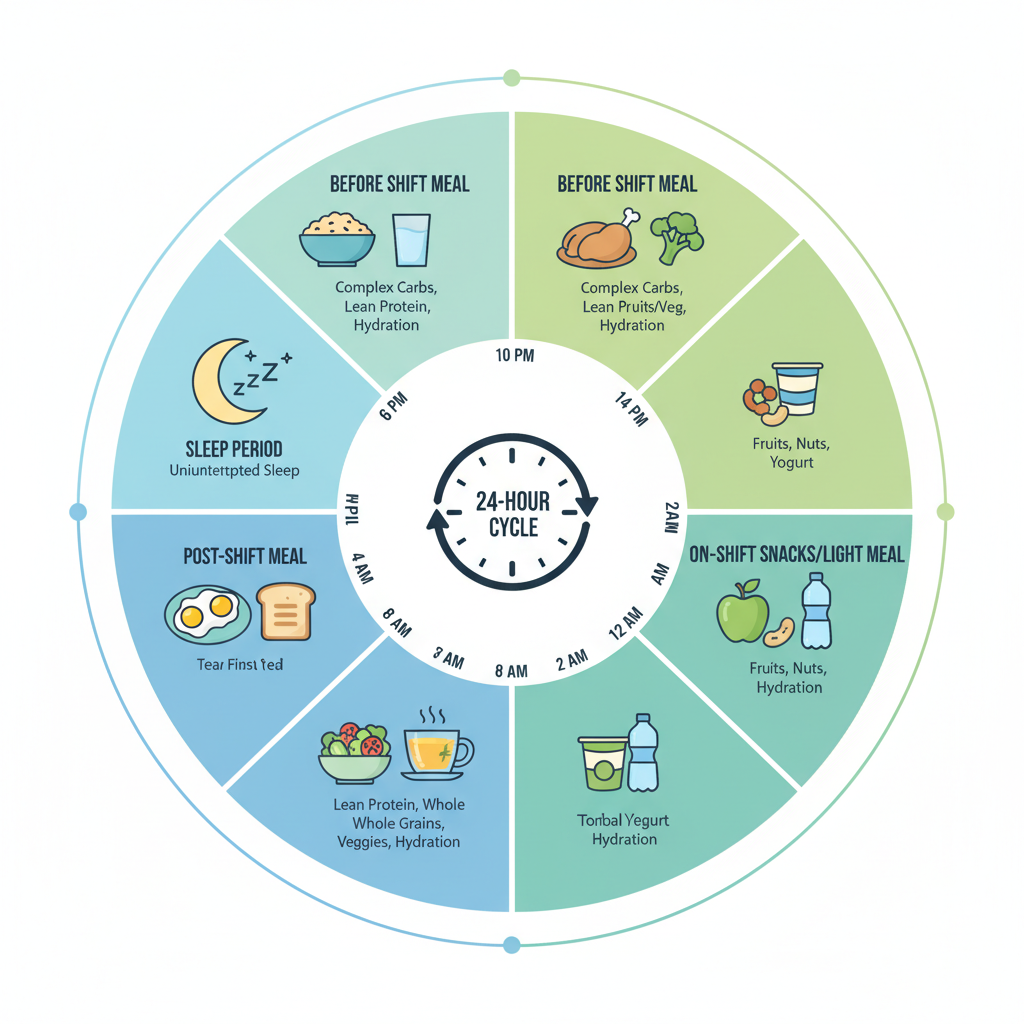
Foundational Principles for Night Shift Meal Timing
Before diving into specific timing, establishing a few core nutritional principles can significantly improve your overall health and energy levels.
Prioritize Protein and Fiber
Protein-rich foods (lean meats, fish, eggs, legumes, dairy) and high-fiber foods (whole grains, fruits, vegetables) are your allies. They promote satiety, stabilize blood sugar levels, and provide sustained energy without the spikes and crashes associated with simple carbohydrates.
Hydration is Key
Dehydration can mimic hunger and worsen fatigue. Keep a water bottle handy throughout your shift and ensure you’re drinking enough fluids. Limit sugary drinks, excessive caffeine, and energy drinks, which can interfere with sleep and overall hydration.
Limit Processed Foods and Sugary Drinks
These foods offer little nutritional value and can lead to energy crashes, weight gain, and digestive upset. They are particularly detrimental when consumed during the night, as your body is less equipped to process them efficiently.
Mindful Eating
Even when tired, try to eat mindfully. Pay attention to your body’s hunger and fullness cues. Eating slowly and without distractions can improve digestion and prevent overeating.
Strategic Meal Timing During Your Night Shift Cycle
The most impactful strategy for night shift workers is to align meal times as closely as possible with a “simulated daytime” schedule, even if that’s during the actual night. The goal is to minimize eating during your biological night (when you’re working) and focus your main meals around your “wake” and “pre-sleep” windows.
Before the Shift (Pre-Shift Meal)
Consider this your “breakfast” or main meal of your day. Consume a balanced, substantial meal 1-2 hours before your shift begins. This meal should provide sustained energy and satiety to carry you through the initial hours of work.
- When: 1-2 hours before starting your night shift.
- What: A balanced meal rich in complex carbohydrates, lean protein, and healthy fats. Examples include whole-grain pasta with chicken and vegetables, quinoa salad with chickpeas and avocado, or oatmeal with nuts and berries.
- Why: To fuel your body effectively and prevent extreme hunger pangs during the early part of your shift. Avoid heavy, greasy, or spicy foods that might cause digestive discomfort.
During the Shift (On-Shift Meals/Snacks)
This is where mindful eating and strategic choices become paramount. The general recommendation is to keep eating during the actual night to a minimum and focus on light, nutrient-dense snacks rather than full meals. If you must eat a larger meal, make it during the earlier part of your shift.
- When: If needed, a light snack around the middle of your shift. Avoid large meals close to the end of your shift.
- What: Focus on small, easy-to-digest, protein-rich snacks. Examples include Greek yogurt, a handful of almonds, an apple with peanut butter, hard-boiled eggs, or a small salad.
- Why: To maintain energy and focus without overloading your digestive system during its less active phase. These foods also help prevent blood sugar crashes.
After the Shift (Post-Shift Meal)
This meal can be considered your “dinner” or “pre-sleep” meal. Its primary purpose is to provide nutrients without disrupting your upcoming sleep. Timing is crucial here.
- When: Immediately after your shift, before you go to sleep.
- What: A light, easily digestible meal. Complex carbohydrates can aid sleep by increasing tryptophan availability to the brain. Think whole-grain toast with avocado, a small bowl of cereal with milk, or a small portion of lean protein with a side of vegetables.
- Why: To refuel your body after your shift and prepare it for sleep. Avoid heavy, fatty, or sugary foods, which can interfere with sleep quality.
During Your Days Off (Rest Days)
Consistency is key, but some flexibility is often needed. Try to maintain a somewhat consistent eating schedule even on your days off. If you’re rotating back to a daytime schedule, gradually shift your meal times to align with conventional daytime eating patterns to minimize further circadian disruption.
- When: Try to eat at roughly the same “relative” times as your workdays (e.g., eat your main meal after your longest “sleep” period).
- What: Continue with balanced, nutritious meals.
- Why: To support your body’s attempt to maintain a stable rhythm and prevent further metabolic confusion.
Practical Tips for Implementing Your Meal Plan
Making these strategies a reality requires planning and consistency. Here are some actionable tips.
Meal Prepping Is Your Best Friend
Dedicate time on your days off to prepare meals and snacks for the week ahead. Having healthy, pre-portioned options readily available prevents impulsive, unhealthy choices when you’re tired and hungry.
- Cook large batches of grains, proteins, and chopped vegetables.
- Assemble grab-and-go snacks like fruit and nut bags, veggie sticks with hummus, or yogurt parfaits.
Pack Smart Snacks
Keep a cooler bag with you to store perishable items. Choose snacks that don’t require heating or extensive preparation.
- Hard-boiled eggs, cheese sticks, pre-cut fruit, mixed nuts, seeds.
- Whole-grain crackers with avocado or tuna.
- Small portions of last night’s dinner (if stored safely).
Hydration Station
Always have a water bottle with you and refill it regularly. Consider herbal teas during your breaks for a warm, soothing alternative to coffee.
Listen to Your Body
While general guidelines are helpful, everyone is different. Pay attention to how different foods and timing affect your energy, digestion, and sleep. Adjust your plan as needed.
The Role of Caffeine
Use caffeine strategically. If you rely on it, consume it early in your shift to avoid interfering with your post-shift sleep. Avoid caffeine altogether in the last 4-6 hours before you plan to sleep.
Beyond Food: Holistic Support for Night Shift Workers
Meal timing is one piece of the puzzle. A holistic approach to health is essential for night shift workers.
Prioritize Sleep Hygiene
Create an optimal sleep environment: dark, quiet, and cool. Stick to a consistent sleep schedule as much as possible, even on days off. Consider blackout curtains, earplugs, or a white noise machine.
Regular Physical Activity
Even moderate exercise can significantly improve mood, energy levels, and sleep quality. Aim for activity during your “waking” hours, not right before you try to sleep.
Seek Professional Guidance
If you’re struggling significantly with health issues related to your night shift work, consult a healthcare professional, a registered dietitian, or a sleep specialist. They can provide personalized advice and support.
Mastering meal timing strategies for night shift workers is a powerful step towards mitigating the health risks associated with irregular schedules. By making informed food choices and strategically timing your meals, you can significantly improve your energy, digestive health, and overall well-being. Small, consistent changes can lead to substantial long-term benefits, empowering you to thrive despite your demanding work schedule.