The Hidden Risks of Gardening: Why Proper Lifting Matters
Many gardeners underestimate the physical demands of their passion. Repetitive bending, twisting, reaching, and lifting can place considerable stress on the musculoskeletal system. Common gardening tasks such as moving heavy bags of soil, lifting pots, digging, or even prolonged weeding sessions can lead to acute injuries like muscle strains and sprains, or chronic conditions like back pain, knee arthritis, and shoulder impingement.
Ignoring proper body mechanics during these activities can exacerbate existing conditions or create new ones. The cumulative effect of improper posture and lifting over time can lead to long-term discomfort and reduced mobility. Learning and applying correct techniques is not just about avoiding immediate pain; it’s about sustaining your ability to garden comfortably and actively throughout your life.
Understanding Your Body’s Limits in the Garden
Your body is a complex machine, and gardening engages many muscle groups, particularly in your core, back, legs, and arms. When you lift or bend improperly, you often rely on the smaller, more vulnerable muscles of your lower back and neck, rather than the stronger muscles in your legs and glutes. This imbalance significantly increases the risk of injury.
It is crucial to listen to your body and recognize signs of fatigue or strain. Pushing through pain can lead to more severe damage. Being aware of your physical capabilities and limits is the first step toward safeguarding your health while pursuing your love for gardening.
Foundational Principles of Proper Lifting Techniques for Gardening Safety
Before delving into specific scenarios, understanding universal lifting principles is essential. These foundational techniques apply across various gardening tasks and form the backbone of injury prevention. Adopting these habits will significantly reduce the strain on your body.
Assess the Load Before You Lift
Before you even touch an item, take a moment to evaluate it. Is the object too heavy or awkwardly shaped for you to lift alone? Can it be broken down into smaller, more manageable pieces? Consider using tools like a hand truck, a wagon, or a wheelbarrow for heavier loads. Never hesitate to ask for help if an item feels too heavy; your body will thank you later.
Also, clear your path of any obstacles. A clear route prevents trips, slips, and sudden twists that can lead to injury while carrying a load.
Engage Your Core, Not Just Your Back
Your core muscles—the muscles around your abdomen and lower back—act as a natural corset, providing stability for your spine. Before lifting, gently brace your core by tightening your abdominal muscles as if preparing for a soft punch. This engagement helps to protect your back by distributing the load more effectively across your torso.
A strong core is a gardener’s best friend, offering stability and power for all movements. Consistent core engagement, even for lighter tasks, builds resilience and prevents unnecessary strain on your lower back.
Maintain a Neutral Spine
Keeping your spine in a neutral, or natural, alignment is perhaps the most critical principle for safe lifting. This means avoiding excessive arching or rounding of your back. When you lift, your back should remain relatively straight, not twisted. Twisting while lifting is a common cause of serious back injuries, as it places uneven stress on the spinal discs.
Focus on moving your entire body as a unit, pivoting with your feet rather than rotating your torso. This practice protects your delicate spinal structures from undue shearing forces.
Use Your Legs, Not Your Back (The Squat vs. The Hinge)
This is arguably the most repeated advice in safe lifting, and for good reason. Your leg muscles (quadriceps, hamstrings, glutes) are among the strongest in your body, designed to lift heavy loads efficiently. Relying on your back, which is less equipped for heavy lifting, is a recipe for injury.
-
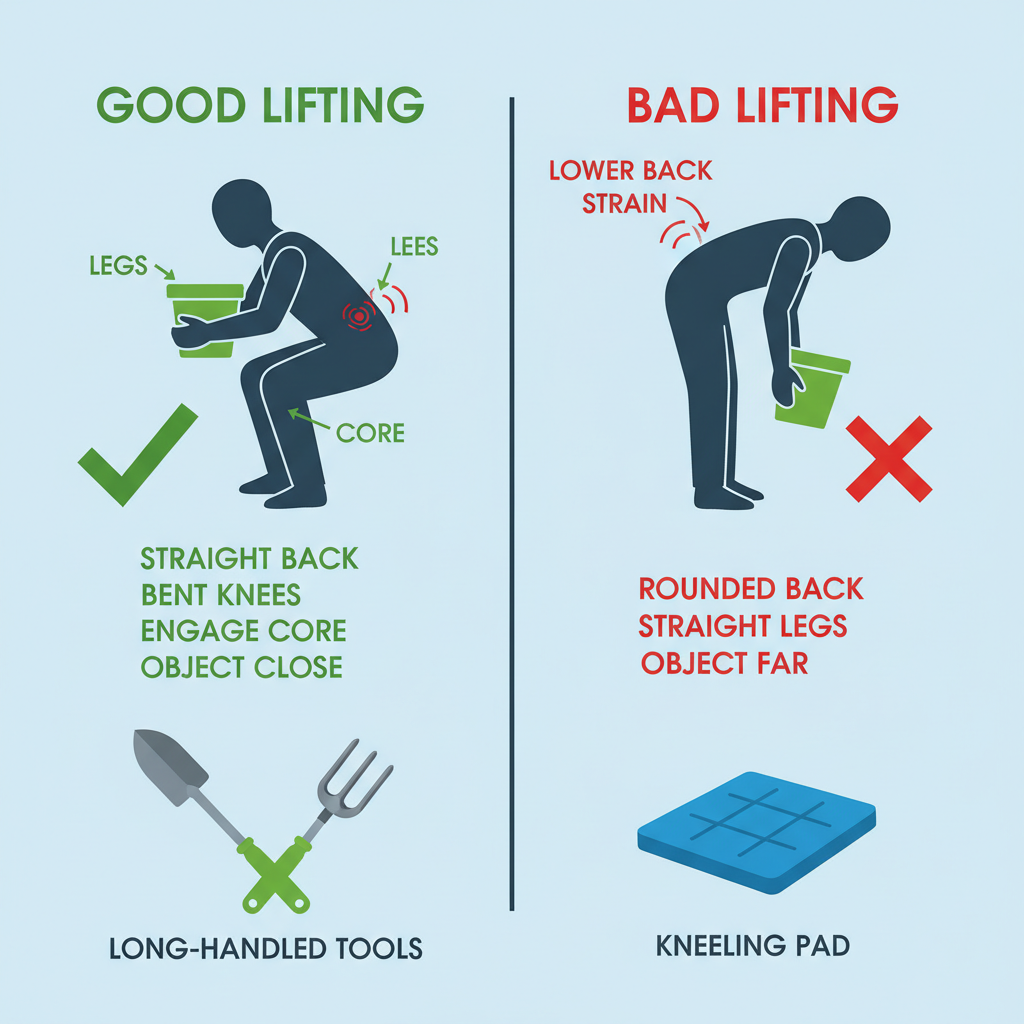
The Squat (for heavier items): When lifting heavy objects from the ground, stand with your feet shoulder-width apart, close to the object. Bend at your knees and hips, keeping your back straight and chest up, as if sitting in a chair. Grasp the object firmly and lift by straightening your legs, keeping the object close to your body. Avoid bending over at your waist with straight legs.
-
The Hip Hinge (for lighter items or reaching): For lighter items or when bending to weed, the hip hinge is efficient. Keep a slight bend in your knees, and pivot at your hips, allowing your torso to lean forward while maintaining a straight back. This technique engages your glutes and hamstrings, minimizing strain on your lower back.
Step-by-Step Guide to Safe Lifting in the Garden
Let’s apply these foundational principles to common gardening tasks. Practicing these techniques will make them second nature, significantly enhancing your gardening safety.
Lifting Heavy Pots or Bags of Soil
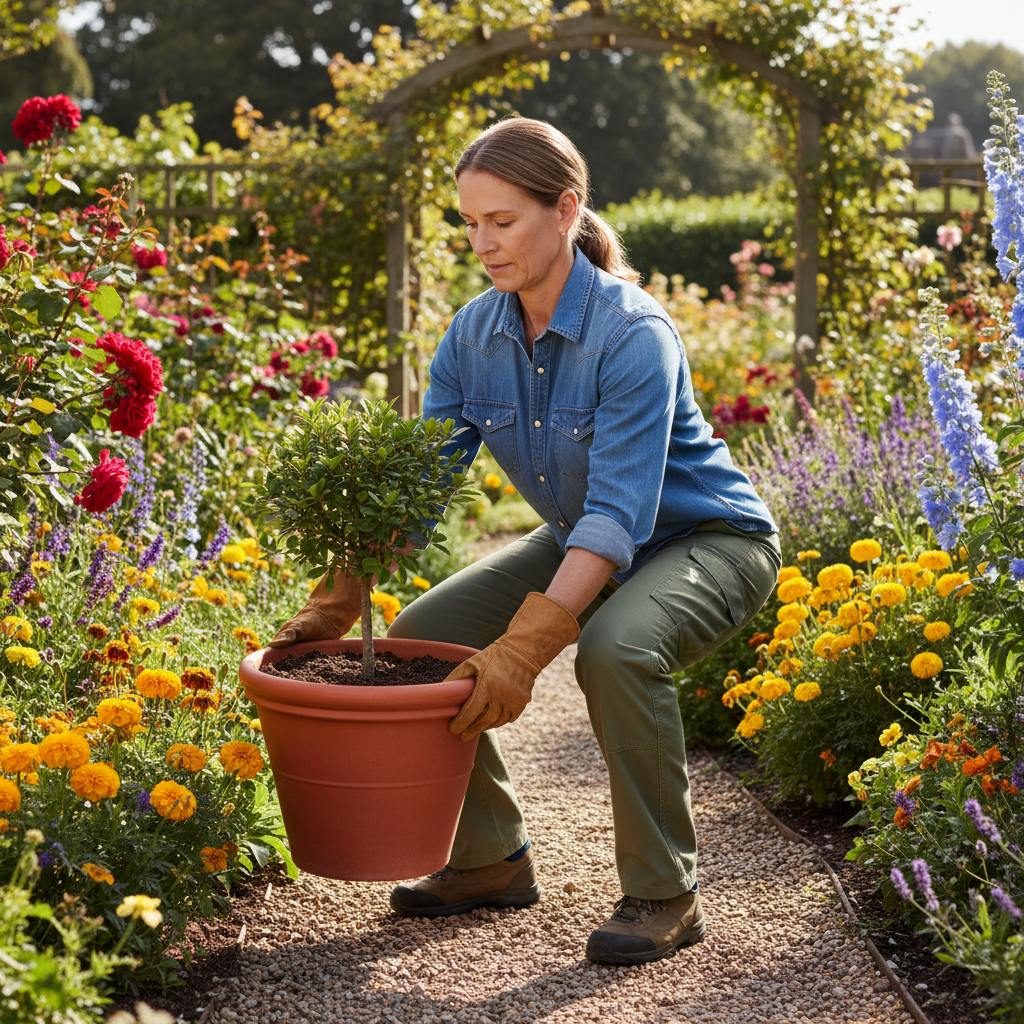
When faced with a heavy pot or a bulky bag of potting mix, always approach it with caution. Position yourself directly in front of the object, ensuring a stable base with your feet shoulder-width apart. Get as close to the item as possible; hugging it helps reduce leverage on your back.
Squat down by bending your knees and hips, keeping your back straight and your core engaged. Get a firm grip on the item, then slowly stand up by straightening your legs, allowing your powerful leg muscles to do the work. If you need to move the item, pivot your feet rather than twisting your torso.
Bending to Weed or Plant Small Items
Many gardening injuries occur from prolonged bending and reaching. For tasks like weeding, planting small flowers, or harvesting low-lying vegetables, avoid repeatedly bending at the waist with a rounded back. Instead, try kneeling on one knee or both, using knee pads for comfort and protection.
Alternatively, use the hip hinge technique for brief bends, ensuring your back remains straight. Periodically stand up and stretch to relieve pressure on your lower back. Consider using long-handled tools to minimize bending altogether.
Pushing and Pulling Wheelbarrows or Carts
Moving a loaded wheelbarrow or garden cart can be strenuous. When pushing, keep your back straight and slightly lean into the load, using your legs to propel the cart forward. Avoid hunching over or letting the weight pull you forward.
If pulling, keep the handles close to your body and walk backward slowly, maintaining good posture. Ensure your path is clear of obstacles to prevent sudden stops or shifts that could cause you to lose balance or strain your back.
Reaching and Overheading Tasks (Pruning)
Pruning tall branches or reaching for hanging baskets can strain your shoulders and neck if done improperly. Always use a sturdy step stool or ladder to bring yourself to a comfortable working height. Avoid overextending your arms or straining your neck by looking up for prolonged periods.
Position the ladder close to your work area to minimize reaching. Take frequent breaks and alternate tasks to prevent muscle fatigue in your upper body and shoulders. Holding tools with straight wrists can also prevent repetitive strain injuries.
Beyond Lifting: Comprehensive Gardening Ergonomics and Injury Prevention
While proper lifting techniques are crucial, they are part of a broader strategy for gardening safety and long-term well-being. Incorporating these additional ergonomic practices will further reduce your risk of injury.
Warm-Up and Cool-Down Routines
Just like any physical activity, your body benefits from preparation and recovery. Start your gardening session with 5-10 minutes of light warm-up exercises, such as arm circles, leg swings, and gentle torso twists. This increases blood flow to muscles and joints, making them more pliable. After gardening, perform some gentle stretches for your back, shoulders, hamstrings, and wrists to improve flexibility and reduce muscle soreness.
Take Frequent Breaks
Even with perfect technique, repetitive motions and prolonged static postures can lead to fatigue. Plan to take short breaks every 30-45 minutes. Use this time to stand up, walk around, stretch, or simply change your body position. Listening to your body and resting before fatigue sets in can prevent injuries.
Invest in Ergonomic Tools and Equipment
Modern garden tools are designed with ergonomics in mind. Look for tools with longer handles to reduce bending, padded grips to lessen hand strain, and lightweight materials. Rolling garden seats, kneeling pads, and raised garden beds can also significantly reduce stress on your back and knees, allowing you to garden more comfortably and for longer periods.
Stay Hydrated and Nourished
Physical activity, especially outdoors, requires proper hydration and energy. Drink plenty of water before, during, and after gardening. Eating a balanced diet provides the energy your muscles need to perform and recover. Dehydration and low energy can impair your concentration and physical performance, increasing your risk of accidents.
Know When to Seek Professional Advice
If you experience persistent pain, sharp pain, numbness, tingling, or weakness that doesn’t improve with rest, it’s essential to consult a healthcare professional. A physical therapist, doctor, or chiropractor can diagnose the issue and provide appropriate treatment or rehabilitation strategies. Early intervention can prevent minor issues from becoming chronic problems.
By diligently applying proper lifting techniques for gardening safety, you can cultivate a beautiful garden and maintain a healthy, active lifestyle. Prioritizing your body mechanics and integrating ergonomic practices will ensure that gardening remains a joyful and pain-free pursuit for many years to come.