Understanding Lymphedema: More Than Just Swelling
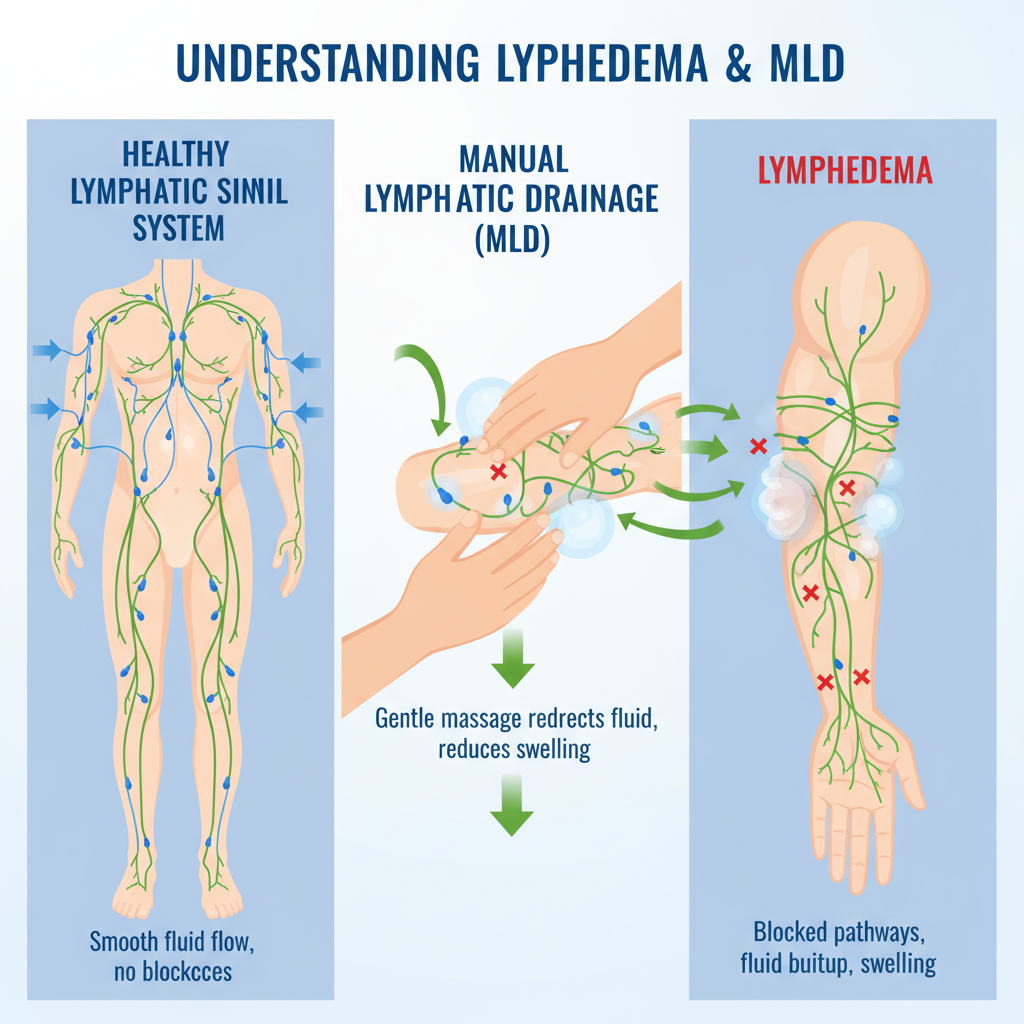
Lymphedema is a chronic condition characterized by localized fluid retention and tissue swelling caused by a compromised lymphatic system. This essential system, part of the immune system, is responsible for collecting excess fluid, proteins, and waste products from tissues and returning them to the bloodstream. When lymph vessels are damaged or absent, fluid accumulates, leading to swelling, skin changes, and increased risk of infection.
The condition can be primary, meaning it results from congenital abnormalities of the lymphatic system, or secondary, developing as a consequence of damage to the lymphatic system. Secondary lymphedema is more common and often occurs after cancer treatments like surgery or radiation therapy, which can remove or damage lymph nodes. Other causes include infection, trauma, or venous disease.
Beyond visible swelling, lymphedema can cause a range of symptoms including a feeling of heaviness or tightness, aching, discomfort, and restricted range of motion. The skin in the affected area may also become thickened, fibrotic, or develop a rough texture. Managing these symptoms is key to preventing complications and improving patient well-being.
What is Lymphatic Drainage Massage (MLD)?
Manual Lymphatic Drainage (MLD) is a gentle, rhythmic, and specialized massage technique designed to stimulate the lymphatic system. Unlike traditional massage that focuses on muscles, MLD specifically targets the lymphatic vessels located just beneath the skin. The goal is to encourage the natural drainage of lymph, which carries waste products away from the tissues and back toward the heart.
The technique involves light, sweeping motions, stretching the skin in the direction of lymph flow. These precise movements help to open lymphatic vessels, facilitating the movement of accumulated fluid from congested areas to healthy lymph nodes or collateral vessels. It’s a precise and controlled technique that requires a thorough understanding of the lymphatic system’s anatomy and physiology.
The Science Behind MLD for Lymphedema
The efficacy of MLD for lymphedema stems from its ability to enhance the pumping action of the lymphatic vessels. Lymphedema occurs when the lymphatic system cannot adequately manage the interstitial fluid, leading to its accumulation. MLD provides external stimulation to the impaired lymphatic pathways, encouraging lymph fluid to move more effectively.
By applying specific pressure and strokes, MLD helps to reduce the protein-rich fluid buildup characteristic of lymphedema. This reduction in fluid not only decreases swelling but also helps to soften fibrotic tissue, improve skin condition, and lower the risk of infection in the affected limb or body part. It essentially bypasses damaged lymphatics by redirecting fluid through alternative, healthy pathways.
Benefits of Lymphatic Drainage Massage for Lymphedema
The therapeutic benefits of MLD for individuals living with lymphedema are extensive, contributing significantly to both physical and psychological well-being.
- Reduced Swelling and Discomfort: MLD helps to reduce the volume of accumulated fluid, leading to a noticeable decrease in swelling and a feeling of lightness in the affected limb or area.
- Improved Skin Condition: By reducing fluid retention and improving circulation, MLD can help soften hardened skin, reduce fibrosis, and promote healthier skin texture.
- Decreased Risk of Infection: Stagnant lymph fluid is an ideal breeding ground for bacteria. By promoting fluid movement, MLD helps to remove waste products and reduce the risk of common infections like cellulitis.
- Enhanced Mobility and Flexibility: Reduced swelling and softened tissues can lead to improved range of motion and flexibility in joints affected by lymphedema.
- Pain Management: Many individuals with lymphedema experience pain and aching. MLD can alleviate these symptoms by reducing pressure from swelling and improving tissue health.
- Psychological Well-being: Managing a chronic condition like lymphedema can be stressful. The physical relief and improved comfort offered by MLD can significantly boost mood and overall quality of life.
Who Performs MLD? Finding a Qualified Therapist
Given the specialized nature of MLD, it is crucial to seek treatment from a certified lymphedema therapist (CLT). These healthcare professionals have undergone extensive training in the anatomy and physiology of the lymphatic system, as well as the specific techniques required for effective lymphedema management. They are often physical therapists, occupational therapists, or nurses with additional specialized certification.
When searching for a therapist, look for credentials that indicate specialized training in Complete Decongestive Therapy (CDT), of which MLD is a core component. A qualified CLT will conduct a thorough assessment, create an individualized treatment plan, and provide guidance on self-management techniques.
What to Expect During a Lymphatic Drainage Massage Session
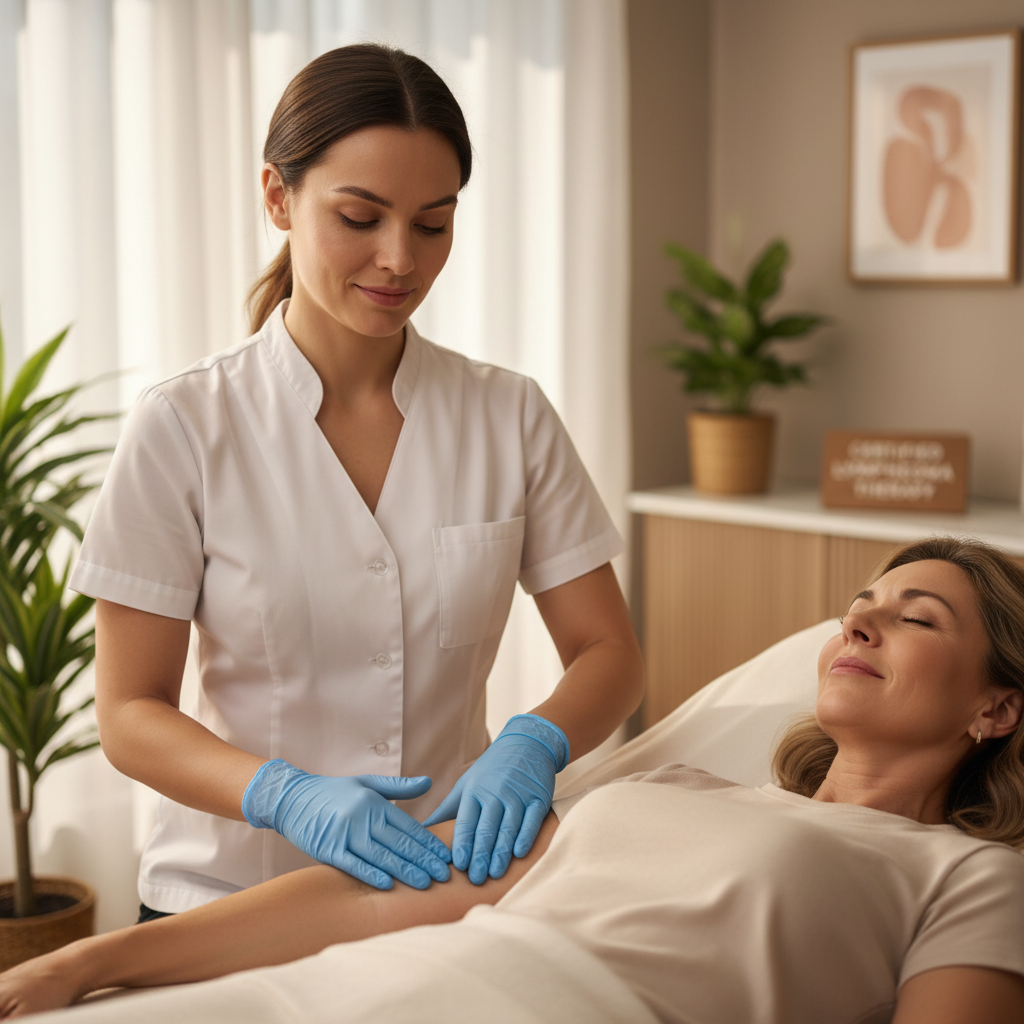
An MLD session typically begins with a thorough assessment by your therapist, discussing your medical history, current symptoms, and specific concerns. The massage itself is performed in a quiet, comfortable environment.
The technique is very gentle, involving light, skin-stretching strokes rather than deep tissue manipulation. You might not feel immediate dramatic changes, as the fluid movement is subtle and internal. Sessions can last anywhere from 30 to 90 minutes, depending on the extent of your lymphedema and your individual treatment plan. The frequency of sessions will also vary, often being more intensive initially and then tapering off as symptoms improve.
Following a session, your therapist may apply compression garments or bandages to maintain the reduction in swelling. They will also provide instructions on skin care, exercises, and potentially self-MLD techniques to practice at home.
Manual Lymphatic Drainage as Part of Complete Decongestive Therapy (CDT)
For most individuals with lymphedema, MLD is not a standalone treatment but rather a vital component of a comprehensive program called Complete Decongestive Therapy (CDT). CDT is recognized as the gold standard for lymphedema management and typically includes four main pillars:
- Manual Lymphatic Drainage (MLD): To redirect lymph fluid.
- Compression Therapy: Bandaging or garments to maintain reduced swelling and support lymphatic flow.
- Therapeutic Exercise: Specific movements to promote lymph drainage and improve mobility.
- Skin Care: Meticulous care to prevent infection and maintain skin integrity.
This integrated approach ensures the most effective and sustainable results in managing lymphedema symptoms and preventing complications.
Self-Manual Lymphatic Drainage (SMLD): A Home Practice
Once you have been properly instructed by a certified lymphedema therapist, you may be able to perform Self-Manual Lymphatic Drainage (SMLD) at home. SMLD empowers you to take an active role in your lymphedema management, complementing professional treatments. Your therapist will teach you the correct sequence and pressure for your specific needs, focusing on areas you can safely and effectively reach.
It’s important to remember that SMLD is a supportive measure, not a replacement for professional MLD. It requires consistent practice and adherence to the techniques taught by your therapist to be effective. Always consult your CLT before attempting SMLD to ensure it is appropriate for your condition and that you are performing it correctly.
Risks and Contraindications of MLD
While MLD is generally safe when performed by a qualified therapist, there are certain situations where it may be contraindicated or require modification. It is crucial to disclose your full medical history to your therapist and physician before beginning MLD.
Absolute contraindications may include acute infections (e.g., cellulitis in the affected limb), untreated deep vein thrombosis (DVT), congestive heart failure, and active malignancy in the area to be treated. These conditions require medical clearance or alternative treatment strategies to ensure your safety.
Relative contraindications, meaning MLD can be performed with caution or modifications, may include conditions like renal dysfunction, asthma, or pregnancy. Your lymphedema therapist will work closely with your physician to determine the safest and most effective course of treatment for you.
Living with Lymphedema: A Holistic Approach
Managing lymphedema is a lifelong journey that extends beyond lymphatic drainage massage. Adopting a holistic approach that includes lifestyle adjustments can significantly impact your well-being. This involves maintaining a healthy weight, engaging in regular, gentle exercise, following a balanced diet, and meticulously caring for your skin to prevent injury and infection.
Building a strong support network, including your medical team, family, and support groups, is also invaluable. Empowering yourself with knowledge and proactive self-care strategies will help you navigate the challenges of lymphedema and live a fulfilling life.
Conclusion: Empowering Your Lymphedema Journey
Lymphatic drainage massage for lymphedema is a cornerstone of effective management, offering significant relief from swelling, discomfort, and the associated complications. When performed by a certified lymphedema therapist as part of a comprehensive treatment plan like Complete Decongestive Therapy, MLD empowers individuals to regain control over their condition. By understanding the benefits, finding qualified care, and embracing a holistic approach, you can embark on an empowered journey towards improved health and an enhanced quality of life, despite the challenges of lymphedema.