Why This Low-Oil Stir Fry is Your Fitness Ally
In the world of fitness and healthy eating, finding meals that are both delicious and functional can sometimes feel like a challenge. This Asian-inspired stir fry rises to the occasion, offering a myriad of benefits that make it an indispensable part of your diet plan, especially on those days when your body needs optimal nourishment.
Protein Powerhouse: Tofu’s Role
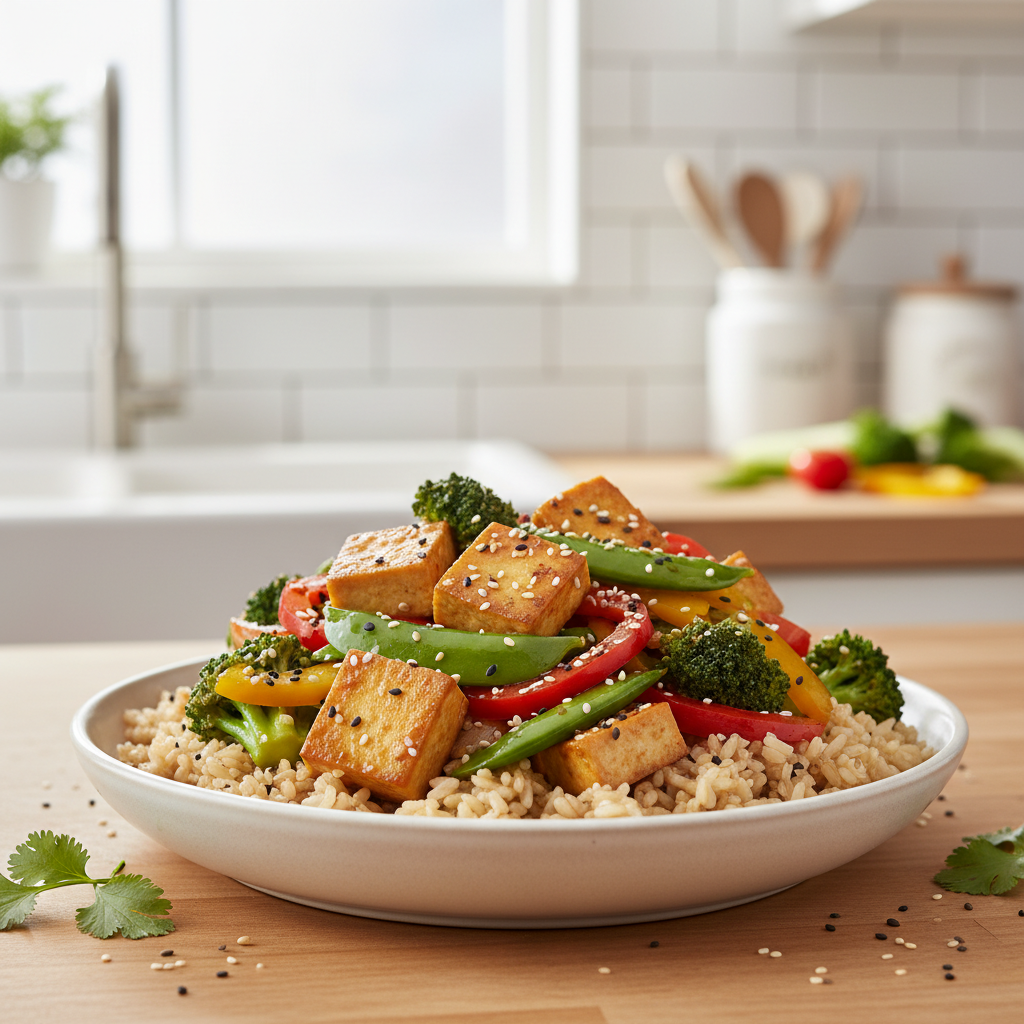
Tofu, often hailed as a superfood, is the star protein in this dish. Made from soybeans, it’s a complete plant-based protein, meaning it contains all nine essential amino acids necessary for muscle repair and growth. For fitness enthusiasts, this is crucial. Tofu is also naturally low in saturated fat and cholesterol-free, making it an excellent alternative to animal proteins for those looking to manage their heart health or embrace a plant-forward diet. Its mild flavor readily absorbs the aromatic Asian sauce, turning it into a savory delight.
Nutrient-Dense Vegetables: Fueling Your Body
The “veggie” component of this stir fry isn’t just for color; it’s a powerhouse of vitamins, minerals, and dietary fiber. We pack it with a variety of colorful vegetables like broccoli, bell peppers, carrots, and snow peas, each bringing its unique nutritional profile. Fiber aids digestion and promotes satiety, helping you feel fuller for longer. Antioxidants from these vibrant vegetables combat oxidative stress, which can be heightened during intense workouts, supporting faster recovery and overall well-being. This diversity ensures a broad spectrum of nutrients to keep your body functioning at its peak.
The Low-Oil Advantage: Maximizing Nutrition, Minimizing Calories
One of the defining features of this recipe is its “low-oil” approach. While healthy fats are essential, excessive oil can add unnecessary calories without significant nutritional benefit, especially when you’re mindful of your caloric intake for fitness goals. By employing smart cooking techniques like water or broth sautéing and using minimal, strategically placed healthy oils (like a tiny touch of sesame oil for flavor), we maximize the nutritional impact of each ingredient while keeping the dish light and lean. This allows you to enjoy a satisfying meal without derailing your progress.
Quick, Easy, and Delicious: Perfect for Busy Fitness Schedules
We all know that maintaining a fitness routine often means juggling a busy schedule. This low-oil Asian tofu and veggie stir fry is designed for efficiency. With minimal prep and a quick cooking time, you can have a fresh, hot, and healthy meal on the table faster than ordering takeout. This convenience makes it an ideal choice for weeknight dinners after a challenging workout or for preparing nutritious meal-prep components for the week ahead, ensuring you always have a healthy option readily available.
The Essential Ingredients for Your Healthy Asian Stir Fry
Crafting the perfect low-oil Asian tofu and veggie stir fry starts with selecting fresh, quality ingredients. Here’s what you’ll need to create this culinary masterpiece:
For the Tofu:
- One block (14-16 ounces) extra-firm tofu, pressed and cubed
- 1 tablespoon cornstarch or arrowroot powder (for crispiness)
- A tiny splash of toasted sesame oil (optional, for tossing before cooking)
For the Veggies:
- 1 head broccoli, cut into small florets
- 1 red bell pepper, thinly sliced
- 1 yellow bell pepper, thinly sliced
- 2 carrots, julienned or thinly sliced
- 1 cup snow peas or snap peas
- 1 cup sliced mushrooms (cremini or shiitake work well)
- 1 cup chopped bok choy or spinach (add at the end)
- 1 small onion, thinly sliced
- 3 cloves garlic, minced
- 1-inch piece fresh ginger, grated or minced
For the Low-Oil Asian Sauce:
- 1/4 cup low-sodium soy sauce or tamari (for gluten-free)
- 2 tablespoons rice vinegar
- 1 tablespoon pure maple syrup or honey (optional, for a touch of sweetness)
- 1-2 teaspoons Sriracha or chili garlic sauce (adjust to your spice preference)
- 1 teaspoon freshly grated ginger (in addition to the cooking ginger)
- 1/2 teaspoon toasted sesame oil (for aroma, not for cooking)
- 1 tablespoon cornstarch or arrowroot powder
- 1/2 cup water or low-sodium vegetable broth
Step-by-Step Recipe: Low-Oil Asian Tofu and Veggie Stir Fry
Follow these precise steps to create a low-oil, high-flavor stir fry that will become a staple in your fitness-focused kitchen.
Prep Your Tofu for Success
The secret to great tofu in a stir fry is proper pressing. This removes excess water, allowing the tofu to absorb flavors better and become firmer. Place the block of extra-firm tofu between paper towels or a clean kitchen towel. Place a heavy object (like a cast-iron skillet or books) on top for at least 30 minutes, or up to an hour. Once pressed, cut the tofu into 1/2 to 3/4-inch cubes. In a bowl, toss the tofu cubes with 1 tablespoon of cornstarch (and the optional splash of sesame oil). This creates a light coating that will crisp up beautifully with minimal oil.
Crafting the Flavorful Low-Oil Stir Fry Sauce
In a small bowl, whisk together the low-sodium soy sauce/tamari, rice vinegar, maple syrup/honey (if using), Sriracha/chili garlic sauce, grated ginger, and 1/2 teaspoon toasted sesame oil. In a separate small bowl, whisk together the 1 tablespoon of cornstarch with 1/2 cup water or vegetable broth until smooth. This is your cornstarch slurry, which will thicken the sauce. Set both aside.
The Stir-Frying Process: Efficiency and Flavor
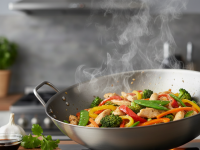
Heat a large non-stick skillet or wok over medium-high heat. Add the pressed and coated tofu. Cook, turning occasionally, for 8-10 minutes until golden brown and crispy on all sides. You may need to use a very small amount of cooking oil spray or a teaspoon of high-heat oil if your pan is not perfectly non-stick; otherwise, dry-fry the tofu to achieve crispiness. Remove the tofu from the pan and set aside.
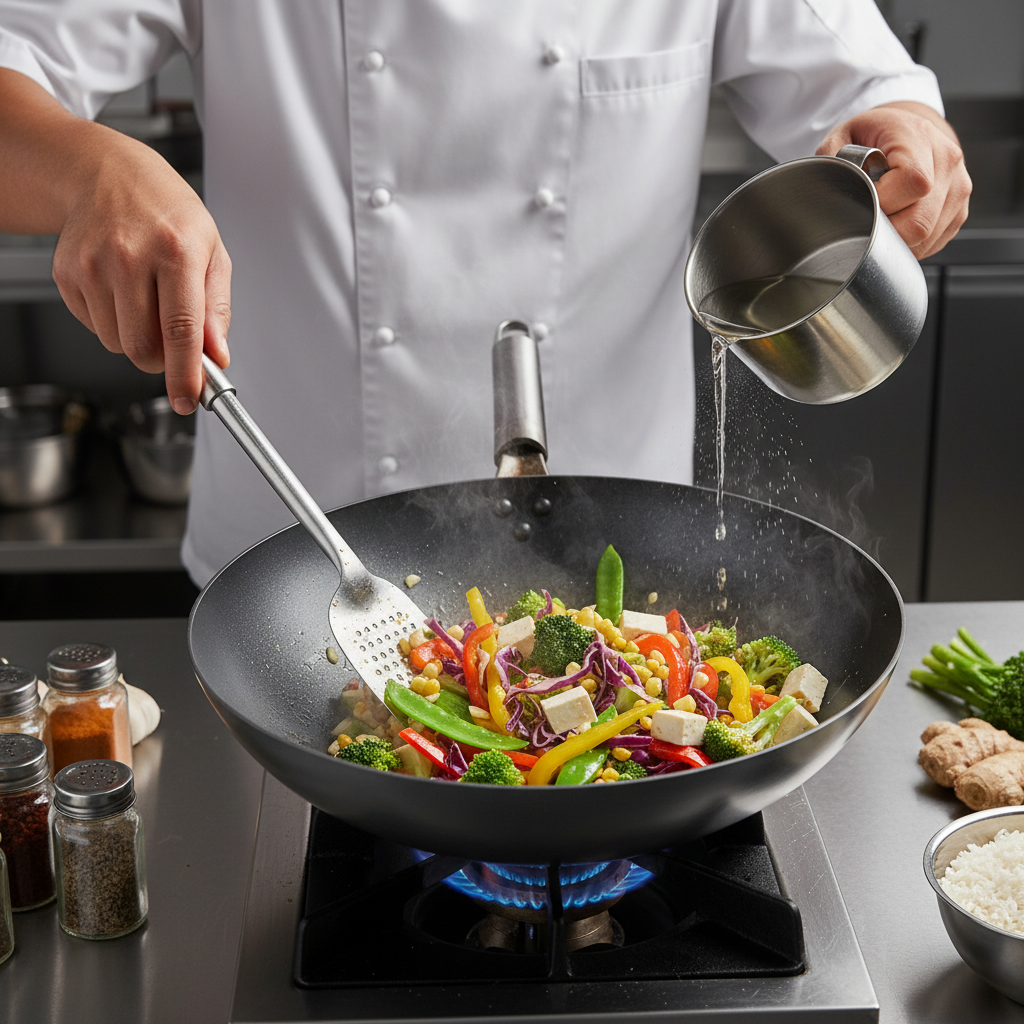
With the pan still hot, add the sliced onion. Sauté for 2-3 minutes until slightly softened, adding a tablespoon of water or broth if it starts to stick. Add the minced garlic and ginger, stir-frying for another minute until fragrant. Next, add the harder vegetables: broccoli florets, carrots, and bell peppers. Stir-fry for 4-6 minutes, adding small splashes of water or broth as needed to prevent sticking and help steam the vegetables without adding excess oil. The vegetables should be tender-crisp.
Add the mushrooms and snow peas to the pan, stir-frying for another 2-3 minutes. If using bok choy or spinach, add it now and stir until just wilted.
Combining and Serving
Return the crispy tofu to the pan with the vegetables. Give the main stir fry sauce (the one without the slurry) a quick whisk and pour it over the tofu and veggies. Bring to a simmer. Give the cornstarch slurry a final whisk to ensure it’s fully incorporated, then slowly pour it into the simmering sauce, stirring constantly. Continue to stir until the sauce thickens to your desired consistency. This usually takes about 1-2 minutes.
Remove from heat immediately. Serve your low-oil Asian tofu and veggie stir fry hot.
Pro Tip: Serving Suggestions
- Brown Rice: A classic pairing, providing complex carbohydrates for sustained energy.
- Quinoa: A complete protein and gluten-free option, adding another layer of nutrients.
- Cauliflower Rice: For a low-carb alternative, perfect for those managing their carbohydrate intake.
- Whole Wheat Noodles: A heartier option, especially if you’re carb-loading for a big workout.
Customizing Your Fitness-Friendly Stir Fry
One of the joys of stir-frying is its versatility. Feel free to adapt this recipe to your preferences, dietary needs, or what you have on hand.
Protein Alternatives:
While tofu is excellent, you can experiment with other low-fat proteins. Consider adding edamame (for extra plant protein), lean chicken breast (sliced thinly), or shrimp for a different texture and flavor profile. If using meat, ensure it’s cooked through before adding the sauce.
Vegetable Variations:
Embrace seasonal produce! Asparagus, green beans, cabbage, water chestnuts, bamboo shoots, or baby corn can all be fantastic additions. The key is to add vegetables in stages based on their cooking time, ensuring everything is perfectly tender-crisp.
Spice Level Adjustment:
If you love heat, increase the Sriracha or chili garlic sauce, or add a pinch of red pepper flakes during cooking. For a milder version, reduce or omit the spicy elements. A dash of white pepper can also add a subtle warmth.
Gluten-Free & Soy-Free Options:
For a gluten-free version, ensure you use tamari instead of regular soy sauce. If you need a soy-free option, coconut aminos can be a fantastic substitute for soy sauce, offering a similar umami flavor profile. You can also use chickpeas or black beans in place of tofu for a different protein source.
Mastering Low-Oil Stir-Frying Techniques
Achieving a perfectly cooked stir fry with minimal oil requires a few key techniques that professional chefs employ. Here’s how you can elevate your low-oil cooking game.
The Wok vs. Skillet Debate
While a traditional wok is ideal for stir-frying due to its sloped sides and even heat distribution, a large, heavy-bottomed non-stick skillet works perfectly well for home cooks. The key is to ensure your cooking surface is adequately hot before adding ingredients, regardless of the vessel.
The Importance of High Heat
Stir-frying demands high heat. This allows ingredients to cook quickly, develop a beautiful char (wok hei), and retain their crisp texture. When cooking with minimal oil, high heat is even more critical for quickly searing surfaces and preventing food from stewing. Be sure to preheat your pan thoroughly before adding any ingredients.
Water/Broth Sautéing: Your Secret Weapon
To keep the oil low, employ water or vegetable broth sautéing. Instead of pouring in oil when food starts to stick, add a tablespoon or two of water or broth. This creates steam that helps cook the food and deglazes the pan, preventing burning and adding moisture without extra fat. It’s a fundamental technique for healthy, low-oil cooking.
Don’t Overcrowd the Pan
Overcrowding your pan is a common mistake that leads to steamed, rather than stir-fried, vegetables. Cook in batches if necessary, especially if you’re making a larger quantity. Giving ingredients enough space in the hot pan allows them to brown properly and achieve that desirable tender-crisp texture. If you overcrowd, the temperature drops, and moisture builds up, leading to soggy results.
Meal Prep Genius: Make Your Week Easier
This low-oil Asian tofu and veggie stir fry is a meal prep superstar. Preparing components in advance can save you valuable time during busy weekdays.
Components Approach: Prep and Store Separately
You can wash and chop all your vegetables at the beginning of the week and store them in airtight containers in the refrigerator. Press and cube your tofu, even tossing it with cornstarch, and keep it covered. Whisk together the sauce ingredients (excluding the cornstarch slurry) and store in a jar. This way, when it’s dinner time, all you have to do is cook the tofu and stir-fry the prepped veggies, then combine with the sauce. The actual cooking time will be drastically reduced.
Full Meal Prep: Reheating Tips
If you prefer to cook the entire dish ahead of time, it reheats beautifully. Divide the cooked stir fry into individual meal prep containers along with your chosen base (brown rice, quinoa, etc.). Store in the refrigerator for up to 3-4 days. When reheating, gently warm in a microwave or on the stovetop over medium heat, adding a splash of water or broth to loosen the sauce and rehydrate if needed. Avoid overcooking during reheating to maintain the vegetables’ crispness.
Conclusion: Your Path to Delicious & Healthy Eating
This Low-Oil Asian Tofu and Veggie Stir Fry for Fitness Days is more than just a recipe; it’s a testament to how flavorful, satisfying, and easy healthy eating can be. It delivers on all fronts: packed with plant-based protein, bursting with nutrient-rich vegetables, and designed to support your active lifestyle with minimal fat. By mastering a few simple techniques, you can enjoy restaurant-quality Asian cuisine right in your own kitchen, perfectly tailored to your health and fitness goals. So, grab your ingredients, fire up your wok or skillet, and get ready to nourish your body with a meal that tastes as good as it makes you feel!