Understanding Mold and Mycotoxins in Your Home
Mold is a type of fungus that thrives in damp, dark, and poorly ventilated environments. While some molds are harmless, certain species, particularly Stachybotrys chartarum (black mold), Aspergillus, Penicillium, and Fusarium, can produce toxic compounds called mycotoxins. These microscopic toxins are released into the air and can be inhaled, ingested, or come into contact with the skin, leading to a range of adverse health effects, often referred to as mold toxicity or mycotoxicosis.
Exposure to mycotoxins doesn’t necessarily mean a visible mold colony is present. Hidden mold behind walls, under flooring, or in HVAC systems can still release spores and mycotoxins, silently contaminating your living space. Identifying the source of exposure is just as important as recognizing the symptoms it causes.

Common Sources of Mold Exposure at Home
Mold requires moisture to grow, making certain areas of the home particularly susceptible. Understanding where mold typically hides can help you identify potential problem spots even before symptoms arise. Common sources include:
- Water Damage: Leaks from roofs, pipes, or foundations, as well as flood-damaged areas, create ideal breeding grounds for mold.
- High Humidity: Areas with consistently high humidity, such as bathrooms, basements, and laundry rooms, are prone to mold growth if not properly ventilated.
- Poor Ventilation: Lack of air circulation allows moisture to accumulate, fostering mold growth on walls, ceilings, and other surfaces.
- Damp Materials: Porous materials like drywall, wood, carpet, and fabrics can absorb moisture and become mold-ridden.
Recognizing the Signs: Diverse Mold Toxicity Symptoms
The symptoms of mold toxicity can be wide-ranging and often mimic those of other conditions, making diagnosis challenging. However, recognizing patterns and potential connections to your home environment is key. Here are common mold toxicity symptoms to watch for:
Respiratory Symptoms and Allergic Reactions
Mold spores are irritants and allergens that frequently affect the respiratory system. Many people experience immediate reactions upon exposure. These symptoms can range from mild to severe, often worsening in mold-infested environments.
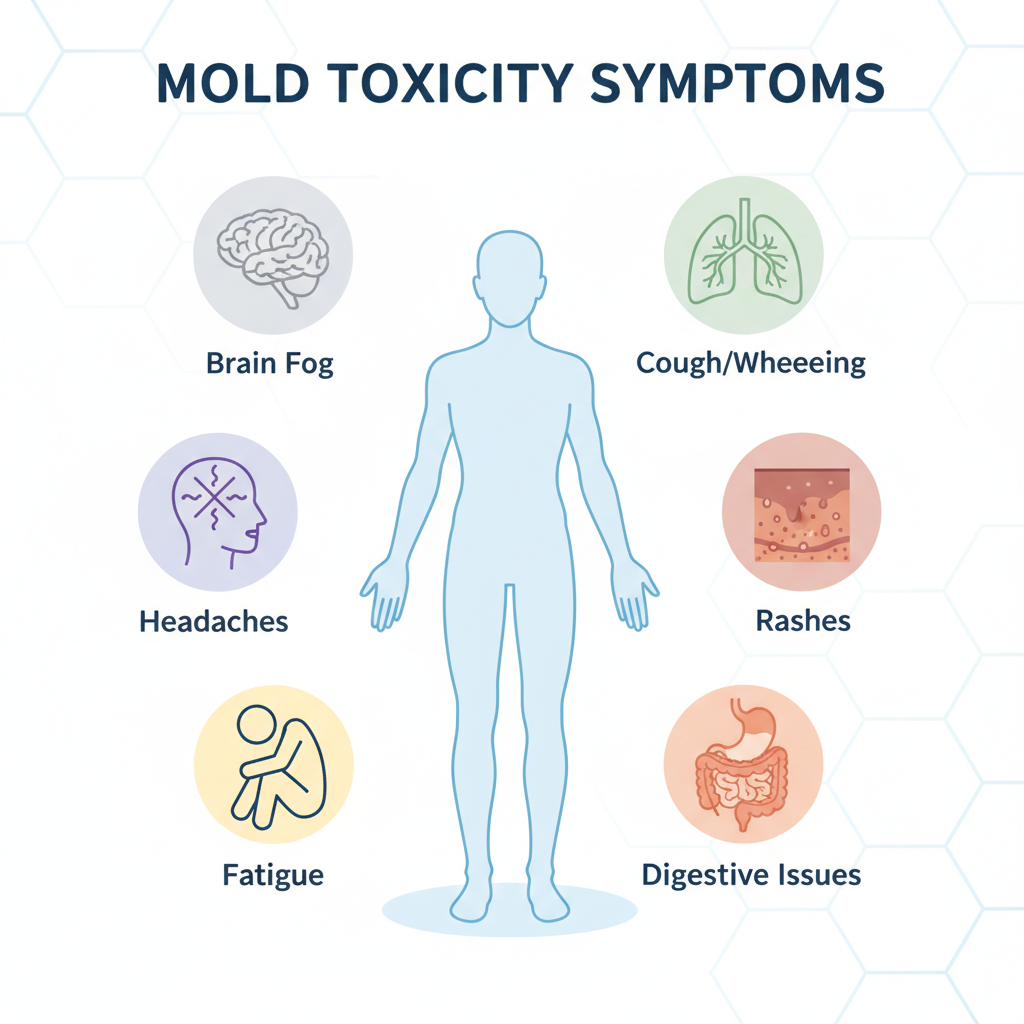
- Chronic cough, wheezing, and shortness of breath
- Nasal congestion, runny nose, and sneezing
- Sinus infections and post-nasal drip
- Sore throat and hoarseness
- Exacerbation of asthma or development of new asthma symptoms
Neurological and Cognitive Symptoms
Mycotoxins can have a significant impact on the central nervous system, leading to a variety of neurological and cognitive impairments. These symptoms are often described as “brain fog” and can be particularly distressing.
- Brain fog, difficulty concentrating, and impaired memory
- Headaches, migraines, and dizziness
- Mood swings, anxiety, depression, and irritability
- Numbness, tingling, or tremors
- Difficulty with word recall or learning new information
Fatigue and Chronic Pain
One of the most debilitating aspects of mold toxicity can be profound fatigue and widespread pain. These symptoms can severely impact daily life and are often mistaken for other chronic conditions.
- Chronic fatigue that is not relieved by rest
- Generalized muscle aches, joint pain, and stiffness
- Muscle weakness and cramping
- Fibromyalgia-like pain patterns
Skin and Digestive Issues
While less commonly discussed, mold exposure can also manifest through skin reactions and gastrointestinal disturbances. These symptoms suggest a broader systemic impact of mycotoxins.
- Rashes, hives, itching, and unexplained skin irritation
- Flushing or sensitivity to light touch
- Nausea, vomiting, diarrhea, or abdominal pain
- Loss of appetite or unexplained weight changes
Other Systemic Symptoms
Mold toxicity can affect nearly every system in the body, leading to a constellation of seemingly unrelated symptoms. This highlights the complexity of mycotoxin illness.
- Increased sensitivity to light and noise
- Metallic taste in the mouth
- Frequent infections or a weakened immune system
- Unexplained weight gain or difficulty losing weight
- Hair loss and brittle nails
Why Symptoms Vary: Individual Susceptibility
It’s important to note that not everyone exposed to mold will develop the same symptoms, or even any symptoms at all. Individual susceptibility plays a significant role, influenced by factors such as:
- Genetics: Some individuals have a genetic predisposition that makes them more vulnerable to mycotoxin illness.
- Duration and Intensity of Exposure: Longer exposure periods and higher concentrations of mycotoxins generally lead to more severe symptoms.
- Overall Health: Individuals with compromised immune systems, allergies, or pre-existing respiratory conditions may be more sensitive.
- Type of Mold: Different mold species produce different mycotoxins, each with unique biological effects.
Steps to Take If You Suspect Mold at Home
If you’re experiencing several of the symptoms listed above, especially if they worsen when you are at home and improve when you are away, it’s time to investigate your living environment. Here are practical steps:
- Visual Inspection: Look for visible signs of mold, which can appear as black, green, brown, or white fuzzy patches on walls, ceilings, floors, or around windows. Check less obvious spots like under sinks, behind appliances, and in basements or attics.
- Smell Test: Mold often has a distinct musty, earthy, or damp odor, even if it’s not visible. Trust your nose as an indicator of hidden mold.
- Check for Water Damage: Look for water stains, peeling paint, or warped materials, which indicate past or ongoing moisture problems that could harbor mold.
- Consider Home Mold Testing: While DIY kits can offer preliminary results, professional mold inspection and testing can accurately identify mold types and concentrations.
- Consult a Healthcare Professional: If you suspect mold toxicity, seek advice from a doctor experienced in environmental medicine or integrative health. They can evaluate your symptoms, consider your exposure history, and recommend appropriate testing and treatment.
When to Seek Professional Help
Do not hesitate to consult a medical professional if you experience persistent, unexplained symptoms, particularly if you have known water damage in your home or can visually identify mold. Early intervention can prevent long-term health complications. Similarly, if you find significant mold growth or suspect it’s widespread, a professional mold remediation company should be contacted to safely remove it and prevent re-growth.
Conclusion
Being proactive about identifying mold toxicity symptoms at home is a powerful step towards safeguarding your health and well-being. By understanding the common signs and recognizing potential sources of mold in your environment, you can take informed action. Always remember to combine environmental investigation with professional medical guidance to ensure an accurate diagnosis and effective treatment plan. Your health is worth protecting from unseen invaders.