What is Histamine Intolerance?
Histamine intolerance is not a true allergy but rather a condition where your body has difficulty breaking down histamine. Histamine is a vital chemical involved in immune responses, digestion, and neurotransmission. When histamine levels become too high – either from excessive intake through food or inefficient breakdown – it can lead to a wide array of uncomfortable symptoms.
Understanding Histamine and Its Role
Histamine is naturally present in many foods and is also produced by our bodies. Normally, an enzyme called diamine oxidase (DAO) in the gut breaks down histamine from food, preventing it from accumulating. If there’s a deficiency in DAO or if histamine intake overwhelms its capacity, symptoms of histamine intolerance can emerge.
Beyond food, other factors can influence histamine levels, including certain medications, gut dysbiosis, stress, and other underlying health conditions. This makes a comprehensive approach, often starting with diet, essential for effective management.
Symptoms of Histamine Intolerance
The symptoms of histamine intolerance are highly varied and can mimic other conditions, making diagnosis challenging. They often appear shortly after consuming high-histamine foods and can affect multiple body systems.
- **Digestive Issues:** Abdominal pain, bloating, diarrhea, nausea, reflux.
- **Skin Reactions:** Hives, rashes, itching, flushing, eczema.
- **Headaches & Migraines:** Persistent headaches, especially after meals.
- **Respiratory Problems:** Nasal congestion, runny nose, sneezing, asthma-like symptoms.
- **Cardiovascular Effects:** Heart palpitations, rapid heart rate, low blood pressure.
- **Neurological Symptoms:** Dizziness, fatigue, anxiety, sleep disturbances.
- **Gynecological Issues:** Menstrual pain, worsening PMS symptoms.
Due to the non-specific nature of these symptoms, it is vital to consult with a healthcare professional to rule out other conditions before embarking on an elimination diet.

The Role of an Elimination Diet in Managing Histamine Intolerance
An elimination diet is a diagnostic and therapeutic tool used to identify specific foods that trigger adverse reactions. For histamine intolerance, it involves temporarily removing foods known to be high in histamine or those that stimulate histamine release.
Why an Elimination Diet?
Given the lack of a definitive diagnostic test for histamine intolerance, a structured elimination diet followed by a reintroduction phase is currently the most reliable method to pinpoint dietary triggers. It allows individuals to observe their body’s reactions in a controlled manner and establish a personalized low-histamine eating plan.
The Three Phases of a Histamine Elimination Diet
A typical histamine elimination diet involves three distinct phases, ideally conducted under the guidance of a doctor or registered dietitian.
- **Phase 1: Elimination (2-4 weeks)**
During this phase, all foods high in histamine or those known to trigger histamine release are strictly removed from the diet. The goal is to reduce the body’s histamine load and allow symptoms to subside. This phase should be short-term to avoid nutritional deficiencies.
- **Phase 2: Reintroduction**
Once symptoms have improved, foods are systematically reintroduced, one at a time, in small amounts. A food and symptom diary is meticulously kept to record any reactions. This helps identify individual tolerance levels to specific foods.
- **Phase 3: Personalization**
Based on the reintroduction phase, a personalized diet plan is created. This long-term plan includes foods that are well-tolerated and limits or avoids identified triggers. The aim is to achieve symptom control while maintaining a nutritionally complete and enjoyable diet.
Your Comprehensive Histamine Intolerance Food Elimination List
This list provides a general overview of foods typically restricted during the elimination phase of a low-histamine diet. Individual tolerance can vary significantly, so this serves as a guide, not an absolute rule for everyone.
Foods High in Histamine (To AVOID in Elimination Phase)
- **Fermented Foods:** Sauerkraut, kimchi, kefir, yogurt (especially aged), kombucha, vinegar (and foods containing it like pickles, relish, mustard).
- **Aged Products:** Aged cheeses (parmesan, cheddar, gouda, Swiss), cured meats (salami, pepperoni, prosciutto, bacon).
- **Processed Meats:** Hot dogs, sausages, luncheon meats, smoked ham.
- **Certain Fish:** Mackerel, tuna, sardines, anchovies, herring, salmon (especially canned or smoked). Freshly caught and immediately consumed fish is often better tolerated, but caution is advised.
- **Specific Vegetables & Fruits:** Eggplant, spinach, tomatoes (and tomato products like ketchup, paste, sauces), avocados, bananas, strawberries, citrus fruits (often debated, sometimes considered histamine releasers).
- **Beverages:** Alcohol (especially red wine, champagne, beer), black tea, green tea, energy drinks.
- **Additives & Preservatives:** Certain food dyes, preservatives like benzoates and sulfites.
- **Leftovers:** Histamine levels increase significantly in food that is not fresh. Cooked food should be consumed immediately or frozen quickly.
Histamine-Releasing Foods (To Limit in Elimination Phase)
These foods don’t contain high levels of histamine themselves but can trigger your body to release its own histamine.
- Citrus fruits (lemons, limes, oranges, grapefruit)
- Cocoa and chocolate
- Nuts (especially walnuts, cashews, peanuts)
- Strawberries
- Papaya
- Pineapple
- Spinach
- Tomatoes
- Additives (artificial colors, preservatives)
DAO Enzyme Blockers (To Limit in Elimination Phase)
These substances can inhibit the activity of the DAO enzyme, making it harder for your body to break down histamine.
- Alcohol (all types)
- Energy drinks
- Black tea, green tea, mate tea
- Certain medications (e.g., some antidepressants, pain relievers, diuretics – discuss with your doctor)
Foods Generally Well-Tolerated (Low Histamine Options)
These foods are typically safe choices during the elimination phase, but always prioritize freshness.
- **Fresh Meat & Poultry:** Freshly cooked chicken, turkey, beef, lamb, pork (ensure it’s not aged, cured, or processed).
- **Fresh Fish:** Freshly caught white fish (cod, haddock, sole) cooked immediately.
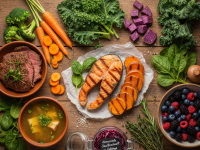
- **Most Fresh Vegetables:** Broccoli, cauliflower, carrots, bell peppers, zucchini, cucumber, leafy greens (except spinach), potatoes, sweet potatoes, pumpkin.
- **Certain Fruits:** Apples, pears, grapes, cherries, blueberries, cranberries, melons, mango.
- **Grains:** Rice, quinoa, gluten-free pasta, oats (ensure purity).
- **Dairy Alternatives:** Rice milk, oat milk, coconut milk (unsweetened, fresh).
- **Healthy Fats:** Olive oil, coconut oil.
- **Herbs:** Most fresh herbs and non-spicy spices (e.g., basil, oregano, thyme, rosemary).
Practical Tips for Navigating the Histamine Elimination Diet
Successfully managing a histamine elimination diet requires careful planning and consistency. Here are some practical tips to help you through the process:
Keep a Detailed Food and Symptom Diary
This is arguably the most crucial tool. Record everything you eat, the time of consumption, and any symptoms you experience, noting their severity and onset time. This data will be invaluable during the reintroduction phase and for your healthcare provider.
Focus on Freshness
Histamine levels in food increase over time. Opt for the freshest ingredients possible and consume meals immediately after preparation. Avoid leftovers unless they are frozen promptly after cooking.
Seek Professional Guidance
Working with a doctor or a registered dietitian specialized in food sensitivities is highly recommended. They can ensure you maintain nutritional adequacy, guide you through the reintroduction process safely, and help identify other potential underlying causes for your symptoms.
Stay Hydrated
Drinking plenty of fresh, filtered water is always beneficial for overall health and can help support detoxification processes in the body.
Prioritize Gut Health
Since DAO enzyme production is primarily in the gut, supporting gut health is paramount. Discuss probiotic use, gut-healing nutrients, and strategies to improve gut flora with your healthcare provider.
When to Seek Professional Medical Advice
While an elimination diet can be a powerful tool, it’s essential to approach it under medical supervision. If you suspect histamine intolerance, or experience severe symptoms, unexplained reactions, or struggle to implement the diet, consult with your doctor. They can rule out other serious conditions like food allergies, mast cell activation syndrome, or gastrointestinal disorders that present with similar symptoms.
Conclusion
Embarking on a histamine intolerance food elimination list journey requires patience and commitment, but it can be a profoundly rewarding path to understanding your body and alleviating chronic symptoms. By systematically identifying your triggers and adopting a personalized low-histamine diet, guided by healthcare professionals, you can significantly improve your quality of life. Remember, this is a process of discovery, leading to a deeper connection with your body’s unique needs.