Understanding Low Appetite in Seniors: Causes and Concerns
Low appetite, medically known as anorexia of aging, is a prevalent issue among older adults. It’s not merely a preference but often a symptom of underlying physical, psychological, or social factors that can significantly impact nutritional intake.
Common Causes of Reduced Appetite
- Medication Side Effects: Many prescription drugs can cause nausea, alter taste perception, or suppress appetite as a side effect.
- Diminished Taste and Smell: Sensory changes are a natural part of aging, making food less appealing and bland.
- Dental Problems: Missing teeth, ill-fitting dentures, or gum disease can make chewing painful and difficult, leading to avoidance of certain foods.
- Digestive Changes: Slower digestion, constipation, and feelings of early fullness can reduce the desire to eat.
- Chronic Diseases: Conditions like heart failure, kidney disease, cancer, and diabetes can impact metabolism and appetite.
- Depression and Loneliness: Mental health issues and social isolation often lead to a lack of interest in food and meal preparation.
- Reduced Physical Activity: A sedentary lifestyle decreases energy expenditure, which in turn can lower appetite.
- Hormonal Changes: Shifts in hormones that regulate hunger and satiety can contribute to decreased appetite.
The Dangers of Undernutrition
When seniors consistently consume fewer calories and nutrients than their bodies need, they risk developing undernutrition or malnutrition. The consequences can be severe:

- Weight Loss and Muscle Wasting: Loss of lean muscle mass (sarcopenia) leads to weakness, increased risk of falls, and reduced mobility.
- Weakened Immune System: Malnourished individuals are more susceptible to infections and have a harder time recovering from illness.
- Slowed Wound Healing: Adequate protein and nutrient intake are essential for tissue repair, making healing difficult.
- Fatigue and Low Energy: Lack of proper nutrition can lead to chronic tiredness, affecting quality of life and motivation.
- Increased Hospitalizations: Poor nutritional status is linked to longer hospital stays and higher rates of readmission.
- Cognitive Decline: Deficiencies in certain vitamins and minerals can impact brain function and exacerbate cognitive issues.
General Strategies to Boost Appetite and Nutrient Intake
Addressing low appetite requires a multi-faceted approach. Beyond just providing food, it involves understanding and adapting to the senior’s unique needs and preferences.
Focus on Nutrient Density
When appetite is low, every bite counts. The goal is to maximize calorie and nutrient intake in smaller portions. This means prioritizing foods rich in protein, healthy fats, vitamins, and minerals.
- Choose Whole Foods: Opt for lean proteins, whole grains, fruits, vegetables, and healthy fats.
- Fortify Foods: Naturally enhance the calorie and nutrient content of regular meals. Add extra virgin olive oil, butter, cheese, or cream to soups, mashed potatoes, and vegetables. Stir in protein powder into smoothies or oatmeal.
- Include Healthy Fats: Avocados, nuts, seeds, and olive oil provide concentrated calories and essential fatty acids.
Small, Frequent Meals
Large meals can be overwhelming and lead to early satiety. Instead, offer smaller, more manageable portions throughout the day.
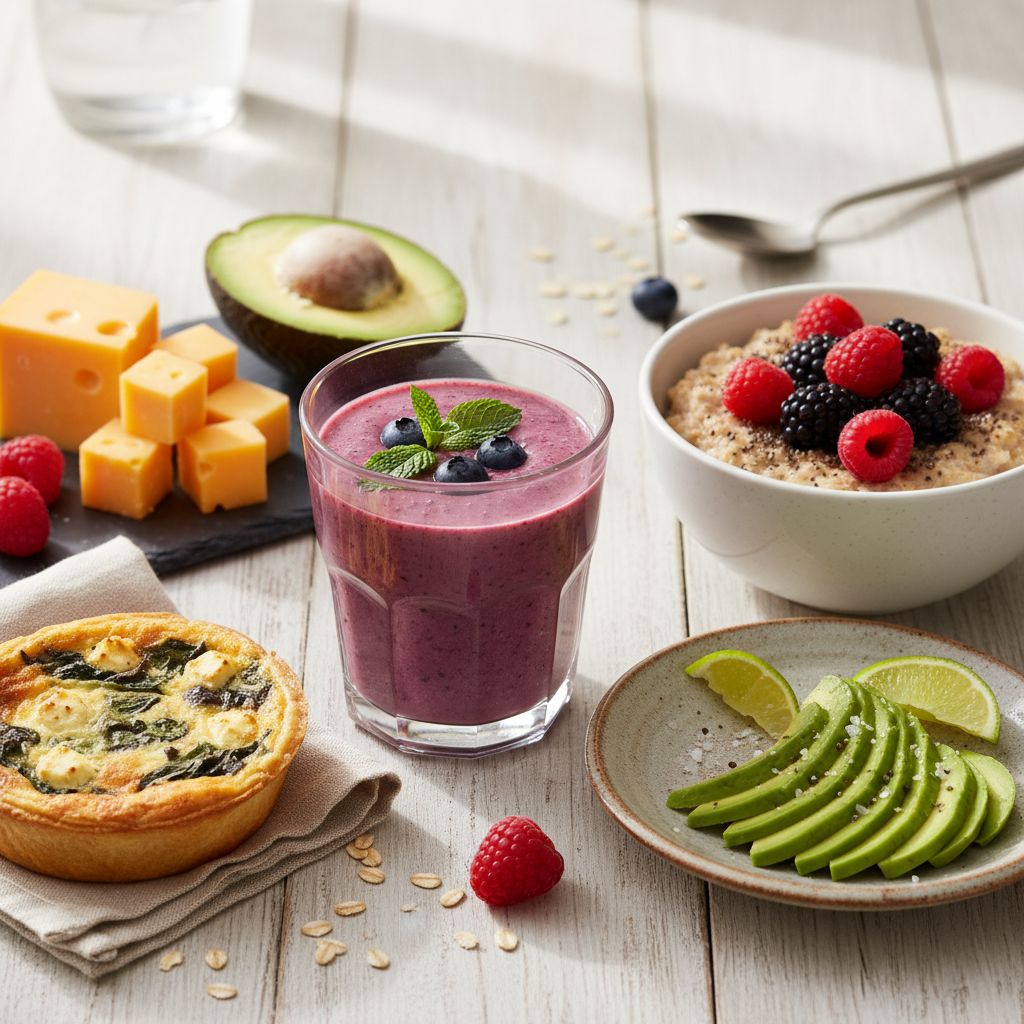
- Regular Schedule: Aim for 5-6 small meals or snacks every 2-3 hours. This can help stabilize blood sugar and prevent feelings of extreme hunger or fullness.
- Don’t Force It: If a senior isn’t hungry for a full meal, offer a nutrient-dense snack instead. The goal is consistent intake, not adherence to traditional meal times.
Make Mealtime Enjoyable
The environment and experience of eating can significantly influence appetite.
- Pleasant Atmosphere: Create a calm, relaxed dining setting. Avoid distractions like loud TV or arguments.
- Social Interaction: Eating with family or friends can stimulate appetite. If eating alone, consider virtual mealtime companions or engaging podcasts.
- Appealing Presentation: Food that looks good is more likely to be eaten. Use colorful plates, garnish dishes, and arrange food attractively.
- Flexibility: Allow seniors to eat when they feel hungry, even if it’s outside traditional meal times.
Hydration is Key
Dehydration can suppress appetite and lead to fatigue and confusion. Encourage fluid intake throughout the day, but be mindful of when fluids are consumed.
- Drink Between Meals: Encourage sips of water, juice, or broth between meals rather than with meals, as large amounts of liquid during meals can fill up the stomach too quickly.
- Nutrient-Rich Beverages: Offer fruit juices, milk, milkshakes, or protein drinks that contribute to calorie and nutrient intake.
Consider Liquid Nutrition and Fortified Foods
For seniors with very low appetite or difficulty chewing/swallowing, liquid nutrition and fortified foods can be invaluable.
- Smoothies and Shakes: Blend fruits, vegetables, yogurt, milk, protein powder, nut butter, and healthy oils for a concentrated nutrient boost.
- Soups and Broths: Creamy soups, especially those with added protein (e.g., pureed chicken, lentils), can be easy to consume.
- Puddings and Custards: These soft, palatable options can be fortified with milk powder, cream, or protein supplements.
- Meal Replacement Drinks: Consult with a healthcare professional about appropriate oral nutritional supplements if food intake remains consistently low.
Delicious and Healthy Meal Ideas for Seniors with Low Appetite
Here are practical and appealing meal suggestions, categorized by mealtime, focusing on palatability, ease of digestion, and nutrient density.
Breakfast Boosters
Breakfast is an excellent opportunity to get vital nutrients into a senior with low appetite. Focus on protein and easily digestible carbohydrates.
- Protein-Packed Smoothies: Blend Greek yogurt, a scoop of protein powder, berries, spinach, a banana, and a splash of milk or fortified almond milk. Add a tablespoon of nut butter or flax seeds for extra healthy fats and calories.
- Fortified Oatmeal: Cook oatmeal with milk instead of water. Stir in a tablespoon of protein powder (unflavored), a spoonful of nut butter, mashed fruit, and a sprinkle of cinnamon.
- Scrambled Eggs with Cheese: Soft, easy to chew, and packed with protein. Add a slice of melted cheese for extra calories and flavor. Serve with a small slice of whole-grain toast (crusts removed if preferred) and mashed avocado.
- Cottage Cheese with Fruit: A quick source of protein. Top with soft fruits like peaches, melon, or berries.
- Whole-Grain Pancakes/Waffles: Make them with milk and an egg. Serve with a light drizzle of maple syrup and some soft fruit compote.
Lunchtime Lift-Offs
Keep lunch light but nutritious, often focusing on soups, small sandwiches, or soft salads.
- Creamy Vegetable Soup: Blend cooked vegetables (carrots, sweet potato, butternut squash) with chicken or vegetable broth and a swirl of cream or coconut milk. Add shredded chicken or soft lentils for protein.
- Tuna or Chicken Salad Sandwich (Soft): Prepare tuna or chicken salad with mayonnaise or Greek yogurt. Serve on soft whole-wheat bread, miniature croissants, or whole-grain crackers.
- Mini Quiches or Frittatas: Individual portions of quiche with cheese, spinach, and diced soft vegetables are easy to eat and provide protein.
- Avocado and Egg Salad: A twist on traditional egg salad, using mashed avocado for creaminess and healthy fats. Serve with soft crackers.
- Yogurt Parfait: Layers of Greek yogurt, granola (ensure it’s soft enough), and various berries or sliced banana.
Dinner Delights
Dinner should be comforting and easy to manage, often featuring soft proteins and well-cooked vegetables.
- Baked Salmon or Cod: Flaky fish is easy to chew and digest. Serve with mashed sweet potatoes and well-steamed green beans or pureed peas.
- Shredded Chicken with Gravy: Slow-cooked or rotisserie chicken, shredded and served with a light gravy. Pair with mashed potatoes and pureed carrots.
- Shepherd’s Pie (Softened): A comforting classic with a mashed potato topping over a base of ground meat (beef, turkey, or lentils) and finely diced, well-cooked vegetables.
- Pasta with Creamy Sauce: Small pasta shapes (like orzo or ditalini) with a mild, creamy cheese sauce or a pureed tomato sauce. Add finely ground cooked meat or pureed vegetables for extra nutrition.
- Lentil or Bean Stew (Pureed/Softened): A hearty, fiber-rich option. Ensure lentils and vegetables are cooked until very soft or partially pureed for easier digestion.
Nutrient-Packed Snacks
Snacks are vital for supplementing nutrient intake between meals. They should be easy to grab and consume.
- Greek Yogurt: High in protein. Add a drizzle of honey, fruit puree, or a sprinkle of fortified cereal.
- Cheese Cubes or String Cheese: Excellent source of calcium and protein.
- Hard-Boiled Eggs: A portable, protein-rich snack.
- Nut Butter on Soft Crackers or Banana Slices: Peanut, almond, or cashew butter provides healthy fats and protein.
- Fruit Slices: Soft fruits like bananas, melon, peaches, or stewed apples.
- Pudding or Custard: Can be fortified with milk powder or protein supplement.
- Protein Bars: Choose soft, low-sugar options.
- Edamame (shelled, steamed): Easy to eat and a good source of plant-based protein.
Recipe Spotlight: Easy-to-Prepare and Palatable Dishes
Here are a few simple recipes that exemplify the principles of nutrient density and palatability for seniors with low appetite.
Creamy Chicken and Vegetable Puree
This dish is incredibly soft, easy to swallow, and packed with protein and vitamins.
Ingredients:
- 1 cooked chicken breast, shredded
- 1 cup cooked carrots, diced
- 1 cup cooked potatoes, diced
- 1/2 cup chicken broth (low sodium)
- 1/4 cup heavy cream or fortified milk (milk with added milk powder)
- 1 tablespoon unsalted butter
- Salt and white pepper to taste
Instructions:
- Combine shredded chicken, cooked carrots, and cooked potatoes in a blender or food processor.
- Add chicken broth, heavy cream (or fortified milk), and butter.
- Blend until smooth and creamy. If too thick, add more broth until desired consistency is reached.
- Season with salt and white pepper.
- Heat gently before serving.
Berry Blast Smoothie
A quick, refreshing, and nutrient-dense beverage.
Ingredients:
- 1 cup mixed berries (fresh or frozen)
- 1/2 cup Greek yogurt (plain or vanilla)
- 1/2 banana (fresh or frozen)
- 1/4 cup fortified milk (e.g., whole milk with 1 tbsp skim milk powder)
- 1 scoop unflavored protein powder (optional, but recommended)
- 1 tablespoon almond butter or flax seeds
- Ice (optional, for thicker consistency)
Instructions:
- Combine all ingredients in a blender.
- Blend until smooth and creamy. Add more milk if a thinner consistency is preferred.
- Serve immediately.
Lentil Soup (Softened)
A hearty and easily digestible soup rich in fiber and plant-based protein.
Ingredients:
- 1 tablespoon olive oil
- 1/2 onion, finely diced
- 1 carrot, finely diced
- 1 celery stalk, finely diced
- 2 cloves garlic, minced
- 1 cup red lentils, rinsed
- 4 cups vegetable broth (low sodium)
- 1/2 teaspoon dried thyme
- Salt and pepper to taste
- Optional: a swirl of cream or plain yogurt for serving
Instructions:
- Heat olive oil in a large pot over medium heat. Add onion, carrot, and celery. Cook until softened, about 5-7 minutes.
- Add minced garlic and cook for another minute until fragrant.
- Stir in rinsed lentils, vegetable broth, and thyme. Bring to a boil, then reduce heat, cover, and simmer for 25-30 minutes, or until lentils are very soft.
- For an even smoother consistency, use an immersion blender to partially or fully puree the soup directly in the pot.
- Season with salt and pepper to taste.
- Serve warm, with an optional swirl of cream or plain yogurt.
Practical Tips for Caregivers and Family Members
Supporting a senior with low appetite requires patience, observation, and proactive strategies.
- Involve Seniors in Meal Prep: If possible, allow them to choose foods, help with light tasks, or even set the table. This can give them a sense of control and stimulate interest.
- Monitor Weight and Intake: Keep a simple food diary to track what they eat and drink, and regularly monitor their weight. This helps identify patterns and potential issues early.
- Be Patient and Understanding: Mealtimes should be positive experiences, not sources of stress or conflict. Avoid nagging or pressuring them to eat more than they feel comfortable with.
- Keep Favorites on Hand: Have a selection of their preferred nutrient-dense foods readily available.
- Offer Finger Foods: For those with limited mobility or dexterity, small, easy-to-handle finger foods can encourage independent eating.
- Limit “Empty Calories”: While calories are important, avoid filling up on foods that offer little nutritional value (e.g., sugary drinks, chips) unless used strategically as an appetite stimulant.
- Consult Healthcare Professionals: Regular communication with doctors, dietitians, or nutritionists is vital. They can help identify underlying causes, recommend specific dietary modifications, or suggest appetite stimulants or supplements if necessary. A registered dietitian can provide personalized nutrition assessments and meal plans tailored to the senior’s specific health conditions and needs.
- Explore Adaptive Equipment: Special utensils, plates, or cups can make eating easier for seniors with tremors or limited range of motion.
FAQs (Frequently Asked Questions)
What are the best foods for elderly people with no appetite?
The best foods are nutrient-dense, easy to chew and swallow, and appealing in taste and presentation. Examples include fortified smoothies, Greek yogurt, scrambled eggs, mashed potatoes with added butter/cream, pureed soups, soft cooked fish, shredded chicken, and soft fruits.
How can I make food more appealing for seniors?
Enhance flavor with herbs and spices (avoiding excessive salt), offer small portions beautifully presented on colorful plates, create a pleasant dining environment, and ensure food is the right temperature. Experiment with different textures and consistencies, and always consider their personal preferences.
Should I use nutritional supplements for seniors with low appetite?
Oral nutritional supplements (like fortified shakes or drinks) can be beneficial, especially if a senior’s food intake is consistently low and they are losing weight. However, it’s crucial to consult a doctor or registered dietitian before introducing supplements, as they can help determine the most appropriate type and dosage.
Are there any foods seniors with low appetite should avoid?
Seniors with low appetite should generally avoid foods that fill them up quickly without providing much nutrition, such as excessive sugary drinks, high-fiber raw vegetables (if difficult to digest), or very spicy/acidic foods if they cause discomfort. Dry, hard, or difficult-to-chew foods should also be limited if dental issues are present.
How often should seniors with low appetite eat?
It’s generally recommended for seniors with low appetite to eat small, frequent meals and snacks, typically 5-6 times a day, every 2-3 hours. This approach is less overwhelming and helps maintain consistent nutrient intake throughout the day.
Managing low appetite in seniors is a journey that requires compassion, creativity, and consistent effort. By understanding the underlying causes, implementing smart feeding strategies, and offering appealing, healthy meals for seniors with low appetite, caregivers and family members can significantly improve the nutritional status and overall quality of life for their loved ones. Remember, professional guidance from a healthcare provider or dietitian is always invaluable in tailoring the best approach.