Why Opt for a Healthy Low-Fat Stir Fry?
In our fast-paced world, finding meals that are both quick to prepare and beneficial for our health is a constant challenge. Stir-frying stands out as an ideal cooking method, but often, conventional recipes can be heavy on oil and sodium. Embracing a low-fat approach doesn’t mean sacrificing taste; it means being strategic with your ingredients and cooking methods.
- Health Benefits: A well-executed low-fat stir fry is packed with vitamins, minerals, and fiber from an abundance of fresh vegetables. By minimizing unhealthy fats, you reduce calorie intake and promote heart health, making it an excellent choice for weight management and overall wellness.
- Time Efficiency: Stir-frying is inherently fast. With proper mise en place (everything in its place), a delicious meal can be on the table in under 30 minutes.
- Versatility: The beauty of stir fry lies in its adaptability. You can easily swap proteins, vegetables, and even sauces based on what you have on hand or what’s in season, ensuring you never get bored.
The Core Components of a Flavorful, Low-Fat Stir Fry
Every exceptional stir fry is built upon a foundation of key elements working in harmony. To achieve maximum flavor with minimum fat, we’ll focus on:
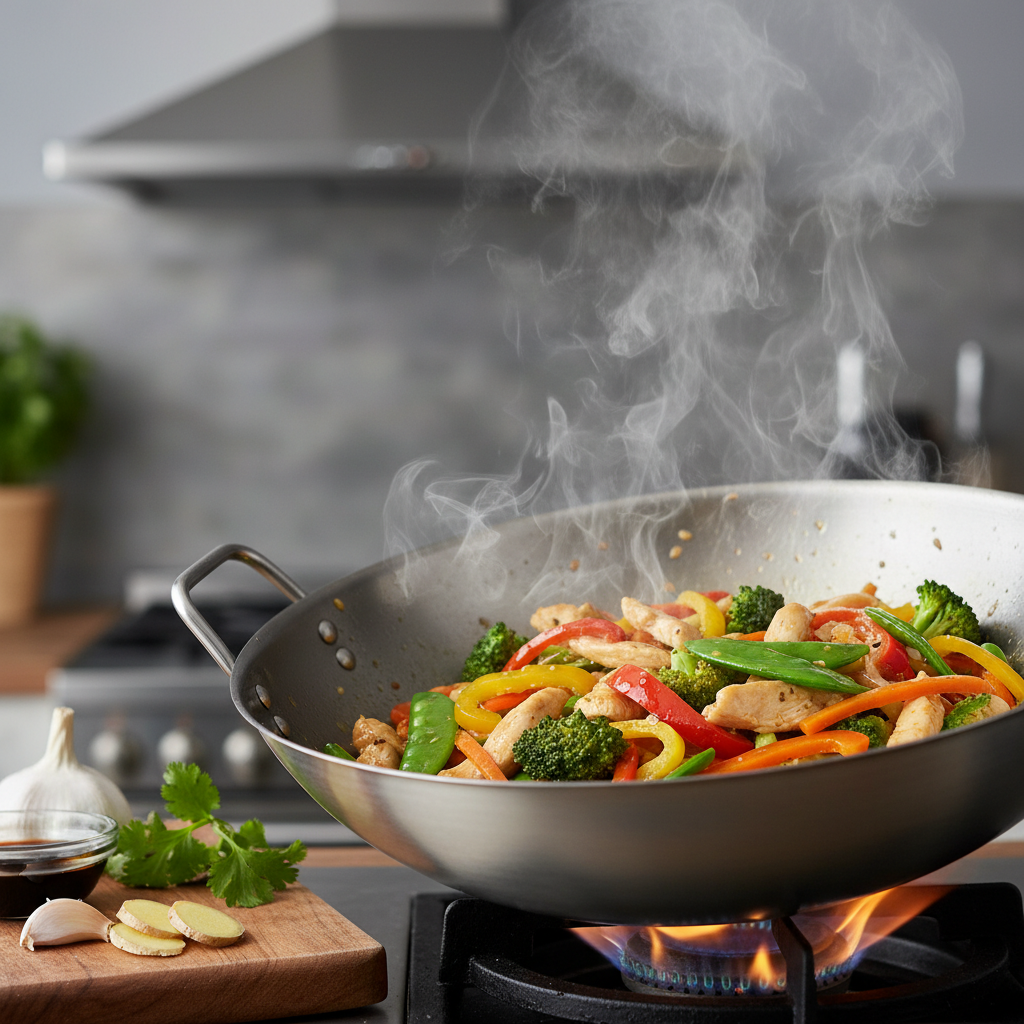
- Lean Proteins: The foundation of a satisfying meal.
- Vibrant Vegetables: For texture, color, and nutrition.
- Aromatics: The unsung heroes of flavor depth.
- The Perfect Low-Fat Sauce: The heart and soul of your stir fry.
- Minimal, Strategic Fat: Using just enough for cooking, or none at all.
Mastering Your Protein Choice: Lean & Mean
Choosing the right protein is crucial for a healthy, low-fat stir fry. Focus on options that are naturally lean and cook quickly.
- Chicken Breast: A classic for a reason. Cut into thin strips or small cubes for quick cooking. Marinate briefly for extra tenderness and flavor.
- Shrimp: Super fast-cooking and low in fat. Shrimp absorb flavors beautifully, making them perfect for stir fry. Ensure they are deveined.
- Tofu or Tempeh: Excellent plant-based options. Extra-firm tofu pressed well (to remove excess water) will achieve a better texture. Tempeh offers a nuttier flavor and firmer bite. Marinate generously.
- Lean Beef (Sirloin, Flank Steak): If using beef, choose lean cuts and slice them thinly against the grain for tenderness. A quick marinade with a touch of cornstarch can help keep them juicy.
- Fish (Cod, Tilapia): Delicate white fish can be stir-fried carefully. Add it towards the end of cooking to prevent it from flaking apart.
Chef’s Tip: Always marinate your protein, even for just 15-20 minutes. A simple marinade of low-sodium soy sauce (or tamari/coconut aminos), a touch of ginger, garlic, and a teaspoon of cornstarch can make a huge difference in flavor and moisture retention.
The Vibrant World of Vegetables: Crunch, Color, and Nutrients
This is where your stir fry truly shines in both nutrition and visual appeal. Don’t be shy; load up on a variety of colors and textures.
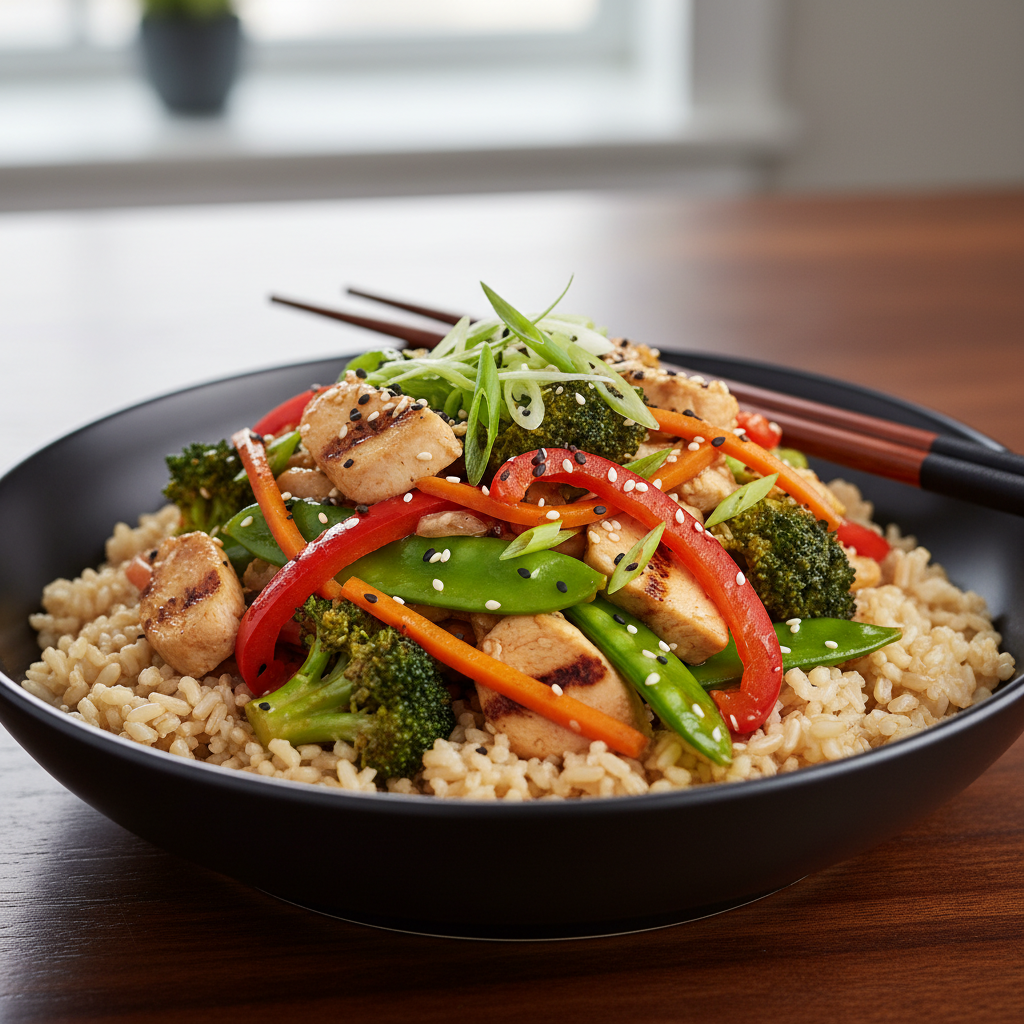
- Cruciferous Vegetables: Broccoli florets, cauliflower, bok choy, napa cabbage – packed with nutrients and retain a nice bite.
- Bell Peppers: Red, yellow, orange, green – for sweetness, color, and vitamin C.
- Snap Peas & Snow Peas: Offer a satisfying crunch and delicate sweetness.
- Carrots: Thinly sliced or julienned for sweetness and a pop of orange.
- Mushrooms: Cremini, shiitake, oyster mushrooms add umami depth.
- Onions & Scallions: Essential aromatics that add sharp, sweet notes.
- Green Beans: Crisp and fresh.
- Baby Corn & Water Chestnuts: For unique texture and a slight sweetness.
Chef’s Tip: Cut vegetables into uniform, bite-sized pieces to ensure even cooking. Harder vegetables (carrots, broccoli stems) should be added earlier, while softer ones (spinach, bean sprouts) go in last.
The Secret is in the Sauce: Flavor Without the Fat
This is arguably the most critical component for achieving “maximum flavor” in a low-fat stir fry. The sauce needs to be bold, balanced, and vibrant without relying on heavy oils or cream. Avoid pre-made sauces that are often loaded with sugar, sodium, and unhealthy fats.
Key Flavor Builders:
- Aromatics: Fresh ginger, garlic, and chili (fresh or dried flakes) are non-negotiable. Sauté these briefly at the beginning to infuse the entire dish with their potent flavors.
- Low-Sodium Soy Sauce (or Alternatives): Essential umami. Use tamari for gluten-free or coconut aminos for a soy-free, lower-sodium option.
- Broth: Chicken, vegetable, or mushroom broth adds liquid and depth without fat. Use it to deglaze the pan and create volume for your sauce.
- Vinegar: Rice vinegar, white wine vinegar, or even a splash of apple cider vinegar adds a bright, tangy counterpoint that cuts through richness and enhances other flavors.
- Sweeteners (in moderation): A tiny amount of honey, maple syrup, or a natural sugar substitute can balance the saltiness and acidity.
- Sesame Oil: A few drops of toasted sesame oil added *at the very end* of cooking provides immense flavor without adding significant fat or calories. It’s a finishing oil, not a cooking oil.
- Spices & Herbs: White pepper, a pinch of five-spice powder, or fresh cilantro can elevate your stir fry.
- Thickening Agent: A cornstarch slurry (1 tablespoon cornstarch mixed with 2 tablespoons cold water) is your best friend for achieving that glossy, restaurant-style sauce without heavy cream. Add it at the end to thicken the sauce to your desired consistency.
A Basic Low-Fat Stir Fry Sauce Formula:
Whisk together:
- 1/4 cup low-sodium soy sauce (or alternative)
- 1/4 cup chicken or vegetable broth
- 1-2 tablespoons rice vinegar
- 1-2 teaspoons honey or maple syrup (optional, to taste)
- 1-2 teaspoons grated fresh ginger
- 1-2 cloves minced garlic
- 1/4 teaspoon white pepper
- Pinch of red pepper flakes (optional)
- 1 tablespoon cornstarch slurry (prepare just before adding to the hot pan)
Oil Control: Minimizing Fat While Maximizing Sizzle
This is where the “low-fat” aspect really comes into play. You don’t need a lot of oil to achieve a great stir fry.
- Use a Non-Stick Wok or Skillet: A good quality non-stick surface can drastically reduce the need for oil.
- Measure Your Oil: Instead of pouring freely, measure out just 1-2 teaspoons of a high-smoke-point oil (like avocado oil, grapeseed oil, or peanut oil if you prefer the flavor) for the entire stir fry.
- Broth as a Lubricant: Instead of adding more oil when things start to stick, pour in a tablespoon or two of broth. It will create steam, help deglaze the pan, and keep ingredients moving without adding fat.
- High Heat, Quick Cooking: The essence of stir-frying is very high heat for very short periods. This prevents sticking even with minimal oil and gives vegetables that desirable crisp-tender texture.
- No Oil Cooking: For truly oil-free, you can start with a splash of broth or water in a hot non-stick pan to sauté aromatics.
Essential Stir-Fry Techniques for Success
Even with the best ingredients, proper technique is paramount.
- Mise en Place (Everything in its Place): This cannot be stressed enough. Stir-frying is fast; once you start, there’s no time to chop. Have all your ingredients prepped, sauces mixed, and ready to go.
- High Heat is Key: Preheat your wok or large skillet over high heat until it just begins to smoke. This sears ingredients quickly and prevents them from steaming or getting soggy.
- Don’t Overcrowd the Pan: This is a common mistake. Overcrowding lowers the pan’s temperature, leading to steamed, rather than stir-fried, ingredients. Cook in batches if necessary, especially with protein.
- Add Ingredients in Stages: Start with aromatics (ginger, garlic). Then add harder vegetables, followed by proteins, and finally softer vegetables.
- Keep it Moving: The term “stir fry” is literal. Keep ingredients constantly moving in the pan to ensure even cooking and prevent sticking.
- Add Sauce Last: Pour your pre-mixed sauce over the cooked ingredients and toss quickly until it thickens and coats everything evenly. Finish with a drizzle of toasted sesame oil and fresh herbs.
Building Your Perfect Low-Fat Stir Fry: A Step-by-Step Guide
Here’s a general sequence to follow for a foolproof, flavorful low-fat stir fry:
- Prep Everything: Slice protein, chop vegetables, mince aromatics, mix your sauce.
- Heat the Wok: Place your wok or large skillet over high heat until it’s very hot.
- Add Minimal Oil (Optional): If using, add 1-2 teaspoons of high-smoke-point oil. Swirl to coat. If going oil-free, add a splash of broth.
- Sauté Aromatics: Add ginger, garlic, and chili flakes (if using). Stir-fry for 30 seconds until fragrant.
- Cook Protein: Add your marinated protein. Stir-fry until cooked through and lightly browned. Remove from the wok and set aside. (Cook in batches if needed).
- Stir-Fry Harder Vegetables: Add vegetables like carrots, broccoli, bell peppers. Stir-fry for 2-3 minutes, adding splashes of broth if they start to stick.
- Add Softer Vegetables: Incorporate ingredients like mushrooms, snow peas, or bok choy. Stir-fry for another 1-2 minutes until crisp-tender.
- Return Protein to Wok: Add the cooked protein back into the wok with the vegetables.
- Pour in Sauce: Give your pre-mixed sauce (with the cornstarch slurry) a final whisk and pour it over everything in the wok.
- Toss and Thicken: Stir continuously for 30 seconds to 1 minute, allowing the sauce to thicken and coat all ingredients.
- Finish: Remove from heat. Drizzle with a few drops of toasted sesame oil and garnish with chopped scallions or fresh cilantro. Serve immediately over brown rice, quinoa, or cauliflower rice for an even healthier meal.
Tips for Customization and Meal Prep
- Vary Your Grains: Instead of white rice, try brown rice, wild rice, quinoa, or even cauliflower rice for extra fiber and nutrients.
- Spice It Up: Add more fresh chili, a dash of sriracha, or a pinch of red pepper flakes to the sauce for extra heat.
- Nutty Crunch: A sprinkle of chopped peanuts or cashews (lightly toasted, in moderation) can add a delightful texture contrast.
- Meal Prep Friendly: Stir-fries are excellent for meal prep. Cook a larger batch and portion it into containers for healthy lunches or dinners throughout the week. The flavors often deepen overnight.
- Experiment with Sauces: Once you master the basic formula, try adding a squeeze of lime juice, a spoon of peanut butter (for a low-fat peanut sauce), or different types of vinegar.
Common Pitfalls to Avoid
- Overcooking Vegetables: This leads to mushy, unappetizing textures and loss of nutrients. Aim for crisp-tender.
- Under-seasoning: A low-fat stir fry relies heavily on bold flavors from aromatics and a well-balanced sauce. Taste and adjust.
- Using Too Much Oil: The quickest way to negate the “low-fat” aspect. Be judicious.
- Not Prepping Ahead: Rushing the prep leads to chaotic cooking and potentially burnt ingredients.
Embrace the Healthy & Flavorful Stir Fry
Creating a healthy low-fat stir fry with maximum flavor is an art that combines thoughtful ingredient selection with efficient cooking techniques. By focusing on lean proteins, abundant vegetables, a vibrant homemade sauce, and minimal oil, you can consistently produce delicious, nutritious meals that satisfy your cravings without compromising your health goals. Experiment with different combinations, trust your instincts, and enjoy the journey of becoming a stir-fry master in your own kitchen!