Understanding Bloating: What’s Happening Inside?
Bloating is a sensation of fullness, tightness, or swelling in the abdomen, often accompanied by visible distension. It’s a common symptom, not a disease, and usually stems from an accumulation of gas in the gastrointestinal (GI) tract. While sometimes a sign of an underlying medical condition, more often it’s related to diet and lifestyle.
Common Causes of Bloating
- Dietary Choices: Certain foods are notorious for causing gas and bloating. These include high-FODMAP foods (Fermentable Oligosaccharides, Disaccharides, Monosaccharides, and Polyols), excessive fiber intake (especially if increased too quickly), artificial sweeteners, and carbonated beverages.
- Eating Habits: Eating too quickly, not chewing food properly, or talking while eating can lead to swallowing excess air, which then gets trapped in the digestive system.
- Gut Microbiome Imbalance (Dysbiosis): An overgrowth of certain bacteria, or an imbalance between beneficial and harmful bacteria in the gut, can produce more gas during digestion.
- Food Intolerances and Sensitivities: Conditions like lactose intolerance, gluten sensitivity, or celiac disease can cause significant bloating after consuming trigger foods.
- Constipation: Irregular bowel movements can lead to a build-up of stool and gas, contributing to bloating.
- Stress and Anxiety: The gut-brain axis is powerful. Stress can alter gut motility, increase sensitivity, and change the composition of gut bacteria.
- Hormonal Fluctuations: Many women experience bloating around their menstrual cycle due to hormonal changes, particularly increased progesterone levels.
- Underlying Medical Conditions: While less common, conditions such as Irritable Bowel Syndrome (IBS), Small Intestinal Bacterial Overgrowth (SIBO), Crohn’s disease, or diverticulitis can manifest with chronic bloating.
The Pillars of a Gut-Friendly Diet for Bloating Relief
Adopting a gut-friendly diet isn’t about deprivation; it’s about making smart, informed choices that support your digestive system. Here are the fundamental principles:
Emphasis on Whole, Unprocessed Foods
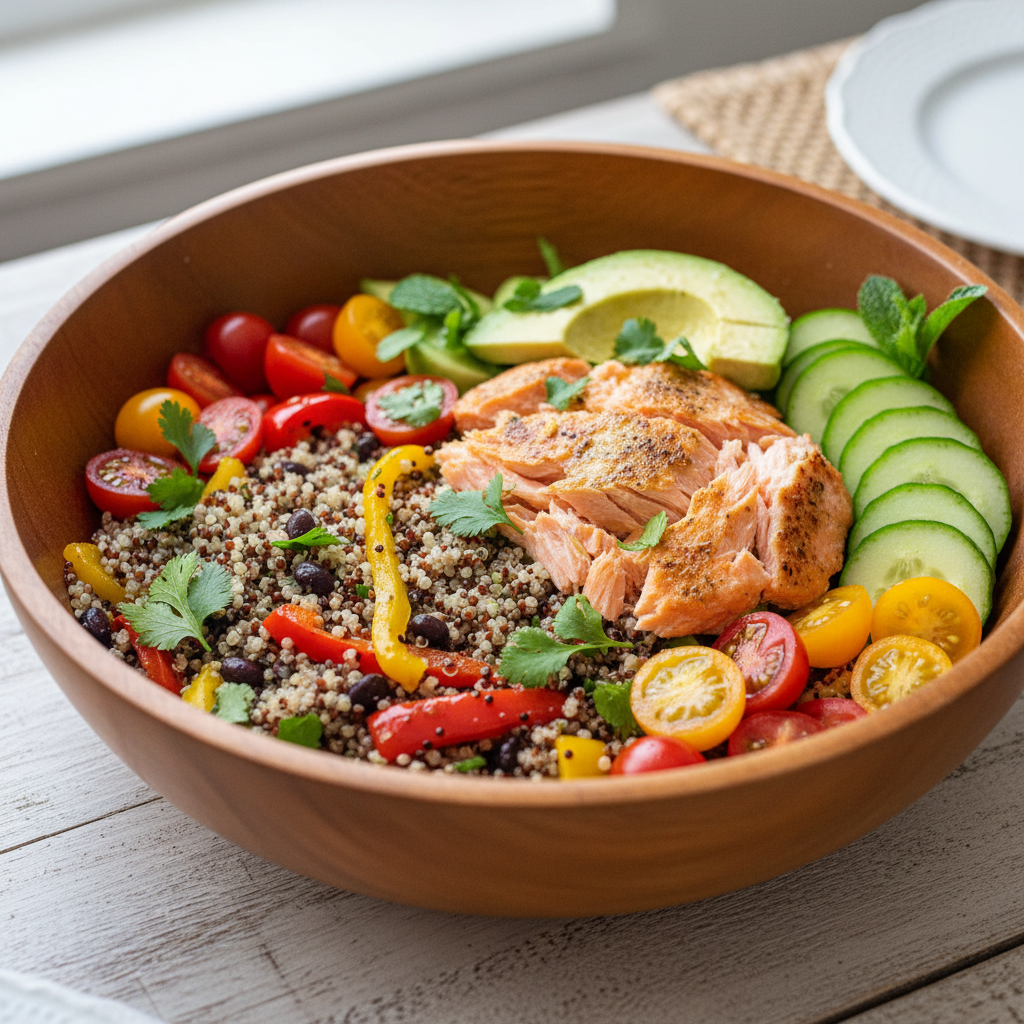
Highly processed foods often contain artificial ingredients, unhealthy fats, excessive sugar, and sodium, all of which can irritate the gut and contribute to inflammation and bloating. Prioritize whole foods like fresh fruits, vegetables, lean proteins, and whole grains, which are rich in natural nutrients and fiber.
The Role of Fiber: Soluble vs. Insoluble
Fiber is crucial for digestive health, but the type and amount matter. When it comes to managing bloating, a balanced approach is key.
- Soluble Fiber: Dissolves in water to form a gel-like substance, slowing digestion and helping regulate blood sugar. It can be particularly soothing for an irritated gut and can help firm up loose stools, contributing to bloating relief. Sources include oats, apples, pears, psyllium, and legumes (in moderation for sensitive guts).
- Insoluble Fiber: Adds bulk to stool and helps food pass more quickly through the digestive system, preventing constipation. While essential, too much insoluble fiber, especially from raw vegetables, can sometimes worsen bloating for sensitive individuals. Sources include whole grains, nuts, seeds, and the skins of many fruits and vegetables.
The goal is to gradually increase fiber intake and ensure a good mix of both types, listening to your body’s response.

Probiotics: The Gut’s Best Friends
Probiotics are live microorganisms, mainly bacteria and yeasts, that provide health benefits when consumed, particularly for the digestive system. They help maintain a healthy balance of gut bacteria, aiding digestion and potentially reducing gas and bloating.
- Fermented Foods: Incorporate probiotic-rich foods like plain Greek yogurt, kefir, sauerkraut, kimchi, tempeh, and kombucha. Start with small portions to see how your body reacts.
Prebiotics: Fuel for Healthy Gut Bacteria
Prebiotics are non-digestible fiber compounds that feed the beneficial bacteria in your gut. They act as fertilizer for your probiotics, helping them thrive. Many prebiotic-rich foods, however, can also be high-FODMAP, so moderation and careful selection are important for those prone to bloating.
- Sources (use cautiously if sensitive): Onions, garlic, leeks, asparagus, bananas, oats, apples. Lower-FODMAP options include unripe bananas, oats, and some root vegetables.
Hydration is Key
Drinking enough water is fundamental for preventing constipation, which is a common cause of bloating. Water helps soften stool, allowing it to pass more easily through the digestive tract. Aim for at least 8 glasses of water a day, and consider herbal teas that aid digestion.
Mindful Eating Practices
How you eat is almost as important as what you eat. Slow down, chew your food thoroughly, and avoid distractions during meals. This allows your digestive system to work more efficiently and reduces the amount of air you swallow.
Top Gut-Friendly Meal Options for Bloating Relief
Let’s dive into specific meal ideas that are kind to your gut and designed to minimize bloating.
Breakfast Ideas for a Happy Gut
- Overnight Oats with Berries and Chia Seeds: Rolled oats are a good source of soluble fiber, and soaked overnight, they become easier to digest. Berries (like blueberries or raspberries) are low in FODMAPs and high in antioxidants. Chia seeds add omega-3s and gentle fiber. Use unsweetened almond or lactose-free milk.
- Smoothie Bowls with Spinach and Low-FODMAP Fruits: Blend spinach, half a banana, a handful of blueberries, a scoop of lactose-free protein powder, and unsweetened almond milk. Top with a sprinkle of pumpkin seeds for extra nutrients and fiber.
- Scrambled Eggs with Sautéed Spinach and Turmeric: Eggs are an easily digestible protein. Spinach is low in FODMAPs and packed with nutrients. Turmeric is a potent anti-inflammatory spice known to soothe the gut.
- Gluten-Free Toast with Avocado and Poached Egg: Avocado provides healthy fats and gentle fiber. Opt for a gluten-free bread if you suspect gluten sensitivity is contributing to your bloating.
Lunch Solutions: Light, Lean, and Liberating
- Quinoa Salad with Roasted Chicken and Mixed Greens: Quinoa is a complete protein and a gluten-free grain that is generally well-tolerated. Combine it with lean roasted chicken or chickpeas (if tolerated), cucumber, bell peppers, and a light lemon-tahini dressing.
- Lentil Soup (Well-Cooked): While legumes can sometimes cause gas, well-cooked red or yellow lentils are often easier to digest. Make a simple soup with carrots, celery (in moderation), and ginger for an extra digestive boost. Ensure to soak and rinse lentils thoroughly if preparing from dry.
- Baked Salmon with Steamed Asparagus and Brown Rice: Salmon is rich in anti-inflammatory omega-3 fatty acids. Steamed asparagus (small portions) and brown rice provide gentle fiber and energy.
- Turkey and Cucumber Wraps: Use large lettuce leaves or low-carb/gluten-free wraps instead of traditional bread. Fill with lean turkey breast, sliced cucumber, shredded carrots, and a light mustard or a small amount of low-FODMAP hummus.
Dinner Delights: Soothing Meals for Evening Comfort
- Baked Cod or Tilapia with Roasted Root Vegetables: White fish is incredibly lean and easy to digest. Pair it with roasted carrots, parsnips, and sweet potatoes, which are generally well-tolerated and provide complex carbohydrates. Season with herbs like thyme or rosemary.
- Turmeric Ginger Chicken and Rice Bowl: Marinate chicken breast in turmeric, ginger, and a hint of olive oil. Bake or pan-fry, then serve with plain white rice (which is low in fiber and easily digested) and a side of sautéed zucchini or bok choy.
- Vegetable Stir-fry with Tofu/Chicken: Use low-FODMAP vegetables like bell peppers, carrots, zucchini, bean sprouts, and spinach. Sauté with a light soy sauce (gluten-free tamari), ginger, and garlic-infused olive oil (to get flavor without the fructans). Add baked tofu or lean chicken for protein.
- Bone Broth Based Soups: Bone broth is renowned for its gut-healing properties. Make a simple soup with bone broth, shredded chicken, rice noodles, and a variety of well-cooked, low-FODMAP vegetables like carrots and spinach.
Snacks That Soothe, Not Swell
- Small Handful of Almonds or Walnuts: Provides healthy fats and protein, but in moderation, as too many nuts can sometimes be hard on the digestive system.
- Plain Greek Yogurt (Lactose-Free if needed): A great source of probiotics and protein.
- Rice Cakes with Sliced Cucumber and Dill: A simple, low-fiber snack that can be satisfying without causing gas.
- A Small Apple or Pear with Skin Peeled: Peeling the skin reduces insoluble fiber, making it gentler.
- Hard-Boiled Egg: An excellent source of easily digestible protein.
Foods to Limit or Avoid When Prone to Bloating
While individual triggers vary, certain foods are common culprits for bloating:
- High-FODMAP Foods: These include certain fruits (apples, pears, mangoes, cherries), vegetables (onions, garlic, broccoli, cauliflower, cabbage), legumes (beans, lentils in large quantities), wheat, rye, dairy products high in lactose, and artificial sweeteners (sorbitol, mannitol).
- Carbonated Beverages: The bubbles introduce gas into your digestive system.
- Artificial Sweeteners: Often found in diet drinks and sugar-free products, these can cause gas and diarrhea in sensitive individuals.
- Excessive Salt: Can lead to water retention, which may feel like bloating.
- Cruciferous Vegetables (Raw): While nutritious, raw broccoli, cauliflower, and cabbage can be challenging to digest due to their complex sugars. Cooking them thoroughly can make them easier to tolerate.
- Highly Processed Foods: Often contain various additives, unhealthy fats, and sugars that can irritate the gut.
Incorporating Anti-Inflammatory Ingredients
Certain herbs and spices possess natural anti-inflammatory and carminative (gas-reducing) properties that can be excellent additions to your gut-friendly meals.
- Ginger: Known to relax the muscles of the digestive tract and speed up gastric emptying. Add fresh ginger to stir-fries, teas, or smoothies.
- Turmeric: A powerful anti-inflammatory agent. Incorporate it into curries, scrambles, or golden milk.
- Peppermint: Can soothe the digestive tract and relieve spasms. Peppermint tea is excellent after meals.
- Fennel: Has carminative properties that help expel gas. Fennel seeds can be chewed after meals, or you can add sliced fennel to salads or roasted dishes.
- Chamomile: A gentle anti-inflammatory that can relax muscles and reduce gut spasms. Chamomile tea is perfect before bed.
Beyond Food: Lifestyle Factors for Bloating Relief
Diet is crucial, but it’s part of a larger picture of gut health. Integrating these lifestyle changes can significantly amplify your efforts to achieve bloating relief:
- Stress Management: The gut-brain connection means stress can directly impact digestion. Practices like meditation, yoga, deep breathing exercises, and spending time in nature can help calm your nervous system and your gut.
- Regular Exercise: Physical activity stimulates gut motility, helping to move gas and stool through the digestive system. Even a daily walk can make a difference.
- Adequate Sleep: Lack of sleep can disrupt gut hormones and inflammatory responses, potentially worsening digestive issues. Aim for 7-9 hours of quality sleep per night.
- Mindful Chewing: As mentioned, slow down and chew each bite thoroughly. This aids mechanical digestion and reduces swallowed air.
- Stay Hydrated: Drinking plenty of water throughout the day (not just during meals) helps prevent constipation and supports overall digestive function. Consider warm water with lemon in the morning.
Sample 3-Day Gut-Friendly Meal Plan for Bloating Relief
Here’s a sample plan to get you started on your journey to digestive comfort with gut friendly meal options for bloating relief. Remember to adjust portion sizes and specific foods based on your individual tolerance.
Day 1
- Breakfast: Overnight oats (gluten-free rolled oats, unsweetened almond milk, chia seeds, a few blueberries).
- Lunch: Quinoa salad with baked chicken, cucumber, bell peppers, and a lemon-olive oil dressing.
- Dinner: Baked cod with roasted carrots and parsnips, seasoned with dill and lemon.
- Snack: Small handful of almonds.
Day 2
- Breakfast: Scrambled eggs with sautéed spinach and a sprinkle of turmeric.
- Lunch: Small bowl of well-cooked red lentil soup with ginger.
- Dinner: Turkey and zucchini stir-fry (using garlic-infused olive oil) with white rice.
- Snack: Plain lactose-free Greek yogurt.
Day 3
- Breakfast: Smoothie: Spinach, half a banana, a small scoop of protein powder, unsweetened almond milk.
- Lunch: Large mixed green salad with baked salmon, sliced avocado, and a light vinaigrette.
- Dinner: Chicken and rice noodle soup with bone broth, shredded chicken, and bok choy.
- Snack: Rice cakes with cucumber slices.
When to Seek Professional Advice
While dietary and lifestyle changes can bring significant relief, it’s important to know when to consult a healthcare professional. If your bloating is severe, persistent, worsens, or is accompanied by other concerning symptoms like unexplained weight loss, severe abdominal pain, blood in stool, persistent diarrhea, or vomiting, please seek medical attention. These could be signs of a more serious underlying condition that requires diagnosis and treatment.
Frequently Asked Questions (FAQs)
What are the best drinks for bloating relief?
Water is always the best choice. Herbal teas like peppermint, ginger, fennel, and chamomile are excellent for soothing the digestive tract and reducing gas. Avoid carbonated drinks, sugary beverages, and excessive coffee.
Can stress cause bloating?
Absolutely. The gut-brain axis is highly interconnected. Stress can alter gut motility, increase sensitivity to pain, and even change the composition of your gut microbiome, all of which can contribute to bloating and other digestive issues.
How quickly can I expect relief from a gut-friendly diet?
Some individuals may experience relief within a few days of implementing gut-friendly meal options, especially if they cut out a major trigger food. For others, it might take a few weeks to notice significant improvements as the gut microbiome adjusts. Consistency is key.
Is it okay to eat fruit if I’m bloated?
Yes, but choose wisely. Some fruits are high in FODMAPs and can exacerbate bloating. Opt for low-FODMAP fruits like blueberries, raspberries, strawberries, oranges, grapes, and small portions of unripe bananas. Peeling fruits like apples can also make them easier to digest for some.
What is the FODMAP diet and should I try it?
The Low-FODMAP diet is a temporary eating plan that limits foods high in fermentable carbohydrates. It’s often used to manage symptoms of IBS, including bloating. It involves an elimination phase followed by a reintroduction phase. It’s highly recommended to undertake the FODMAP diet under the guidance of a registered dietitian to ensure nutritional adequacy and proper reintroduction.
Conclusion
Embracing gut friendly meal options for bloating relief is a powerful strategy for anyone seeking lasting digestive comfort and improved overall well-being. By focusing on whole, unprocessed foods, incorporating probiotics and prebiotics thoughtfully, prioritizing hydration, and adopting mindful eating habits, you can significantly reduce abdominal discomfort. Remember that individual responses to food can vary, so listening to your body and making gradual changes is crucial. With patience and consistency, you can cultivate a healthier gut, reduce bloating, and enjoy a life of greater digestive ease and vitality.