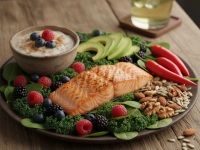
Deciding to reduce or eliminate caffeine from your diet is a commendable step towards better health, but the journey can sometimes be challenging. Many individuals experience uncomfortable symptoms like headaches, fatigue, and irritability, often referred to as caffeine withdrawal. While these symptoms are temporary, they can be intense enough to make you reconsider your decision. The good news is that your diet can play a crucial role in mitigating these effects. By strategically incorporating specific foods for caffeine withdrawal, you can support your body through the transition, replenish essential nutrients, stabilize energy levels, and even improve your mood. This comprehensive guide will explore the best dietary strategies to make your caffeine detox smoother and more manageable, transforming a potentially difficult period into an opportunity for nutritional revitalization.
Understanding Caffeine Withdrawal and Why Food Matters
Caffeine is a stimulant that affects your central nervous system, creating a temporary feeling of alertness and energy by blocking adenosine, a neurotransmitter that promotes relaxation and sleep. When you regularly consume caffeine, your brain adapts by creating more adenosine receptors. If you suddenly stop or significantly reduce your intake, these extra receptors are no longer blocked, leading to an overstimulation of adenosine and a sudden dip in stimulating neurotransmitters. This imbalance is what triggers the uncomfortable symptoms of caffeine withdrawal.

Common symptoms include:
- Headaches: Often described as throbbing, a result of blood vessels in the brain constricting due to the absence of caffeine.
- Fatigue and Drowsiness: Your body re-regulates its natural energy levels.
- Irritability and Mood Swings: Caffeine withdrawal can impact neurotransmitters like dopamine and serotonin.
- Difficulty Concentrating (Brain Fog): Cognitive function may temporarily decrease.
- Nausea, Muscle Aches, or Flu-like Symptoms: Less common but can occur.
These symptoms typically begin 12-24 hours after your last dose of caffeine, peak around 20-51 hours, and can last anywhere from two to nine days. While time is the ultimate healer, proper nutrition can significantly alleviate these challenges. Food isn’t just fuel; it provides the building blocks for neurotransmitter production, supports stable blood sugar, aids in detoxification processes, and offers a steady supply of energy, all of which are vital when your body is adjusting to life without caffeine.
Hydration: The Foundation of Caffeine Detox
Before diving into specific foods, it’s paramount to emphasize the importance of hydration. Caffeine is a diuretic, meaning it increases urine production and can lead to dehydration. When you stop consuming it, your body needs to rebalance its fluid levels. Dehydration itself can exacerbate headaches, fatigue, and brain fog, making withdrawal symptoms feel much worse.

Key Hydration Strategies:
- Water: This is your primary tool. Aim for at least 8-10 glasses of filtered water throughout the day. Keep a water bottle handy to sip consistently.
- Herbal Teas: A fantastic alternative to coffee. Opt for caffeine-free options like peppermint tea (great for headaches and nausea), chamomile (relaxing), ginger tea (anti-inflammatory, good for nausea), or rooibos (antioxidant-rich). These also provide warmth and a ritualistic aspect similar to coffee.
- Coconut Water: Rich in electrolytes like potassium, sodium, and magnesium, coconut water can help rehydrate and replenish vital minerals lost during diuretic phases or periods of stress.
- Fruit-Infused Water: Add slices of cucumber, lemon, lime, berries, or mint to your water for a refreshing flavor boost without added sugar.
Staying well-hydrated helps your kidneys flush out metabolic waste, supports nutrient transport, and can directly address some of the most uncomfortable withdrawal symptoms.
Energy-Boosting Foods for Sustainable Power
One of the most common complaints during caffeine withdrawal is overwhelming fatigue. Instead of reaching for another stimulant, focus on foods that provide sustained energy release, preventing the dreaded “caffeine crash” effect even when you’re off it. These foods help stabilize blood sugar and provide complex carbohydrates, healthy fats, and lean proteins.
Complex Carbohydrates: Your Body’s Preferred Fuel Source
Unlike simple sugars that cause rapid spikes and crashes, complex carbohydrates break down slowly, offering a steady supply of glucose to your brain and muscles. This helps combat fatigue and brain fog.
- Whole Grains: Oats (especially steel-cut or rolled oats), brown rice, quinoa, whole-wheat bread, and whole-grain pasta.
- Legumes: Lentils, chickpeas, black beans.
- Starchy Vegetables: Sweet potatoes, butternut squash, corn.
A bowl of oatmeal with berries and nuts for breakfast can provide a solid foundation of energy for hours, unlike the fleeting boost from a cup of coffee.
Lean Proteins: Sustained Energy and Satiety
Protein is essential for building and repairing tissues, but it also plays a crucial role in stabilizing blood sugar and providing amino acids that are precursors to important neurotransmitters. Including protein in every meal helps you feel full and energized for longer.
- Poultry: Chicken breast, turkey.
- Fish: Salmon, tuna, cod, sardines (rich in omega-3s, too!).
- Eggs: A complete protein source, versatile and nutrient-dense.
- Legumes: Beans, lentils, chickpeas.
- Tofu and Tempeh: Excellent plant-based protein sources.
- Greek Yogurt: High in protein and often contains beneficial probiotics.
Pairing a lean protein source with complex carbohydrates helps to slow down sugar absorption, providing even more stable energy throughout the day.
Healthy Fats: Brain Fuel and Satiety
Healthy fats are crucial for brain function, hormone production, and absorbing fat-soluble vitamins. They also provide a concentrated source of energy and contribute to satiety, helping you avoid energy slumps and unhealthy snack cravings.
- Avocado: Packed with monounsaturated fats, potassium, and vitamins.
- Nuts and Seeds: Almonds, walnuts, chia seeds, flaxseeds, pumpkin seeds. They offer omega-3s, fiber, and protein.
- Olive Oil: A staple in the Mediterranean diet, excellent for cooking and dressings.
- Fatty Fish: Salmon, mackerel, sardines (again, double duty with protein and omega-3s).
Incorporating a tablespoon of chia seeds into your morning smoothie or snacking on a handful of almonds can provide lasting energy and mental clarity.
Foods to Combat Headaches and Muscle Aches
Headaches are arguably the most notorious symptom of caffeine withdrawal. While rest and hydration are critical, certain foods can also help mitigate their intensity and frequency.
- Magnesium-Rich Foods: Magnesium is a mineral known for its role in muscle relaxation and nerve function. It can help alleviate headaches and muscle cramps.
- Dark leafy greens (spinach, kale)
- Nuts and seeds (almonds, cashews, pumpkin seeds)
- Legumes (black beans, lentils)
- Avocado
- Bananas
- Dark chocolate (in moderation, ensure low sugar)
- Ginger: Known for its anti-inflammatory and pain-relieving properties, ginger can be highly effective against headaches and nausea. Enjoy it as ginger tea, add fresh ginger to smoothies, or use it in cooking.
- Omega-3 Fatty Acids: Found in fatty fish (salmon, mackerel), flaxseeds, and chia seeds, omega-3s have anti-inflammatory effects that can help reduce headache intensity.
Foods to Boost Mood and Reduce Irritability
Caffeine affects neurotransmitters linked to mood, so withdrawal can lead to irritability, anxiety, and general malaise. Specific nutrients can support the production of feel-good chemicals in your brain.
- Tryptophan-Rich Foods: Tryptophan is an amino acid that serves as a precursor to serotonin, a neurotransmitter known for regulating mood, sleep, and appetite.
- Turkey
- Eggs
- Nuts and seeds (especially pumpkin and sesame seeds)
- Tofu
- Cheese (in moderation)
- Omega-3 Fatty Acids: Beyond their anti-inflammatory benefits, omega-3s are vital for brain health and have been linked to improved mood and reduced symptoms of depression and anxiety.
- Fatty fish (salmon, sardines, mackerel)
- Flaxseeds, chia seeds, walnuts
- B Vitamins: The B vitamin complex plays a crucial role in energy metabolism and nerve function, including the production of neurotransmitters.
- Whole grains
- Dark leafy greens
- Legumes
- Lean meats
- Eggs
- Probiotic-Rich Foods: The gut-brain axis is a powerful connection, and a healthy gut microbiome can influence mood.
- Yogurt and kefir (unsweetened)
- Sauerkraut
- Kimchi
- Kombucha (check sugar content)
Prioritizing nutrient-dense, whole foods helps to stabilize blood sugar, which in itself can prevent mood swings. For more insights into how nutrition impacts mood, read our article on [Mood-Boosting Nutrients].
Foods to Improve Focus and Combat Brain Fog
The temporary cognitive dip, or “brain fog,” is a common and frustrating aspect of caffeine withdrawal. Certain nutrients can support cognitive function and mental clarity.
- Antioxidant-Rich Fruits and Vegetables: Antioxidants protect brain cells from oxidative stress.
- Berries (blueberries, strawberries, raspberries)
- Dark leafy greens (spinach, kale)
- Broccoli
- Bell peppers
- Choline-Rich Foods: Choline is a precursor to acetylcholine, a neurotransmitter vital for memory and cognitive function.
- Eggs (especially the yolk)
- Lean beef
- Salmon
- Broccoli
- Cauliflower
- Omega-3 Fatty Acids: Essential for brain structure and function, helping to improve memory and focus.
- Water: Even mild dehydration can impair cognitive performance. Revisit the hydration section – it’s that important!
Foods to Aid Sleep (if Withdrawal Causes Insomnia)
While some people crash from fatigue, others experience disrupted sleep patterns during caffeine withdrawal. Nutrition can help promote restful sleep.
- Tart Cherry Juice: A natural source of melatonin, the hormone that regulates sleep-wake cycles. Drink a small glass before bed.
- Magnesium-Rich Foods: Again, magnesium helps relax muscles and calm the nervous system, which can aid in falling asleep.
- Warm Milk or Herbal Tea: A warm, non-caffeinated beverage can be a comforting bedtime ritual. Warm milk provides tryptophan.
- Avoid Heavy Meals, Sugar, and Stimulants Before Bed: This is crucial for promoting quality sleep.
What to Avoid (or Limit) During Caffeine Withdrawal
Just as important as what you eat is what you *don’t* eat during this period.
- Excessive Sugar and Refined Carbohydrates: These provide a quick burst of energy followed by a crash, exacerbating fatigue and mood swings. This cycle can mimic the very problem you’re trying to solve by quitting caffeine.
- Processed Foods: Often high in unhealthy fats, sugar, and sodium, these offer little nutritional value and can contribute to inflammation and energy dips.
- Artificial Stimulants: Energy drinks or other highly caffeinated beverages are counterproductive.
- Alcohol: While it might seem like a relaxing agent, alcohol can disrupt sleep, dehydrate you, and worsen withdrawal headaches and mood issues.
- Heavy, Fatty Meals: These can make you feel sluggish and contribute to digestive discomfort.
Sample Meal Plan for Caffeine Withdrawal Support
Here’s a practical example of how you might structure your meals to support your body during caffeine withdrawal:
Day 1 (Gradual Reduction Day or First Day Cold Turkey)
- Breakfast: Large bowl of oatmeal made with water or unsweetened almond milk, topped with a handful of berries, a tablespoon of chia seeds, and a few chopped walnuts. A glass of water.
- Mid-Morning Snack: A banana and a small handful of almonds.
- Lunch: Large salad with mixed greens, grilled chicken breast or chickpeas, avocado, cucumber, bell peppers, and a lemon-tahini dressing. A cup of peppermint tea.
- Afternoon Snack: Greek yogurt with a sprinkle of flaxseeds.
- Dinner: Baked salmon with a large serving of steamed broccoli and a baked sweet potato.
- Evening: A cup of chamomile tea.
Day 2 (Peak Withdrawal Support)
- Breakfast: Scrambled eggs with spinach and whole-wheat toast, a slice of avocado. Glass of water.
- Mid-Morning Snack: Apple slices with a tablespoon of almond butter.
- Lunch: Lentil soup with a side of whole-grain bread. Glass of ginger tea.
- Afternoon Snack: A handful of pumpkin seeds and a small orange.
- Dinner: Quinoa bowl with black beans, roasted vegetables (bell peppers, zucchini), and a sprinkle of fresh cilantro.
- Evening: Tart cherry juice diluted with water.
Snack Ideas Throughout the Week:
- Hard-boiled eggs
- Trail mix (unsalted nuts, seeds, dried fruit)
- Hummus with carrot sticks or whole-wheat pita
- Fruit smoothie with spinach, banana, and protein powder
- Rice cakes with avocado and everything bagel seasoning
Remember to listen to your body and adjust portion sizes as needed. Hydration should be constant throughout the day.
Tips for a Smoother Transition Beyond Food
While focusing on foods for caffeine withdrawal is essential, a holistic approach will yield the best results.
- Gradual Reduction: If going cold turkey feels too daunting, consider slowly tapering your caffeine intake over several days or weeks. This can significantly reduce the severity of withdrawal symptoms.
- Prioritize Sleep: Aim for 7-9 hours of quality sleep per night. Your body needs extra rest to recover and rebalance. Create a relaxing bedtime routine.
- Light Exercise: Gentle activities like walking, yoga, or stretching can boost mood, reduce stress, and improve energy levels without overstimulating your system. Avoid intense workouts during peak withdrawal if you feel fatigued.
- Stress Management: Practice deep breathing, meditation, or spend time in nature. Stress can exacerbate withdrawal symptoms, so finding healthy coping mechanisms is key. For more tips on managing stress, read our article on [Mindfulness Practices for Daily Life].
- Distraction: Engage in activities you enjoy to take your mind off any discomfort.
- Seek Support: Let friends or family know what you’re doing so they can offer encouragement and understanding.
- Consider Professional Help: If symptoms are severe or persistent, or if you have underlying health conditions, consult a doctor or a registered dietitian.
Conclusion
Quitting caffeine can be a challenging but ultimately rewarding journey towards improved energy, better sleep, and reduced anxiety. By strategically incorporating the right foods for caffeine withdrawal into your diet, you can significantly ease the discomfort of the transition. Prioritizing hydration, nutrient-dense whole foods, complex carbohydrates, lean proteins, and healthy fats will provide your body with the sustained energy and essential building blocks it needs to rebalance. Remember to listen to your body, be patient with yourself, and embrace this opportunity to nourish your system from the inside out. With thoughtful planning and consistent effort, you can overcome caffeine withdrawal and enjoy the benefits of a naturally vibrant, caffeine-free life.
Frequently Asked Questions About Foods for Caffeine Withdrawal
Q1: How long does caffeine withdrawal typically last?
A1: The duration of caffeine withdrawal varies from person to person, but symptoms typically begin 12-24 hours after your last caffeine intake, peak around 20-51 hours, and can last anywhere from two to nine days. Some individuals report mild lingering symptoms for several weeks, especially fatigue or cravings. Proper nutrition and hydration can help shorten this period and reduce symptom severity.
Q2: Can eating certain foods help me sleep better during caffeine withdrawal?
A2: Yes, absolutely. Foods rich in magnesium (like dark leafy greens, nuts, seeds, bananas), tryptophan (turkey, eggs, nuts), and natural melatonin (tart cherry juice) can help promote relaxation and improve sleep quality. It’s also important to avoid heavy meals, excessive sugar, and any remaining caffeine or alcohol close to bedtime.
Q3: What are the best foods to combat headaches from caffeine withdrawal?
A3: Hydration is paramount for headache relief, so drink plenty of water and herbal teas. Magnesium-rich foods such as dark leafy greens, almonds, and avocados can help relax blood vessels and muscles, potentially alleviating headaches. Ginger is also known for its anti-inflammatory properties and can be consumed as tea or added to meals to help reduce pain and nausea.
Q4: Are there any foods I should specifically avoid when going through caffeine withdrawal?
A4: Yes, it’s best to avoid or significantly limit foods that can exacerbate withdrawal symptoms. These include excessive sugar and refined carbohydrates (which cause energy crashes), highly processed foods (lacking nutrients), artificial stimulants, and alcohol (which can disrupt sleep and hydration). Focus instead on whole, unprocessed foods that provide stable energy and essential nutrients.
Q5: How can I maintain energy levels without caffeine?
A5: To maintain sustainable energy without caffeine, focus on a diet rich in complex carbohydrates (whole grains, sweet potatoes), lean proteins (chicken, fish, legumes, eggs), and healthy fats (avocado, nuts, seeds). These foods provide a steady release of glucose and other nutrients, stabilizing blood sugar and preventing the energy spikes and crashes associated with simple sugars and caffeine. Regular hydration and light physical activity also play a crucial role in boosting natural energy.