The Unique Nutritional Challenges Nurses Face
The life of a nurse is anything but predictable. Your “lunch break” might be a 15-minute dash between patients, eaten standing up, or postponed indefinitely. This reality poses several hurdles for maintaining a healthy diet:
- Time Constraints: Limited time for preparation and consumption.
- Access to Facilities: Often minimal access to full kitchens, relying on microwaves or eating cold.
- Energy Slumps: The need for sustained energy to avoid crashing, especially during critical moments.
- Stress Eating: The temptation to grab quick, sugary, or highly processed comfort foods during stressful periods.
- Hydration: Often overlooked amidst the hustle, leading to fatigue and reduced cognitive function.
Addressing these challenges requires a strategic approach to meal planning and preparation, focusing on nutrient-dense foods that offer convenience without compromising on health.
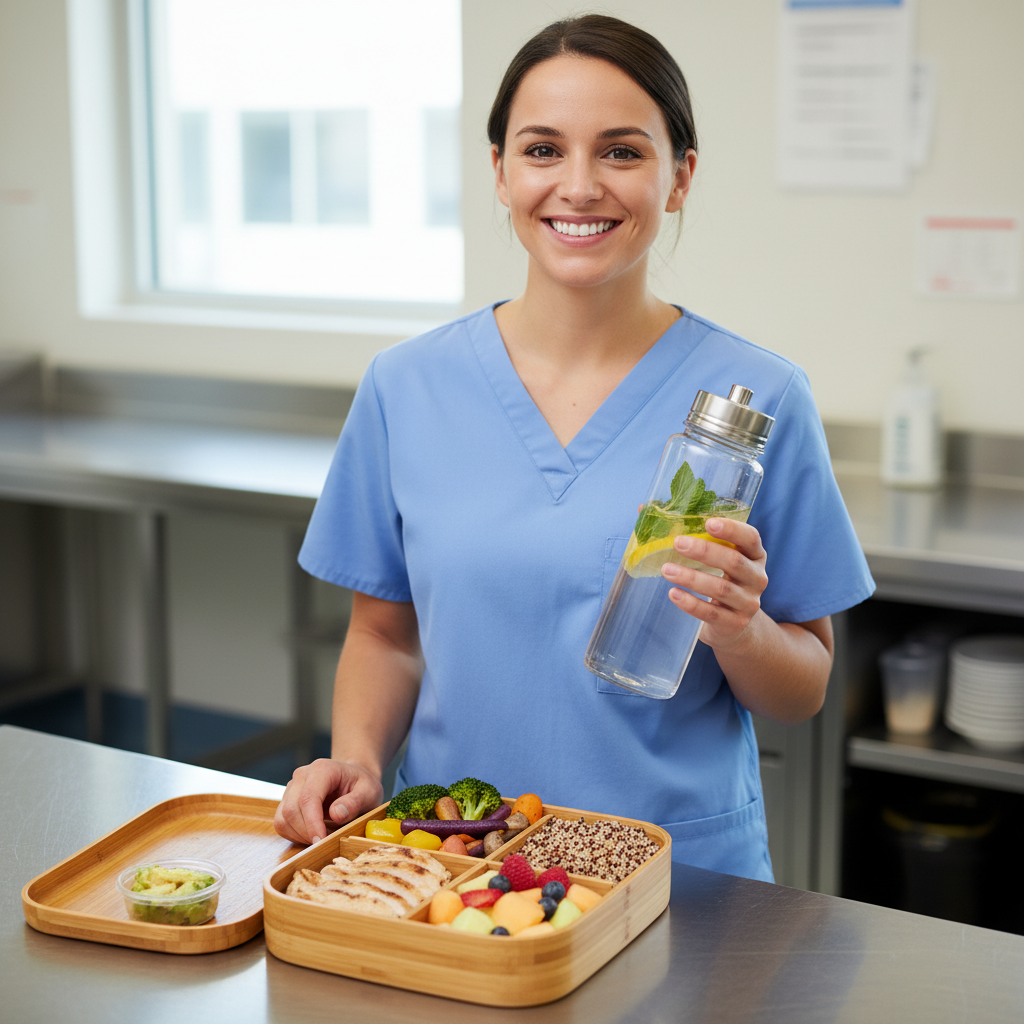
Key Principles for Power-Packed Nurse Lunches
To craft the perfect shift meal, keep these core principles in mind:
- Nutrient Density: Prioritize whole foods rich in protein, complex carbohydrates, healthy fats, and fiber. These provide sustained energy, satiety, and essential nutrients.
- Portability & Ease of Eating: Meals should be easy to pack, leak-proof, and consumable with minimal fuss, ideally with one hand or a fork.
- Make-Ahead & Meal Prep Friendly: The best nurse lunches are often prepared in advance, saving precious time during busy mornings.
- Minimal Reheating Required: While a microwave is often available, options that taste great cold or at room temperature are ideal.
- Hydration: Don’t forget fluids! Water, infused water, or unsweetened teas are crucial.
Top Lunch Ideas for Nurses on Long Shifts
Here are some diverse and delicious ideas, designed to keep you energized and satisfied through even the longest shifts.
1. Robust Grain & Protein Bowls
Grain bowls are versatile, customizable, and perfect for meal prepping. They provide a fantastic balance of complex carbohydrates for energy, lean protein for muscle repair and satiety, and plenty of fiber from vegetables.
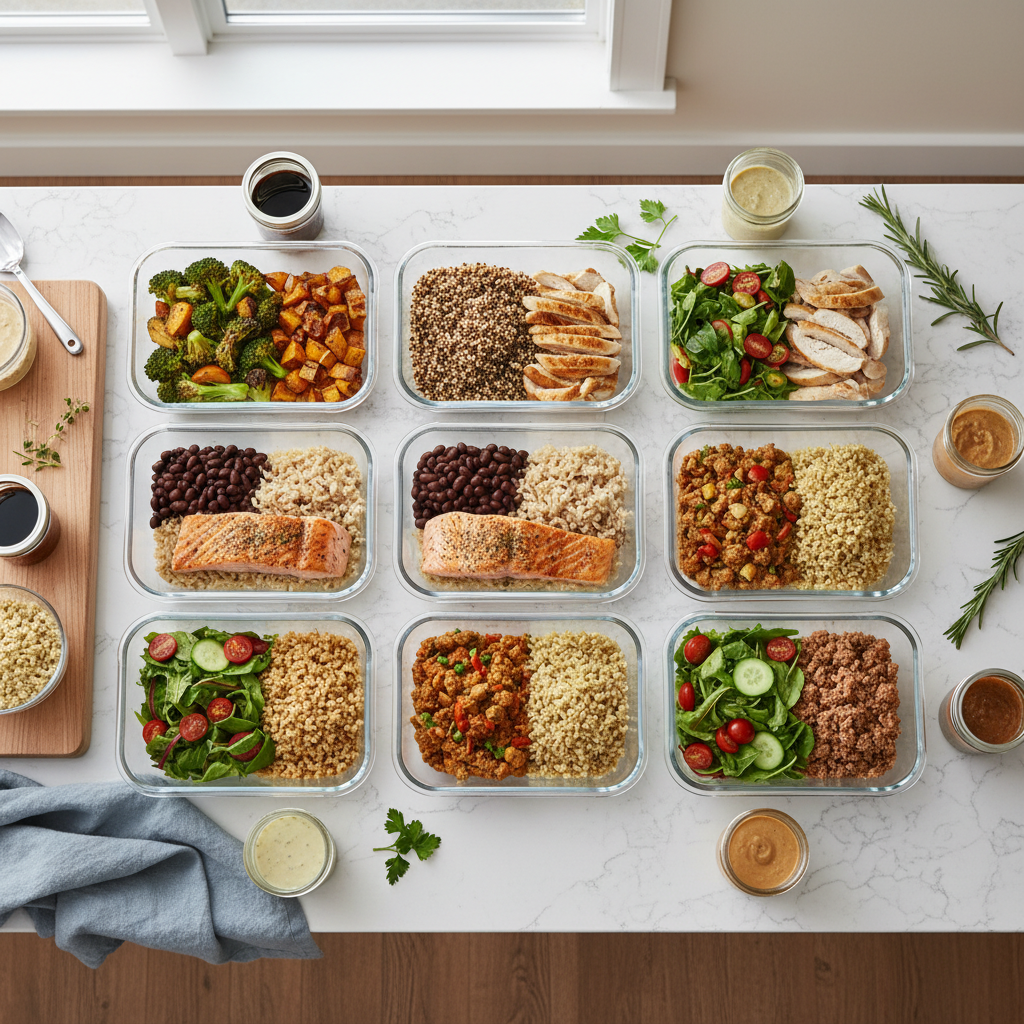
- Base: Cooked quinoa, brown rice, farro, couscous, or bulgur.
- Protein: Grilled chicken breast, baked salmon, hard-boiled eggs, canned tuna, chickpeas, lentils, tofu, or black beans.
- Vegetables: Roasted sweet potatoes, broccoli, bell peppers, zucchini; raw spinach, kale, shredded carrots, cucumber, cherry tomatoes.
- Healthy Fats/Flavor: Avocado slices, a sprinkle of nuts or seeds (almonds, walnuts, pumpkin seeds), a drizzle of olive oil, a light vinaigrette dressing.
Chef’s Tip: Prepare a large batch of grains, roasted vegetables, and your protein of choice at the beginning of the week. Then, assemble your bowls the night before, keeping dressing separate until just before eating to prevent sogginess.
2. Smart & Satisfying Wraps and Sandwiches
Forget soggy bread and sparse fillings. A well-constructed wrap or sandwich can be a powerhouse meal.
- Whole Wheat Tortilla/Bread: Opt for whole grain options for sustained energy.
- Protein Power: Sliced turkey or chicken breast, hummus, hard-boiled eggs (mashed with a little Greek yogurt), lentil pâté, or a hearty bean spread.
- Veggie Overload: Load up with spinach, shredded carrots, cucumber, bell peppers, sprouts, and sliced tomatoes.
- Healthy Fats/Flavor Boost: Avocado slices, a thin layer of cream cheese, a slice of cheese, or a dash of hot sauce.
Chef’s Tip: To prevent sogginess, spread hummus or cream cheese thinly on both sides of the tortilla/bread to create a barrier, then layer drier ingredients first, followed by wetter ones. Wrap tightly in parchment paper or foil.
3. The Mighty Mason Jar Salad
Mason jar salads are a meal prep marvel, keeping ingredients fresh and crisp until you’re ready to eat. The layering technique is key.
- Layer 1 (Dressing): At the very bottom, add your vinaigrette or creamy dressing.
- Layer 2 (Hardy Veggies): Next, add ingredients that won’t get soggy, like cherry tomatoes, cucumbers, bell peppers, or chickpeas.
- Layer 3 (Grains/Proteins): Add cooked quinoa, pasta, lentils, chicken, or hard-boiled eggs.
- Layer 4 (Softer Veggies/Fruits): Sliced strawberries, mandarins, corn, peas.
- Layer 5 (Greens): Pack the top with spinach, mixed greens, or kale.
When it’s time to eat, simply shake the jar to distribute the dressing, or empty it into a bowl.
4. Nourishing Soups and Stews
Perfect for colder shifts or when you crave something warm and comforting, a hearty soup or stew can be a complete meal in itself. Use an insulated thermos to keep it hot.
- Hearty Lentil Soup: Packed with fiber and plant-based protein.
- Chicken and Vegetable Soup: Classic comfort with lean protein and an array of vitamins.
- Minestrone: Loaded with pasta, beans, and seasonal vegetables.
- Chili: Beef, turkey, or vegetarian chili (bean-based) is incredibly satisfying and easy to make in large batches.
Chef’s Tip: Pair your soup with a whole-grain roll or a side salad for extra fiber and nutrients. Make a big pot on Sunday and portion it out for the week.
5. Bento Box Brilliance
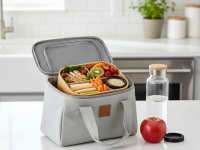
A bento box or compartmentalized container is fantastic for creating a visually appealing and nutritionally balanced meal with diverse components.
- Protein Section: Hard-boiled eggs, cheese cubes, cottage cheese, edamame, grilled chicken strips, or deli meat.
- Complex Carb Section: Whole-grain crackers, pita bread, a small portion of pasta salad, or a few whole-wheat pretzels.
- Fruit Section: Berries, grapes, apple slices, orange segments.
- Vegetable Section: Carrot sticks, cucumber slices, bell pepper strips, cherry tomatoes, snap peas.
- Healthy Dip/Spread: Hummus, guacamole, or a small portion of nut butter.
This style allows for grazing throughout your break, ensuring sustained energy without feeling overly full.
6. Creative Leftover Transformations
Don’t underestimate the power of planned leftovers. Dinner can easily become tomorrow’s lunch with a little foresight.
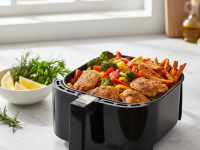
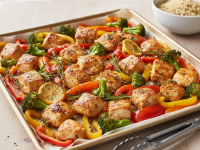
- Sheet Pan Meals: Roast a large tray of chicken or fish with various vegetables (broccoli, bell peppers, onions, sweet potatoes). Portion it out for easy grab-and-go lunches.
- Stir-Fries: Make extra stir-fry with plenty of vegetables and lean protein. It reheats well or can be eaten cold.
- Pasta Dishes: Whole-wheat pasta with a vegetable-rich sauce and lean protein (like ground turkey or lentils) can be excellent cold or reheated.
- Burrito Bowls: Prepare extra components for dinner (rice, beans, cooked protein, salsa) and assemble them into a bowl for lunch.
7. High-Energy Snack Companions
Sometimes, your “lunch” might need to be broken up into several mini-meals or supplemented with healthy snacks. These are also great for those inevitable energy dips.
- Fruit: Apples, bananas, oranges, berries, grapes (pre-washed and portioned).
- Nuts and Seeds: Almonds, walnuts, cashews, pumpkin seeds, sunflower seeds (portion control is key).
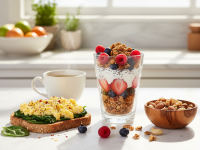
- Yogurt: Greek yogurt (plain, with fruit or a touch of honey) for protein and probiotics.
- Cheese Sticks/Cubes: Convenient source of calcium and protein.
- Energy Bites/Bars: Homemade options made with oats, nut butter, chia seeds, and dried fruit.
- Vegetable Sticks with Hummus: Carrots, celery, bell peppers with a single-serving hummus cup.
Meal Prep Strategies for Busy Nurses
The secret weapon for consistently healthy meals on shift is effective meal prepping. Here’s how to make it work for you:
- Designate a Prep Day: Choose one day (often Sunday) to dedicate a few hours to cooking and preparing ingredients for the week.
- Batch Cooking: Cook large quantities of grains, roasted vegetables, and proteins that can be used in multiple meals.
- Chop Ahead: Pre-chop all your vegetables and store them in airtight containers.
- Invest in Good Containers: Leak-proof, stackable, microwave-safe containers (glass is often preferred for durability and ease of cleaning) are essential.
- Plan Your Menu: A little planning goes a long way. Decide what you’ll eat for each shift’s lunch to avoid last-minute scrambling.
Hydration Hacks: More Than Just Water
Staying hydrated is just as important as eating well. Dehydration can lead to fatigue, headaches, and reduced concentration.
- Carry a Reusable Water Bottle: Keep it filled and within reach, taking sips whenever possible.
- Infused Water: Add slices of cucumber, lemon, lime, mint, or berries to your water for a refreshing flavor boost without added sugar.
- Unsweetened Tea: Green tea, herbal teas, or black tea (in moderation) can contribute to your fluid intake and offer antioxidants.
- Limit Sugary Drinks: Sodas, energy drinks, and heavily sweetened coffees provide a quick spike followed by a crash, and offer little nutritional value.
Avoiding the Pitfalls: What to Skip (or Limit)
While convenience is important, some common choices can sabotage your energy and health:
- High-Sugar Snacks: Candy bars, pastries, and sugary drinks offer a fleeting energy boost followed by a crash.
- Deep-Fried Foods: Heavy and often leave you feeling sluggish.
- Processed Meats: High in sodium and unhealthy fats.
- Large, Heavy Meals: Can lead to post-meal sluggishness, impacting your focus and energy.
As a nurse, your commitment to others is unwavering. It’s time to extend that same level of care and attention to yourself, especially when it comes to fueling your body. By implementing these healthy and practical lunch ideas for nurses on long shifts, you’ll not only enhance your energy and focus throughout your demanding workday but also contribute significantly to your long-term health and well-being. Prioritize your nutrition, embrace meal prep, and empower yourself to thrive on the front lines.