The Swimmer’s Nutritional Blueprint: Fueling for Success
Swimming burns a significant amount of calories, making consistent and high-quality fuel paramount. A swimmer’s diet must support energy production, muscle repair, immune function, and optimal body composition. Neglecting any aspect can lead to fatigue, poor performance, and increased risk of injury or illness.
Carbohydrates: The Energy Powerhouse
Carbohydrates are the primary fuel source for swimmers. They are stored as glycogen in muscles and the liver, providing readily available energy for both short bursts of speed and sustained endurance. Without adequate carbohydrate intake, swimmers often experience “hitting the wall” or early fatigue.
- Complex Carbohydrates: These should form the bulk of a swimmer’s carb intake. They provide sustained energy release. Examples include whole grains (oats, brown rice, quinoa, whole-wheat bread/pasta), starchy vegetables (sweet potatoes, potatoes, corn), and legumes.
- Simple Carbohydrates: Useful for quick energy before or during intense, long sessions, and immediately after a workout to kickstart glycogen replenishment. Examples include fruits, fruit juice, and sports drinks.
Proteins: Repair and Rebuild
Protein is vital for muscle repair, growth, and recovery, especially after strenuous training sessions. It also plays a role in hormone production, enzyme function, and immune health. Swimmers, like all athletes, require a higher protein intake than sedentary individuals.
- Lean Protein Sources: Chicken breast, turkey, fish (salmon, tuna, cod), lean beef, eggs, dairy products (Greek yogurt, cottage cheese, milk), tofu, tempeh, lentils, and beans are excellent choices.
- Timing: Spreading protein intake throughout the day, particularly after workouts, is crucial for optimal muscle protein synthesis.
Healthy Fats: Sustained Energy and Vital Functions
Fats are an essential component of a balanced diet, providing concentrated energy, aiding in the absorption of fat-soluble vitamins (A, D, E, K), and supporting hormone production and cell membrane integrity. While they are a slower-burning fuel, they are critical for longer training sessions and overall health.
- Unsaturated Fats: Found in avocados, nuts, seeds (chia, flax, sunflower), olive oil, and fatty fish.
- Avoid Excessive Saturated/Trans Fats: These can contribute to inflammation and negative health outcomes, hindering performance.
Micronutrients: The Unsung Heroes
Vitamins and minerals, though needed in smaller quantities, are indispensable for energy metabolism, bone health, immune function, and nerve transmission. Swimmers often have increased needs for certain micronutrients due to heightened metabolic activity and sweat loss.
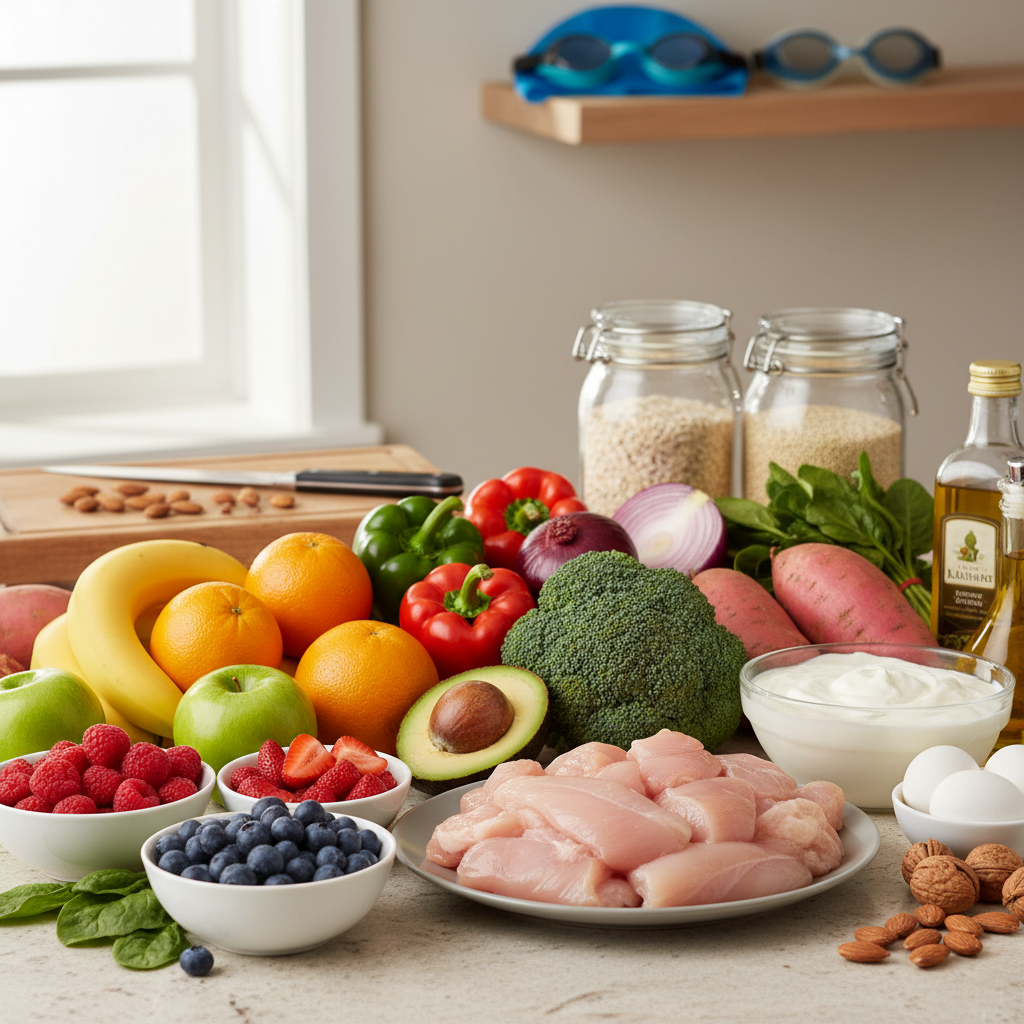
- Key Micronutrients: Iron (for oxygen transport), Calcium and Vitamin D (for bone health), B vitamins (for energy metabolism), and antioxidants (Vitamins C & E, selenium) to combat oxidative stress.
- Sources: A wide variety of fruits, vegetables, whole grains, and lean proteins ensure adequate micronutrient intake.
Hydration: The Foundation of Performance
Proper hydration is arguably the most overlooked yet critical aspect of a swimmer’s nutrition. Even mild dehydration can significantly impair performance, leading to reduced endurance, muscle cramps, and decreased concentration. Despite being in water, swimmers sweat considerably.
- Water: The primary source of hydration. Consume plenty throughout the day, not just during workouts.
- Electrolytes: For long or intense sessions, sports drinks or electrolyte-rich foods can help replenish lost sodium, potassium, and other minerals.
- Discover more about optimal hydration strategies for athletes.
Mastering Meal Timing: Optimizing Fuel Delivery
When you eat is almost as important as what you eat. Strategic meal timing ensures that your body has the energy it needs for training and can recover efficiently afterward.
Pre-Swim Fuel: The Immediate Energy Boost
Aim to consume a meal or snack 1-3 hours before a swim, depending on your digestive system and the intensity of the workout. This meal should be primarily carbohydrates, moderate in protein, and low in fat and fiber to prevent stomach upset.
- 1-2 Hours Before: Small banana, rice cakes with a thin layer of peanut butter, a small bowl of oatmeal, or a piece of toast with jam.
- 3-4 Hours Before: Larger meal like pasta with marinara sauce, chicken and rice, or a potato with lean protein.
During-Swim Sustenance: For Longer Sessions
For training sessions lasting longer than 90 minutes, especially high-intensity ones, intra-workout nutrition can be beneficial. This typically involves easily digestible carbohydrates to maintain blood sugar levels.
- Options: Sports drinks, energy gels, or diluted fruit juice.
Post-Swim Recovery: The Golden Window
The 30-60 minute window immediately after a workout is crucial for recovery. During this time, your muscles are most receptive to absorbing nutrients for glycogen replenishment and muscle repair.
- Recovery Meal/Snack: Focus on a combination of carbohydrates and protein in a 3:1 or 4:1 ratio. Examples include chocolate milk, a recovery smoothie, Greek yogurt with fruit and granola, or a turkey sandwich.
Everyday Maintenance: Consistent Fueling
Beyond pre- and post-workout nutrition, daily meals should be balanced and nutrient-dense, providing consistent energy and supporting overall health and adaptation to training.
- Regular Meals: Don’t skip meals. Aim for 3 main meals and 2-3 snacks throughout the day.
- Variety: Incorporate a wide range of foods to ensure a full spectrum of micronutrients.
Practical Meal Ideas for Swimmers in Training: A Day in the Life
Let’s translate these nutritional principles into actionable, delicious meal ideas that swimmers can easily integrate into their busy schedules.
Power-Packed Breakfasts
Start your day right with meals that provide sustained energy for morning practices or set the stage for productive afternoon sessions.
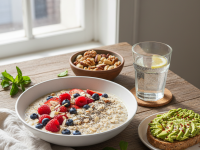
- Oatmeal with Berries, Nuts, and Honey: Complex carbs from oats, antioxidants from berries, healthy fats and protein from nuts, and a touch of quick energy from honey.
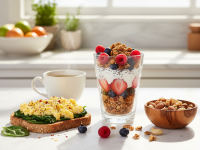
- Scrambled Eggs with Whole-Wheat Toast and Avocado: High-quality protein from eggs, complex carbs from toast, and healthy fats from avocado for satiety.
- Greek Yogurt Parfait: Layer Greek yogurt (high protein) with granola (carbs) and various fruits (carbs, vitamins).
- Smoothie Boost: Blend spinach, banana, protein powder, almond milk, and a spoonful of chia seeds for a nutrient-dense, easy-to-digest option.
Sustaining Lunches
Lunch needs to refuel your body without making you feel sluggish. Focus on balanced meals with lean protein, complex carbs, and plenty of vegetables.
- Quinoa Salad with Grilled Chicken/Chickpeas: Quinoa provides complete protein and complex carbs, while chicken/chickpeas add more protein. Load up with colorful veggies like bell peppers, cucumbers, and tomatoes.
- Whole-Wheat Turkey and Veggie Wrap: Lean turkey breast, hummus, lettuce, tomato, cucumber, and spinach wrapped in a whole-wheat tortilla.
- Lentil Soup with Whole-Grain Bread: Lentils are a fantastic source of plant-based protein and fiber, providing sustained energy.
- Brown Rice Bowl with Salmon and Roasted Vegetables: Rich in omega-3s from salmon, complex carbs from brown rice, and fiber/vitamins from roasted broccoli, carrots, and sweet potatoes.
Recovery-Focused Dinners
Dinner is your primary opportunity for major replenishment and repair. Focus on nutrient-dense meals that support recovery and prepare you for the next day’s training.
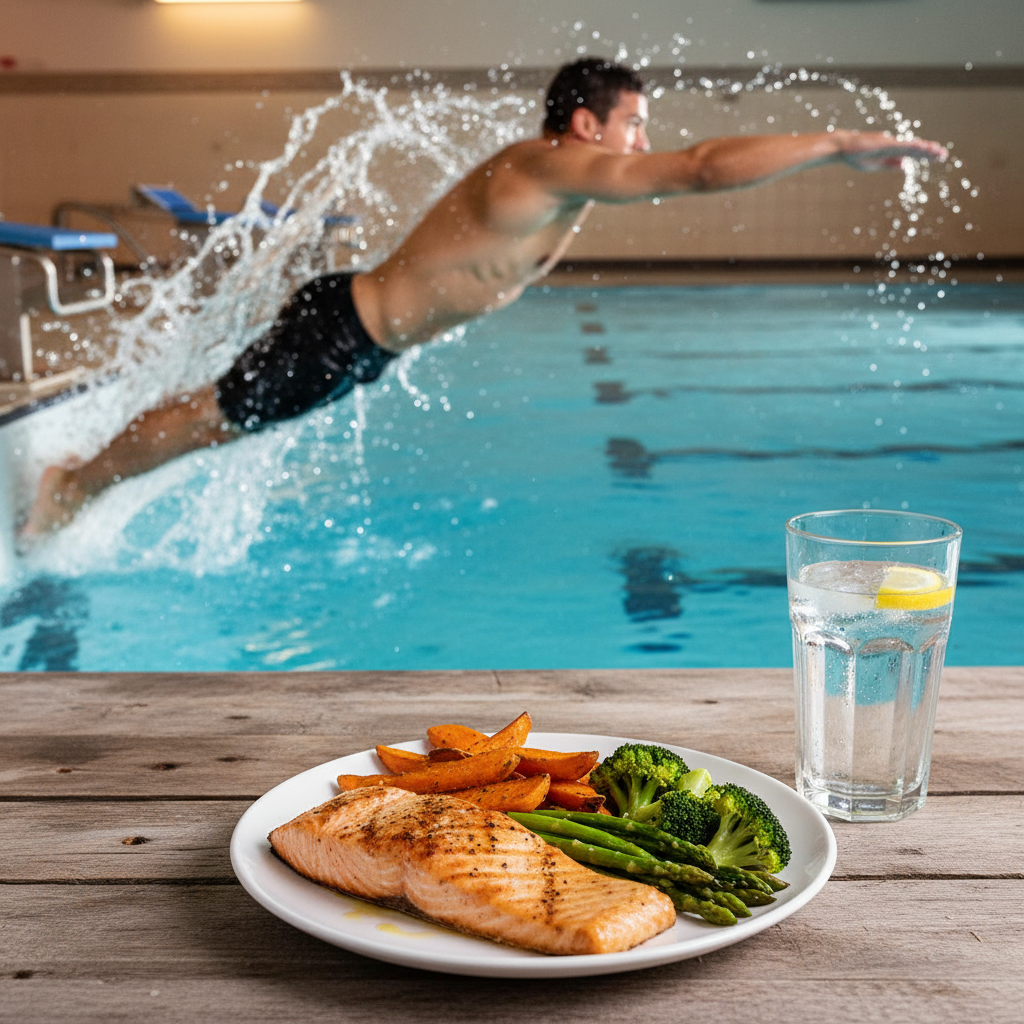
- Baked Salmon with Sweet Potato and Green Beans: An ideal post-workout meal. Salmon provides omega-3s and lean protein, sweet potato offers complex carbs for glycogen restoration, and green beans add essential vitamins and fiber.
- Whole-Wheat Pasta with Lean Ground Beef/Turkey Bolognese: Classic carb loading with lean protein for muscle repair. Add plenty of vegetables to the sauce.
- Chicken Stir-Fry with Brown Rice: Lean chicken, a rainbow of vegetables (broccoli, snap peas, carrots, bell peppers), and a flavorful sauce served over brown rice.
- Tofu/Tempeh Curry with Quinoa: A plant-based powerhouse. Tofu or tempeh provide protein, while a vegetable-rich curry over quinoa delivers complex carbs and micronutrients.
Smart Snacking Strategies
Snacks bridge the gap between meals, keeping energy levels stable and preventing extreme hunger.
- Fruit (Banana, Apple, Orange) with a Handful of Almonds: Carbs for quick energy, healthy fats and protein for sustained satiety.
- Rice Cakes with Peanut Butter: Easily digestible carbs and protein/fat.
- Hard-Boiled Eggs: Convenient and packed with protein.
- Cottage Cheese with Pineapple: Protein-rich cottage cheese paired with quick-digesting fruit.
- Edamame: A good source of plant-based protein and fiber.
Hydration Heroes
Don’t forget to continuously hydrate throughout the day.
- Water: Keep a water bottle with you and sip regularly.
- Coconut Water: Natural electrolytes for lighter replenishment.
- Herbal Teas: A pleasant way to increase fluid intake.
- Diluted Fruit Juice: Can be used during long sessions for a carb boost.
A Sample Daily Meal Plan for the Dedicated Swimmer
Here’s an example of how a day of eating might look for a swimmer in training, keeping in mind individual needs will vary.
- Pre-Morning Practice (5:30 AM): Small banana or a few dates.
- Breakfast (7:30 AM, post-practice): Large bowl of oatmeal made with milk, topped with a scoop of protein powder, a handful of mixed berries, and a sprinkle of chia seeds. Glass of water.
- Mid-Morning Snack (10:30 AM): Apple slices with a tablespoon of almond butter and a hard-boiled egg.
- Lunch (1:00 PM): Large whole-wheat turkey and avocado sandwich with lettuce and tomato, a side salad with vinaigrette, and a glass of water.
- Pre-Afternoon Practice (3:30 PM): Greek yogurt with a small amount of granola or a rice cake with peanut butter.
- During Afternoon Practice (4:30 PM – 6:30 PM, if long): Electrolyte drink or water.
- Post-Afternoon Practice Recovery (6:45 PM): Small smoothie with banana, spinach, protein powder, and milk.
- Dinner (7:30 PM): Baked chicken breast, large serving of roasted sweet potato, and steamed broccoli. Large glass of water.
- Evening Snack (9:30 PM, optional): Small bowl of cottage cheese or a handful of walnuts if still hungry.
Common Nutritional Pitfalls for Swimmers: What to Watch Out For
Even with good intentions, swimmers can fall into common dietary traps that hinder progress.
- Under-fueling: Not eating enough calories to match the high energy demands of training can lead to fatigue, muscle loss, and compromised immune function.
- Skipping Breakfast: Missing this crucial meal can leave glycogen stores depleted for morning practices and slow metabolism.
- Inadequate Protein: Not consuming enough protein, especially post-workout, impairs muscle repair and growth.
- Fear of Carbohydrates: Misinformation about carbs can lead swimmers to restrict their primary energy source, resulting in poor performance.
- Poor Hydration: Forgetting to drink water throughout the day, not just during workouts, leads to dehydration.
- Over-reliance on Supplements: While some supplements can be beneficial, they should complement a solid diet, not replace whole foods.
- Too Much Processed Food: Foods high in sugar, unhealthy fats, and artificial ingredients offer little nutritional value and can lead to energy crashes.
Tailoring Your Diet: Individual Needs and Professional Guidance
While these meal ideas for swimmers in training provide a solid foundation, remember that every athlete is unique. Factors like age, gender, training volume and intensity, personal preferences, and specific health conditions all play a role in determining optimal nutrition.
It’s highly recommended to consider consulting with a sports dietitian or nutritionist. They can provide personalized guidance, help you fine-tune your caloric and macronutrient intake, address any specific dietary needs or restrictions, and develop a customized meal plan that aligns perfectly with your training goals.
Learn more about the specific benefits of lean protein for muscle development.
Conclusion
Optimizing your nutrition is an investment in your swimming performance and overall well-being. By focusing on nutrient-dense whole foods, strategic meal timing, and consistent hydration, you can provide your body with the fuel it needs to excel in the pool. The best meal ideas for swimmers in training are those that are balanced, delicious, and tailored to your individual demands. Embrace these dietary principles, listen to your body, and watch your performance in the water reach new depths.
Frequently Asked Questions About Swimmer Nutrition
How many calories does a swimmer need?
The caloric needs of a swimmer vary greatly depending on factors such as age, gender, body size, metabolism, and crucially, training volume and intensity. Elite swimmers training multiple hours a day can require anywhere from 3,000 to 6,000+ calories per day. A good starting point is to track your intake and monitor your energy levels and body weight, adjusting as necessary. Consulting a sports dietitian is the best way to determine precise caloric needs.
Is it okay to swim on an empty stomach?
For short, light workouts (under 45 minutes), some individuals might be able to swim on an empty stomach without issues. However, for longer, more intense training sessions, swimming on an empty stomach can lead to reduced energy, premature fatigue, and decreased performance due to depleted glycogen stores. It’s generally recommended to have a small, easily digestible carbohydrate snack 30-60 minutes before a significant workout.
What are the best pre-swim snacks?
The best pre-swim snacks are primarily carbohydrate-based, low in fat and fiber to ensure quick digestion and minimize gastrointestinal distress. Good options include a banana, an apple, rice cakes with jam, a small bowl of oatmeal, a handful of pretzels, or a piece of whole-wheat toast with a thin spread of honey.
How important is protein for swimmers?
Protein is incredibly important for swimmers. It is essential for muscle repair, growth, and recovery, which are critical after intense training. Adequate protein intake also helps support a healthy immune system and overall body function. Swimmers need more protein than sedentary individuals, with recommendations typically ranging from 1.2 to 1.7 grams of protein per kilogram of body weight per day, spread throughout meals and snacks.
Can supplements help a swimmer’s performance?
While a well-balanced diet is the cornerstone of a swimmer’s nutrition, certain supplements can be beneficial for specific needs. Creatine can enhance short-burst power, and caffeine may improve alertness and endurance. Protein powders can be convenient for meeting protein targets, especially post-workout. However, supplements should never replace whole foods and should be used cautiously, preferably under the guidance of a sports dietitian, to ensure safety and effectiveness. Always choose third-party tested products to avoid contaminants.