The Mighty Thyroid: A Quick Overview
Before diving into dietary specifics, let’s briefly understand the thyroid’s importance. The thyroid gland produces hormones, primarily thyroxine (T4) and triiodothyronine (T3), which are essential for controlling your metabolism. These hormones influence how your cells use energy, impacting everything from your mood and digestion to your weight and brain function. Imbalances, such as hypothyroidism (underactive thyroid) or hyperthyroidism (overactive thyroid), can significantly disrupt daily life. While medical treatment is often necessary for diagnosed conditions, nutrition provides a foundational layer of support, helping to prevent issues and manage symptoms.
Key Nutrients for Optimal Thyroid Health
A well-balanced diet rich in specific micronutrients is paramount for a healthy thyroid. Here are the superstar nutrients and the foods where you can find them:
Iodine: The Foundation of Thyroid Hormones
Iodine is perhaps the most critical nutrient for thyroid function, as it is an essential component of both T4 and T3 hormones. Without sufficient iodine, the thyroid cannot produce these vital hormones, leading to an underactive thyroid (hypothyroidism). However, it’s a delicate balance; both too little and too much iodine can be detrimental.
- Seaweed: Nori, kelp, and wakame are exceptionally rich sources of iodine. Incorporate them into sushi, salads, or soups.
- Fish and Shellfish: Cod, tuna, shrimp, and other seafood provide a good natural source of iodine.
- Dairy Products: Milk, yogurt, and cheese can contribute to iodine intake, though levels vary based on animal feed.
- Iodized Salt: A primary source for many, but use in moderation as part of a balanced diet.
Chef’s Note: While crucial, iodine intake should be monitored, especially for individuals with existing thyroid conditions like Hashimoto’s, where excessive iodine can sometimes exacerbate symptoms. Consult with a healthcare professional regarding appropriate levels.
Selenium: The Antioxidant Powerhouse
Selenium is a trace mineral that acts as a powerful antioxidant, protecting the thyroid gland from oxidative stress. It also plays a vital role in the conversion of T4 (the inactive form) to T3 (the active form) of thyroid hormones.
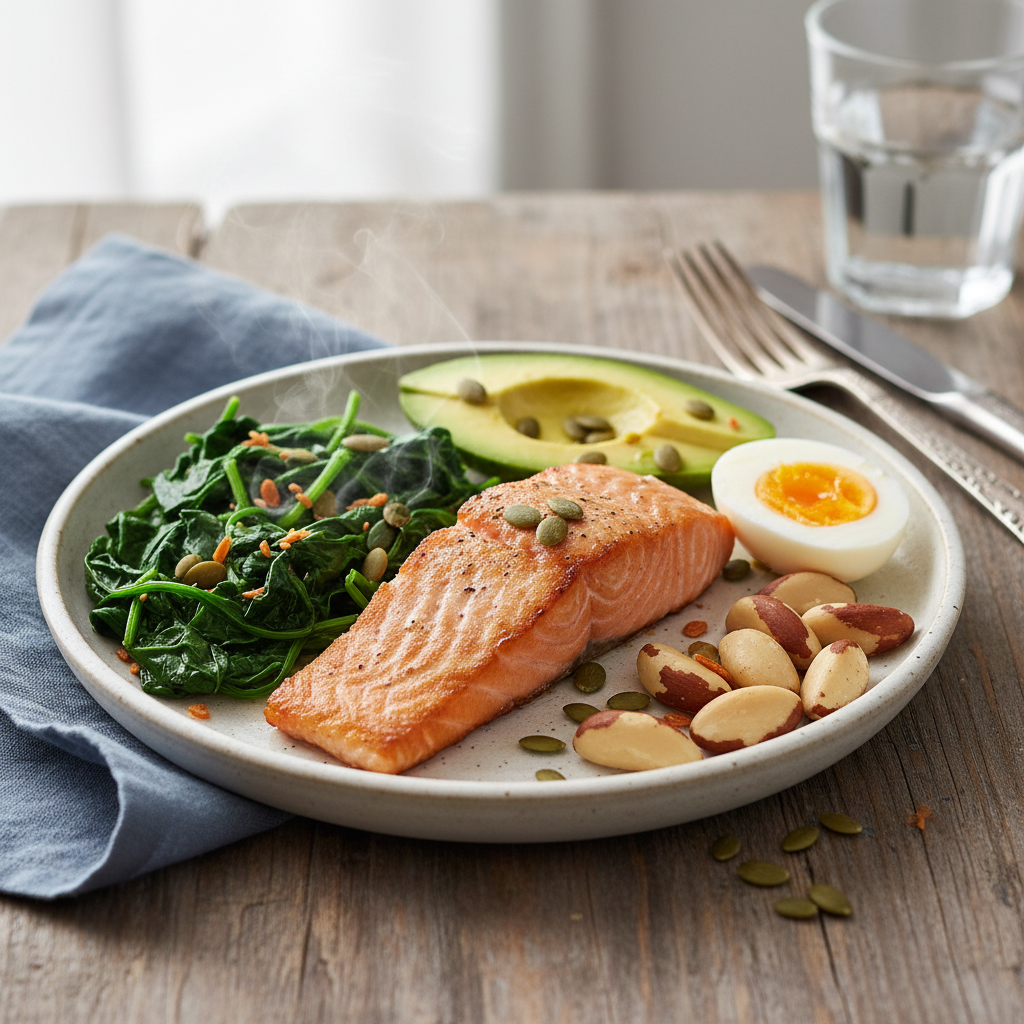
- Brazil Nuts: Just one or two Brazil nuts a day can provide your entire daily selenium requirement. Be careful not to overdo it!
- Fish: Tuna, halibut, and sardines are excellent sources.
- Eggs: A convenient and versatile source of selenium.
- Legumes: Lentils and beans contribute to selenium intake.
- Sunflower Seeds: A good snack or addition to salads.
Zinc: The Hormone Helper
Zinc is another essential trace mineral that contributes to thyroid health in several ways. It is required for the synthesis of thyroid hormones and the conversion of T4 to T3. Zinc deficiency can lead to low thyroid hormone levels.
- Oysters: One of the richest dietary sources of zinc.
- Beef and Poultry: Lean cuts of beef and chicken are good sources.
- Legumes: Chickpeas, lentils, and beans offer plant-based zinc.
- Nuts and Seeds: Pumpkin seeds, cashews, and almonds are good choices.
Tyrosine: The Building Block for Hormones
Tyrosine is an amino acid that serves as a fundamental building block for thyroid hormones. Without sufficient tyrosine, the thyroid cannot produce T3 and T4.
- Lean Meats: Chicken, turkey, and fish.
- Dairy Products: Milk, yogurt, and cheese.
- Eggs: A complete protein source.
- Nuts and Seeds: Almonds, peanuts, and sesame seeds.
- Legumes: Beans and lentils.
B Vitamins: Energy and Support
The B vitamins, particularly B2 (riboflavin), B3 (niacin), B6 (pyridoxine), and B12 (cobalamin), are crucial for overall energy metabolism and hormone regulation, including those of the thyroid. Vitamin B12 deficiency is also common in individuals with hypothyroidism.
- Whole Grains: Oats, brown rice, quinoa.
- Lean Meats: Poultry, beef, pork.
- Eggs: A source of several B vitamins.
- Leafy Green Vegetables: Spinach, kale, collard greens.
- Legumes: Beans and lentils.
Antioxidants (Vitamin C, E, A): Fighting Oxidative Stress
Antioxidants help protect the thyroid gland from damage caused by free radicals and oxidative stress, which can impair its function. Vitamins C, E, and A are powerful antioxidants.
- Vitamin C: Citrus fruits, bell peppers, berries, kiwi.
- Vitamin E: Nuts, seeds, leafy greens, avocados.
- Vitamin A (Beta-Carotene): Carrots, sweet potatoes, spinach, kale.
Anti-Inflammatory Foods for Thyroid Support
Chronic inflammation can negatively impact thyroid function, especially in autoimmune thyroid conditions like Hashimoto’s thyroiditis. Incorporating anti-inflammatory foods can be highly beneficial.
Omega-3 Fatty Acids
Omega-3s are renowned for their anti-inflammatory properties, which can help calm an overactive immune response often seen in autoimmune thyroid conditions.
- Fatty Fish: Salmon, mackerel, sardines, and anchovies are rich in EPA and DHA. Aim for 2-3 servings per week.
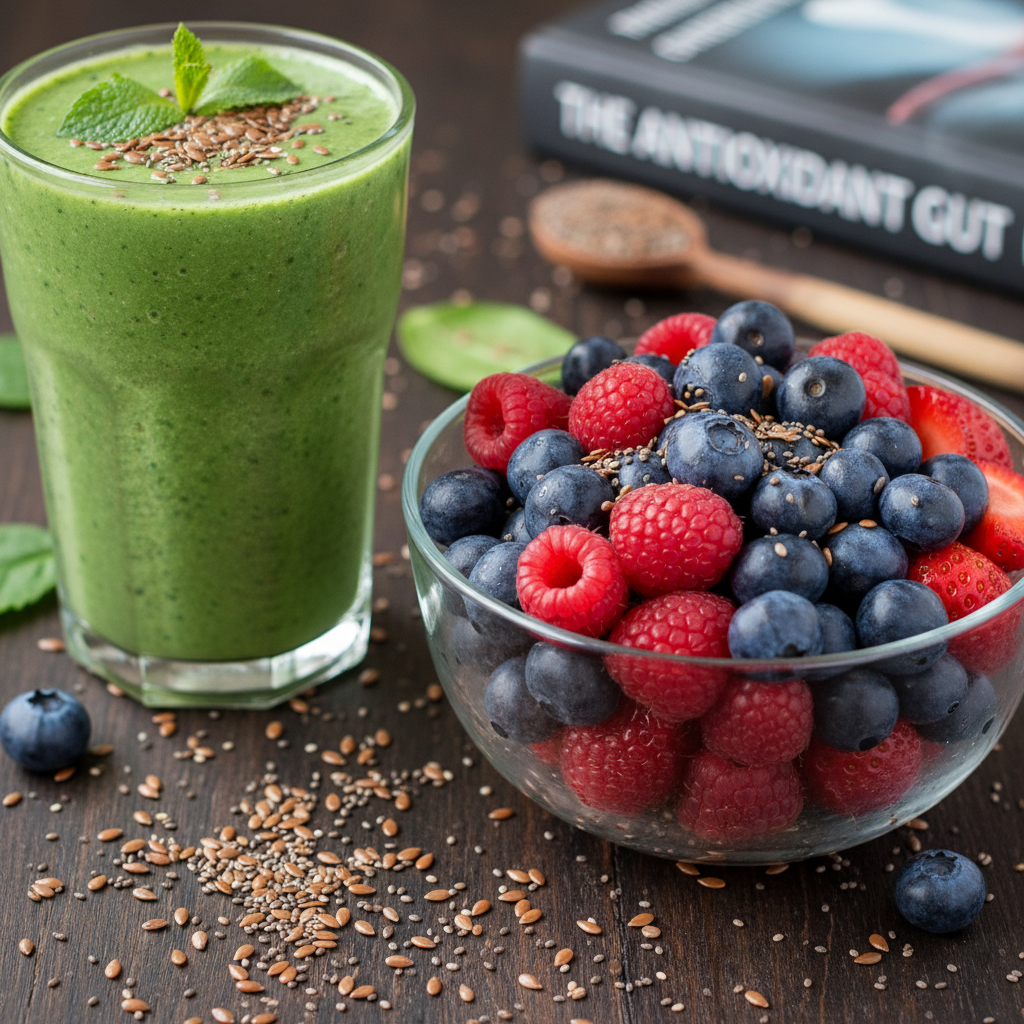
- Flaxseeds and Chia Seeds: Great plant-based sources of ALA (which the body converts to EPA and DHA, albeit inefficiently). Grind flaxseeds for better absorption.
- Walnuts: Another good plant-based source of ALA.
Gut-Friendly Foods (Probiotics & Prebiotics)
A healthy gut microbiome is increasingly linked to overall immune function and thyroid health. Probiotics introduce beneficial bacteria, while prebiotics feed them.
- Fermented Foods: Yogurt (with live active cultures), kefir, kimchi, sauerkraut, kombucha. These provide beneficial probiotics.
- Fiber-Rich Fruits and Vegetables: Onions, garlic, leeks, asparagus, bananas, apples, and oats act as prebiotics, feeding healthy gut bacteria.
Foods to Approach with Caution (or in Moderation)
While focusing on nutrient-dense foods is key, it’s also important to be aware of certain foods that might interfere with thyroid function or exacerbate existing conditions, particularly for sensitive individuals.
Cruciferous Vegetables: The Goitrogen Debate
Cruciferous vegetables like broccoli, cauliflower, cabbage, and kale contain compounds called goitrogens, which can potentially interfere with iodine uptake by the thyroid, especially when consumed raw and in very large quantities by individuals with iodine deficiency.
- Chef’s Advice: For most people with adequate iodine intake, moderate consumption of cooked cruciferous vegetables is perfectly healthy and beneficial due to their high nutrient content. Cooking helps to deactivate goitrogenic compounds. If you have an existing thyroid condition, discuss your intake with your doctor or a dietitian.
Soy: A Complex Relationship
Soy products contain isoflavones that may interfere with thyroid hormone absorption and potentially inhibit thyroid peroxidase, an enzyme essential for hormone production. This is more of a concern for individuals with compromised thyroid function or iodine deficiency.
- Chef’s Advice: If you consume soy, do so in moderation and prefer whole, fermented soy products like tempeh or miso. If you take thyroid medication, ensure there’s a several-hour gap between consuming soy products and taking your medication.
Gluten & Dairy: Potential Triggers for Autoimmune Conditions
For individuals with autoimmune thyroid conditions like Hashimoto’s, gluten and dairy can sometimes act as inflammatory triggers. While not universal, some people report significant improvements in symptoms after eliminating or reducing these foods.
- Chef’s Advice: This is a highly individualized area. If you suspect gluten or dairy might be contributing to your symptoms, consider an elimination diet under the guidance of a healthcare professional.
Processed Foods, Sugar, and Excessive Caffeine/Alcohol: General Health Detractors
These items offer little nutritional value and can contribute to inflammation, gut dysbiosis, and overall stress on the body, indirectly impacting thyroid health. High sugar intake can also disrupt blood sugar levels, which can put additional stress on endocrine glands, including the thyroid.
- Chef’s Advice: Limit highly processed foods, sugary drinks, and excessive alcohol. Moderation is key for caffeine. Focus on whole, unprocessed foods as the cornerstone of your diet.
Crafting Your Thyroid-Friendly Plate: Practical Tips
Putting all this information into practice can seem daunting, but here are some simple guidelines:
- Embrace Variety: A diverse diet ensures you get a wide range of nutrients. Don’t rely on just one or two “superfoods.”
- Prioritize Whole Foods: Base your meals around fresh fruits, vegetables, lean proteins, healthy fats, and whole grains.
- Stay Hydrated: Drink plenty of water throughout the day to support all bodily functions, including metabolism.
- Cook at Home: This gives you control over ingredients and preparation methods, allowing you to avoid hidden additives and excessive unhealthy fats.
- Listen to Your Body: Pay attention to how different foods make you feel. What works well for one person may not be ideal for another.
When to Seek Professional Guidance
While diet is a powerful tool, it’s essential to remember that it complements, but does not replace, medical treatment for thyroid conditions. If you suspect you have a thyroid issue or have been diagnosed, always consult with your endocrinologist or primary care physician. Working with a registered dietitian or nutritionist specializing in thyroid health can also provide personalized dietary guidance tailored to your specific needs and condition.
Conclusion
Your diet plays a fundamental role in maintaining the health and optimal function of your thyroid gland. By focusing on nutrient-dense foods that support thyroid function—rich in iodine, selenium, zinc, tyrosine, B vitamins, and antioxidants—and incorporating anti-inflammatory and gut-friendly options, you can provide your thyroid with the building blocks and protection it needs. While being mindful of foods to consume in moderation, a balanced, whole-food approach can significantly contribute to your overall well-being and a healthy, happy thyroid.