The Brain-Boosting Power of Nutrition: Why Food Matters for Focus
Our brain, though only about 2% of our body weight, consumes a disproportionately high amount of our daily energy intake—around 20%. It’s a complex organ that relies heavily on a steady supply of nutrients to function optimally. Just like a high-performance car needs premium fuel, your brain thrives on nutrient-dense foods. What you eat directly impacts its structure, function, and even your mood. Poor dietary choices, laden with processed sugars and unhealthy fats, can lead to energy crashes, brain fog, and reduced cognitive performance, making it difficult to concentrate and absorb new information.
Conversely, a diet rich in certain vitamins, minerals, antioxidants, and healthy fats can enhance brain health in multiple ways. These nutrients support neurotransmitter production (the chemical messengers of the brain), protect brain cells from damage, improve blood flow, and provide stable energy, all of which are crucial for maintaining sustained focus and effective studying. Understanding this fundamental connection between diet and brain health is the first step towards optimizing your cognitive abilities.
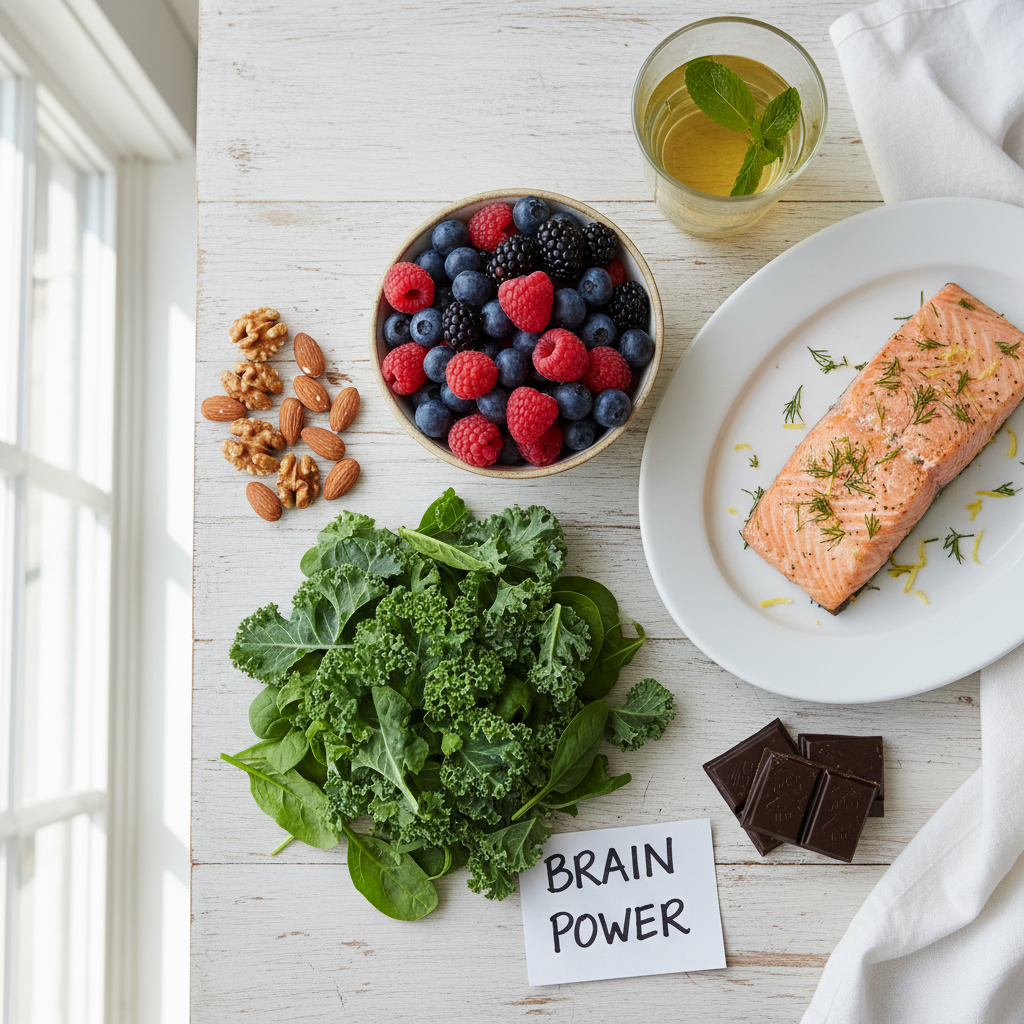
Essential Nutrients for Peak Cognitive Performance
To truly understand which foods to prioritize, it’s helpful to know which specific nutrients play critical roles in brain function. Each of these components works synergistically to keep your mind sharp and ready for any intellectual challenge.
Omega-3 Fatty Acids: The Brain’s Building Blocks
Omega-3 fatty acids, particularly DHA (docosahexaenoic acid), are vital for brain health. They are major structural components of brain cell membranes, playing a crucial role in maintaining the fluidity and integrity of these membranes, which is essential for proper communication between brain cells. Adequate omega-3 intake is linked to improved memory, better mood, and reduced risk of cognitive decline. They also possess anti-inflammatory properties, which can protect the brain from cellular damage.
Antioxidants: Protecting Your Brain from Damage
The brain is highly susceptible to oxidative stress, a process that can damage cells and contribute to cognitive decline. Antioxidants found in various fruits and vegetables combat this stress by neutralizing harmful free radicals. Flavonoids, a type of antioxidant abundant in berries and dark chocolate, have been shown to improve memory and learning by enhancing blood flow to the brain and protecting neurons.

Complex Carbohydrates: Sustained Energy for the Mind
Glucose is the brain’s primary fuel source. While simple sugars provide a quick burst of energy, they often lead to a subsequent crash, leaving you feeling sluggish. Complex carbohydrates, found in whole grains, are digested slowly, providing a steady and sustained release of glucose into the bloodstream. This stable energy supply is critical for maintaining consistent focus and preventing mental fatigue during long study sessions.
B Vitamins: The Energy Production Powerhouses
B vitamins, including B6, B9 (folate), and B12, are essential for energy production and the synthesis of neurotransmitters that regulate mood and cognitive function. For example, B12 is crucial for nerve function and the formation of red blood cells, which carry oxygen to the brain. Deficiencies in these vitamins can lead to fatigue, memory problems, and difficulty concentrating.
Choline: Memory and Learning Enhancer
Choline is a precursor to acetylcholine, a neurotransmitter critical for memory, mood, muscle control, and other brain and nervous system functions. Adequate choline intake is particularly important for learning and cognitive processing, making it a key nutrient for students.
Magnesium: The Relaxation and Nerve Function Mineral
Magnesium is involved in over 300 biochemical reactions in the body, many of which are crucial for brain function. It plays a role in nerve transmission, muscle contraction, and blood glucose control. It also supports healthy sleep, which indirectly but powerfully affects focus and memory. Magnesium can help reduce stress and anxiety, creating a more conducive state for studying.
Zinc: Cognitive Function and Immunity
Zinc is a trace mineral that is vital for immune function and cell growth, but it also plays a significant role in cognitive processes, including memory and learning. It is involved in synaptic plasticity, the brain’s ability to adapt and change over time. Zinc deficiency has been linked to impaired cognitive function.
Top Foods That Support Focus for Studying
Now that we understand the key nutrients, let’s explore the specific foods that support focus for studying and how to incorporate them into your daily diet.
Fatty Fish (Salmon, Mackerel, Sardines)
Often hailed as the ultimate brain food, fatty fish are packed with omega-3 fatty acids, particularly DHA. Regular consumption of these fish can improve memory, enhance cognitive performance, and even help manage stress and anxiety. Aim for at least two servings per week to reap their full benefits. If you’re vegetarian or vegan, consider fortified foods or plant-based omega-3 sources like flaxseeds.
Berries (Blueberries, Strawberries, Blackcurrants)
These colorful fruits are loaded with antioxidants, especially flavonoids, which have been shown to improve memory, reduce inflammation, and protect brain cells from damage. Blueberries, in particular, are often called “brainberries” for their potential to enhance short-term memory and motor skills. Enjoy them in smoothies, with oatmeal, or as a healthy snack.
Nuts and Seeds (Walnuts, Almonds, Pumpkin Seeds, Chia Seeds)
Nuts and seeds are powerhouses of nutrition, offering a blend of healthy fats (including omega-3s in walnuts and chia seeds), vitamin E (a potent antioxidant), magnesium, zinc, and protein. Walnuts, with their brain-like appearance, are notably rich in alpha-linolenic acid (ALA), a plant-based omega-3. These provide sustained energy and protect against oxidative stress, making them excellent snacks for studying.
Whole Grains (Oats, Quinoa, Brown Rice)
Unlike refined grains, whole grains offer complex carbohydrates that provide a slow, steady release of glucose into the bloodstream. This ensures a consistent supply of energy to the brain, preventing the energy dips and brain fog that can occur with simple sugars. They also contain B vitamins, which are crucial for energy metabolism and nerve function. Start your day with oatmeal or use quinoa as a base for salads.
Avocados
Avocados are rich in monounsaturated fats, which promote healthy blood flow, crucial for delivering oxygen and nutrients to the brain. They also contain vitamin K and folate, which help prevent blood clots in the brain and improve cognitive function, especially memory and concentration. Add avocado to salads, sandwiches, or enjoy it as a guacamole dip.
Dark Chocolate
Good news for chocolate lovers! Dark chocolate (with at least 70% cocoa) contains flavonoids, caffeine, and antioxidants. Flavonoids can improve blood flow to the brain, enhancing cognitive function and mood. The small amount of caffeine can provide a gentle boost in alertness, while antioxidants protect brain cells. Just remember, moderation is key due to its calorie content.
Eggs
Eggs are an excellent source of choline, a nutrient vital for memory and brain development. They also provide protein, iron, and B vitamins (B6, B12, and folate), all of which contribute to brain health and sustained energy. A hard-boiled egg or an omelet makes a great brain-boosting breakfast or snack.
Leafy Green Vegetables (Spinach, Kale, Broccoli)
Leafy greens are packed with vitamins K, A, C, and folate, as well as antioxidants like lutein. These nutrients play a role in slowing cognitive decline and protecting against brain damage. Broccoli, specifically, is known for its high levels of vitamin K, which is essential for the formation of sphingolipids, a type of fat that is densely packed into brain cells. Incorporate them into salads, stir-fries, or smoothies.
Green Tea
Green tea offers a mild caffeine boost combined with L-theanine, an amino acid that can cross the blood-brain barrier. L-theanine promotes alpha brain wave activity, which induces a state of calm alertness and improved focus without the jitters often associated with excessive caffeine. It can also enhance memory and learning. Sipping green tea during study breaks can be incredibly beneficial.
Hydration: The Often-Overlooked Key to Focus
While often not considered “food,” water is arguably the most critical component for brain function. Even mild dehydration can lead to significant impairments in concentration, memory, and mood. The brain is about 75% water, and when you’re dehydrated, it struggles to perform optimally. Symptoms like headaches, fatigue, and difficulty focusing are common indicators that you need to rehydrate.
Aim to drink plenty of water throughout the day, especially during study sessions. Keep a water bottle handy and sip regularly. Herbal teas and water-rich fruits and vegetables can also contribute to your daily fluid intake. Make hydration a non-negotiable part of your study routine to ensure your brain stays sharp.
Building a Brain-Boosting Meal Plan for Students
Translating these individual foods into a practical daily meal plan can seem daunting, but it’s simpler than you think. The key is balance, consistency, and smart preparation.
Breakfast Ideas for a Focused Start
- **Oatmeal with Berries and Nuts:** A bowl of slow-release complex carbs from oats, antioxidants from berries, and healthy fats/protein from nuts or seeds.
- **Scrambled Eggs with Spinach and Whole-Wheat Toast:** Choline, protein, and B vitamins from eggs, with added folate from spinach and sustained energy from whole-wheat toast.
- **Greek Yogurt with Chia Seeds and Sliced Avocado:** Protein from yogurt, omega-3s from chia seeds, and healthy fats from avocado.
Lunch Options for Sustained Energy
- **Salmon Salad with Mixed Greens and Quinoa:** Omega-3s, antioxidants, and complex carbs for sustained energy.
- **Chicken and Avocado Whole-Wheat Wrap:** Lean protein, healthy fats, and whole grains.
- **Lentil Soup with a Side Salad:** Legumes for plant-based protein and fiber, ensuring a steady energy release, combined with nutrient-rich greens.
Smart Snacking for Study Breaks
- **A Handful of Walnuts and Blueberries:** A perfect blend of omega-3s, antioxidants, and fiber.
- **Apple Slices with Almond Butter:** Fiber and natural sugars from the apple, healthy fats and protein from almond butter.
- **Hard-Boiled Egg:** A quick source of choline and protein to keep hunger at bay and focus sharp.
- **Small Piece of Dark Chocolate (70%+ cocoa):** A mood booster with antioxidants and a gentle caffeine kick.
Dinner to Aid Rest and Recovery
While dinner might not directly impact your immediate study focus, it plays a crucial role in overall brain health and preparing your body for restful sleep, which is essential for memory consolidation. Focus on lean proteins, complex carbs, and plenty of vegetables.
- **Baked Cod with Sweet Potato and Steamed Broccoli:** Lean protein, complex carbs, and a wealth of vitamins and minerals.
- **Chicken Stir-fry with Brown Rice and Mixed Vegetables:** Lean protein, whole grains, and a variety of brain-boosting veggies.
What to AVOID for Better Focus
Just as certain foods enhance focus, others can actively hinder it. Be mindful of these dietary pitfalls:
- **Sugary Drinks and Processed Foods:** These lead to rapid blood sugar spikes and subsequent crashes, resulting in energy dips, brain fog, and irritability.
- **Excessive Caffeine:** While a moderate amount can be beneficial, too much caffeine can cause jitters, anxiety, and disrupt sleep, ultimately impairing focus.
- **Trans Fats and High Amounts of Saturated Fat:** Found in many fast foods and processed snacks, these can contribute to inflammation and negatively impact brain health over the long term.
- **Heavy Meals Before Studying:** Large, rich meals divert blood flow to the digestive system, making you feel sluggish and less alert. Opt for lighter, nutrient-dense meals.
Beyond Diet: Holistic Approach to Studying Success
While food plays a critical role, it’s part of a larger ecosystem of healthy habits that contribute to optimal focus and studying success. Incorporating these practices alongside a brain-healthy diet will yield the best results:
- **Adequate Sleep:** Aim for 7-9 hours of quality sleep per night. Sleep is when your brain consolidates memories and clears out waste products, both vital for focus.
- **Regular Exercise:** Physical activity increases blood flow to the brain, reduces stress, and can improve cognitive function and mood. Even short breaks for a walk can make a difference.
- **Stress Management:** Chronic stress can impair memory and concentration. Practice techniques like meditation, deep breathing, or spending time in nature to keep stress at bay.
- **Take Regular Breaks:** Step away from your studies every 25-50 minutes to prevent mental fatigue and allow your brain to rest and reset.
- **Hydration:** As mentioned, staying well-hydrated is paramount for preventing brain fog and maintaining energy levels.
- **Mindfulness and Meditation:** These practices can train your brain to stay focused and reduce distractions, complementing the benefits of a brain-healthy diet.
Frequently Asked Questions About Diet and Focus
What is the best food for immediate focus?
While no single food offers an instant “magic pill” for focus, a small piece of dark chocolate (70%+ cocoa) can provide a mild boost from flavonoids and caffeine. Green tea also combines a gentle caffeine kick with L-theanine for calm alertness. For sustained immediate focus, combine complex carbs with protein and healthy fats, like a handful of walnuts and a banana, to provide steady energy without a crash.
Can supplements replace healthy eating for brain function?
No. While certain supplements (like omega-3s, B vitamins, or ginkgo biloba) might offer some benefits, they are not a substitute for a balanced, nutrient-dense diet. Whole foods provide a complex array of vitamins, minerals, antioxidants, and fiber that work synergistically in ways that supplements cannot fully replicate. Always prioritize whole foods first and consult a healthcare professional before taking supplements.
How does hydration impact focus?
Even mild dehydration can significantly impair cognitive function, leading to reduced concentration, poor memory, fatigue, and headaches. Your brain is mostly water, and it needs adequate hydration to facilitate nerve transmission, transport nutrients, and remove waste products. Staying well-hydrated ensures optimal blood flow to the brain, which is crucial for maintaining focus and alertness.
Is caffeine good for studying?
In moderation, caffeine can be beneficial for studying. It acts as a stimulant, blocking adenosine (a chemical that makes you feel sleepy) and increasing alertness, reaction time, and focus. However, excessive caffeine can lead to jitters, anxiety, stomach upset, and disrupted sleep, which can ultimately hinder learning. It’s best to consume caffeine in moderation (e.g., 1-2 cups of coffee or green tea) and avoid it too close to bedtime.
How long does it take for diet changes to improve focus?
Some benefits, like improved energy levels from complex carbs or clearer thinking from proper hydration, can be noticed within a day or two. However, the more profound and sustained improvements in cognitive function, memory, and long-term brain health from dietary changes typically take several weeks to months of consistent effort. The brain needs time to adapt, repair, and build new connections based on the nutrients it receives.
Empowering your brain through nutrition is one of the most effective strategies for enhancing your focus and achieving academic or professional success. By consistently choosing foods that support focus for studying, you’re not just fueling your body; you’re investing in your cognitive performance, memory retention, and overall well-being. Start incorporating these brain-boosting foods into your daily routine, stay hydrated, and pair these dietary changes with healthy lifestyle habits to unlock your full intellectual potential. Your brain will thank you.