Understanding Metabolism: More Than Just Calorie Burning
Before we dive into the ingredients, let’s demystify metabolism. Far from being a simple ‘on/off’ switch for fat burning, metabolism is the intricate network of chemical processes that occur continuously inside your body to sustain life. These processes include converting food and drinks into energy, building and repairing your body, and eliminating waste. Your metabolic rate – the speed at which your body burns calories – is influenced by several factors, including your age, gender, muscle mass, genetics, and crucially, your diet.
What is Metabolism?
At its core, metabolism comprises two main activities: catabolism and anabolism. Catabolism is the breakdown of molecules to release energy (e.g., digesting food). Anabolism is the synthesis of all compounds needed by the cells (e.g., building muscle tissue). Together, these processes dictate how efficiently your body utilizes the fuel you provide it.
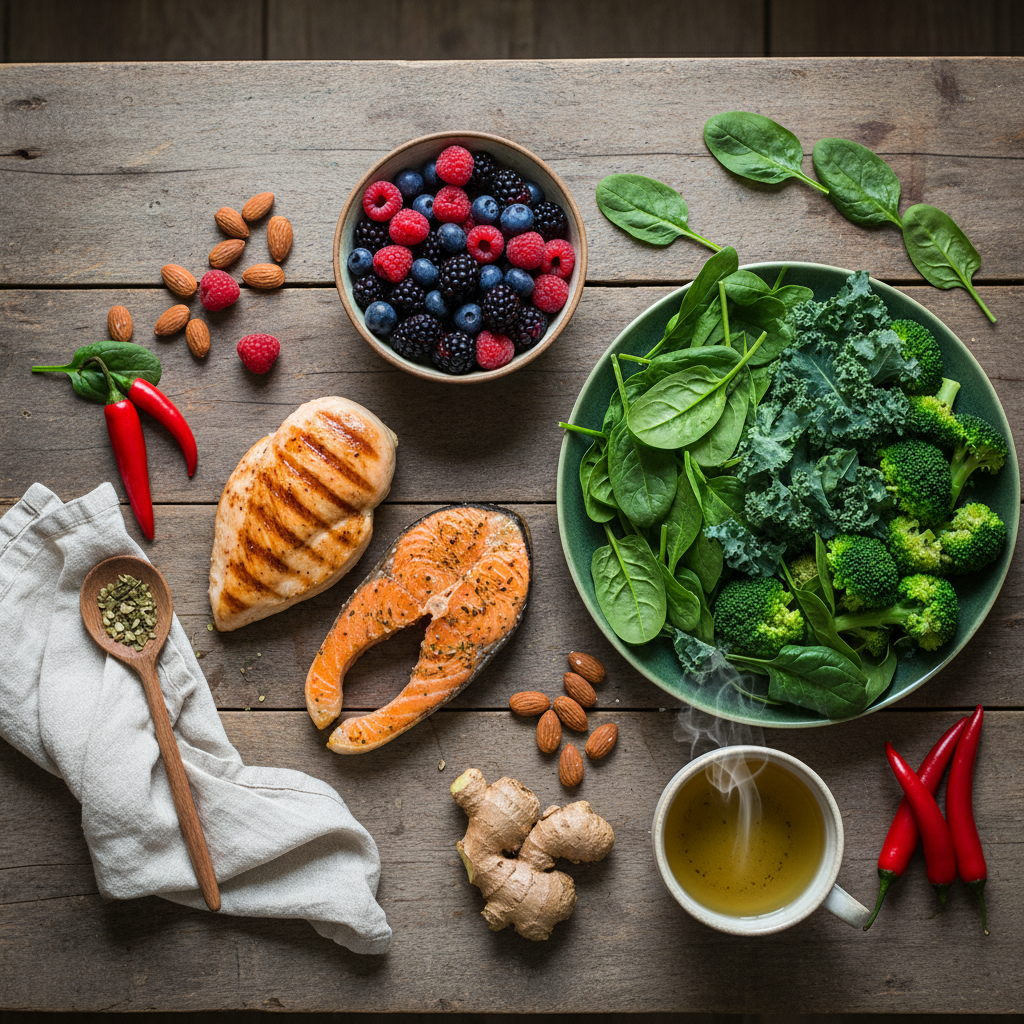
How Food Influences Your Metabolic Rate
The foods you consume have a profound impact on your metabolic rate, primarily through what’s known as the Thermic Effect of Food (TEF) or diet-induced thermogenesis. TEF is the energy expended by your body to digest, absorb, transport, metabolize, and store the nutrients from the food you eat. Different macronutrients have varying TEFs. Protein, for instance, has a much higher TEF than carbohydrates or fats, meaning your body burns more calories just to process it.
The Metabolic Powerhouses: Foods That Naturally Boost Your Engine
Incorporating specific natural foods into your diet can significantly support a healthy, active metabolism. These foods work through various mechanisms, from increasing TEF to balancing blood sugar, enhancing gut health, and providing essential micronutrients.
Protein-Rich Foods: The Thermic Effect Champion
When it comes to boosting metabolism, protein is king. Its high TEF means your body expends more energy digesting protein than it does fats or carbohydrates. Additionally, protein helps preserve and build lean muscle mass, which is metabolically active and burns more calories at rest than fat tissue. Aim for a good source of protein with every meal.

- Lean Meats: Chicken breast, turkey, lean beef, and pork are excellent sources of protein. They provide amino acids essential for muscle repair and growth.
- Fish: Salmon, tuna, cod, and other fish are not only rich in protein but also often contain omega-3 fatty acids, which have anti-inflammatory benefits and may support metabolic health.
- Eggs: A complete protein source, eggs are versatile and packed with nutrients that can kickstart your metabolism, especially when consumed for breakfast.
- Legumes: Lentils, beans (black beans, kidney beans, chickpeas), and peas are plant-based protein powerhouses, also rich in fiber, which aids digestion and satiety.
- Dairy: Greek yogurt, cottage cheese, and milk offer high-quality protein (especially casein and whey) along with calcium, which plays a role in fat metabolism.
Fiber-Filled Foods: Fueling Gut Health and Sustained Energy
Fiber, particularly soluble fiber, is a metabolic marvel. It slows down digestion, promoting feelings of fullness and preventing spikes in blood sugar that can lead to fat storage. Furthermore, fiber feeds beneficial gut bacteria, which produce short-chain fatty acids linked to improved metabolic health and energy regulation.
- Whole Grains: Oats, quinoa, brown rice, barley, and whole-wheat bread are excellent sources of complex carbohydrates and fiber. They provide sustained energy and keep your digestive system humming.
- Fruits: Apples, berries (raspberries, blueberries, blackberries), pears, and oranges are loaded with fiber, vitamins, and antioxidants. Their natural sugars are balanced by fiber, preventing rapid blood sugar increases.
- Vegetables: Broccoli, spinach, kale, Brussels sprouts, and other non-starchy vegetables are incredibly nutrient-dense and high in fiber, with minimal calories. Incorporate a variety into your diet for a broad spectrum of benefits.
Healthy Fats: Essential for Hormonal Balance and Satiety
While often feared, healthy fats are crucial for metabolic function. They help regulate hormones, absorb fat-soluble vitamins, and provide sustained energy. Contrary to popular belief, consuming healthy fats in moderation does not necessarily make you gain weight; they actually contribute to satiety and can reduce overall calorie intake by keeping hunger at bay.
- Avocados: Rich in monounsaturated fats, fiber, and potassium, avocados promote satiety and support cardiovascular health, indirectly benefiting metabolism.
- Nuts and Seeds: Almonds, walnuts, chia seeds, flax seeds, and sunflower seeds are packed with healthy fats, protein, and fiber, making them excellent metabolism-supporting snacks.
- Olive Oil: Extra virgin olive oil, a cornerstone of the Mediterranean diet, contains monounsaturated fats and antioxidants that can reduce inflammation and improve insulin sensitivity.
Spices and Herbs: Nature’s Thermogenic Boosters
Certain spices and herbs don’t just add flavor; they contain compounds that have a thermogenic effect, meaning they can slightly increase your body’s heat production and calorie burn.
- Chili Peppers (Capsaicin): The compound capsaicin, found in chili peppers, can temporarily boost metabolism and promote fat burning.
- Ginger: Known for its anti-inflammatory properties, ginger can also have a thermogenic effect and aid digestion.
- Turmeric (Curcumin): Curcumin, the active compound in turmeric, has powerful anti-inflammatory and antioxidant properties that can support overall metabolic health.
- Cinnamon: This aromatic spice has been shown to improve blood sugar control and insulin sensitivity, both crucial for a healthy metabolism.
Beverages That Rev Up Your Metabolism
Don’t underestimate the power of what you drink. Certain beverages can actively contribute to your metabolic rate.
- Green Tea: Rich in catechins (especially EGCG) and caffeine, green tea is a potent metabolism booster, enhancing both fat oxidation and thermogenesis.
- Coffee: The caffeine in coffee can temporarily increase your metabolic rate and stimulate fat burning. Enjoy it in moderation, preferably black or with minimal additives.
- Water: Staying adequately hydrated is fundamental for all bodily functions, including metabolism. Drinking enough water can even temporarily increase your resting metabolic rate and aid in satiety.
Beyond the Plate: Lifestyle Factors for Optimal Metabolism
While food plays a critical role, a truly optimized metabolism is the result of a holistic approach that includes lifestyle choices.
Regular Physical Activity
Exercise, particularly strength training, builds muscle mass. As mentioned, muscle tissue is more metabolically active than fat, meaning it burns more calories even at rest. Cardiovascular exercise also increases calorie expenditure during and after your workout.
Adequate Sleep
Lack of sleep can disrupt hormones that regulate appetite (ghrelin and leptin) and metabolism, leading to increased cravings and reduced energy expenditure. Aim for 7-9 hours of quality sleep per night.
Stress Management
Chronic stress elevates cortisol levels, which can promote fat storage, especially around the abdomen, and negatively impact insulin sensitivity. Practices like meditation, yoga, or spending time in nature can help manage stress.
Crafting a Metabolism-Boosting Meal Plan: Practical Tips
Integrating these metabolism-friendly foods into your daily routine doesn’t have to be complicated. Here are a few chef-approved tips:
- Start with Protein: Always ensure your breakfast includes a good source of protein to kickstart your metabolism early.
- Fiber at Every Meal: Load up on vegetables, fruits, and whole grains throughout the day.
- Smart Snacking: Opt for nuts, seeds, fruit, or Greek yogurt between meals to maintain energy levels and prevent overeating.
- Spice it Up: Don’t be shy with spices like chili, ginger, and cinnamon in your cooking.
- Hydrate, Hydrate, Hydrate: Keep a water bottle handy and sip throughout the day.
- Mindful Cooking: Prepare meals with whole, unprocessed ingredients. Avoid excessive added sugars and refined carbohydrates.
Common Myths About Metabolism and Diet
It’s important to debunk some common misconceptions that can hinder your metabolic journey:
- “Metabolism slows down drastically after 30”: While there’s a slight decline with age, it’s often exaggerated. Much of the slowdown is due to decreased activity and muscle loss, which can be mitigated.
- “Starvation diets boost metabolism”: Quite the opposite. Severely restricting calories can trigger your body’s survival mechanism, slowing metabolism to conserve energy.
- “Only certain ‘superfoods’ work”: While some foods have a greater impact, a balanced diet rich in a variety of whole, natural foods is far more effective than relying on just a few.
Conclusion: Empower Your Metabolism, Naturally
Embracing foods that improve metabolism naturally is a journey towards greater health and vitality. By focusing on a diet rich in lean protein, fiber-filled produce, healthy fats, and invigorating spices, coupled with smart lifestyle choices, you can effectively stoke your body’s metabolic fire. Remember, consistency is key. Make informed, delicious choices, and watch as your body transforms into a more efficient, energetic, and resilient version of itself. Your metabolism isn’t just a number; it’s a dynamic system that responds beautifully to the right nourishment and care.