The Misconception: Bland and Boring Low-Fat Food
The biggest hurdle people face when transitioning to a lower-fat diet is the pervasive belief that it means sacrificing flavor. Many assume that fat is the sole carrier of taste, and reducing it automatically leads to dull, unsatisfying meals. This couldn’t be further from the truth. While certain fats do contribute to richness and mouthfeel, a well-rounded culinary approach utilizes a symphony of ingredients, spices, herbs, and cooking methods to achieve profound flavors. The secret lies in understanding how to build layers of taste using ingredients that are naturally low in fat or by substituting high-fat components with healthier, equally delicious alternatives.
Why Go Low-Fat? The Health Benefits
Before we dive into the delicious details, let’s briefly touch upon why choosing low-fat meals can be a beneficial dietary strategy for many. Reducing saturated and trans fats, in particular, can contribute significantly to heart health, help manage cholesterol levels, and support weight management. It’s not about eliminating all fats – healthy fats are crucial for nutrient absorption and overall well-being – but rather about making informed choices to reduce excessive intake of fats that offer little nutritional value while being calorie-dense. Embracing a diet rich in lean proteins, whole grains, fruits, and vegetables, prepared with mindful fat usage, is a cornerstone of a healthy lifestyle.
A Chef’s Secrets: How to Inject Flavor into Low-Fat Cooking
As a chef, my toolkit for creating extraordinary flavor extends far beyond the fat content of ingredients. Here are some of my most trusted techniques for making low-fat dishes burst with taste:
Mastering Herbs and Spices
- Fresh Herbs are Key: Basil, cilantro, parsley, chives, dill, mint, and oregano add incredible freshness and aromatic depth without adding fat. Use them generously, especially at the end of cooking.
- Dried Spices for Depth: Cumin, coriander, smoked paprika, chili powder, turmeric, garlic powder, and onion powder create a robust base. Toasting whole spices briefly before grinding or adding them to a dish can intensify their flavor profile significantly.
- Spice Blends: Experiment with pre-made or homemade spice blends like curry powder, za’atar, or herbes de Provence to quickly add complex flavors.
The Power of Acidity
Acids are flavor enhancers that brighten and balance dishes. They cut through richness and make other flavors pop, often replicating the “zing” that fat can provide.
- Citrus Zest and Juice: Lemon, lime, and orange zest contain flavorful oils, while their juices add brightness. Use them in marinades, dressings, or as a finishing touch.
- Vinegars: Balsamic, red wine, apple cider, and rice wine vinegars offer distinct flavor profiles and can add tang to dressings, sauces, and stir-fries.
- Tomatoes: Fresh or canned tomatoes (and their paste) provide natural acidity and umami.
Umami: Your Flavor Accelerator
Umami, often described as a savory, meaty taste, is a game-changer for low-fat cooking. It adds depth and satisfaction without relying on fats.
- Mushrooms: Particularly cremini, shiitake, and dried porcini, are packed with umami. Sauté them (with minimal oil or cooking spray) or add to broths.
- Soy Sauce/Tamari: A staple for savory depth in Asian-inspired dishes and beyond. Look for low-sodium options.
- Nutritional Yeast: A fantastic vegan alternative for a cheesy, nutty umami flavor in sauces, popcorn, or roasted vegetables.
- Aromatics: Garlic and onions, when properly sautéed (again, with minimal oil or water/broth), form the foundation of countless flavorful dishes.
Smart Cooking Methods
The way you cook your food can dramatically impact its flavor and fat content.
- Roasting and Grilling: These methods caramelize natural sugars, creating deep, rich flavors and appealing textures with very little added fat.
- Baking: A gentle cooking method ideal for fish, chicken, and vegetables, allowing flavors to meld.
- Steaming/Poaching: Excellent for delicate proteins and vegetables, retaining nutrients and natural flavors. Use flavorful liquids like broth or wine for poaching.
- Sautéing with Broth/Water: Instead of oil, use a splash of vegetable or chicken broth, or even water, to sauté aromatics and vegetables.
Building Texture and Contrast
A dish with varying textures is inherently more interesting and satisfying. Combine crunchy with soft, creamy with crisp, to elevate your low-fat meals.
- Toasted Nuts/Seeds: A small amount adds crunch and healthy fats (use sparingly for low-fat).
- Crisp Vegetables: Fresh raw veggies or lightly roasted ones provide bite.
- Creamy Bases: Use pureed vegetables, Greek yogurt, or silken tofu for creamy textures without heavy cream.
Delicious Low-Fat Meal Ideas for Every Time of Day
Here are some of my favorite easy low-fat meals that actually taste good, designed to inspire your culinary journey:
Energizing Low-Fat Breakfasts
- Overnight Oats with Berries and Cinnamon: Combine rolled oats with skim milk or unsweetened almond milk, chia seeds, a dash of cinnamon, and a handful of mixed berries. Let it sit overnight. The berries provide natural sweetness and antioxidants, while the oats offer sustained energy.
- Egg White & Veggie Scramble: Sauté bell peppers, spinach, mushrooms, and onions (using cooking spray or a splash of water) then add egg whites. Season with fresh herbs like chives and a pinch of salt and pepper. Serve with a side of whole-wheat toast.
- Greek Yogurt Parfait: Layer plain non-fat Greek yogurt with fresh fruit and a sprinkle of low-fat granola.
Satisfying Low-Fat Lunches
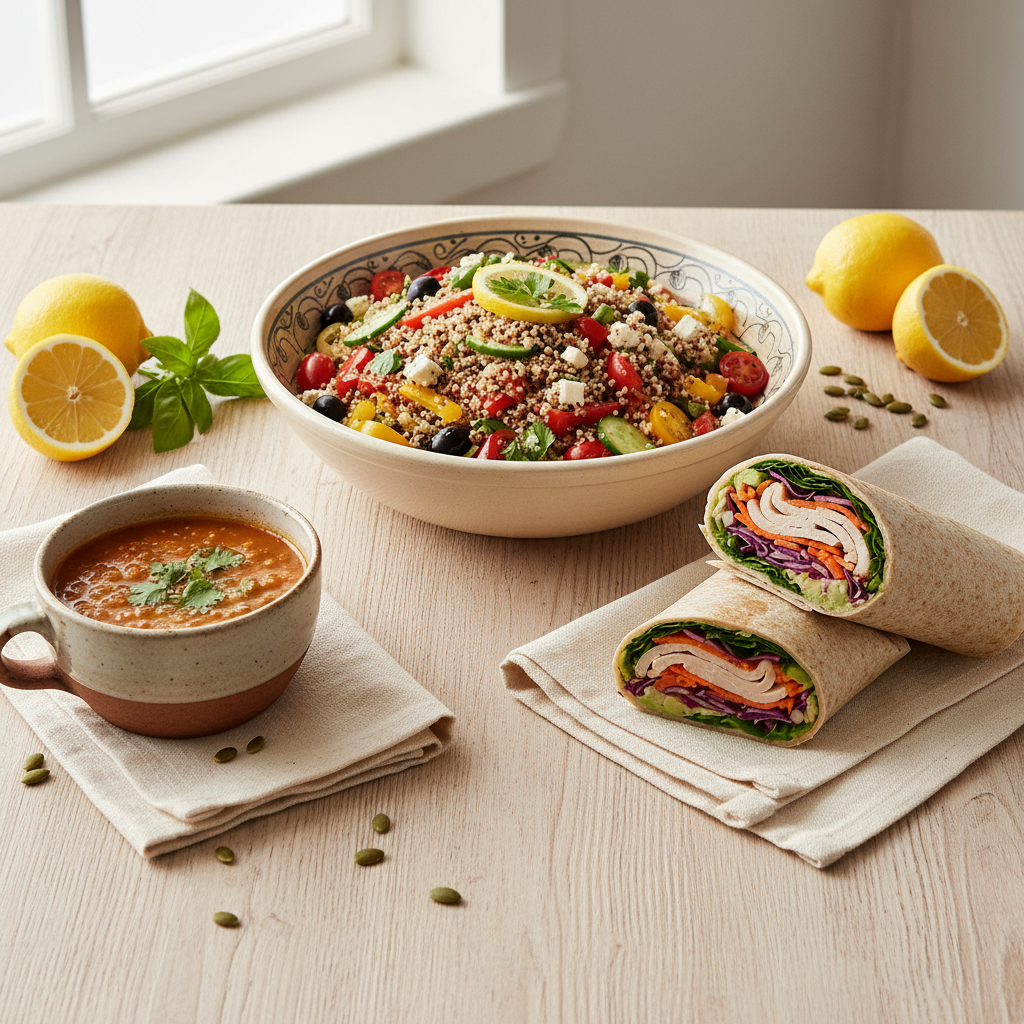
- Mediterranean Quinoa Salad: Cooked quinoa mixed with diced cucumber, tomatoes, red onion, bell peppers, Kalamata olives (in moderation), and a generous amount of fresh parsley and mint. Dress with a light lemon-tahini dressing (tahini, lemon juice, water, garlic) or a simple lemon-herb vinaigrette. Add chickpeas for extra protein.
- Hearty Lentil Soup: A flavorful and filling soup made with lentils, carrots, celery, onions, diced tomatoes, vegetable broth, and plenty of herbs like thyme and bay leaf. It’s naturally low in fat and packed with fiber and protein.
- Lean Turkey & Veggie Wraps: Whole-wheat tortillas filled with sliced lean turkey breast, crisp lettuce, grated carrots, cucumber sticks, and a smear of hummus (choose a low-fat version or make your own with less tahini).
Flavor-Packed Low-Fat Dinners
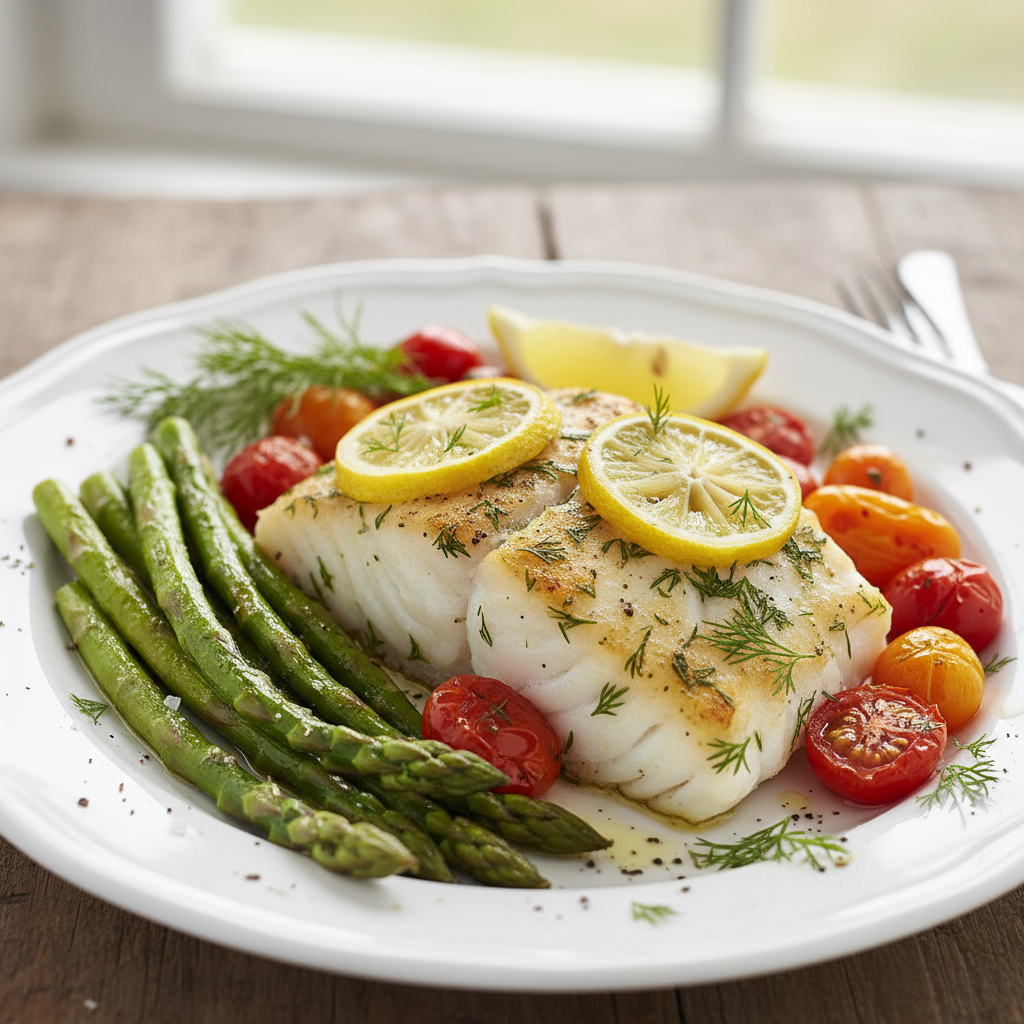
- Lemon Herb Baked Cod with Roasted Vegetables: Season cod fillets generously with lemon zest, fresh dill or parsley, garlic powder, salt, and pepper. Bake until flaky. On the same sheet pan, roast asparagus or broccoli florets tossed with a touch of cooking spray, lemon juice, and a pinch of salt. The roasting brings out their natural sweetness.
- Spicy Chicken and Broccoli Stir-Fry: Sauté lean chicken breast strips with broccoli florets, bell peppers, and snow peas in a wok or large skillet using a minimal amount of sesame oil or cooking spray. Create a vibrant sauce with low-sodium soy sauce, rice vinegar, ginger, garlic, a touch of honey or maple syrup, and a pinch of red pepper flakes for heat. Serve over brown rice or cauliflower rice.
- Sheet Pan Shrimp Fajitas: Toss shrimp, sliced bell peppers, and onions with a homemade fajita seasoning (chili powder, cumin, paprika, garlic powder, onion powder, oregano, salt, pepper) and a minimal amount of cooking spray. Roast until shrimp are pink and veggies are tender-crisp. Serve in warm corn tortillas with fresh salsa and a dollop of non-fat Greek yogurt instead of sour cream.
- Vegetarian Chili with Kidney Beans: A rich chili made with kidney beans, black beans, diced tomatoes, corn, onions, bell peppers, and plenty of chili powder, cumin, and oregano. Simmer until flavors meld. Serve with a sprinkle of fresh cilantro and a tiny dollop of non-fat plain Greek yogurt.
Smart Swaps and Strategies for Everyday Low-Fat Eating
Making low-fat choices is also about intelligent substitutions and consistent habits:
- Choose Lean Proteins: Opt for chicken breast, turkey breast, fish (cod, tilapia, salmon in moderation), egg whites, beans, lentils, and tofu.
- Embrace Whole Grains and Legumes: Brown rice, quinoa, whole-wheat pasta, oats, and a variety of beans and lentils are naturally low in fat, high in fiber, and incredibly satisfying.
- Dairy and Dressing Alternatives: Use skim milk, non-fat Greek yogurt, and low-fat cottage cheese. Make your own salad dressings with vinegar, lemon juice, herbs, and a minimal amount of healthy oil, or use fat-free vinaigrettes.
- Hydration and Healthy Snacking: Drink plenty of water. For snacks, reach for fresh fruits, raw vegetables with low-fat hummus, air-popped popcorn, or a small handful of unsalted nuts (in moderation).
Ready to Savor the Flavor?
The journey to creating truly delicious low-fat meals is one of discovery and creativity. By understanding how to harness the power of herbs, spices, acidity, umami, and smart cooking techniques, you can transform your kitchen into a hub of healthy, flavorful eating. Forget the bland stereotypes; it’s time to embrace a world where healthy food is not just good for you, but genuinely exciting to eat. Experiment with these ideas, trust your palate, and prepare to be delighted by how easy and enjoyable low-fat cooking can truly be.