Why Slow Cooker Meals Are Perfect for Beginners
The slow cooker, also known as a Crock-Pot, has earned its reputation as a kitchen essential for good reason. It’s particularly beneficial for novices due to its forgiving nature and incredible versatility. Let’s dive into why this appliance is your new best friend for healthy cooking:
Simplicity and Convenience
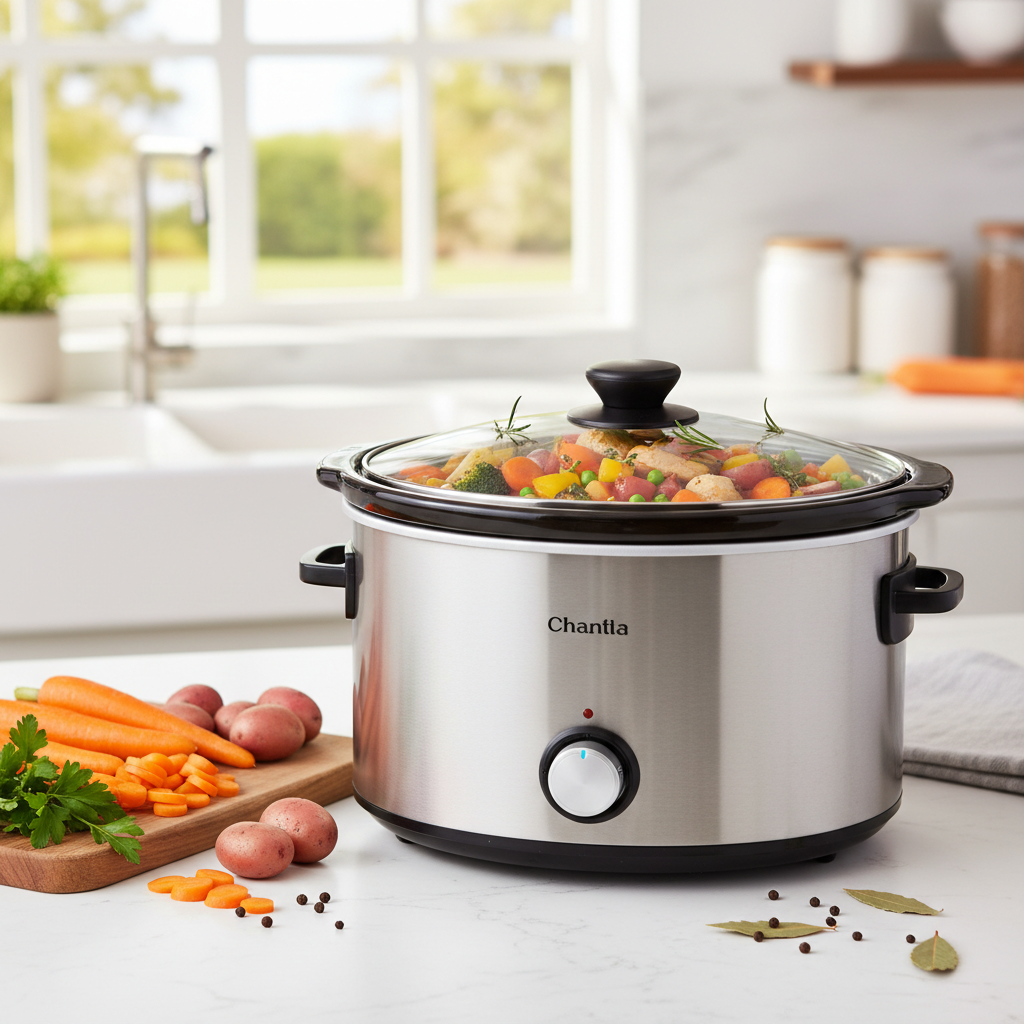
The core appeal of the slow cooker lies in its “set it and forget it” functionality. You simply add your ingredients, set the temperature, and let the appliance do its magic over several hours. This hands-off approach frees up your time, allowing you to focus on other tasks, work, or simply relax, knowing a delicious and healthy meal is cooking itself. There’s no constant stirring, monitoring, or fear of burning; the gentle, consistent heat ensures your food cooks evenly and perfectly.
- Minimal Supervision: No need to stand over a hot stove.
- Effortless Prep: Often involves simple chopping and combining.
- Ready When You Are: Meals are cooked and warm, waiting for you after a long day.
Health Benefits
Slow cooking is inherently a healthy cooking method. It typically requires less added fat compared to other cooking techniques like frying or sautéing. The long cooking times at low temperatures help to break down tough cuts of meat, making them tender and juicy without the need for excessive oils. Furthermore, slow cooking excels at retaining nutrients in vegetables and creating rich, deep flavors from herbs and spices, reducing the need for high-sodium seasonings.
- Nutrient Retention: Gentle cooking helps preserve vitamins and minerals.
- Reduced Fat: Often no need for significant added oils.
- Hydration: Foods cook in their own juices or added broth, keeping them moist.
- Portion Control: Easy to make large batches for healthy meal prep throughout the week.
Budget-Friendly
Slow cookers are fantastic for making your grocery budget stretch further. They’re excellent at tenderizing less expensive, tougher cuts of meat like chuck roast, pork shoulder, or chicken thighs, transforming them into succulent dishes. You can also easily incorporate more affordable ingredients like beans, lentils, and root vegetables, which are both nutritious and economical. Cooking in bulk also reduces reliance on costly takeout or pre-packaged meals.
- Utilize Cheaper Cuts: Tougher meats become melt-in-your-mouth tender.
- Bulk Cooking: Prepare large quantities, saving money and time on future meals.
- Reduce Food Waste: Use up vegetables nearing their prime in hearty stews.
Minimal Cleanup
One-pot meals are a dream come true for anyone dreading post-dinner cleanup. Most slow cooker recipes require only the slow cooker insert, perhaps a cutting board, and a knife. Many inserts are dishwasher-safe, making cleanup quick and hassle-free. This benefit alone can be a huge motivator for beginners to embrace home cooking.

- Single Pot Cooking: Fewer dishes mean less washing up.
- Non-Stick Surfaces: Many inserts are designed for easy cleaning.
Essential Slow Cooker Tips for Newbies
Before you dive into your first slow cooker masterpiece, here are some crucial tips to ensure success and safety:
Choosing the Right Slow Cooker
Slow cookers come in various sizes and with different features. For most beginners, a 5-6 quart slow cooker is a versatile choice, suitable for families of 3-5 or for batch cooking. Consider models with programmable timers that switch to a “warm” setting once cooking is complete, adding an extra layer of convenience. A removable, dishwasher-safe insert is also highly recommended for easy cleanup.
Basic Ingredient Prep
While the slow cooker is forgiving, a little prep goes a long way. Chop vegetables into uniform, bite-sized pieces to ensure even cooking. Larger pieces of meat may need to be cut down to fit the pot and cook thoroughly. For most healthy slow cooker recipes, you’ll simply combine raw ingredients, but sometimes browning meat beforehand can add depth of flavor and better texture.
Layering Ingredients Correctly
This is key for even cooking. Root vegetables like potatoes, carrots, and onions, which take the longest to cook, should always go at the bottom of the pot, closer to the heat source. Place meats on top of the vegetables, and then add softer vegetables (like bell peppers or zucchini) and liquids. This prevents delicate ingredients from becoming overcooked or mushy.
When to Add Dairy and Fresh Herbs
Dairy products (like milk, cream, sour cream, or cheese) can curdle if cooked for too long at high temperatures. Add them in the last 30 minutes to an hour of cooking, stirring them in until just heated through. Similarly, delicate fresh herbs (like parsley, cilantro, or basil) should be stirred in just before serving to preserve their vibrant flavor and color. Dried herbs and spices, however, can be added at the beginning.
Food Safety First
Always ensure frozen ingredients are thawed completely before placing them in the slow cooker. Adding frozen meat can significantly lower the temperature of the slow cooker, potentially keeping food in the “danger zone” (40-140°F / 4-60°C) where bacteria thrive, for too long. Always ensure meat is cooked to its safe internal temperature (e.g., chicken to 165°F / 74°C, beef/pork to 145°F / 63°C, with a 3-minute rest for whole cuts). For more information on food safety, consider resources from reputable organizations like the FDA or USDA.
Don’t Peek!
Resist the urge to lift the lid during cooking. Each time you open the slow cooker, you release a significant amount of heat and moisture, which can extend the cooking time by as much as 30 minutes. Let the slow cooker do its job undisturbed.
Stocking Your Healthy Slow Cooker Pantry
Building a pantry with staple ingredients makes healthy slow cooker cooking even easier. Here are some essentials:
Lean Proteins
- Chicken: Boneless, skinless chicken breasts or thighs are versatile and cook beautifully in a slow cooker.
- Lean Beef: Chuck roast, stewing beef, or lean ground beef (browned and drained first) work well for hearty dishes.
- Pork: Pork loin or pork shoulder (for pulled pork) are excellent options.
- Legumes: Dried or canned beans (black beans, kidney beans, cannellini beans) and lentils are fantastic plant-based protein sources. Always rinse canned beans thoroughly.
Whole Grains & Starches
While some grains like brown rice and quinoa can be cooked directly in the slow cooker with ample liquid, they often yield better results when cooked separately and added at the end, especially for beginners. However, root vegetables like sweet potatoes, potatoes, and butternut squash are perfect for slow cooking.
- Potatoes: Russet, red, or Yukon Gold, cut into chunks.
- Sweet Potatoes: A nutritious and flavorful addition to stews and chilis.
- Quinoa/Brown Rice: Cook separately and serve with your slow cooker meal.
Plenty of Vegetables
Vegetables are key to making your slow cooker meals healthy and packed with nutrients.
- Aromatics: Onions, garlic, celery, and carrots form the flavor base for many dishes.
- Root Vegetables: Parsnips, turnip, and radishes add depth and texture.
- Bell Peppers: Add color and vitamins, especially towards the end of cooking if you prefer a firmer texture.
- Leafy Greens: Spinach, kale, or collard greens can be stirred in during the last 30 minutes to wilt.
- Frozen Vegetables: A convenient option; add them frozen to your slow cooker.
Flavor Boosters
- Broths/Stocks: Low-sodium chicken, beef, or vegetable broth are essential.
- Canned Tomatoes: Diced tomatoes, crushed tomatoes, or tomato paste add body and tang.
- Herbs and Spices: Stock up on dried basil, oregano, thyme, cumin, chili powder, paprika, bay leaves, etc.
- Healthy Fats: A little olive oil for browning, or healthy fats from lean meats.
- Vinegars & Citrus: A splash of apple cider vinegar, balsamic, or lemon/lime juice at the end can brighten flavors.
Top Healthy Slow Cooker Meals for Beginners
Here are some beginner-friendly recipe ideas that are both healthy and incredibly easy to make. Remember, the beauty of the slow cooker is its adaptability, so feel free to adjust ingredients based on what you have on hand or your dietary preferences.
Hearty Chicken Dishes
Chicken is a slow cooker superstar. It comes out tender and succulent, making it ideal for a variety of healthy preparations.
Lemon Herb Chicken & Veggies
This simple dish is packed with flavor and nutrients. Combine chicken breasts or thighs with chopped carrots, potatoes, celery, onions, and garlic. Season generously with dried oregano, thyme, rosemary, salt, and pepper. Add low-sodium chicken broth and a squeeze of fresh lemon juice. Cook on low for 6-8 hours or high for 3-4 hours until chicken is cooked through and vegetables are tender. Garnish with fresh parsley before serving. This makes for a wholesome, complete meal in one pot.
Salsa Chicken
One of the easiest slow cooker meals imaginable! Place boneless, skinless chicken breasts or thighs in the slow cooker. Pour a jar of your favorite salsa over the chicken. Add a can of rinsed black beans and a can of corn (drained). Cook on low for 4-6 hours or high for 2-3 hours. Shred the chicken directly in the pot and mix with the salsa and vegetables. Serve in whole wheat tortillas, over brown rice, or on a bed of lettuce for healthy chicken tacos, bowls, or salads.
Lean Beef & Pork Options
These dishes show how the slow cooker can transform tougher, budget-friendly cuts into fork-tender meals.
Beef and Vegetable Stew
A classic comfort food made healthy. Combine lean stewing beef (trimmed of excess fat) with diced potatoes, carrots, celery, onions, and mushrooms. Add a can of diced tomatoes, low-sodium beef broth, a bay leaf, and seasonings like dried thyme, paprika, salt, and pepper. Cook on low for 7-9 hours or high for 4-5 hours until the beef is incredibly tender. For a thicker stew, you can stir in a cornstarch slurry (cornstarch mixed with a little cold water) during the last 30 minutes. This hearty stew is packed with protein and vegetables.
Healthy Pulled Pork or Chicken
Use a lean pork shoulder (pork butt) or boneless, skinless chicken breasts/thighs. Place in the slow cooker with a low-sugar BBQ sauce (or make your own with tomato paste, apple cider vinegar, a touch of maple syrup, and spices). You can also add a chopped onion. Cook on low for 6-8 hours (pork) or 4-6 hours (chicken) until the meat easily shreds with two forks. Discard any excess fat from the pork. Serve on whole wheat buns with coleslaw, in lettuce wraps, or over a baked sweet potato for a delicious and versatile meal.
Vegetarian & Vegan Delights
The slow cooker is fantastic for plant-based meals, allowing flavors to meld beautifully.
Lentil Soup or Chili
This high-fiber, protein-rich meal is incredibly forgiving. Combine green or brown lentils (rinsed), diced carrots, celery, onion, garlic, canned diced tomatoes, low-sodium vegetable broth, and spices like cumin, chili powder, and dried oregano. Cook on low for 6-8 hours or high for 3-4 hours until lentils are tender. Add a splash of fresh lemon juice or red wine vinegar at the end to brighten the flavors. Serve with a sprinkle of fresh cilantro or a dollop of Greek yogurt (for vegetarians).
Sweet Potato and Black Bean Stew
A comforting and nutritious vegan option. Combine diced sweet potatoes, rinsed black beans, diced bell peppers, onion, garlic, corn, canned diced tomatoes, vegetable broth, and spices such as smoked paprika, cumin, and a pinch of cayenne for heat. Cook on low for 6-8 hours or high for 3-4 hours. Garnish with avocado slices and fresh cilantro. This stew is vibrant, filling, and full of beneficial fiber and vitamins.
Meal Prep Strategies with Your Slow Cooker
Leveraging your slow cooker for meal prep can revolutionize your healthy eating habits, especially for busy beginners.
Batch Cooking for the Week
Dedicate a few hours on a weekend to prepare a large batch of a slow cooker meal. Cook a big pot of chili, a substantial stew, or a large quantity of shredded chicken. Once cooled, divide it into individual portions for quick grab-and-go lunches or dinners throughout the week. This significantly reduces decision fatigue and the temptation for unhealthy takeout.
Freezing Leftovers
Many slow cooker meals freeze beautifully. After cooking and cooling, portion out leftovers into freezer-safe containers or bags. Label with the date and meal name. Most slow cooker dishes will last in the freezer for up to 3 months, providing you with healthy, homemade freezer meals for future busy days. Reheat gently on the stove or in the microwave.
Transforming Leftovers into New Meals
Get creative with your slow cooker leftovers to avoid meal fatigue. For example, leftover slow cooker shredded chicken can be used in:
- Chicken salad sandwiches or lettuce wraps
- Quesadillas or enchiladas
- Added to a simple green salad
- As a topping for baked potatoes or sweet potatoes
Leftover beef stew can be served over pasta, rice, or as a base for a shepherd’s pie. This approach maximizes your effort and keeps your healthy eating exciting.
Common Mistakes Beginners Make (and How to Avoid Them)
Even with the simplicity of slow cooking, there are a few common pitfalls beginners often encounter. Knowing these in advance can save you from culinary disappointments.
Adding Too Much Liquid
Slow cookers create a very moist environment because the lid traps all the steam and condensation. Unlike stove-top cooking where liquid evaporates, very little moisture escapes a slow cooker. This means you generally need less liquid than a traditional recipe calls for. As a rule of thumb, reduce the liquid by about one-third to one-half compared to conventional recipes, unless you’re making a soup. Too much liquid can result in a watery, bland meal.
Overcrowding the Pot
Filling your slow cooker to the brim (beyond two-thirds full) can prevent your food from cooking evenly and reaching safe temperatures. It can also cause the cooking time to increase significantly. Always leave enough space for the heat to circulate properly and for ingredients to simmer.
Cooking Delicate Ingredients Too Long
Some vegetables and proteins don’t hold up well to long cooking times. Delicate vegetables like zucchini, spinach, or bell peppers can turn mushy if added at the beginning. As mentioned earlier, add these during the last 30-60 minutes of cooking. The same applies to fast-cooking proteins like fish, which should only be added for a short period at the end.
Not Adjusting for Altitude
While less common, if you live at a high altitude (above 3,000 feet), water boils at a lower temperature, and food cooks slower. You may need to increase the cooking time in your slow cooker by about 10-15% for every 1,000 feet above 3,000 feet. This isn’t usually a primary concern for beginners but is good to keep in mind for more consistent results.
FAQs about Healthy Slow Cooker Cooking
Let’s address some frequently asked questions that beginners often have:
Q: Can I put raw meat in a slow cooker?
A: Yes, absolutely! Most slow cooker recipes call for raw meat. The low, consistent heat ensures the meat cooks thoroughly and safely. Just make sure it’s thawed completely first and cooked to the proper internal temperature.
Q: How long do slow cooker meals last in the fridge?
A: Cooked slow cooker meals, when properly stored in airtight containers, typically last for 3-4 days in the refrigerator. Always ensure you cool them quickly after cooking (within 2 hours) before refrigerating.
Q: Can I convert any recipe to a slow cooker recipe?
A: While many recipes can be adapted, not all are suitable. Recipes that rely on quick cooking, browning for texture, or delicate ingredients might not translate well. Stews, soups, roasts, and chilis are excellent candidates. Remember to adjust liquid quantities and cooking times. Generally, 1 hour on high in a slow cooker equals about 2-2.5 hours on low.
Q: Is it really healthy to cook for so long? Does it destroy nutrients?
A: Slow cooking, due to its low-heat nature, is often considered a healthy cooking method. While some nutrients (especially water-soluble vitamins like Vitamin C and some B vitamins) can be lost with any cooking method that involves heat and liquid, slow cooking is generally no worse, and often better, than boiling or high-heat frying. The key is that food isn’t exposed to extreme temperatures, which helps preserve more delicate compounds.
Q: Do I need to brown meat first?
A: Browning meat before adding it to the slow cooker is optional but highly recommended for richer flavor and better texture. It caramelizes the exterior of the meat, adding a depth of flavor that you won’t get from simply putting raw meat in the pot. However, if time is a constraint, you can skip this step, and your meal will still be delicious.
Conclusion
Embracing healthy slow cooker meals for beginners is one of the smartest culinary decisions you can make. It’s a pathway to enjoying wholesome, home-cooked food without the stress, time commitment, or extensive cleanup often associated with traditional cooking. From savory chicken dishes to hearty vegetarian stews, the possibilities are endless and deliciously simple. By following these beginner-friendly tips and stocking your pantry with healthy staples, you’ll be well on your way to creating nutritious, flavorful meals that impress your family and friends, all while reclaiming valuable time in your busy schedule. So, plug in your slow cooker, gather your ingredients, and get ready to enjoy the incredible ease and taste of healthy slow-cooked perfection!