What Exactly is “Clean Eating” and Why Zero Processed Foods?
The term “clean eating” has gained significant traction in recent years, but its core philosophy is simple and timeless: consume foods in their most natural, unadulterated state. It’s less about strict dieting rules and more about making conscious, informed choices that prioritize whole ingredients.
Defining Clean Eating
At its heart, clean eating means opting for foods that are as close to their original form as possible. This includes fresh fruits and vegetables, lean proteins, healthy fats, and complex carbohydrates. It emphasizes nutrient density, ensuring that every bite contributes positively to your health. A clean diet minimizes or, ideally, eliminates foods that have undergone significant processing, which often involves adding artificial ingredients, preservatives, excessive sodium, refined sugars, and unhealthy fats.
The Pitfalls of Processed Foods
Modern food production has made convenience a priority, leading to an abundance of processed foods on supermarket shelves. While convenient, these items often come with a heavy cost to our health. Processed foods are typically:
- High in refined sugars, which can lead to energy crashes, weight gain, and increased risk of type 2 diabetes.
- Loaded with unhealthy trans and saturated fats, contributing to heart disease.
- Packed with excessive sodium, which can elevate blood pressure.
- Full of artificial colors, flavors, and preservatives, whose long-term effects on human health are often questionable.
- Depleted of essential nutrients like fiber, vitamins, and minerals due to extensive refining.
- Engineered to be “hyper-palatable,” leading to overconsumption and difficulty in controlling portion sizes.
By making the switch to zero processed foods, you naturally cut out these detrimental components, paving the way for improved well-being.
The Benefits of a Zero-Processed Food Diet
The advantages of embracing a diet rich in whole, unprocessed foods are vast and far-reaching:

- Increased Energy Levels: Stabilized blood sugar from complex carbohydrates and natural sugars prevents energy spikes and crashes, providing sustained energy throughout the day.
- Sustainable Weight Management: Whole foods are generally more filling and lower in calories, fat, and sugar than their processed counterparts. Their fiber content promotes satiety, reducing cravings and overeating.
- Improved Gut Health: The fiber and prebiotics found in fruits, vegetables, and whole grains feed beneficial gut bacteria, leading to better digestion and a stronger immune system.
- Reduced Risk of Chronic Diseases: A diet high in antioxidants, vitamins, and minerals from whole foods helps combat inflammation and oxidative stress, significantly lowering the risk of heart disease, type 2 diabetes, and certain cancers.
- Enhanced Mood and Mental Clarity: Nutrient-dense foods support brain health and neurotransmitter function, which can lead to improved mood, focus, and cognitive performance.
- Better Sleep Quality: Avoiding artificial stimulants and refined sugars, especially in the evening, can promote more restful and restorative sleep.
Core Principles for Crafting Zero-Processed Meals
Adopting a zero-processed food diet doesn’t have to be complicated. It’s about understanding a few fundamental principles that guide your shopping and cooking choices.
Focus on Whole, Unrefined Ingredients
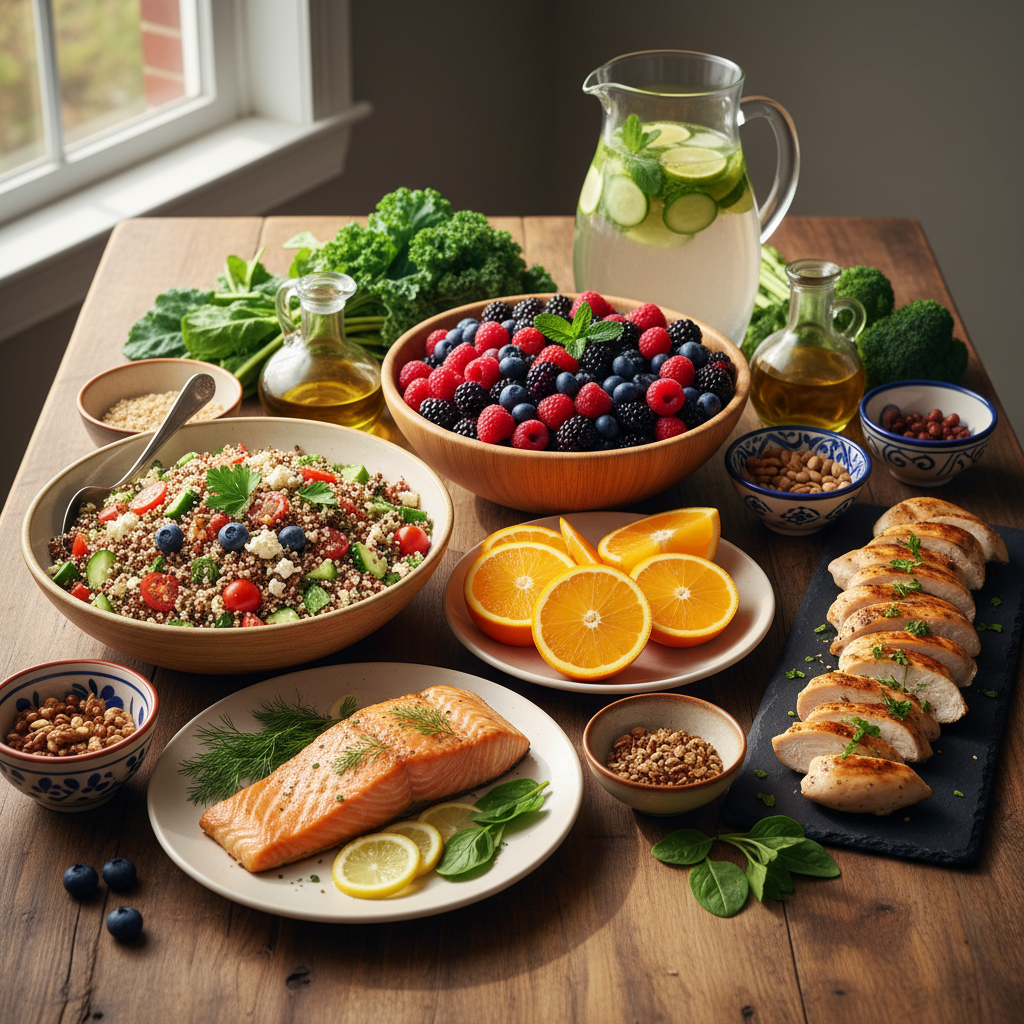
This is the cornerstone of clean eating. Prioritize foods that look like they came straight from the earth or were minimally altered. Think:
- Fruits and Vegetables: An abundance of fresh, frozen (without added sauces or sugars), or even canned (in water with no added salt/sugar) options. Aim for a rainbow of colors to ensure a wide spectrum of nutrients.
- Lean Proteins: Unprocessed meats like chicken breast, turkey, fish, and lean cuts of beef. Plant-based proteins such as beans, lentils, chickpeas, tofu, tempeh, and edamame are also excellent choices.
- Whole Grains: Quinoa, brown rice, oats, farro, barley, and whole-wheat pasta (check ingredients carefully for minimal processing).
- Healthy Fats: Avocados, nuts (raw, unsalted), seeds (chia, flax, hemp), and healthy oils like extra virgin olive oil and avocado oil.
- Legumes: Beans, lentils, and peas, either dried or canned (rinsed thoroughly to remove excess sodium).
Mastering Meal Planning and Preparation
The key to success with clean eating is preparation. Without a plan, it’s easy to fall back on convenient (and often processed) options.
* Weekly Meal Planning: Dedicate time each week to plan your meals and snacks. This helps you create a shopping list and ensures you have all the necessary ingredients on hand. Consider theme nights (e.g., “Meatless Monday,” “Fish Friday”) to make planning enjoyable.
* Batch Cooking: Prepare larger quantities of staples like cooked grains (quinoa, brown rice), roasted vegetables, grilled chicken, or hard-boiled eggs at the beginning of the week. These can be easily incorporated into various meals throughout your busy schedule.
* Pre-chopping: Wash and chop fruits and vegetables as soon as you get them home. Store them in airtight containers for quick additions to salads, stir-fries, or as easy snacks.
Reading Labels (or rather, avoiding them!)
When you focus on whole foods, you largely bypass the need to scrutinize nutrition labels, as these foods typically don’t come with one. However, for items like canned goods, condiments, or frozen produce, a quick glance is crucial. Look for ingredient lists that are short, recognizable, and free from added sugars (often disguised as corn syrup, dextrose, fructose, etc.), artificial sweeteners, hydrogenated oils, and chemical-sounding preservatives.
Hydration is Key
Often overlooked, adequate hydration is a critical component of clean eating. Water aids digestion, nutrient absorption, and helps to distinguish between hunger and thirst. Make water your primary beverage, flavored with lemon, cucumber, or berries if desired, and limit sugary drinks, sodas, and excessive fruit juices.
Breakfast Ideas: Starting Your Day the Clean Way
Begin your day with energy and nutrients to set a positive tone for your entire eating plan.
Overnight Oats with Fresh Berries and Nuts
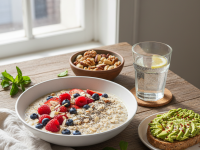
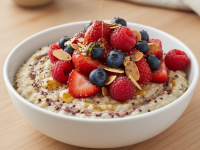
Combine rolled oats, unsweetened almond milk (or water), chia seeds, and a pinch of cinnamon in a jar. Refrigerate overnight. In the morning, top with fresh seasonal berries (strawberries, blueberries, raspberries) and a handful of raw almonds or walnuts for healthy fats and crunch.
Scrambled Eggs with Spinach and Avocado
Whisk two or three eggs with a splash of unsweetened almond milk or water. Scramble them with a generous handful of fresh spinach until wilted. Serve with a quarter of sliced avocado for healthy fats and a sprinkle of black pepper.
Smoothie Bowls Packed with Goodness
Blend frozen banana, a handful of spinach, unsweetened almond milk, and a scoop of protein powder (optional, choose one with minimal ingredients) until thick. Pour into a bowl and top with fresh fruit, chia seeds, and a few goji berries.
Whole-Grain Toast with Nut Butter and Sliced Fruit
If you’re opting for whole-grain bread, choose one with minimal ingredients (e.g., just whole wheat flour, water, yeast, salt). Spread with natural peanut butter or almond butter (ingredients: just nuts) and top with banana slices or apple slices.
Lunch Ideas: Wholesome & Satisfying Mid-Day Meals
Keep your energy stable and avoid the afternoon slump with these nutritious lunch options.
Large Salad with Grilled Chicken or Chickpeas
Build a vibrant salad with mixed greens, chopped cucumbers, bell peppers, cherry tomatoes, shredded carrots, and a handful of sprouts. Top with sliced grilled chicken breast or roasted chickpeas for protein. Dress with a simple vinaigrette made from extra virgin olive oil, apple cider vinegar, Dijon mustard (check ingredients!), and herbs.
Leftover Dinner (The Ultimate Clean Lunch!)
This is where meal prepping shines. Cooking a larger dinner allows for easy, delicious, and clean lunch portions the next day. Think roasted chicken and veggies, lentil soup, or quinoa bowls.
Homemade Soup or Chili
Prepare a big batch of vegetable soup or bean chili using fresh ingredients like diced tomatoes (no added sugar), onions, garlic, carrots, celery, beans, and plenty of herbs and spices. Freeze individual portions for quick lunches throughout the week.
Lettuce Wraps with Lean Protein and Veggies
Fill large lettuce leaves (like butter lettuce or romaine) with ground turkey or chicken sautéed with grated carrots, water chestnuts, and a homemade sauce (soy sauce/tamari, ginger, garlic, a touch of honey). Or, for a vegetarian option, use black beans and corn salsa.
Dinner Ideas: Flavorful & Nourishing Evening Feasts
End your day with satisfying, nutrient-rich meals that are easy to prepare and taste incredible.
Baked Salmon with Roasted Vegetables
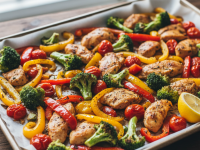
Season a salmon fillet with lemon, dill, salt, and pepper. Bake until flaky. On the same baking sheet, roast a medley of chopped broccoli, bell peppers, zucchini, and sweet potatoes tossed with olive oil, salt, and pepper until tender and slightly caramelized.
Chicken and Vegetable Stir-Fry (with homemade sauce)
Sauté diced chicken breast or firm tofu with a colorful array of vegetables like snap peas, broccoli florets, carrots, and mushrooms. Create a simple stir-fry sauce with tamari or coconut aminos, fresh grated ginger, garlic, and a touch of rice vinegar. Serve over brown rice or quinoa.
Lentil or Black Bean Burgers on Lettuce Buns
Make homemade lentil or black bean patties using cooked lentils/beans, oats, diced onion, garlic, and your favorite spices. Pan-fry or bake them until golden. Serve them nestled in large lettuce leaves with sliced tomato, onion, avocado, and a dollop of homemade salsa.
Quinoa Bowls with Roasted Sweet Potatoes and Kale
Prepare a batch of quinoa. Roast cubed sweet potatoes and sauté kale with garlic until tender. Assemble bowls with quinoa, roasted sweet potatoes, kale, and a handful of toasted pumpkin seeds. Drizzle with a light lemon-tahini dressing (tahini, lemon juice, water, garlic).
Turkey Meatloaf with Steamed Green Beans
Craft a wholesome meatloaf using lean ground turkey, finely diced onions, carrots, bell peppers, oats (as a binder), an egg, and herbs like thyme and oregano. Bake until cooked through. Serve alongside lightly steamed green beans.
Healthy Snacking: Keeping Cravings at Bay (the Clean Way)
Snacks are essential to keep your metabolism humming and prevent overeating at main meals. Choose wisely!
- Fresh Fruit: An apple, banana, pear, or a handful of grapes provides natural sugars and fiber.
- Handful of Raw Nuts or Seeds: Almonds, walnuts, cashews, pumpkin seeds, or sunflower seeds offer healthy fats and protein.
- Vegetable Sticks with Hummus: Carrot sticks, cucumber slices, or bell pepper strips with homemade or store-bought hummus (check ingredients for no added oils or sugars).
- Plain Greek Yogurt with a Drizzle of Honey: Opt for plain, unsweetened Greek yogurt and add a very small drizzle of raw honey or a few berries for sweetness.
- Hard-Boiled Eggs: A convenient and protein-packed snack that keeps you full.
Essential Pantry Staples for Zero-Processed Cooking
Having a well-stocked pantry is crucial for making clean eating a sustainable habit. Here’s a list of staples that will support your culinary adventures:
- Grains: Quinoa, brown rice, rolled oats (old-fashioned), whole-wheat pasta (check ingredients).
- Legumes: Dried or canned black beans, kidney beans, chickpeas, lentils (ensure no added salt/sugar if canned).
- Healthy Fats & Oils: Extra virgin olive oil, avocado oil, coconut oil (for specific uses), raw unsalted nuts and seeds (almonds, walnuts, chia, flax, pumpkin).
- Canned Goods: Diced tomatoes (no added salt/sugar), tomato paste, full-fat coconut milk (for sauces or curries).
- Spices & Herbs: A wide array of dried herbs (oregano, basil, thyme, rosemary) and spices (cumin, paprika, chili powder, turmeric, garlic powder, onion powder). Fresh herbs are also a great addition.
- Vinegars: Apple cider vinegar, balsamic vinegar, red wine vinegar.
- Sweeteners (Minimal Use): Raw honey, pure maple syrup, Medjool dates.
- Flavor Boosters: Tamari or coconut aminos (gluten-free soy sauce alternatives), nutritional yeast, unsweetened mustard (check ingredients).
- Freezer Staples: Frozen fruits (berries, mango), frozen vegetables (broccoli, spinach, corn), lean meats, fish.
Tips for Transitioning and Sticking to a Zero-Processed Diet
Making a significant dietary change can feel daunting, but with these practical tips, your transition to clean eating will be smoother and more sustainable.
- Start Small, Make Gradual Changes: Don’t overhaul your entire pantry overnight. Begin by replacing one processed item with a whole food alternative each week. For example, swap sugary breakfast cereals for oatmeal with fruit, or replace soda with water.
- Cook More at Home: The more you cook, the more control you have over your ingredients. Experiment with new recipes and cooking techniques. Even simple meals like roasted chicken and vegetables are incredibly satisfying and clean.
- Batch Cooking is Your Friend: As mentioned, preparing large quantities of foundational ingredients (cooked grains, roasted veggies, grilled protein) on a dedicated day can save immense time during busy weekdays.
- Don’t Be Afraid of Spices and Herbs: When you remove processed flavors, natural seasonings become your best friends. Experiment with different spices to add depth and excitement to your meals without relying on unhealthy additives.
- Stay Hydrated: Sometimes, what we perceive as hunger is actually thirst. Drink plenty of water throughout the day.
- Seek Support and Inspiration: Join online communities, follow healthy food blogs, or connect with friends who also prioritize clean eating. Sharing recipes and experiences can provide motivation and new ideas.
- Learn to Love Your Vegetables: Find creative ways to incorporate more vegetables into every meal. Roast them, sauté them, add them to smoothies, or spiralize them into “noodles.”
- Be Patient and Kind to Yourself: There will be slip-ups, and that’s okay. Focus on progress, not perfection. Every clean choice you make contributes to your overall health and well-being.
FAQs about Clean Eating with Zero Processed Foods
Is all canned food considered processed?
Not necessarily. While canning is a form of processing, many canned foods can fit into a clean eating diet if chosen wisely. Look for canned beans, lentils, or diced tomatoes with no added salt, sugar, or preservatives. Always rinse canned beans and vegetables thoroughly to reduce sodium content.
What about whole-wheat bread? Is it clean?
This depends entirely on the ingredients. Many “whole-wheat” breads still contain added sugars, unhealthy oils, and dough conditioners. For truly clean eating, seek out bread (if you choose to eat it) that has a very short ingredient list, typically just whole-wheat flour, water, yeast, and salt. Or, consider making your own!
How can I make this diet budget-friendly?
Clean eating doesn’t have to break the bank. Focus on seasonal fruits and vegetables, buy in bulk when possible (for grains, beans, nuts), cook at home, and plan your meals to reduce waste. Frozen fruits and vegetables are often more economical than fresh and just as nutritious. Plant-based proteins like beans and lentils are also very cost-effective.
Is it hard to get enough protein on a zero-processed diet?
Not at all! There are abundant clean sources of protein. For meat-eaters, lean cuts of chicken, turkey, fish, and grass-fed beef are excellent. Vegetarians and vegans have a wealth of options including beans, lentils, chickpeas, quinoa, tofu, tempeh, edamame, nuts, and seeds.
Can I eat out on a clean eating diet?
Yes, but it requires careful choices. Look for restaurants that emphasize fresh, whole ingredients. Opt for grilled or baked proteins, steamed or roasted vegetables, and salads with dressing on the side (ask for oil and vinegar). Don’t be afraid to ask about ingredients and request modifications, such as no butter, no added sugar, or sauce on the side.
Embracing clean eating meals with zero processed foods is more than just a diet; it’s a lifestyle shift that prioritizes your health and vitality. By focusing on whole, natural ingredients, you empower your body with the nutrients it needs to thrive, while simultaneously avoiding the detrimental effects of artificial additives and excessive processing. The journey may require some adjustment and conscious effort, particularly in the initial stages, but the rewards—from increased energy and better digestion to improved mood and a reduced risk of chronic diseases—are immeasurable. Start today by making one simple, clean choice, and watch as your relationship with food transforms, leading you towards a healthier, happier you.