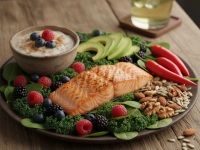
Understanding Rheumatoid Arthritis and Inflammation
Rheumatoid arthritis is a chronic autoimmune disease where the immune system mistakenly attacks the body’s own tissues, primarily affecting the joints. This attack leads to inflammation, causing pain, swelling, stiffness, and potentially joint damage over time. The systemic nature of RA means inflammation can also impact other organs.
While medication is crucial for managing RA, lifestyle interventions, particularly dietary choices, play a significant supportive role. Many foods are known for their anti-inflammatory properties, while others can inadvertently fuel the inflammatory process. Making informed snack choices is a simple yet effective way to complement your medical treatment.
The Role of Diet in Managing RA Symptoms
Dietary patterns can profoundly influence the body’s inflammatory response. Foods rich in certain nutrients can help calm inflammation, reduce oxidative stress, and support a healthy gut microbiome, which is increasingly linked to immune function and autoimmune conditions like RA. Conversely, a diet high in processed foods, unhealthy fats, and refined sugars can exacerbate inflammation and contribute to flare-ups.
By focusing on nutrient-dense, whole foods, individuals with RA can potentially experience reduced pain, stiffness, and fatigue. Strategic snacking can ensure a steady supply of beneficial compounds throughout the day, preventing long gaps between meals that might lead to poor food choices.
Key Anti-Inflammatory Nutrients for RA
When selecting anti-inflammatory snacks, it is helpful to understand which nutrients are most beneficial. Focusing on foods rich in these components can maximize the positive impact on your RA symptoms.

Omega-3 Fatty Acids
Omega-3 fatty acids, particularly EPA and DHA, are renowned for their potent anti-inflammatory effects. They work by reducing the production of inflammatory chemicals in the body, which can help alleviate joint pain and swelling associated with RA. While commonly found in fatty fish, plant-based sources are excellent for snacking.
Antioxidants and Polyphenols
Antioxidants combat oxidative stress, a process that can contribute to inflammation and tissue damage in RA. Polyphenols are a type of antioxidant found in plants that have diverse health benefits, including strong anti-inflammatory actions. Consuming a wide array of colorful fruits and vegetables ensures a broad spectrum of these protective compounds.
Fiber for Gut Health
A healthy gut microbiome is increasingly recognized as crucial for immune system regulation and reducing systemic inflammation. Dietary fiber acts as a prebiotic, feeding beneficial gut bacteria, which in turn produce short-chain fatty acids that have anti-inflammatory properties. High-fiber snacks can therefore support both gut health and overall inflammation management.
Top Anti-Inflammatory Snacks for Rheumatoid Arthritis
Here are some delicious and easy-to-prepare anti-inflammatory snacks that can be incorporated into your daily routine to support your RA management.
Berries (Blueberries, Strawberries, Raspberries)
Berries are packed with antioxidants, particularly anthocyanins, which give them their vibrant colors and powerful anti-inflammatory properties. A handful of fresh or frozen berries makes a refreshing and sweet snack, perfect on their own or mixed into yogurt or smoothies.
Nuts and Seeds (Almonds, Walnuts, Chia Seeds, Flaxseeds)
Many nuts and seeds offer a fantastic combination of healthy fats, fiber, and protein. Walnuts and flaxseeds are particularly rich in alpha-linolenic acid (ALA), a plant-based omega-3 fatty acid. Almonds provide vitamin E, an antioxidant, while chia seeds are a great source of fiber. Always opt for unsalted and raw varieties when possible.
Avocados
Avocados are a powerhouse of healthy monounsaturated fats, fiber, and various vitamins and minerals, including vitamin E and C. Their unique lipid profile also contains compounds that may help reduce inflammation. Enjoy sliced avocado with a pinch of sea salt, or as guacamole with vegetable sticks.
Dark Chocolate (70%+ Cacao)
Good news for chocolate lovers! Dark chocolate with a high cacao content (70% or more) is rich in flavonoids, potent antioxidants with anti-inflammatory effects. Enjoy a small square as a mindful treat, but remember moderation is key due to its calorie content.
Green Tea
More than just a beverage, green tea is celebrated for its high concentration of epigallocatechin gallate (EGCG), a powerful antioxidant. EGCG has been extensively studied for its anti-inflammatory and immune-modulating properties. A warm cup of green tea can be a soothing and beneficial snack alternative.
Ginger and Turmeric-Infused Options
These ancient spices are well-known for their potent anti-inflammatory compounds, gingerols and curcumin, respectively. Consider adding fresh ginger to a smoothie or hot water, or sprinkling turmeric into roasted chickpeas or homemade energy bites. These spices add flavor and a significant health boost.
Whole-Grain Crackers with Hummus or Nut Butter
Choosing whole-grain crackers over refined options provides essential fiber. Pair them with hummus for plant-based protein and fiber, or with a natural nut butter for healthy fats and protein. Ensure your hummus is made with olive oil and your nut butter contains no added sugars or hydrogenated oils.
Veggie Sticks with Guacamole
Crisp vegetable sticks like carrots, celery, bell peppers, or cucumber offer vitamins, minerals, and fiber. Dipping them in homemade guacamole made from fresh avocados provides healthy fats and additional anti-inflammatory benefits. This snack is refreshing, crunchy, and satisfying.
Practical Tips for Incorporating Anti-Inflammatory Snacks
Making anti-inflammatory snacking a consistent habit requires a bit of planning and mindfulness. Here are some practical tips to help you succeed.
Meal Prepping and Planning
Prepare snacks in advance to ensure healthy options are always readily available. Portion out nuts and seeds, wash and cut vegetables, or make a batch of hummus for the week. This reduces the likelihood of reaching for less healthy, processed alternatives when hunger strikes.
Reading Labels
Be a vigilant label reader. Avoid snacks with excessive added sugars, unhealthy trans fats (hydrogenated oils), and artificial ingredients, as these can promote inflammation. Opt for whole, unprocessed foods with minimal ingredients.
Hydration
Sometimes, what feels like hunger is actually thirst. Staying well-hydrated throughout the day is crucial for overall health and can help manage inflammation. Keep a water bottle handy and consider herbal teas as part of your fluid intake.
Listening to Your Body
Everyone’s body responds differently to foods. Pay attention to how certain snacks make you feel. Keep a food diary if necessary to identify any triggers or foods that particularly help your RA symptoms. Always consult with your healthcare provider or a registered dietitian before making significant dietary changes.
Beyond Snacks: A Holistic Approach to RA Management
While anti-inflammatory snacks are a valuable component, managing rheumatoid arthritis is a multifaceted journey. Regular, gentle exercise tailored to your abilities, adequate sleep, and effective stress management techniques are equally important. These lifestyle factors work synergistically with your dietary choices and medical treatment to provide comprehensive symptom relief and improve quality of life.
Conclusion
Incorporating anti-inflammatory snacks for rheumatoid arthritis is a proactive and delicious way to support your health and manage RA symptoms. By choosing foods rich in omega-3s, antioxidants, and fiber, you can help quell inflammation, reduce discomfort, and enhance your overall well-being. Remember that diet is a powerful tool in your RA management toolkit, but it should always complement your prescribed medical treatments. Consult with your doctor or a dietitian to create a personalized nutrition plan that best suits your needs.
1. **Berries:** Icon of blueberries/strawberries, text: “Rich in Antioxidants (Anthocyanins)”
2. **Nuts & Seeds:** Icon of walnuts/chia seeds, text: “Omega-3s, Fiber, Healthy Fats”
3. **Avocado:** Icon of a half avocado, text: “Monounsaturated Fats, Vitamin E”
4. **Green Tea:** Icon of a teacup with a tea leaf, text: “EGCG (Potent Antioxidant)”
5. **Spices:** Icons of ginger and turmeric root, text: “Natural Anti-inflammatory Compounds”
The design should be clean, modern, and easy to read, using a palette of natural, earthy, and fresh colors.