Why a toxin-free nursery matters
Infants breathe more air per pound of body weight than adults and spend long periods close to mattresses, carpets, and soft textiles. This increases their exposure to indoor air contaminants and chemicals that can affect development, sleep quality, and respiratory health.
Reducing chemical exposures early supports better long-term outcomes and helps create a calmer sensory environment for sleep and play.
Key principles for a healthy nursery
1. Choose low-emission building and finishing materials
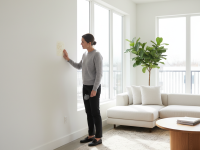
Select low-VOC or zero-VOC paints, water-based finishes, and solid wood furniture finished with safe sealants. Look for products certified by Greenguard Gold or those labeled low-VOC to minimize off-gassing.
Avoid particleboard and plywood with formaldehyde-based adhesives; when possible, choose solid wood or products certified to meet formaldehyde emissions standards.
2. Prioritize certified textiles and mattresses
Choose mattresses and bedding with third-party certifications such as CertiPUR-US (for foam), OEKO-TEX Standard 100, or GOTS (Global Organic Textile Standard) for organic cotton. These certifications reduce the likelihood of harmful chemicals like PBDEs (flame retardants) and phthalates.
Wash new sheets, blankets, and soft toys before use to remove surface residues and dust from manufacturing and shipping.
3. Minimize plastics and PVC products
Avoid vinyl (PVC) rugs, shower curtains, and vinyl-covered changing pads that can contain phthalates and other additives. Opt for natural fibers, silicone, or phthalate-free polypropylene when plastic is necessary.
4. Improve indoor air quality
Ventilate the nursery during and after painting, unboxing furniture, or bringing in new textiles. Open windows when outdoor air quality allows, and use an exhaust fan or cross-ventilation to speed air exchange.
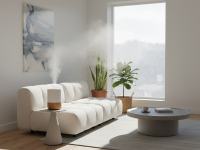
Consider an appropriately sized HEPA air purifier to reduce dust, pet dander, and fine particles. Change filters per manufacturer recommendations to maintain effectiveness.
Practical setup checklist
- Paint: choose zero/low-VOC paints and allow adequate cure time before occupying the room (ventilate during and after painting).
- Furniture: prefer solid wood or furniture with water-based finishes; avoid pressed-wood with formaldehyde adhesives.
- Crib & mattress: choose a JPMA- or CPSC-compliant crib and a mattress with CertiPUR-US or organic certification.
- Textiles: buy OEKO-TEX or GOTS-certified sheets, wash before use, and avoid heavily scented or chemically treated fabrics.
- Flooring: select natural fiber rugs or solid hardwood; if carpet is used, choose low-VOC options and clean regularly with a HEPA-filter vacuum.
- Decor: avoid flame-retardant-treated items and scented air fresheners or plug-ins.
Cleaning and maintenance for safety
Gentle, effective cleaning
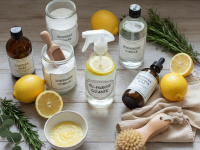
Use simple, fragrance-free cleaners: mild soap and water, white vinegar solutions for many surfaces, and baking soda for spot cleaning. Avoid routine use of bleach and aerosol sprays that introduce irritants to the air.
Vacuum regularly with a HEPA-filter vacuum and mop hard floors with a steam cleaner or microfiber mop to remove dust and residues.
Safe pest and mold control
Practice integrated pest management: seal cracks, store food away from the nursery, and use traps instead of pesticides whenever possible. If mold is present, address moisture sources immediately and hire professionals for significant remediation.
Shopping tips and certifications to trust
Look for trusted seals and verify product claims. Certifications to consider include Greenguard Gold, OEKO-TEX Standard 100, GOTS, CertiPUR-US, and JPMA. These indicate third-party testing for chemical safety and emissions.
Read labels carefully; “natural” or “non-toxic” marketing claims are not regulated and should be supported by certification or ingredient transparency from the manufacturer.
Designing for comfort and safety
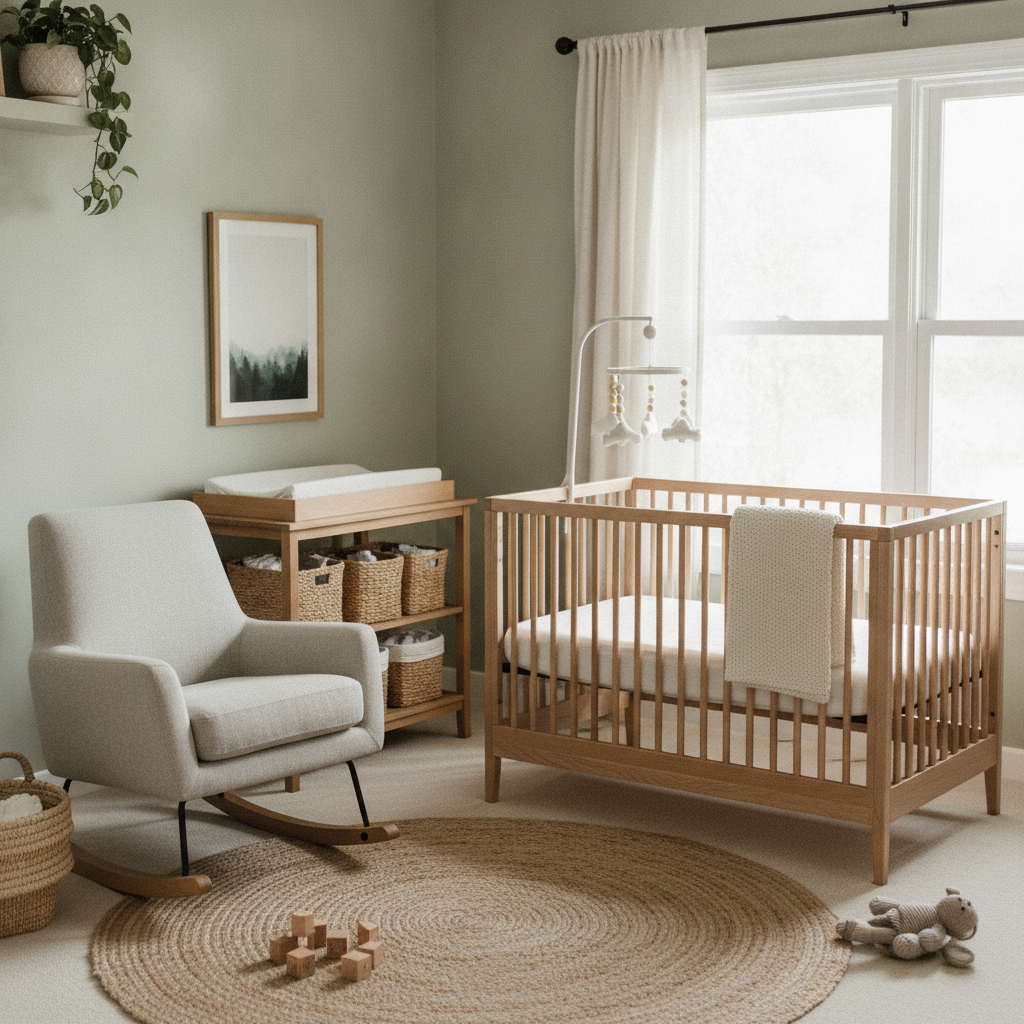
Keep the nursery layout simple and functional: place the crib away from windows and blinds with cords, and use blackout curtains that are low-VOC and free of heavy chemical treatments. Maintain safe sleep guidelines: a firm mattress, a fitted sheet, and no loose bedding or toys in the crib.
Incorporate soft lighting, neutral colors, and textured natural materials to create a calming environment while minimizing exposure to synthetic chemicals.
When to seek professional advice
If your baby has respiratory symptoms, skin irritation, or unusual sensitivities, consult your pediatrician. For significant concerns about indoor air quality or suspected toxic exposures, consider a certified indoor environmental professional for testing and remediation advice.
Final checklist before you bring baby home
- Allow new furniture and paint to off-gas with ventilation for several days (longer if possible).
- Wash all new textiles and air out mattresses and soft goods.
- Install a HEPA air purifier sized for the nursery and replace filters per guidance.
- Remove or replace products that contain PVC, strong fragrances, or unknown chemical treatments.
- Document certifications for major purchases and keep product manuals for safety recall monitoring.
Creating a toxin-free nursery is achievable with planning, informed product choices, and routine maintenance. These steps reduce chemical exposures and support a healthier start for your child, blending safety, comfort, and evidence-based practice.