Probiotic strains for anxiety and mood are an emerging focus in mental health research and consumer interest. Probiotic strains for anxiety and mood — often called psychobiotics — are being studied for their ability to influence the gut-brain axis and support emotional well-being.
Why the gut matters: the gut-brain axis
The gut and brain communicate bidirectionally through neural, hormonal, and immune pathways. This network, called the gut-brain axis, means changes in gut microbes can influence neurotransmitters, inflammation, and stress responses.
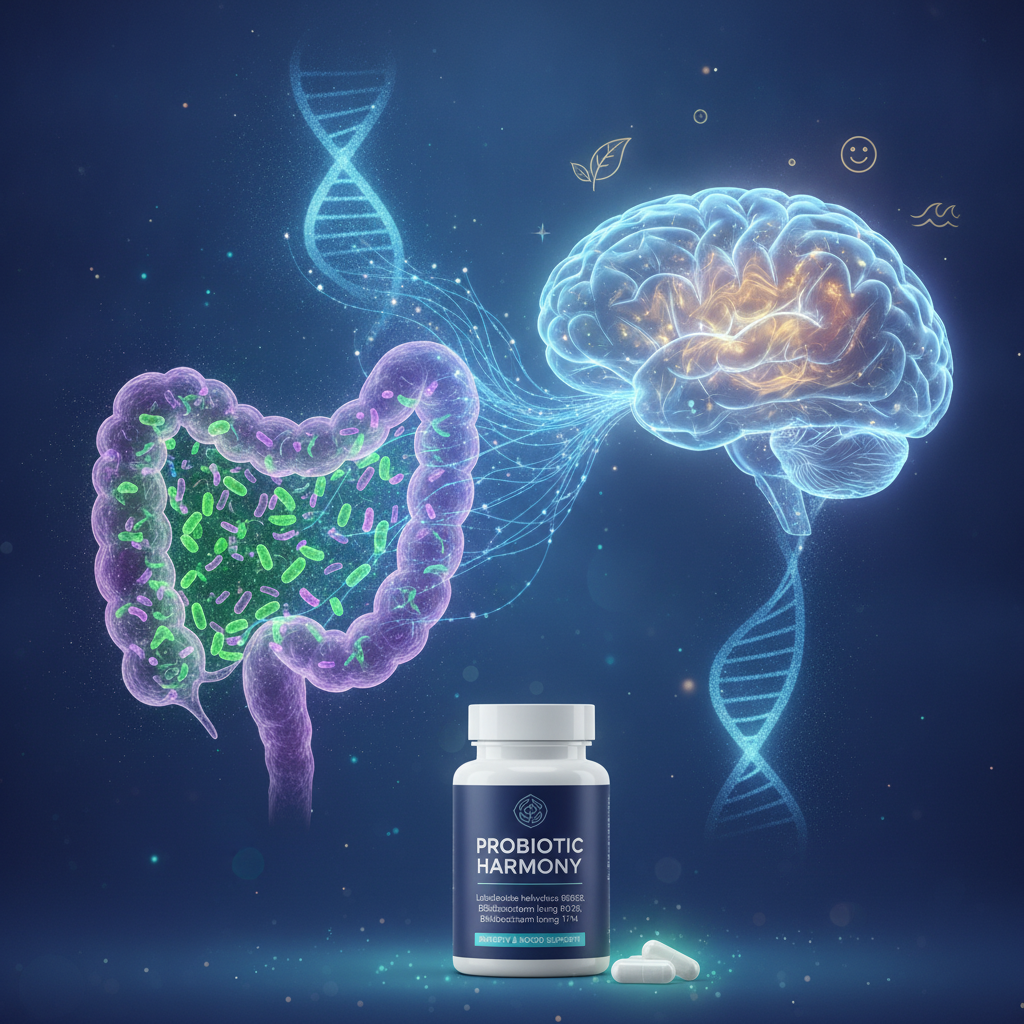
Researchers have linked gut microbiome differences to anxiety, depression, and stress-related disorders. While causation is complex, modulating the microbiome with targeted probiotic strains is a promising strategy backed by growing clinical evidence.
What are psychobiotics?
Psychobiotics is the term used for live organisms that, when ingested in adequate amounts, produce a health benefit in patients suffering from psychiatric illness. The concept was popularized by researchers studying how specific strains affect mood, cognition, and stress resilience.
Not every probiotic qualifies as a psychobiotic; effectiveness depends on strain, dose, and clinical validation. That’s why strain-specific recommendations matter more than generic labels like “probiotic” on a bottle.
Probiotic strains with the best evidence for anxiety and mood
Below are strains and combinations with human or strong preclinical evidence for anxiety, stress, or mood outcomes. Evidence quality varies, and benefits are typically modest but meaningful for some people.
-
Lactobacillus helveticus R0052 + Bifidobacterium longum R0175
This combination has been studied in randomized, double-blind trials showing reduced psychological distress, lower cortisol in healthy volunteers, and improved mood scores. It is one of the most frequently cited multi-strain formulas in psychobiotic research.
-
Bifidobacterium longum (NCC3001)
In clinical studies of patients with irritable bowel syndrome (IBS), B. longum NCC3001 improved depression and quality-of-life measures. These findings support gut-targeted interventions for mood symptoms linked to gastrointestinal conditions.
-
Lactobacillus rhamnosus (preclinical evidence)
Animal studies of L. rhamnosus (notably strain JB-1) showed reductions in anxiety- and depression-like behaviors and altered GABA receptor expression. Human trials are limited and show mixed results, so translation to routine clinical use requires caution.
-
Lactobacillus casei Shirota
Some human studies report improvements in mood and fatigue with L. casei Shirota, particularly in populations with chronic stress or medical conditions. Effects appear modest and may depend on baseline mood and study design.
-
Multi-strain formulations
Multi-strain products combining Lactobacillus and Bifidobacterium species are common in trials and may offer broader benefits. Clinical outcomes depend on the specific strains and their documented dosages.
How strong is the evidence?
Evidence ranges from animal experiments to randomized controlled trials in humans. Meta-analyses suggest a small-to-moderate effect of probiotics on anxiety and depressive symptoms, with heterogeneity across studies.
Key limitations include varying strains, inconsistent dosing, small sample sizes, and short follow-up periods. Still, the consistency of signals across independent studies supports cautious optimism, especially as an adjunct to standard care.
Choosing the right probiotic
When selecting a probiotic for anxiety or mood, prioritize products with clinical evidence for the specific strain(s). Look for strain designations (e.g., Lactobacillus helveticus R0052) and published trials that tested those exact strains.
Other selection criteria include adequate colony-forming units (CFUs), third-party testing (USP, NSF), stability at room temperature if refrigeration is not possible, and transparent labeling of strain names and counts at expiration.
Dosage, duration, and practical tips
Typical therapeutic dosages in trials range from 1 billion to 50 billion CFU per day, depending on the strain and formulation. Many studies show changes after 4–12 weeks, so allow at least one month before judging effect.
Consistency matters. Take probiotics daily as directed, ideally at the same time each day. Pairing with prebiotic fibers and a balanced diet supports colonization and function. If you are taking psychiatric medications or immunosuppressants, discuss probiotic use with your clinician.
Safety and side effects
Probiotics are generally safe for most healthy individuals; common side effects include mild gas and bloating during initial use. Serious adverse events are rare but can occur in severely immunocompromised patients or those with central venous catheters.
Stop the supplement and seek medical advice if you develop severe abdominal pain, fever, or unusual systemic symptoms. Keep your healthcare provider informed about any supplements you take so they can monitor interactions and overall care.
Integrating probiotics into a broader treatment plan
Probiotics should not replace evidence-based treatments for anxiety and depression, such as psychotherapy or medication when indicated. Think of them as a potential adjunct that may enhance resilience, reduce stress-related symptoms, or improve quality of life.
Combining probiotics with lifestyle measures — good sleep, regular exercise, stress management techniques, and a nutrient-rich diet — offers the best chance of meaningful change in mood and anxiety levels.
Practical takeaways
- Prefer clinically studied strains (e.g., L. helveticus R0052 + B. longum R0175, B. longum NCC3001).
- Expect modest improvements over several weeks; monitor symptoms and discuss with your clinician.
- Choose reputable brands with clear strain IDs and third-party testing.
- Use probiotics as part of a comprehensive plan that includes therapy, lifestyle changes, and medical management when needed.
Frequently asked questions
Can probiotics cure anxiety or depression?
No. Current evidence does not support probiotics as a stand-alone cure. They may reduce symptoms for some people and are best used alongside proven treatments.
How long before I notice a difference?
Some people notice changes in 2–4 weeks, while others need 8–12 weeks. Track symptoms and consult your healthcare provider if you see no improvement or you experience side effects.
Are probiotic foods helpful?
Fermented foods like yogurt, kefir, kimchi, and sauerkraut can support gut health and provide beneficial microbes. However, strain-specific supplements are typically necessary when trying to reproduce effects shown in clinical trials.
Closing note from a clinical perspective
As a health consultant with clinical and research familiarity in nutritional psychiatry, I encourage informed, cautious use of psychobiotic probiotics. The science is promising but evolving, so make choices based on documented strains, realistic expectations, and collaboration with your healthcare team.
If you’re considering probiotics for anxiety or mood, bring this information to your clinician and discuss what matches your medical history, current medications, and treatment goals.