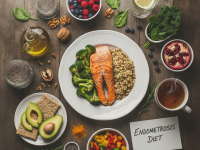
Polycystic ovary syndrome (PCOS) is a complex endocrine condition, and insulin resistance is a common driver of many of its metabolic and reproductive features. This article provides an evidence-based, practical plan to reduce insulin resistance using diet, exercise, medications, supplements, and lifestyle changes aligned with current clinical practice.
Understanding insulin resistance and PCOS
Why insulin resistance matters
Insulin resistance occurs when cells in muscle, fat, and liver respond less effectively to insulin, forcing the pancreas to produce more. In many people with PCOS, higher insulin levels stimulate ovarian androgen production and disrupt normal ovulation, worsening acne, excess hair growth, and irregular cycles.
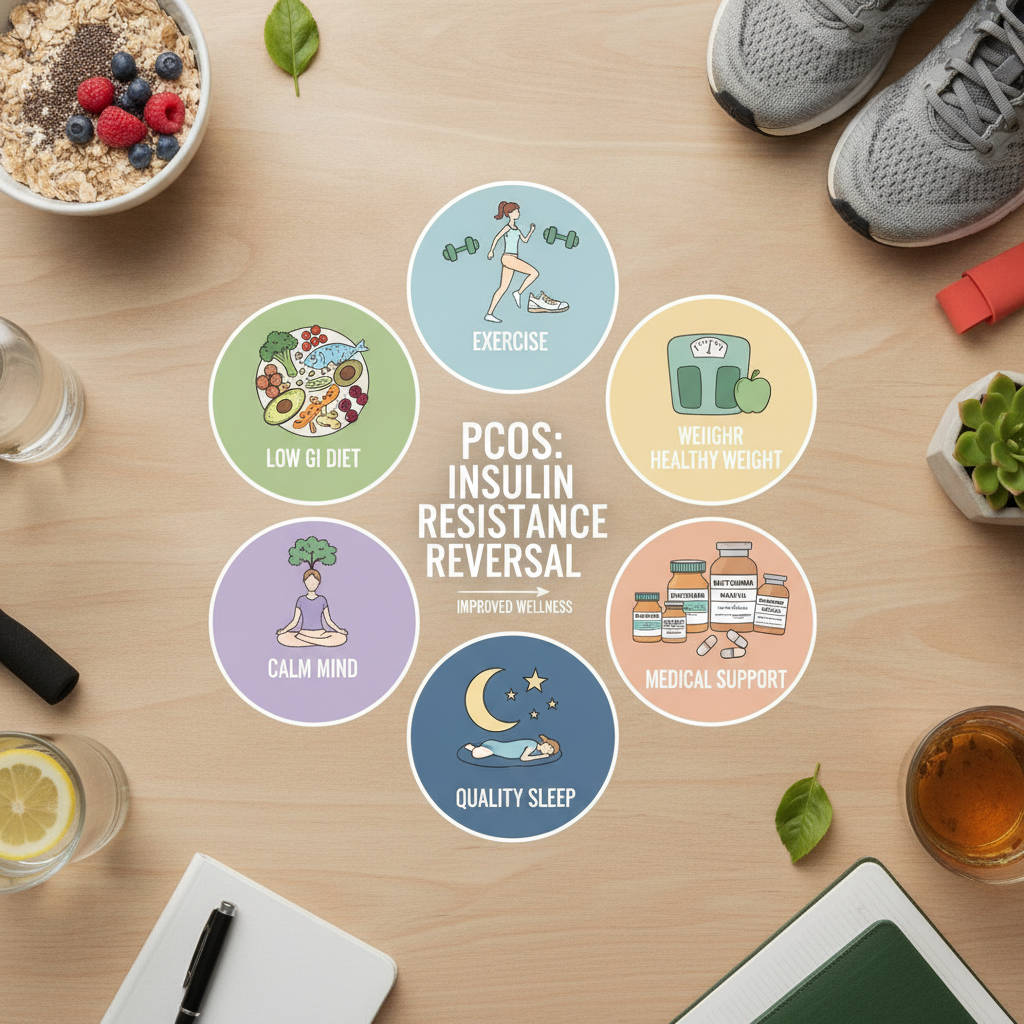
Beyond reproductive symptoms, insulin resistance increases long-term risk for type 2 diabetes, cardiovascular disease, and metabolic syndrome. Addressing insulin resistance early is therefore critical for both short-term symptom control and long-term health.
How insulin affects hormones
Hyperinsulinemia amplifies luteinizing hormone (LH) effects on the ovary and increases androgen synthesis. High androgens then contribute to anovulation and the classic PCOS phenotype. Improving insulin sensitivity reduces insulin-driven androgen production and tends to normalize menstrual cycles and improve fertility outcomes.
Evidence-based strategies to reverse insulin resistance
1. Nutrition: prioritize insulin-friendly dietary approaches
Diet is a cornerstone of reversing insulin resistance. Several dietary patterns reduce fasting insulin and improve metabolic markers, including low-carbohydrate, Mediterranean, and lower-glycemic-index diets. The best approach is individualized, sustainable, and focused on whole foods.
- Reduce refined carbohydrates and added sugars; favor whole grains, legumes, and vegetables.
- Emphasize lean protein and healthy fats (olive oil, avocado, nuts) to improve satiety and glycemic control.
- Consider modest carbohydrate reduction (e.g., 30–40% of calories) if weight loss or improved insulin sensitivity is needed, supervised by a clinician.
- Time-restricted eating or intermittent fasting may help some people but should be used cautiously in those trying to conceive or with a history of disordered eating.
2. Weight management and body composition
Even modest weight loss (5–10% of body weight) improves insulin sensitivity and menstrual regularity in many people with PCOS. Strategies should focus on sustainable calorie reduction, resistance training to preserve lean mass, and behavioral support.
Body composition improvements—reducing visceral fat—often provide metabolic benefits beyond what the scale shows. Measuring waist circumference and body fat percentage can be useful adjuncts to tracking progress.
3. Exercise: combine aerobic and resistance training
Physical activity improves glucose uptake in muscles independently of insulin. A combination of moderate-intensity aerobic exercise (150 minutes/week) and resistance training (2–3 sessions/week) yields the best improvements in insulin sensitivity.
High-intensity interval training (HIIT) can produce rapid gains in insulin action for time-limited schedules, but start gradually and consider medical clearance when necessary.
4. Medications: when lifestyle needs medical support
Metformin is the most widely used medication for insulin resistance in PCOS. It reduces hepatic glucose production and improves peripheral insulin sensitivity. Clinical trials and guidelines support metformin for metabolic management, ovulation induction in some cases, and reducing progression to type 2 diabetes.
Other medications (e.g., thiazolidinediones) improve insulin sensitivity but are used less commonly due to side effects. In fertility care, clinicians may combine metformin with ovulation induction agents. Medication decisions should be individualized and discussed with an endocrinologist or reproductive specialist.
5. Supplements with supporting evidence
Certain supplements have evidence for improving insulin sensitivity in PCOS, though quality and effects vary. Myo-inositol (often combined with D-chiro-inositol in specific ratios) has shown benefits for ovulation and insulin parameters in randomized trials.
Vitamin D deficiency is common in PCOS; correcting deficiency improves metabolic outcomes in some studies. Omega-3 fatty acids can reduce inflammation and may modestly improve insulin resistance. Always review supplements with your clinician to avoid interactions.
6. Sleep, stress, and inflammation
Poor sleep and chronic stress worsen insulin resistance through hormonal pathways (cortisol, sympathetic activation) and appetite dysregulation. Aim for consistent sleep (7–9 hours), stress-reduction practices like mindfulness or cognitive-behavioral approaches, and structured routines.
Targeting inflammation with an anti-inflammatory diet and treating underlying sleep disorders (e.g., sleep apnea) are important adjuncts for improving metabolic health.
Monitoring progress and key tests
Track metabolic improvement with objective measures: fasting insulin, fasting glucose, HbA1c, lipid profile, and weight/waist circumference. An oral glucose tolerance test (OGTT) can unmask impaired glucose tolerance not seen on fasting measures.
Reproductive goals should guide monitoring—if trying to conceive, track menstrual regularity, ovulation (LH kits or progesterone levels), and work with fertility specialists as needed.
When to seek specialist care
See an endocrinologist or reproductive endocrinology specialist if there is severe metabolic dysfunction, difficulty achieving menstrual regularity despite lifestyle changes, or failure to conceive after appropriate attempts. Diabetes prevention clinics and registered dietitians can provide structured weight-loss and lifestyle programs tailored to PCOS.
Putting it together: a practical 12-week plan
- Weeks 1–2: Baseline labs and individualized meal plan focusing on whole foods and reduced refined carbs; start moderate daily activity.
- Weeks 3–6: Add structured resistance training 2×/week and aim for 150 minutes/week of aerobic activity; implement behavior strategies for sleep and stress.
- Weeks 7–12: Evaluate progress; consider adding metformin or supplements if insulin resistance persists; reassess labs and adjust plan.
Conclusion
Insulin resistance reversal for PCOS is achievable through a combination of tailored nutrition, physical activity, weight management, targeted medications, and lifestyle optimization. Interventions that reduce insulin levels tend to improve hormonal balance, menstrual function, and long-term metabolic health.
Treatment should be personalized, evidence-informed, and delivered with support from healthcare professionals when needed. With consistent, sustainable changes and medical guidance, many people with PCOS can substantially improve insulin sensitivity and overall quality of life.