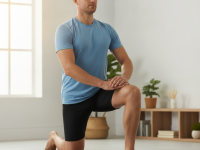
Understanding Ehlers-Danlos syndrome and movement
Ehlers-Danlos syndrome (EDS) refers to a group of connective tissue disorders marked by joint hypermobility, skin that stretches easily, and tissue fragility. The hypermobile subtype (hEDS) is the most common form and often presents with chronic joint pain and frequent dislocations. Each person with EDS has a unique symptom pattern, so movement plans should be individualized.
Why is movement different for EDS? Joints can move beyond normal ranges, and tissues may take longer to recover after stress. This means high-impact or aggressive exercise can raise the risk of injuries. In contrast, low-impact movement trains supporting muscles and improves proprioception without placing excessive strain on fragile structures.
Why low-impact movement matters
Low-impact movement, when done thoughtfully, supports joint stability and bone health while reducing the chance of dislocations. It helps retrain the nervous system to better sense joint position, which can improve balance and reduce fear of movement. For people with EDS, this approach aligns with both physical and daily living goals, from reaching overhead shelves to getting in and out of the car.
Safe activities to consider
Water-based options
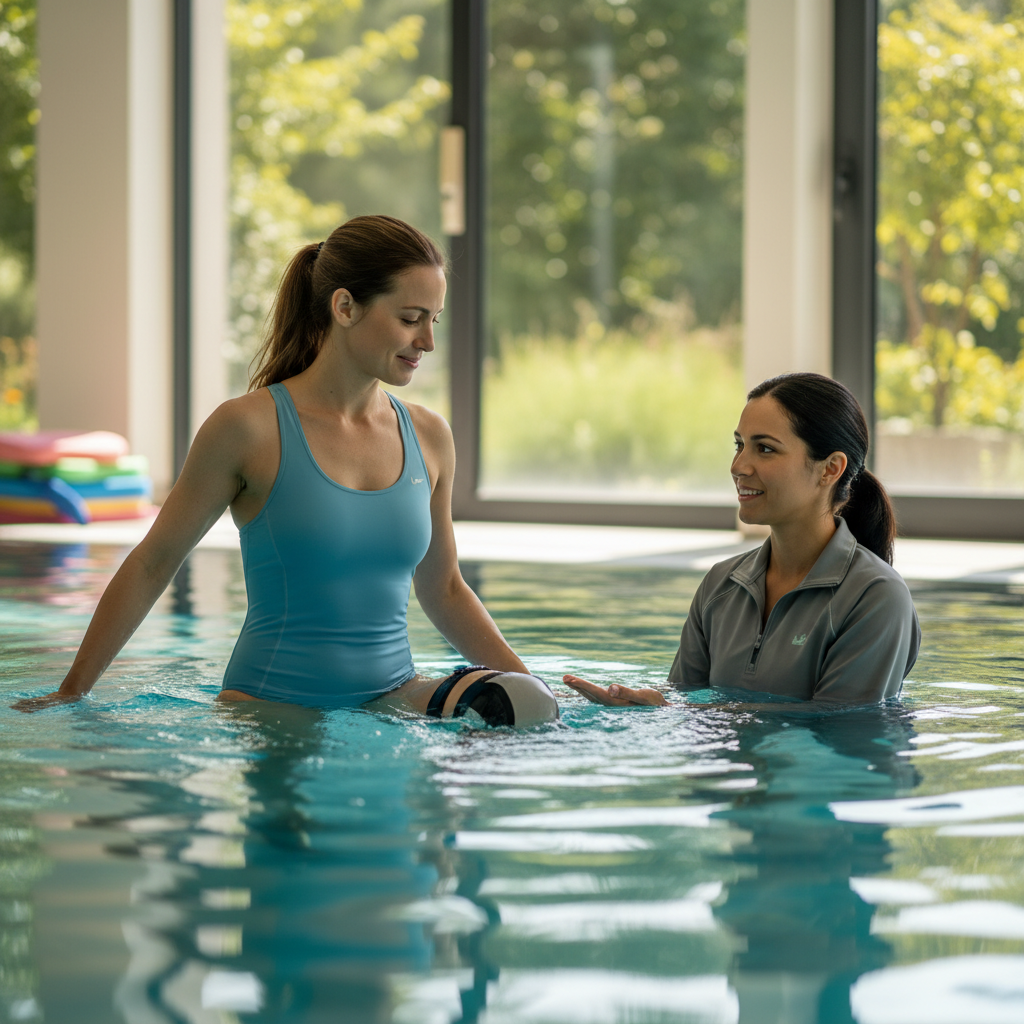
Swimming and aquatic therapy reduce load on the joints due to buoyancy while still offering resistance for strength. Water-based exercise also supports safer movement patterns and can be more comfortable for tender joints.
- Swimming laps with adaptable intensity
- Aquatic therapy under a trained professional
- Water-based cardio and gentle mobility in a shallow pool
Land-based options
Low-impact land activities can be tailored to tolerance levels. Begin with short sessions and progressively increase as comfort allows, always prioritizing alignment and control.
- Stationary cycling with proper saddle height and handle placement
- Walking on soft surfaces with gradual distance increases
- Resistance-band exercises for shoulder and hip stability
- Modified yoga or Pilates focusing on posture and breath
Strength training considerations
Strength work helps joint stability but requires careful planning. Use light loads, avoid end-range positions, and emphasize tempo and control over speed. Integrating proprioceptive cues can enhance joint awareness and reduce injury risk.
Structuring a routine
Core principles
Begin with a 5–10 minute warm-up of dynamic, low-load movements. Maintain steady breathing and focus on posture. Finish with a gentle cool-down that emphasizes mobility and relaxation. Consistency beats intensity in the early stages.
A sample starter plan
Weeks 1–2: 2–3 days per week, 20–30 minutes per session. Use bands or bodyweight with a focus on form.
- Seated leg extensions with chair support
- Seated row with a resistance band
- Pelvic tilts and abdominal bracing
- Modified planks (knees down) or floor bridges
Weeks 3–4: 3–4 days per week, 25–40 minutes. Introduce light progression while monitoring response.
- Glute bridges with a brief peak hold
- Standing hip abduction with light resistance
- Wall push-ups and scapular retraction drills
- Integrated diaphragmatic breathing during movements
Working with professionals
Collaborating with a physical therapist who understands EDS is essential for a personalized plan. A skilled clinician can select safe exercises, monitor for signs of overexertion, and adjust progression to fit daily life demands. If possible, find a therapist experienced with hypermobility spectrum disorders and lifestyle transitions across ages.
Safety, warning signs, and when to pause
Respect your body’s signals and avoid pushing through sharp or escalating pain. Stop if you notice joint swelling, instability, new numbness, or unusual fatigue. If you have vascular EDS or significant organ concerns, consult your clinician before starting any new exercise plan.
Frequently asked questions
Is swimming safe for EDS?
Generally, water-based movement is well tolerated due to reduced joint load, but individual tolerance and supervision are important. Start gently and increase only as joints feel stable.
How do I stay motivated?
Set achievable goals, track progress, and work with a partner or therapist who understands EDS. Consistency and gradual progression typically yield better long-term results than rapid, high-intensity efforts.
Conclusion
Incorporating low-impact movement for Ehlers-Danlos syndrome into daily life can support mobility, confidence, and long-term joint health. By choosing safe activities, progressing thoughtfully, and collaborating with experienced clinicians, individuals with EDS can experience meaningful improvements without a high injury risk.
An infographic-style illustration showing four safe, low-impact activities for EDS: swimming, stationary cycling, resistance-band exercises, and modified yoga. Include labeled arrows for progression, principles such as warm-up, slow tempo, and avoiding end-range positions, and a small “do’s and don’ts” box. Use a clean, accessible color palette with icons and captions. Include a concise 3-2-1 progression flow and a diverse, realistic depiction of adults with hypermobility-friendly gear.