This comprehensive guide will empower you with the knowledge and practical strategies to ensure you meet your iron needs, harness the full potential of plant-based nutrition, and thrive on your vegan journey, even if you are anemic.
Understanding Anemia and Iron Deficiency in Vegans
Anemia is a common blood condition, and while often associated with certain dietary patterns, it can affect anyone. For vegans, understanding the nuances of iron absorption is key to prevention and management.
What is Anemia?
Anemia occurs when your blood lacks enough healthy red blood cells to carry adequate oxygen to your body’s tissues. Iron deficiency anemia, the most common type, results from insufficient iron to produce hemoglobin, the protein in red blood cells that transports oxygen.
Symptoms of anemia can range from mild to severe and include persistent fatigue, weakness, pale skin, shortness of breath, dizziness, and cold hands and feet. If you experience these symptoms, it is vital to consult a healthcare professional for diagnosis and personalized advice.
The Vegan Iron Challenge: Heme vs. Non-Heme Iron
Iron comes in two primary forms: heme iron and non-heme iron. Heme iron is found exclusively in animal products, such as meat, poultry, and fish, and is highly bioavailable, meaning the body absorbs it easily.
Non-heme iron, on the other hand, is present in both plant foods and animal products. While non-heme iron is generally less bioavailable than heme iron, this does not mean vegans are inherently destined for iron deficiency. With strategic dietary planning, vegans can effectively absorb and utilize non-heme iron to meet their nutritional requirements and even overcome anemia.
Top Plant-Based Iron Sources for Anemic Vegans
A well-planned vegan diet is rich in numerous iron-containing foods. Incorporating a variety of these into your daily meals will significantly contribute to your iron intake.
Legumes: The Powerhouses
Legumes are staples in a vegan diet and are excellent sources of non-heme iron, along with protein and fiber. They are versatile and can be incorporated into countless dishes.
- Lentils: One cup of cooked lentils provides approximately 6.6 mg of iron. They are perfect for soups, stews, and salads.
- Beans: Varieties like black beans, kidney beans, and pinto beans offer about 3.6-5.2 mg of iron per cooked cup.
- Chickpeas: Also known as garbanzo beans, a cup of cooked chickpeas contains around 4.7 mg of iron, great for hummus, curries, or roasted snacks.
- Soybeans and Soy Products: Edamame (green soybeans) provides about 3.5 mg of iron per cup. Tofu and tempeh, made from soybeans, also offer significant iron, with firm tofu containing around 6.6 mg per half cup and tempeh about 4.5 mg.
Dark Leafy Greens: Nutrient-Dense Choices
Beyond their overall health benefits, many dark leafy greens are surprisingly good sources of iron. They are also packed with vitamins and antioxidants.
- Spinach: A cup of cooked spinach provides approximately 6.4 mg of iron. Its versatility makes it easy to add to almost any meal.
- Kale: While slightly lower in iron than spinach, kale still contributes with about 1.1 mg per cooked cup, alongside a wealth of other nutrients.
- Swiss Chard and Collard Greens: These hearty greens also offer iron, with Swiss chard providing about 4 mg per cooked cup.
Whole Grains: More Than Just Fiber
Whole grains are essential for a balanced diet, offering not just fiber but also valuable minerals, including iron.
- Oats: A half cup of dry oats contains roughly 3.4 mg of iron, making it an excellent breakfast option.
- Quinoa: This complete protein also provides about 2.8 mg of iron per cooked cup.
- Brown Rice: While less than other grains, brown rice offers about 0.8 mg of iron per cooked cup, an improvement over white rice.
- Whole Wheat Bread: Two slices can provide around 1.3 mg of iron.
Nuts and Seeds: Small but Mighty
Don’t underestimate the iron power packed into nuts and seeds. They are also rich in healthy fats, protein, and other micronutrients.
- Pumpkin Seeds: A quarter cup offers an impressive 4.2 mg of iron.
- Sesame Seeds (Tahini): Two tablespoons of tahini (sesame paste) contain about 2.7 mg of iron.
- Cashews: A quarter cup provides approximately 1.9 mg of iron.
- Flax Seeds: While not as high in iron as some others, flax seeds still contribute about 0.6 mg per two tablespoons.
Dried Fruits: A Sweet Iron Boost
Dried fruits can be a convenient source of iron, though their sugar content means they should be consumed in moderation.
- Prunes: Half a cup of prunes provides about 0.9 mg of iron.
- Raisins: Half a cup of raisins offers around 1.3 mg of iron.
- Dried Apricots: Half a cup of dried apricots contains approximately 3.4 mg of iron.
Fortified Foods: Strategic Supplements
Many plant-based foods are fortified with iron to help individuals meet their daily requirements. Always check food labels for iron content.
- Fortified Cereals: Many breakfast cereals are fortified with significant amounts of iron.
- Plant Milks: Some plant-based milks (soy, almond, oat) are fortified with iron, calcium, and vitamin D.
Maximizing Non-Heme Iron Absorption: Essential Strategies
Simply consuming iron-rich plant foods is a great start, but understanding how to maximize the absorption of non-heme iron is critical, especially for anemic individuals.
Pair with Vitamin C
This is arguably the most powerful strategy for boosting non-heme iron absorption. Vitamin C converts non-heme iron into a form that is more easily absorbed by the body.
Aim to consume vitamin C-rich foods alongside your iron-rich meals. Excellent sources of vitamin C include citrus fruits (oranges, grapefruit), bell peppers, broccoli, berries, kiwi, tomatoes, and leafy greens.
Avoid Iron Inhibitors
Certain compounds can inhibit iron absorption. Being mindful of these can help optimize your iron intake.
- Phytates: Found in whole grains, legumes, and nuts, phytates can reduce iron absorption. Soaking, sprouting, fermenting, and cooking these foods can significantly reduce their phytate content, improving mineral availability.
- Tannins: Found in tea and coffee, tannins can inhibit iron absorption. It is advisable to consume tea and coffee between meals rather than with iron-rich foods.
- Calcium: High doses of calcium from supplements can interfere with iron absorption. While dietary calcium generally does not pose a significant issue, if you take calcium supplements, consider taking them at a different time of day than your iron-rich meals.
Cook in Cast Iron
Using cast iron cookware can subtly increase the iron content of your food. While the amount absorbed is small, every little bit helps, especially for those managing anemia.
Monitor and Supplement When Necessary
For anemic vegans, regular blood tests are essential to monitor iron levels. While diet can make a significant impact, some individuals may require iron supplementation.
Never start iron supplementation without consulting a healthcare professional, as excessive iron can be harmful. Your doctor can recommend the appropriate type and dosage of iron supplements based on your specific needs.
Creating an Iron-Rich Vegan Meal Plan
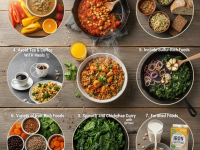
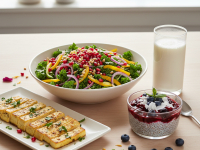
Integrating these strategies into your daily routine can be simple and delicious. Here are some ideas for iron-rich vegan meals.
Breakfast Ideas
- Oatmeal topped with pumpkin seeds, a handful of berries (vitamin C), and fortified plant milk.
- A smoothie blending spinach, fortified plant milk, banana, and a vitamin C-rich fruit like orange or kiwi.
Lunch and Dinner Options
- Lentil soup served with a side salad of spinach, bell peppers, and a lemon-tahini dressing.
- Tofu and kale stir-fry with brown rice, ensuring plenty of vitamin C-rich vegetables like broccoli and bell peppers.
- Chickpea and spinach curry served with whole wheat roti (flatbread) and a squeeze of lime.
Snacks for an Iron Boost
- Hummus made from chickpeas, served with whole-wheat pita bread and red bell pepper strips.
- A handful of dried apricots and cashews for a quick, iron-rich pick-me-up.
- Edamame pods steamed and lightly salted.
Embracing a vegan lifestyle while addressing anemia is entirely achievable with careful planning and an understanding of how to optimize your plant-based iron intake. By focusing on a diverse array of iron-rich plant foods and implementing strategies to enhance absorption, anemic vegans can confidently build a diet that supports their health and well-being. Always remember to consult with a healthcare professional or registered dietitian for personalized advice and monitoring, especially when managing a condition like anemia.