Far beyond simply moving air in and out of your lungs, diaphragmatic breathing activates your innermost core muscles, creating an internal brace that supports your spine and improves overall functional movement. Understanding and implementing this technique can unlock a new level of strength and awareness for anyone looking to optimize their physical well-being.
Understanding Your Core: More Than Just Abs
When most people think of the “core,” they picture a six-pack. However, the true core is a much more intricate and integrated system of muscles, connecting your spine, pelvis, and rib cage. It’s designed to stabilize your trunk, facilitate movement, and protect your vital organs.
The “Inner Core” Unit
The true core musculature, often referred to as the “inner core,” is a cylindrical unit comprising four key muscles that work synergistically. These include the diaphragm (the primary muscle of respiration), the transverse abdominis (TA, a deep abdominal muscle that acts like a natural corset), the multifidus (small muscles that stabilize the spine), and the pelvic floor muscles. For optimal core stability, all four components must work in harmony, and the diaphragm plays a central role in coordinating this unit.
The Role of Intra-Abdominal Pressure (IAP)
One of the most critical mechanisms for core stability is the generation of intra-abdominal pressure (IAP). When you inhale deeply using your diaphragm, it descends, pushing down on your abdominal contents. In a coordinated effort, the transverse abdominis and pelvic floor muscles contract, creating a pressurized cylinder. This increase in IAP acts as an internal brace, providing significant stability to the lumbar spine and pelvis, which is crucial for lifting, bending, and maintaining good posture.
What is Diaphragmatic Breathing? The Science Behind the Stability
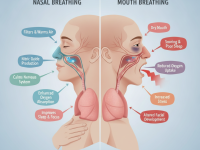
Diaphragmatic breathing, also known as belly breathing or abdominal breathing, is a technique that engages the diaphragm, a dome-shaped muscle located just below the lungs. Unlike shallow chest breathing, which relies on accessory muscles in the neck and shoulders, diaphragmatic breathing encourages deeper, more efficient oxygen exchange.
How the Diaphragm Works
During inhalation, the diaphragm contracts and moves downward, creating a vacuum that pulls air into the lungs. This downward movement causes the abdomen to gently expand. During exhalation, the diaphragm relaxes and moves upward, pushing air out of the lungs. This natural, rhythmic movement is fundamental not only for breathing but also for initiating core engagement.
The Synchronized Movement for Stability
The beauty of diaphragmatic breathing for core stability lies in its ability to naturally synchronize the inner core unit. As the diaphragm moves down on inhalation, it gently activates the pelvic floor and helps to create the initial conditions for optimal IAP. On exhalation, the coordinated contraction of the transverse abdominis and pelvic floor muscles completes the stabilization process, creating a powerful, yet flexible, core brace.
The Direct Link: Diaphragmatic Breathing and Core Stability
The connection between diaphragmatic breathing and a strong, stable core is direct and undeniable. By mastering this fundamental breathing pattern, you can significantly improve your body’s ability to support itself during various activities.
Activating the Transverse Abdominis and Pelvic Floor
One of the most significant benefits is the gentle, yet powerful, activation of the transverse abdominis (TA) and pelvic floor muscles. When you inhale deeply with your diaphragm, your pelvic floor naturally descends and relaxes. As you exhale slowly and completely, the diaphragm rises, and the TA and pelvic floor muscles naturally contract and lift. This automatic engagement trains these crucial stability muscles to work together efficiently, enhancing their strength and responsiveness.
Enhancing Postural Control and Balance
A well-coordinated inner core unit provides the foundational support needed for excellent posture. By stabilizing the trunk, diaphragmatic breathing helps to align the spine, reducing strain on postural muscles and promoting an upright stance. This improved stability also translates into better balance, making everyday movements safer and more efficient, and reducing the risk of falls.
Preventing and Alleviating Back Pain
Chronic low back pain is often linked to poor core stability and inefficient breathing patterns. By strengthening the deep core muscles and optimizing intra-abdominal pressure, diaphragmatic breathing creates a natural protective brace for the spine. This can significantly reduce the load on your vertebral discs and surrounding ligaments, helping to prevent the onset of back pain and alleviate existing discomfort.
Practical Guide: How to Practice Diaphragmatic Breathing for Core Stability
Integrating diaphragmatic breathing into your daily routine is a simple yet effective way to improve your core stability. Consistent practice is key to making it a natural habit.
Finding Your Position
Start by lying on your back with your knees bent and feet flat on the floor, about hip-width apart. Place one hand on your chest and the other on your abdomen, just below your rib cage. This position allows you to feel the movement of your diaphragm.
The Breathing Technique
- Inhale: Slowly and deeply inhale through your nose, allowing your abdomen to rise. You should feel the hand on your stomach rise, while the hand on your chest remains relatively still. Imagine filling your belly with air, rather than just your chest.
- Exhale: Exhale slowly and gently through pursed lips, as if blowing out a candle. Feel your abdominal muscles gently contract as your belly button draws towards your spine. The hand on your stomach should lower. Focus on a long, controlled exhale, emptying your lungs completely.
Aim for 5-10 minutes of practice, 2-3 times a day. As you become more comfortable, you can practice in a seated position or even standing.
Integrating into Daily Life and Exercise
Once you’ve mastered the technique, try to incorporate it into your daily activities. Practice while walking, sitting at your desk, or even during light exercise. Consciously engaging your diaphragm before lifting objects, performing squats, or even during planks can significantly enhance your core’s stability and protect your spine.
Beyond Stability: Additional Benefits of Diaphragmatic Breathing
While invaluable for core stability, diaphragmatic breathing offers a wealth of other health benefits that extend far beyond physical strength.
Stress Reduction and Nervous System Regulation
Diaphragmatic breathing stimulates the vagus nerve, a key component of the parasympathetic nervous system, responsible for the body’s “rest and digest” response. Regular practice can lower heart rate, reduce blood pressure, decrease muscle tension, and alleviate anxiety, promoting a profound sense of calm.
Improved Oxygenation and Lung Function
By engaging the diaphragm, you allow for a fuller expansion of the lungs, particularly the lower lobes, leading to more efficient oxygen intake and carbon dioxide expulsion. This improved gas exchange can enhance overall energy levels and reduce feelings of fatigue.
Enhanced Athletic Performance
Athletes can benefit significantly from improved diaphragmatic breathing. Not only does it provide a stable core for powerful movements, but it also improves oxygen delivery to working muscles, delays fatigue, and enhances recovery. Better breath control can lead to more sustained performance and greater endurance.
Embracing diaphragmatic breathing is an investment in your overall health and well-being. It’s a simple, free, and accessible practice that holds the key to unlocking a stronger core, better posture, reduced pain, and a calmer mind. Start practicing today to experience the transformative power of your breath.