Understanding Patellofemoral Pain Syndrome (PFPS)
Patellofemoral Pain Syndrome, often referred to as PFPS or “runner’s knee,” is a common condition characterized by pain around or behind the kneecap (patella). This discomfort typically worsens with activities such as running, jumping, squatting, climbing stairs, or even prolonged sitting with bent knees. It can affect anyone, from athletes to office workers, significantly impacting quality of life and athletic performance.
What Causes PFPS?
The exact cause of PFPS can be multifactorial, but it generally stems from an imbalance or improper tracking of the kneecap within its groove on the thigh bone (femur). Common contributing factors include:
- Quadriceps muscle weakness, especially the vastus medialis obliquus (VMO).
- Tightness in surrounding muscles like the hamstrings, IT band, or calves.
- Overpronation of the feet.
- Overuse or sudden increases in activity levels.
- Improper biomechanics during movement.
- Weakness in hip abductors and external rotators.
Addressing these underlying issues is crucial for long-term relief and prevention of recurrence. Isometric exercises play a vital role in initiating this process by strengthening key muscles without causing further irritation.
Why Consider Isometric Holds for Patellofemoral Pain Syndrome?
Isometric exercises involve contracting a muscle without changing its length or the angle of the joint. For individuals with knee pain, especially PFPS, this means you can build strength and activate muscles without putting stress on the sensitive patellofemoral joint. This unique characteristic makes isometric holds an ideal starting point for rehabilitation.
Research indicates that isometric contractions can have a significant analgesic (pain-relieving) effect. By activating the muscles around the knee in a static manner, they can help modulate pain signals and improve neuromuscular control, essentially teaching the brain to better manage movement without discomfort. This makes isometric holds for patellofemoral pain syndrome not just a strength builder, but also a pain management tool.
Key Benefits of Isometric Exercises for Knee Pain
Incorporating isometric holds into your routine offers several distinct advantages for managing and overcoming patellofemoral pain:
- Pain Reduction: One of the most immediate benefits is their capacity to reduce knee joint discomfort. The static nature of the contraction can activate pain-inhibiting pathways.
- Targeted Strength Building: They effectively strengthen the quadriceps muscles, particularly the VMO, which is crucial for proper patellar tracking. This strengthening occurs without the harmful shearing forces often associated with dynamic exercises.
- Improved Muscle Activation: Isometric holds help re-establish the mind-muscle connection, improving the ability to activate key muscles around the knee joint.
- Safe Rehabilitation Entry Point: For individuals whose pain levels prevent dynamic movements, isometrics provide a safe, low-impact way to begin or continue a strengthening program.
- Minimized Joint Stress: Because there is no joint movement, the stress on the patellofemoral joint is significantly reduced, allowing healing and reducing irritation.
- Enhanced Motor Control: Regular practice can lead to better control and stability around the knee, contributing to more efficient movement patterns over time.
Effective Isometric Holds for Patellofemoral Pain Syndrome
Here are several practical isometric exercises you can incorporate into your routine. Remember to perform these within a pain-free range and consult with a healthcare professional before starting any new exercise program.
1. Quadriceps Set
This is a foundational exercise for strengthening the quadriceps, especially the VMO. Lie on your back with your affected leg straight. Place a small towel roll under your knee. Gently push the back of your knee down into the towel, simultaneously tightening your thigh muscle. You should feel your kneecap pull upwards. Hold the contraction, focusing on engaging the muscle.
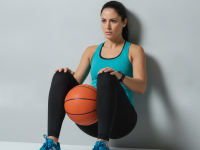
2. Wall Sit (Isometric Wall Squat)
Stand with your back against a wall, feet shoulder-width apart. Slide down the wall until your knees are bent at a comfortable, pain-free angle (avoid going past 90 degrees initially). Your thighs should be parallel to the floor or higher, depending on your comfort. Hold this position, engaging your quadriceps and glutes. Ensure your back remains flat against the wall.
3. Isometric Terminal Knee Extension (TKE)
Loop a resistance band around a sturdy anchor point (e.g., a pole or heavy furniture) and then around the back of your knee. Stand facing the anchor point, with your leg slightly bent. Gently push your knee backward into extension against the band’s resistance, straightening your leg without locking the knee. Hold this partial extension, feeling the activation in your quadriceps.
4. Isometric Leg Extension (Machine)
If you have access to a leg extension machine, you can perform an isometric hold. Position yourself on the machine and adjust the pad so it rests comfortably across your shins. Instead of lifting the weight through a full range of motion, extend your legs to a comfortable, pain-free angle (e.g., 45-60 degrees of knee flexion) and hold that position. You can use a very light weight or no weight at all, focusing solely on the muscle contraction.
Proper Technique and Integration into Your Routine
To maximize the benefits of isometric holds for patellofemoral pain syndrome, correct technique and consistent integration are key:
- Hold Duration: Aim for holds of 30-45 seconds. Longer holds (up to 60 seconds) can be even more effective for pain modulation.
- Repetitions: Perform 3-5 repetitions per exercise.
- Frequency: Start with 3-5 times per week, allowing for rest days. As your knee pain improves, you might perform them daily.
- Pain-Free Range: It is paramount to perform these exercises within a completely pain-free range. If you feel any sharp or increasing pain, adjust your position or stop the exercise.
- Breathing: Remember to breathe normally throughout the hold. Holding your breath can increase blood pressure and is counterproductive.
- Progression: As your strength improves and pain decreases, you can gradually increase hold duration, the number of repetitions, or the intensity (e.g., deeper wall sit, more resistance). Eventually, you can transition to dynamic exercises.
Common Mistakes to Avoid
While isometric holds are generally safe, certain mistakes can hinder progress or even exacerbate symptoms:
- Pushing Through Pain: Never ignore pain. If an exercise causes discomfort, modify it or stop.
- Holding Your Breath: This can elevate blood pressure and prevent proper muscle engagement.
- Improper Form: Incorrect positioning can stress other joints or fail to target the intended muscles. Ensure your form is precise.
- Neglecting Warm-up: Even for static exercises, a brief warm-up (e.g., light cycling, gentle stretches) prepares your muscles.
- Overdoing It: More isn’t always better. Stick to the recommended repetitions and duration to avoid overfatigue.
When to Seek Professional Guidance
While isometric holds for patellofemoral pain syndrome are highly effective, they are often part of a broader rehabilitation plan. If your knee pain is persistent, worsening, or if you’re unsure about the correct exercises or progression, it’s crucial to consult a healthcare professional. A physical therapist can provide a comprehensive assessment, diagnose underlying issues, and design a personalized exercise program tailored to your specific needs, ensuring you achieve the best possible outcomes for your knee health.
Embrace Relief and Recovery
Patellofemoral pain syndrome can be a debilitating condition, but effective solutions are within reach. Isometric holds offer a powerful, low-impact strategy to alleviate pain, build crucial muscle strength, and restore function to your knee. By consistently incorporating these exercises into your routine and listening to your body, you can take significant steps toward managing your symptoms and returning to your favorite activities with confidence and comfort. Embrace this evidence-based approach to unlock lasting relief and reclaim your active lifestyle.