Post-viral brain fog is a common and often persistent symptom following various infections, including but not limited to COVID-19, mononucleosis, influenza, and Lyme disease. It manifests as a collection of cognitive impairments, such as difficulty concentrating, memory problems, mental fatigue, and reduced processing speed. While frustrating, it’s crucial to understand that recovery is possible with a strategic and holistic approach.
Understanding the Roots of Post-Viral Brain Fog
To effectively address brain fog, it helps to understand its potential underlying mechanisms. Research suggests that post-viral cognitive dysfunction isn’t simply “in your head,” but stems from complex physiological changes.

Neuroinflammation
Viral infections can trigger an immune response in the brain, leading to inflammation of neural tissues. This neuroinflammation can disrupt neuronal communication, damage brain cells, and impair cognitive function, creating the sensation of mental sluggishness.
Mitochondrial Dysfunction
Mitochondria are the “powerhouses” of our cells, responsible for energy production. Viral attacks and chronic inflammation can impair mitochondrial function, leading to reduced energy availability for brain cells. This energy deficit can manifest as profound mental fatigue and difficulty with complex cognitive tasks.
Gut-Brain Axis Disruption
The intricate connection between the gut and the brain, known as the gut-brain axis, plays a vital role in overall health. Viral infections can dysregulate the gut microbiome, leading to an imbalance of beneficial and harmful bacteria. This dysbiosis can increase gut permeability, allowing inflammatory compounds to enter the bloodstream and potentially affect brain function.
Autonomic Nervous System Imbalance
The autonomic nervous system regulates involuntary bodily functions, including heart rate, digestion, and stress response. Post-viral states can disrupt this balance, often leading to an overactive “fight or flight” response and reduced “rest and digest” activity. This imbalance contributes to persistent fatigue, poor sleep, and heightened anxiety, all of which worsen cognitive clarity.
Key Post-Viral Brain Fog Recovery Protocols
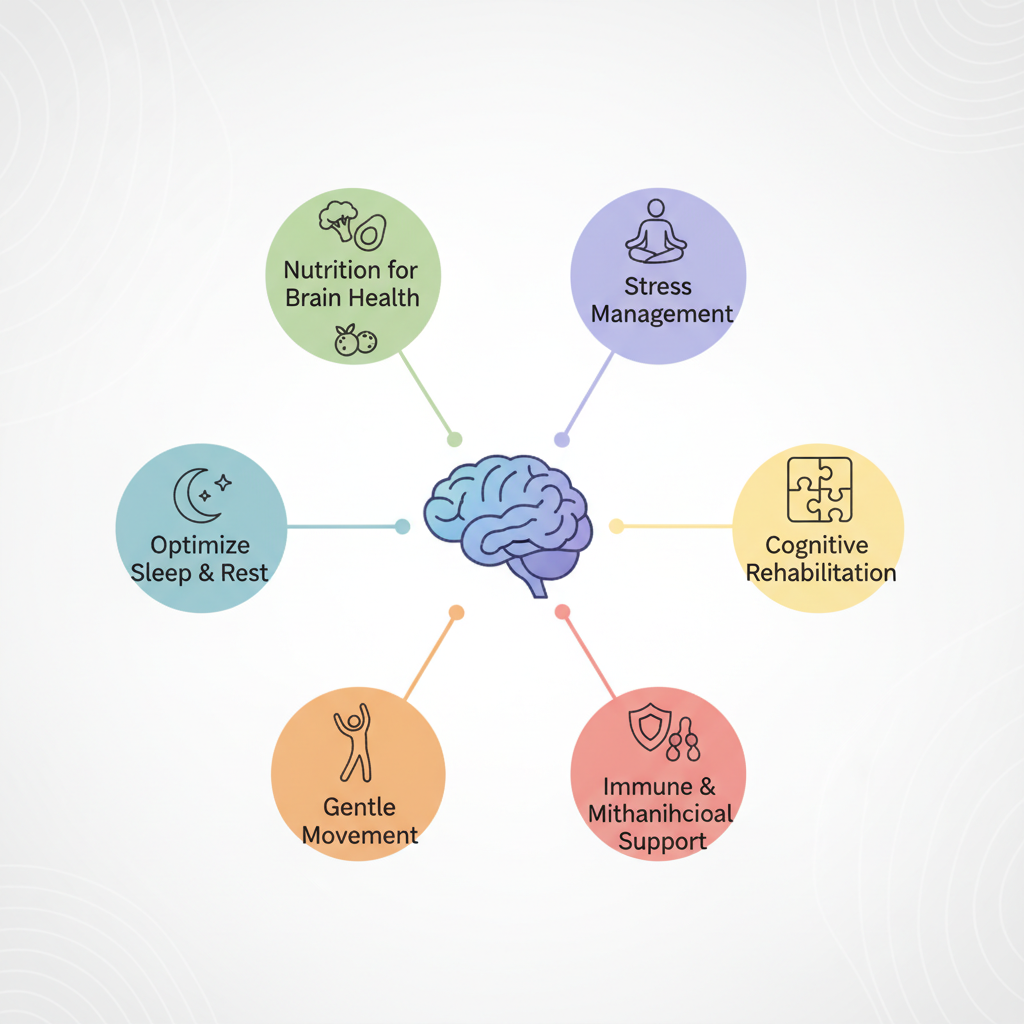
A multi-pronged strategy addressing these underlying issues is most effective. The following protocols focus on supporting brain health, restoring energy, and balancing physiological systems.
1. Nutritional Strategies for Optimal Brain Health
Diet plays a foundational role in supporting recovery from post-viral brain fog. Focusing on nutrient-dense, anti-inflammatory foods can significantly impact brain function and overall energy levels.
- Anti-Inflammatory Diet: Adopt a diet rich in fruits, vegetables, whole grains, lean proteins, and healthy fats, similar to a Mediterranean eating pattern. Emphasize colorful produce, which provides antioxidants that combat oxidative stress and inflammation.
- Gut Microbiome Support: Incorporate fermented foods like kimchi, sauerkraut, yogurt, and kefir to boost beneficial gut bacteria. Consider prebiotics (fiber from foods like onions, garlic, bananas) to feed these healthy microbes. A healthy gut supports a healthy brain.
- Essential Nutrients and Supplements: Discuss with your healthcare provider about potential deficiencies. Key nutrients often considered include Omega-3 fatty acids (EPA/DHA) for neuroprotection, B vitamins for nerve function, Vitamin D for immune and brain health, Magnesium for relaxation and energy, and antioxidants like N-acetyl cysteine (NAC) or CoQ10 to support mitochondrial function.
- Hydration: Dehydration can significantly worsen brain fog. Ensure adequate water intake throughout the day to support cellular function and nutrient transport.
2. Prioritizing Rest and Sleep Hygiene
Quality sleep is non-negotiable for brain repair and cognitive restoration. Many individuals with post-viral symptoms experience disturbed sleep, making this a critical area of focus.
- Consistent Sleep Schedule: Go to bed and wake up at roughly the same time each day, even on weekends, to regulate your circadian rhythm.
- Optimize Your Sleep Environment: Ensure your bedroom is dark, quiet, and cool. Avoid screens (phones, tablets, computers) at least an hour before bed.
- Pacing and Energy Management: Overexertion can trigger post-exertional malaise (PEM), worsening brain fog and fatigue. Learn to listen to your body and pace your activities throughout the day, incorporating short rest breaks before you feel exhausted.
3. Gentle Movement and Mindful Exercise
While strenuous exercise can be detrimental during post-viral recovery, gentle movement is beneficial. The key is to avoid pushing your limits.
- Gradual Reintroduction: Start with very light activities like short walks, gentle stretching, or restorative yoga. Gradually increase duration and intensity only if you feel no increase in symptoms the following day.
- Breathing Exercises: Diaphragmatic breathing (belly breathing) can help calm the autonomic nervous system, reduce stress, and improve oxygen delivery to the brain. Practices like box breathing can be particularly effective.
4. Stress Management and Mental Well-being
Chronic stress exacerbates inflammation and drains cognitive resources. Integrating stress-reduction techniques is vital for mental clarity.
- Mindfulness and Meditation: Regular practice can help reduce anxiety, improve focus, and foster a sense of calm. Even 5-10 minutes daily can make a difference.
- Cognitive Behavioral Therapy (CBT) or Acceptance and Commitment Therapy (ACT): These therapeutic approaches can help you manage the psychological impact of chronic illness and develop coping strategies for living with brain fog.
- Nature Exposure: Spending time in green spaces has been shown to reduce stress, improve mood, and enhance cognitive function.
- Social Connection: Maintain connections with supportive friends and family. Social isolation can worsen mood and cognitive symptoms.
5. Cognitive Rehabilitation and Brain Training
Just as you would rehabilitate a physical injury, your brain can benefit from gentle, structured cognitive exercises.
- Memory Aids: Use calendars, planners, digital reminders, and make lists to offload cognitive burden.
- Brain Games and Puzzles: Engage in activities that gently challenge your mind without causing frustration, such as Sudoku, crosswords, or specific cognitive training apps.
- Learning New, Low-Stress Skills: Engaging in a new hobby like learning a musical instrument or a language (at a gentle pace) can stimulate neural pathways.
- Mindful Focus: Practice focusing on one task at a time, eliminating distractions. Gradually increase the duration of focused attention.
6. Supporting Immune and Mitochondrial Function
Working with a healthcare professional, especially one familiar with post-viral conditions, can help identify specific interventions to support your body’s recovery at a cellular level.
- Targeted Supplementation: Under medical guidance, specific supplements like D-Ribose, L-Carnitine, or Alpha-Lipoic Acid may be considered to support mitochondrial health.
- Immune Modulation: Certain herbs or supplements might support a balanced immune response, but these should always be used under expert supervision due to potential interactions or contraindications.
- Vagal Tone Exercises: Stimulating the vagus nerve (e.g., gargling, humming, cold exposure, deep breathing) can improve autonomic nervous system balance and reduce inflammation.
Navigating Your Recovery Journey with Patience
Recovery from post-viral brain fog is often a non-linear process that requires significant patience and self-compassion. There will be good days and challenging days. Celebrate small victories and be kind to yourself when setbacks occur.
It is crucial to work with a multidisciplinary healthcare team, which may include a primary care physician, neurologist, functional medicine practitioner, nutritionist, or physical therapist. They can help tailor these post-viral brain fog recovery protocols to your specific needs, rule out other conditions, and monitor your progress safely. Empathetic and knowledgeable professional guidance is invaluable in this journey.
By consistently implementing these comprehensive post-viral brain fog recovery protocols, you empower your body and brain to heal. While the path may be challenging, with persistence, support, and the right strategies, you can significantly improve your cognitive function and reclaim your mental clarity.