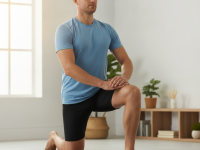
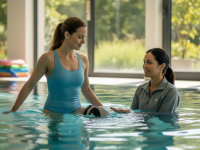
This comprehensive guide delves into the science behind exercise for PCS, outlining various evidence-based protocols that can help individuals regain function, alleviate symptoms, and improve their overall quality of life. Our aim is to provide clear, actionable insights into how therapeutic exercise can be safely integrated into your healing journey, always under the guidance of healthcare professionals.
Understanding Post-Concussion Syndrome (PCS)
What is PCS?
Post-Concussion Syndrome refers to a complex constellation of symptoms that can persist for weeks, months, or even years after a mild traumatic brain injury (concussion). While most concussions resolve within a few days or weeks, approximately 10-30% of individuals experience these prolonged symptoms. PCS is not defined by the severity of the initial injury but by the persistence of symptoms.
Common symptoms include chronic headaches, neck pain, dizziness, balance problems, visual disturbances, noise and light sensitivity, cognitive deficits (memory issues, difficulty concentrating), fatigue, and emotional changes like irritability, anxiety, or depression. These symptoms can significantly impact daily functioning, work, school, and social activities, leading to a diminished quality of life.
Why is Exercise Crucial for PCS Recovery?
Historically, the advice for concussion recovery was often complete rest, sometimes for extended periods. However, recent research has overturned this notion, demonstrating that prolonged rest can actually hinder recovery and lead to deconditioning, increased anxiety, and social isolation. Supervised, progressive exercise is now recognized as a vital therapeutic intervention for PCS.
Exercise helps in several ways: it improves blood flow to the brain, which can aid in cellular repair and metabolic function. It also helps regulate the autonomic nervous system, which is often disrupted in PCS, leading to symptoms like dizziness and fatigue. Furthermore, physical activity can reduce inflammation, improve mood, enhance sleep quality, and facilitate neuroplasticity – the brain’s ability to reorganize itself and form new neural connections. Engaging in targeted exercise can also help patients regain confidence and reduce fear-avoidance behaviors.
Core Principles of PCS Exercise Protocols
Effective exercise protocols for PCS are not about “pushing through” symptoms. Instead, they are built upon careful titration and individualized assessment. Adhering to these core principles is essential for safe and successful rehabilitation.
Symptom-Limited Approach
The cornerstone of PCS exercise is the “symptom-limited” approach. This means that activity should cease or be modified if it significantly exacerbates symptoms beyond a tolerable threshold. It’s often described as a “traffic light” system: green light (no symptoms), yellow light (mild, tolerable symptoms), and red light (significant symptom increase). The goal is to stay predominantly in the green and yellow zones, carefully monitoring any increases in symptoms like headache, dizziness, or nausea.
Gradual Progression
Recovery from PCS is rarely linear, and exercise protocols must reflect this with a gradual, step-by-step increase in intensity, duration, or complexity. Starting too aggressively can lead to symptom flare-ups and setbacks. Progress is typically made in small increments, allowing the brain and body to adapt. This might involve increasing walk time by just a few minutes or adding one new balance exercise at a time.
Multimodal Rehabilitation
Given the diverse and often interconnected symptoms of PCS, a holistic, multimodal approach is most effective. This means integrating different types of exercises targeting specific deficits, such as vestibular exercises for dizziness, oculomotor exercises for visual problems, and aerobic exercise for fatigue and cognitive fog. Often, this requires a team of specialists, including physical therapists, occupational therapists, and neuropsychologists.
Key Exercise Protocols for Post-Concussion Syndrome
A tailored exercise program for PCS typically incorporates several specialized protocols, each designed to address specific symptoms and functional limitations. These should always be prescribed and supervised by a qualified healthcare professional, such as a physical therapist with expertise in concussion management.
1. Vestibular Rehabilitation Therapy (VRT)
VRT is crucial for individuals experiencing dizziness, vertigo, imbalance, and gaze instability. It involves a series of exercises designed to retrain the brain to process sensory information from the vestibular system (inner ear), eyes, and proprioceptors (body’s sense of position).
- Gaze Stabilization Exercises: Improve the ability to keep vision clear during head movements. Examples include focusing on a target while slowly moving the head side-to-side or up-and-down.
- Habituation Exercises: Reduce dizziness by gradually exposing the patient to movements or visual stimuli that provoke symptoms, allowing the brain to adapt over time.
- Balance Training: Improves stability through exercises like standing on unstable surfaces, tandem walking, or single-leg stance.
2. Oculomotor Training
Visual disturbances, such as blurred vision, double vision, eye strain, and difficulty tracking objects, are common in PCS. Oculomotor training helps improve eye movement control, coordination, and the brain’s ability to process visual information efficiently.
- Smooth Pursuits: Following a moving target with the eyes without moving the head.
- Saccades: Rapid eye movements between two stationary targets.
- Convergence Exercises: Improving the eyes’ ability to turn inward to focus on a near object, which can reduce reading difficulties and headaches.
3. Graded Aerobic Exercise (Sub-Symptom Threshold Training)
Once initial symptoms have stabilized, graded aerobic exercise is often introduced to combat fatigue, improve blood flow to the brain, and normalize autonomic nervous system function. The key is to exercise at an intensity below the “symptom threshold” – the point at which symptoms significantly worsen.
- Assessment: Often, a physical therapist will perform a test like the Buffalo Concussion Treadmill Test (BCTT) to determine the individual’s heart rate symptom threshold.
- Protocol: Patients engage in low-impact activities such as stationary biking, brisk walking, or elliptical training at a heart rate 10-20 beats below their symptom threshold.
- Progression: Duration and intensity are gradually increased as tolerated, with careful monitoring of symptoms. This helps to recondition the cardiovascular system and improve exercise tolerance without triggering symptom exacerbation.
4. Balance and Proprioception Training
Beyond specific vestibular exercises, general balance and proprioception training are vital for restoring overall stability and reducing the risk of falls. This focuses on enhancing the body’s awareness in space.
- Progressive Challenges: Starting with stable surfaces and progressing to unstable ones (foam pads, balance boards).
- Varying Sensory Input: Practicing with eyes open, then eyes closed, or in visually distracting environments.
- Functional Movements: Incorporating balance into daily activities like walking around obstacles or carrying objects.
5. Strength and Conditioning (When Appropriate)
As recovery progresses, incorporating light strength and conditioning can help prevent deconditioning and restore overall physical fitness. This should be introduced carefully, ensuring exercises do not provoke symptoms or involve jarring movements.
- Bodyweight Exercises: Squats, lunges, planks.
- Light Resistance Training: Using resistance bands or light weights.
- Focus on Posture and Core Stability: Essential for supporting the neck and spine.
6. Mind-Body Exercises
Stress, anxiety, and sleep disturbances are common in PCS and can exacerbate physical symptoms. Mind-body practices can complement physical rehabilitation.
- Modified Yoga or Tai Chi: Emphasizes slow, controlled movements, breathing, and mindfulness.
- Mindfulness and Meditation: Can help manage pain, reduce stress, and improve emotional regulation.
Practical Considerations and Tips for Success
Embarking on a PCS exercise protocol requires patience, consistency, and a strong partnership with your healthcare team. Here are some essential tips for optimizing your recovery journey.
Working with a Specialist
The most crucial step is to seek guidance from a multidisciplinary team. A neurologist, physical therapist, occupational therapist, and potentially a neuropsychologist or sports medicine physician specializing in concussion can provide an individualized assessment and create a tailored exercise plan. Self-managing PCS exercise can be risky and ineffective.
Listen to Your Body
This cannot be overstated. Learn to recognize your symptom triggers and your personal “yellow light” zone. It’s a fine line between challenging yourself and overdoing it. Consistent, small gains are far better than pushing too hard and experiencing a significant setback.
Consistency and Patience
Recovery from PCS is often a marathon, not a sprint. There will be good days and bad days. The key is to remain consistent with your prescribed exercises, even on days when progress feels slow. Celebrate small victories and understand that setbacks are a normal part of the healing process.
Environmental Modifications
During exercise and daily life, temporarily modifying your environment can help manage symptoms. This might include reducing bright lights, loud noises, or excessive screen time. Gradually reintroducing these stimuli as your tolerance improves is part of the rehabilitation process.
Engaging in structured, individualized post-concussion syndrome exercise protocols is a powerful and evidence-backed strategy for regaining function and improving quality of life after a concussion. By working closely with healthcare professionals, adopting a symptom-limited and gradual approach, and embracing patience, individuals with PCS can effectively navigate their path to recovery, moving from debilitating symptoms toward a more active and fulfilling life.
Step 1 Icon: A person resting, text: “Symptom-Limited Activity & Rest (Initial Phase)”.
Step 2 Icon: A person doing gentle vestibular exercises (e.g., eye tracking), text: “Targeted Vestibular & Oculomotor Training”.
Step 3 Icon: A person on a stationary bike at a low heart rate, text: “Graded Aerobic Exercise (Sub-Symptom Threshold)”.
Step 4 Icon: A person doing light bodyweight strength training or balance work, text: “Progressive Balance & Strength Building”.
Step 5 Icon: A person engaging in a gentle outdoor activity like walking or yoga, text: “Return to Activity & Lifestyle Integration”.
Arrows clearly show the progression. Color scheme is clean, professional, and easy to read.