What is Sarcopenia and Why is it a Concern?
Sarcopenia, derived from Greek meaning “poverty of flesh,” is a common condition affecting older adults. It involves the involuntary loss of skeletal muscle mass, strength, and function. This muscle decline typically begins around age 40 and accelerates after age 60, contributing to reduced mobility, increased risk of falls, frailty, and a poorer quality of life.
Beyond physical limitations, sarcopenia can impact metabolic health, increasing the risk of insulin resistance and type 2 diabetes. It also hinders recovery from illness or injury, making it a critical public health concern that significantly influences an individual’s ability to live independently and actively in their later years.

The Critical Role of Protein in Muscle Health and Sarcopenia Prevention
Protein is the fundamental building block of muscle tissue. In healthy adults, a balance exists between muscle protein synthesis (MPS) – the process of building new muscle – and muscle protein breakdown (MPB). For older adults, this balance shifts. They experience what is known as “anabolic resistance,” meaning their muscles are less responsive to the anabolic (muscle-building) signals from protein and exercise.
To counteract anabolic resistance and maintain muscle mass, older adults require a higher protein intake than younger individuals. Adequate protein provides the essential amino acids necessary to stimulate MPS, repair muscle tissue, and prevent excessive muscle protein breakdown. Without sufficient protein, the body struggles to maintain its muscle mass, accelerating the onset and progression of sarcopenia.
Understanding Recommended Protein Intake for Older Adults
The standard Recommended Dietary Allowance (RDA) for protein in healthy adults is 0.8 grams of protein per kilogram of body weight per day (g/kg/day). However, this recommendation is often insufficient for older adults aiming to prevent sarcopenia.
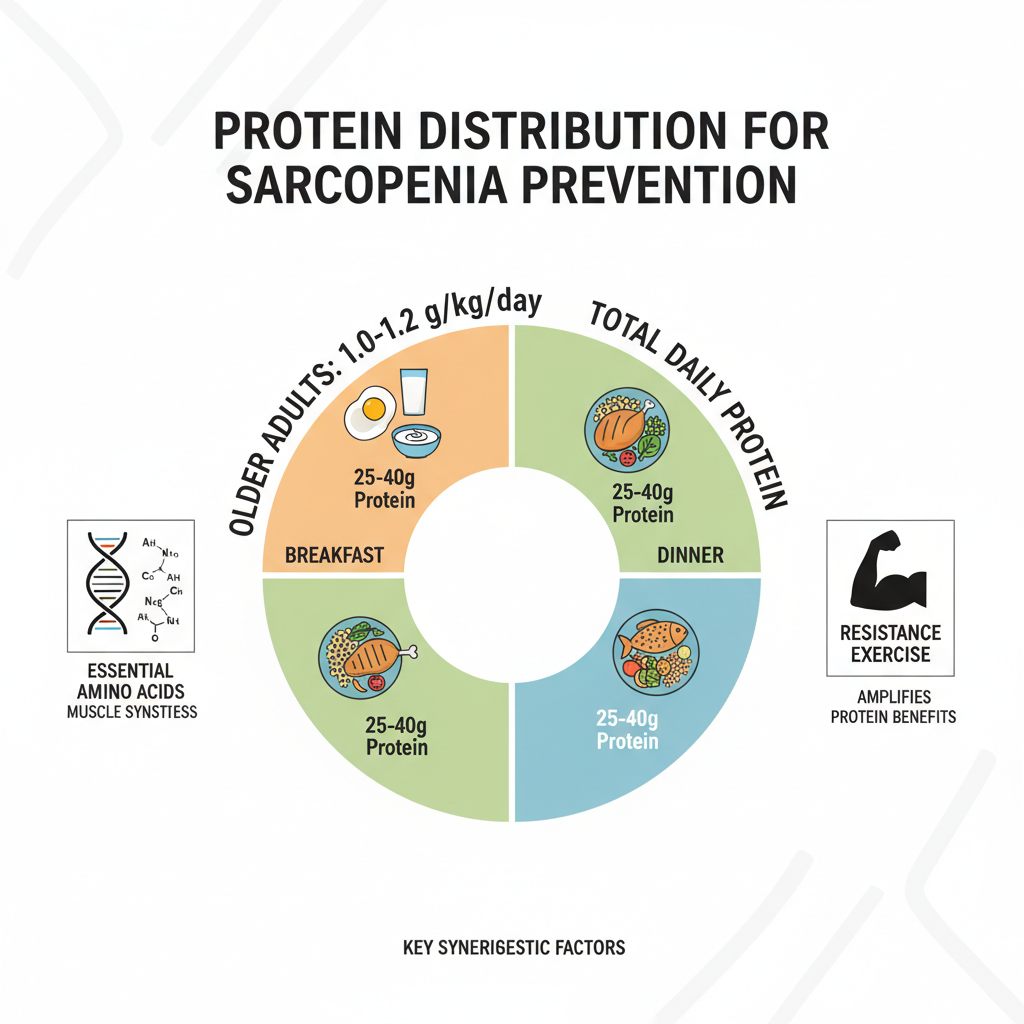
Leading nutrition and gerontology organizations now suggest a higher intake for older adults, typically ranging from 1.0 to 1.2 g/kg/day. For those with acute or chronic diseases, or who are malnourished, even higher amounts (1.2 to 1.5 g/kg/day, or even 2.0 g/kg/day in specific cases under medical supervision) may be beneficial. This increased intake helps overcome anabolic resistance and ensures enough amino acids are available to stimulate muscle protein synthesis effectively.
Optimizing Protein Intake: Beyond Just Quantity
While the total amount of protein is crucial, how and when you consume it can significantly impact its effectiveness in preventing sarcopenia.
Timing of Protein Intake for Optimal Muscle Support
Distributing protein intake evenly throughout the day is more effective than consuming a large amount in one meal. Aim for 25-40 grams of high-quality protein at each main meal (breakfast, lunch, and dinner). This strategy ensures a consistent supply of amino acids, maximizing muscle protein synthesis responses throughout the day. Consuming protein after resistance exercise is also particularly beneficial, as muscles are primed for repair and growth during this “anabolic window.”
Quality of Protein: Essential Amino Acids (EAAs) and Leucine
Not all proteins are created equal. High-quality proteins are those that contain all nine essential amino acids (EAAs) in sufficient quantities, which the body cannot produce on its own. Leucine, a branched-chain amino acid (BCAA) and one of the EAAs, is particularly important as it acts as a primary trigger for muscle protein synthesis.
Animal-based proteins (meat, poultry, fish, eggs, dairy) are generally complete proteins rich in leucine. Plant-based protein sources can also provide all EAAs, but often require combining different sources (e.g., rice and beans) to achieve a complete amino acid profile, or consuming slightly larger quantities. Aim for meals that provide at least 2.5-3 grams of leucine to effectively stimulate MPS.
The Synergistic Effect of Protein with Resistance Exercise
Dietary protein works synergistically with resistance training to maximize muscle growth and strength. While protein provides the building blocks, resistance exercise provides the stimulus for muscle adaptation and growth. Engaging in regular strength training, two to three times per week, significantly enhances the muscle-building response to protein intake.
This combination is the most powerful strategy to prevent and even reverse sarcopenia. Without the mechanical stress of exercise, even high protein intake will not be as effective in promoting robust muscle synthesis and maintaining functional strength.
Dietary Sources of High-Quality Protein
Incorporating a variety of high-quality protein sources into your diet is essential for meeting your daily needs.
- Animal Sources: Lean meats (chicken, turkey, beef, pork), fish (salmon, tuna, cod), eggs, and dairy products (milk, yogurt, cottage cheese) are excellent sources of complete proteins and rich in leucine.
- Plant-Based Sources: Legumes (lentils, beans, chickpeas), tofu, tempeh, edamame, quinoa, nuts, and seeds can collectively provide all essential amino acids. Plant-based protein powders like soy, pea, or rice protein can also be valuable supplements.
- Protein Supplements: Whey protein is a fast-digesting, leucine-rich option, ideal post-exercise. Casein protein digests slowly, providing a sustained release of amino acids. Plant-based protein powders offer alternatives for those with dietary restrictions. These can be convenient for boosting protein intake, especially for individuals who struggle to meet their needs through whole foods alone.
Practical Tips for Meeting Your Protein Requirements
Integrating higher protein into your daily diet doesn’t have to be complicated. Here are some practical strategies:
- Prioritize Protein at Every Meal: Start your day with protein-rich breakfast options like Greek yogurt, eggs, or cottage cheese. Include a protein source with lunch and dinner, such as lean meat, fish, or legumes.
- Smart Snacking: Opt for protein-packed snacks like a handful of almonds, a hard-boiled egg, cheese sticks, or a small serving of cottage cheese instead of refined carbohydrates.
- Fortify Meals: Add protein powder to smoothies, oatmeal, or even soups. Incorporate cooked lentils or beans into salads and stews.
- Plan Ahead: Meal prepping can help ensure you have protein-rich options readily available throughout the week, making it easier to consistently meet your daily targets.
- Consult a Dietitian: A registered dietitian can provide personalized advice based on your specific health status, dietary preferences, and activity level, ensuring you meet your protein needs safely and effectively.
Conclusion
Preventing sarcopenia is a critical component of healthy aging, and adequate protein intake is a non-negotiable strategy. By understanding the increased protein requirements for sarcopenia prevention in older adults and focusing on high-quality sources, optimal timing, and the synergistic benefits of resistance exercise, you can significantly mitigate muscle loss and preserve your strength, mobility, and independence for years to come. Make protein a priority in your diet and embrace an active lifestyle to empower a stronger, healthier future.