The Science Behind Sauna and Heart Health
The therapeutic effects of saunas on the heart are rooted in the body’s physiological response to heat. When exposed to high temperatures, your body naturally works to cool itself down, initiating a series of cardiovascular adaptations that mimic the effects of moderate physical exercise.
How Heat Therapy Impacts the Cardiovascular System
During a sauna session, your core body temperature rises, leading to several key changes in your cardiovascular system. Blood vessels close to the skin’s surface dilate, increasing blood flow to the skin to dissipate heat. Your heart rate elevates, often reaching levels comparable to a brisk walk or light jog, and your cardiac output (the amount of blood pumped by the heart per minute) increases.
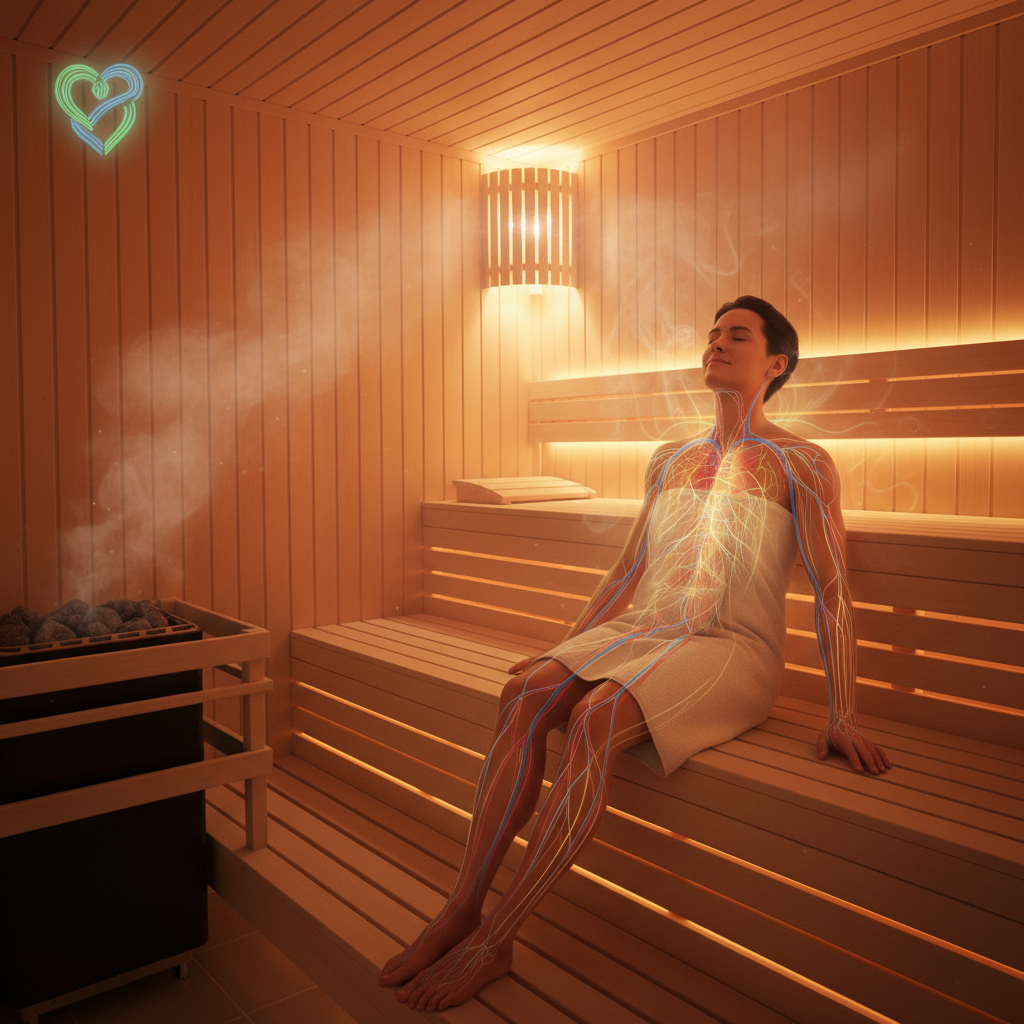
- Vasodilation: The widening of blood vessels improves circulation and can temporarily lower blood pressure.
- Increased Heart Rate: This provides a gentle cardiovascular workout, strengthening the heart muscle over time.
- Sweating: While primarily for cooling, it also aids in detoxification and fluid balance.
- Heat Shock Proteins: Exposure to heat triggers the production of these proteins, which help protect cells from stress and damage, including those in the cardiovascular system.
These responses, particularly the sustained vasodilation and increased heart rate, contribute significantly to the long-term benefits observed in regular sauna users.
Key Cardiovascular Benefits of Regular Sauna Use
Extensive research, particularly from long-term studies in Finland, where sauna use is deeply ingrained in the culture, highlights a multitude of heart-healthy advantages. These benefits extend beyond acute physiological changes, impacting fundamental markers of cardiovascular well-being.
Improved Blood Pressure Regulation
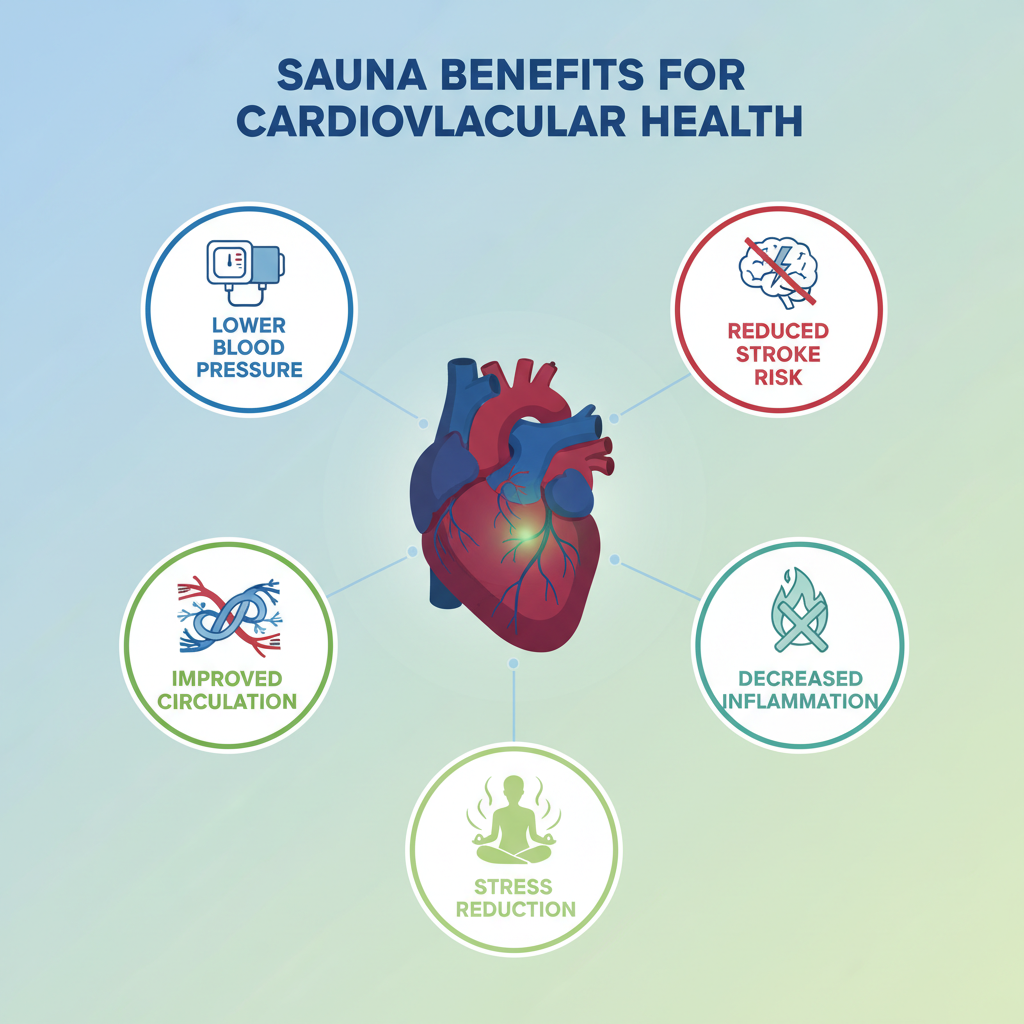
One of the most well-documented benefits is the positive impact on blood pressure. Regular sauna use has been associated with a reduction in both systolic and diastolic blood pressure, making it a valuable lifestyle intervention for individuals with hypertension or those at risk of developing it. The repeated cycles of vasodilation and vasoconstriction during and after a sauna session help improve the elasticity of blood vessels, contributing to better pressure regulation.
- Reduced risk of developing high blood pressure (hypertension).
- Support for maintaining healthy blood pressure levels in the long term.
Enhanced Endothelial Function and Arterial Stiffness
The endothelium is the inner lining of your blood vessels, and its healthy function is critical for cardiovascular health. Sauna use has been shown to improve endothelial function by promoting the release of nitric oxide, a molecule that relaxes and widens blood vessels. Furthermore, regular heat exposure can help reduce arterial stiffness, a common indicator of cardiovascular aging and disease risk. Improved endothelial function and reduced stiffness mean blood flows more freely and efficiently throughout the body.
- Better blood vessel elasticity and responsiveness.
- Decreased risk of atherosclerosis, a condition where plaque builds up in arteries.
Lowered Risk of Cardiovascular Disease and Stroke
Perhaps the most compelling evidence comes from studies linking frequent sauna bathing to a significantly lower risk of major cardiovascular events. Research from the Kuopio Ischaemic Heart Disease Risk Factor Study (KIHD) in Finland demonstrated that men who used a sauna 4-7 times a week had a dramatically reduced risk of sudden cardiac death, fatal coronary heart disease, and all-cause mortality compared to those who used it once a week.
- Reduced incidence of heart attacks and other cardiovascular diseases.
- Decreased risk of stroke due to improved vascular health.
Support for Heart Attack and Heart Failure Patients
While caution is always advised, some studies suggest that sauna therapy can be a safe and beneficial adjunctive treatment for certain heart conditions, under strict medical supervision. For patients with stable chronic heart failure, regular sauna sessions have been shown to improve cardiac function, exercise tolerance, and quality of life. The gentle stress of heat therapy can help condition the heart without the vigorous exertion of traditional exercise.
- Improved left ventricular ejection fraction in some heart failure patients.
- Enhanced symptoms and physical capacity in carefully selected individuals.
Reduced Inflammation and Oxidative Stress
Chronic inflammation and oxidative stress are known contributors to the development and progression of cardiovascular diseases. Sauna therapy has been shown to reduce markers of inflammation, such as C-reactive protein (CRP), and to boost the body’s antioxidant defenses. By mitigating these damaging processes, saunas contribute to a healthier vascular environment and protect the heart from long-term damage.
- Lower systemic inflammation, which is a risk factor for heart disease.
- Increased antioxidant capacity, protecting cells from free radical damage.
Stress Reduction and Autonomic Nervous System Balance
The calming environment of a sauna offers profound relaxation, which indirectly benefits heart health. Stress is a significant contributor to cardiovascular disease, raising blood pressure and heart rate. Sauna use helps activate the parasympathetic nervous system (responsible for “rest and digest”), reducing levels of stress hormones like cortisol and promoting a state of calm. This balance in the autonomic nervous system is crucial for optimal heart function and recovery.
- Decreased psychological stress and anxiety.
- Improved heart rate variability (HRV), an indicator of cardiovascular resilience.
Cholesterol Management
While not as pronounced as direct effects on blood pressure, some research indicates that regular sauna bathing can have a modest positive impact on lipid profiles. Studies have shown potential reductions in total cholesterol and LDL (“bad”) cholesterol, possibly due to increased metabolism and other systemic effects of heat exposure. This further adds to the holistic cardiovascular benefits of sauna use.
Traditional vs. Infrared Saunas: Which is Better for Your Heart?
The cardiovascular benefits discussed generally apply to both traditional Finnish-style saunas and infrared saunas, though their mechanisms of heating differ. Both types of saunas elevate core body temperature and induce sweating, leading to similar physiological responses.
Traditional Saunas (Finnish Saunas)
These saunas use hot stones or an electric heater to warm the air, which in turn heats your body. Temperatures typically range from 70-100°C (158-212°F). The high ambient heat provides a powerful thermal experience, contributing to significant vasodilation and heart rate elevation.
Infrared Saunas
Infrared saunas use infrared light panels to directly heat your body, rather than the surrounding air. This allows for lower air temperatures, often between 40-60°C (104-140°F), while still achieving a deep sweat and core body temperature elevation. Some proponents suggest that the deeper penetration of infrared heat may offer distinct benefits, but more research is needed to definitively compare cardiovascular outcomes between the two types.
Ultimately, both types offer robust cardiovascular benefits. The choice often comes down to personal preference for temperature and experience. What matters most is consistent, safe use.
How to Safely Incorporate Sauna into Your Wellness Routine
While the benefits are compelling, it is crucial to approach sauna use with safety in mind. Always prioritize your health and well-being, especially when dealing with your cardiovascular system.
- Start Low and Go Slow: Begin with shorter sessions (5-10 minutes) at moderate temperatures and gradually increase duration (up to 20-30 minutes) and frequency as your body adapts.
- Hydration is Key: Drink plenty of water before, during (if tolerated), and after your sauna session to replenish fluids lost through sweating. Avoid alcohol before and immediately after.
- Listen to Your Body: If you feel dizzy, nauseous, or unwell, exit the sauna immediately. It’s not a competition; comfort and safety are paramount.
- Cool Down Gradually: After a sauna, allow your body to cool down slowly. A cool shower or simply resting in a cooler environment can aid this process.
- Consult Your Doctor: This is perhaps the most important rule. If you have any pre-existing cardiovascular conditions (e.g., heart disease, high blood pressure), are on medication, or are pregnant, always consult your physician before starting a sauna routine. They can provide personalized advice based on your health status.
Conclusion: Embrace the Heat for a Healthier Heart
The growing body of scientific evidence strongly supports the use of saunas as a valuable addition to a heart-healthy lifestyle. From improving blood pressure and vascular function to reducing the risk of cardiovascular disease and supporting stress reduction, the **benefits of saunas for cardiovascular health** are extensive and well-founded. By incorporating regular, safe sauna sessions into your routine, you can take an active step towards nurturing a stronger, more resilient heart. Remember to consult with a healthcare professional to ensure sauna bathing is appropriate for your individual health needs, allowing you to harness these powerful benefits safely and effectively.