Understanding Sensory Processing Disorder (SPD)
Sensory Processing Disorder (SPD) is a neurological condition where the brain has difficulty organizing and responding to sensory information received from the senses. This can manifest as hypersensitivity (over-responsiveness) or hyposensitivity (under-responsiveness) to stimuli such as touch, sound, sight, taste, smell, movement, and body position. These difficulties can significantly impact daily activities, learning, social interactions, and emotional regulation, leading to feelings of overwhelm, anxiety, or disorganization.
The Science Behind Weighted Blankets: Deep Pressure Touch Stimulation
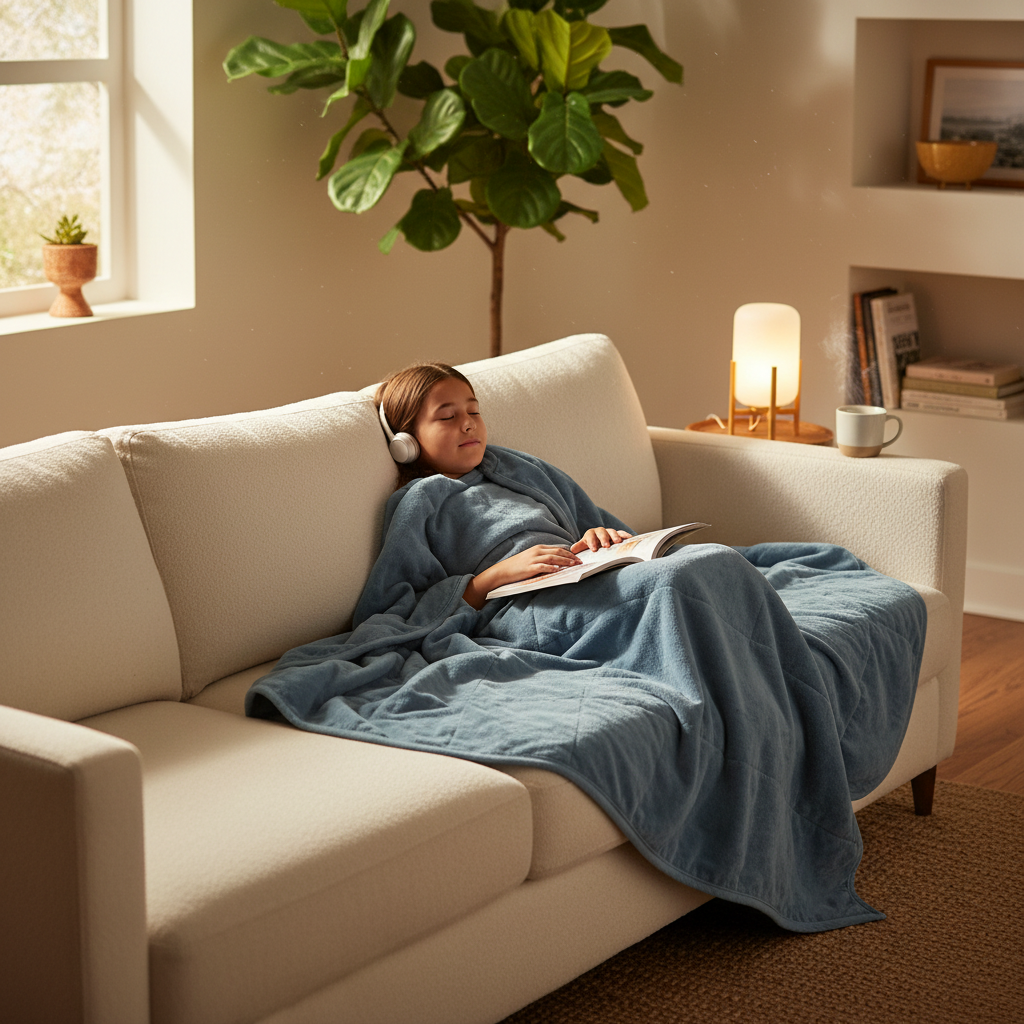
Weighted blankets operate on the principle of deep pressure touch stimulation (DPTS), a therapeutic technique that applies firm, gentle, distributed pressure across the body. This sensation is similar to a comforting hug or swaddling and has been used in various therapeutic settings for decades. DPTS is believed to engage the parasympathetic nervous system, responsible for the body’s “rest and digest” response, while simultaneously dampening the sympathetic nervous system, which triggers the “fight or flight” response.
How Deep Pressure Touch Stimulation (DPTS) Works
When the body experiences deep pressure, it can stimulate the release of neurotransmitters such as serotonin and dopamine, which are associated with feelings of well-being, calm, and happiness. Serotonin is also a precursor to melatonin, a hormone crucial for regulating sleep cycles. By promoting these neurochemical changes, DPTS can help modulate the nervous system, leading to a profound sense of security and relaxation. For individuals with SPD, who often struggle with regulating their sensory input, this targeted pressure can provide a much-needed organizational framework for their sensory system.
- Activates the parasympathetic nervous system.
- Reduces activity in the sympathetic nervous system.
- Increases serotonin and dopamine levels.
- Aids in melatonin production for sleep regulation.
- Provides a calming and grounding sensation.
Key Benefits of Weighted Blankets for Sensory Processing Disorder
For individuals struggling with SPD, a weighted blanket can offer a range of therapeutic benefits that extend beyond simple comfort. These benefits are rooted in the blanket’s ability to provide consistent, organizing sensory input.
Promoting Calm and Reducing Overwhelm
One of the primary advantages of weighted blankets is their capacity to induce a sense of calm. For those with SPD who experience sensory overload, the deep pressure can act as a protective barrier, helping to filter out excessive environmental stimuli. This grounding sensation allows the nervous system to settle, reducing feelings of overwhelm and promoting a more regulated state, which is crucial for managing daily stressors.
Improving Focus and Attention
Many individuals with SPD find it challenging to maintain focus, especially in busy environments. The steady, firm pressure from a weighted blanket can help to improve body awareness and provide a calming anchor, making it easier to concentrate on specific tasks. This can be particularly beneficial during homework, quiet play, or other activities requiring sustained attention, by reducing fidgeting and internal distractions.
Enhancing Sleep Quality
Sleep disturbances are common among individuals with SPD, often due to an overactive nervous system or difficulty settling down. Weighted blankets can significantly improve sleep quality by promoting relaxation before bedtime and reducing nocturnal awakenings. The constant, gentle pressure mimics the sensation of being held, which can ease anxiety, help the body relax, and facilitate a smoother transition into and maintenance of deep sleep.
Alleviating Anxiety and Stress
The consistent pressure from a weighted blanket can be a powerful tool for alleviating anxiety and stress. Similar to the comforting effect of a hug, the blanket provides a secure feeling that can lower heart rate and reduce cortisol levels. This makes it an excellent resource for managing acute anxiety attacks, pre-event jitters, or general feelings of nervousness that frequently accompany sensory processing challenges.
Boosting Body Awareness and Proprioception
Proprioception, our sense of body position and movement, is often dysregulated in SPD. Weighted blankets provide significant proprioceptive input, helping individuals become more aware of their body’s boundaries and position in space. This enhanced body awareness can improve motor planning, coordination, and overall comfort within one’s own skin, reducing clumsiness and fostering a greater sense of bodily control.
Choosing the Right Weighted Blanket: A Practical Guide
Selecting the appropriate weighted blanket is crucial for maximizing its therapeutic benefits and ensuring safety. Several factors should be considered to find the perfect fit for an individual with SPD.
Weight Guidelines: The 10% Rule
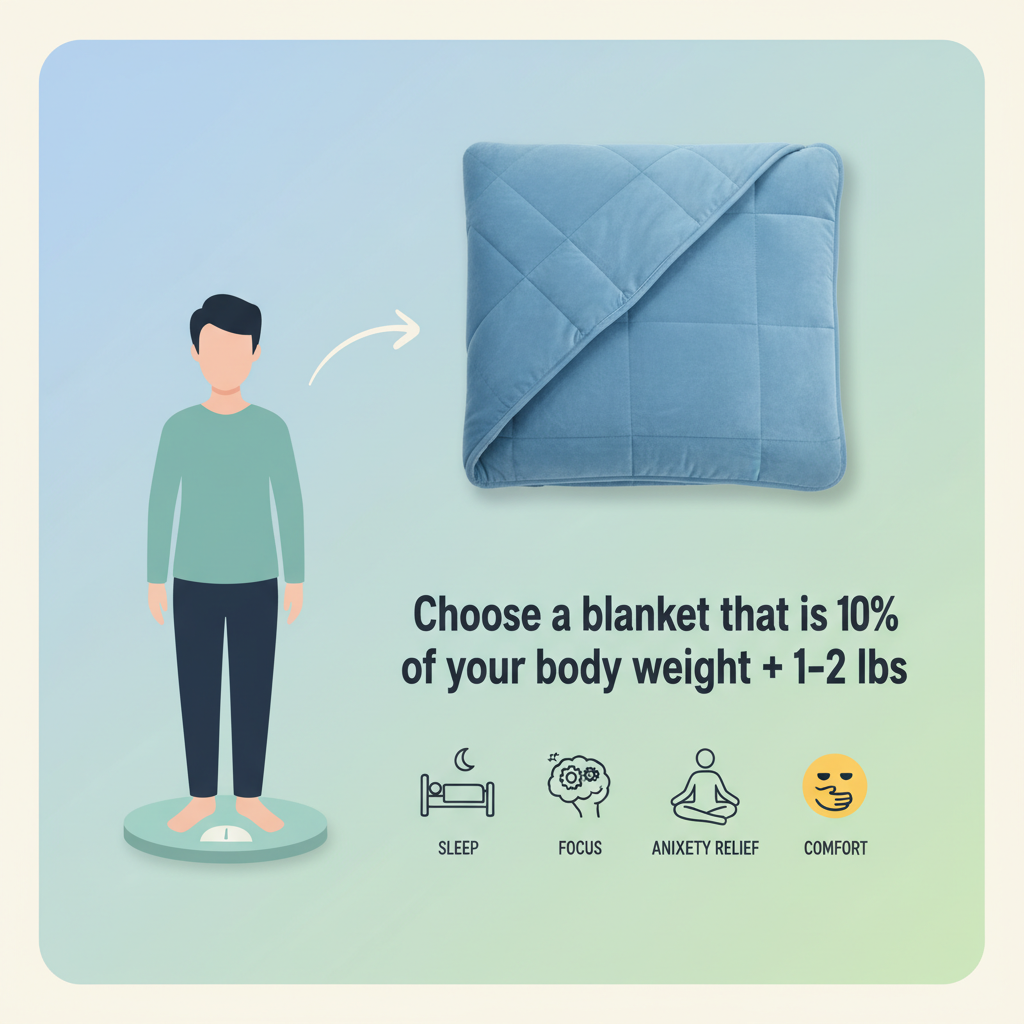
The most commonly cited guideline for choosing a weighted blanket is to select one that is approximately 10% of the user’s body weight, plus an additional one to two pounds. For example, a person weighing 100 pounds would typically benefit from a 10-12 pound blanket. However, this is a starting point; personal preference and therapist recommendations should always guide the final decision. It’s essential that the user can comfortably lift the blanket off themselves if needed.
Size and Material Considerations
The size of the blanket should ideally cover the user’s body, not necessarily the entire bed. A blanket that is too large might have its weight distributed unevenly or slide off, while one that is too small might not provide adequate coverage for the desired pressure. Materials vary widely, from soft cotton and fleece to breathable bamboo. Consider the user’s sensory preferences (e.g., preference for cool vs. warm, smooth vs. textured) and ease of cleaning when making a selection.
Safety First: Important Precautions
While generally safe, weighted blankets do come with important safety precautions. They should never be used for infants, toddlers under the age of two, or individuals who cannot remove the blanket independently. People with certain medical conditions, such as respiratory issues, circulatory problems, or temperature regulation difficulties, should consult a doctor or occupational therapist before using a weighted blanket. Always ensure the user can breathe freely and is not trapped under the blanket.
- Do not use for infants or toddlers under 2 years old.
- Ensure the user can remove the blanket independently.
- Consult a healthcare professional for individuals with pre-existing medical conditions (e.g., respiratory, circulatory issues).
- Monitor for overheating or discomfort.
How to Introduce and Use a Weighted Blanket Effectively
Introducing a weighted blanket should be a gradual process to ensure acceptance and comfort, particularly for individuals with sensory sensitivities. Consistency in usage is key to experiencing its full benefits.
Gradual Introduction is Key
Start by introducing the weighted blanket for short periods, perhaps 5-10 minutes at a time, during calm activities like reading or watching TV. Gradually increase the duration as the individual becomes more accustomed to the sensation. Allow the user to have control over its use, ensuring they feel safe and comfortable, rather than forced. Positive association is vital for successful integration.
Optimal Usage Times
Weighted blankets can be beneficial at various times throughout the day. They are often used before bedtime to help with winding down and preparing for sleep. During periods of high sensory input or stress, such as during a homework session, while traveling, or when experiencing a meltdown, they can provide immediate comfort and regulation. Some individuals may benefit from using them during quiet independent play or while engaging in tasks that require sustained focus.
When to Consult a Professional
While weighted blankets can be a wonderful tool, they are not a one-size-fits-all solution and should be part of a broader therapeutic approach. Consulting an occupational therapist (OT) is highly recommended, especially when addressing Sensory Processing Disorder. An OT can provide a comprehensive sensory assessment, offer personalized recommendations for weighted blanket use, advise on appropriate weight and size, and integrate the blanket into a holistic sensory diet plan. They can also help identify other strategies and modifications to support sensory regulation.
Beyond Weighted Blankets: A Holistic Approach to SPD
Weighted blankets are a valuable component, but not the sole solution, for managing SPD. A holistic approach typically involves a combination of strategies. This may include occupational therapy with a focus on sensory integration, environmental modifications at home and school, a personalized sensory diet (a planned schedule of sensory activities), movement therapies, and mindful practices. Working with a team of professionals ensures that all aspects of an individual’s sensory needs are addressed for optimal well-being.
For many facing the challenges of Sensory Processing Disorder, weighted blankets can be a profound source of comfort, offering a therapeutic embrace that fosters calm, enhances focus, and improves sleep. By understanding their mechanism, choosing the right product, and using it safely and effectively, individuals can harness the power of deep pressure touch to navigate their sensory world with greater ease and confidence.