Understanding Your Sensitive Stomach
Before diving into specific foods, it’s crucial to understand what a “sensitive stomach” truly entails. This broad term can encompass various conditions, including Irritable Bowel Syndrome (IBS), acid reflux, gastritis, food intolerances (like lactose or gluten sensitivity), or simply a digestive system that reacts strongly to certain ingredients. Common symptoms include:
- Bloating and gas
- Abdominal pain or discomfort
- Diarrhea or constipation
- Heartburn or indigestion
- Nausea
Identifying your specific triggers is often the first step towards relief. While this article provides general guidance, consulting with a healthcare professional or registered dietitian is always recommended for a personalized diagnosis and treatment plan.
The Pillars of a Digestive-Friendly Diet
When selecting healthy digestion foods for a sensitive stomach, certain principles can guide your choices:
- Low-FODMAP: For many with IBS, a low-FODMAP diet can be transformative. FODMAPs (Fermentable Oligosaccharides, Disaccharides, Monosaccharides, and Polyols) are types of carbohydrates that can be poorly absorbed in the small intestine, leading to fermentation and gas.
- Anti-Inflammatory: Many digestive issues involve inflammation. Opting for foods known for their anti-inflammatory properties can help calm the gut.
- Gentle Fibers: While fiber is essential, too much of the wrong kind can exacerbate symptoms. Focus on soluble fibers and well-cooked vegetables.
- Hydration: Adequate water intake is critical for digestive function, helping to soften stools and move food through the system.
- Simple Preparation: Overly rich, spicy, or fried foods can be difficult to digest. Simple cooking methods like steaming, baking, poaching, or light sautéing are often best.
Top Healthy Digestion Foods for a Sensitive Stomach
Here are some of the star ingredients that can help soothe and support your digestive system:
Gentle Grains
Complex carbohydrates provide energy and some fiber without heavily irritating the gut.
- White Rice: Low in fiber and easily digestible, white rice is often recommended during periods of digestive upset. Brown rice can be tolerated by some, but its higher fiber content might be too much for very sensitive stomachs.
- Oats (Gluten-Free): Rolled oats, especially gluten-free certified ones, are a good source of soluble fiber, which can help regulate bowel movements and has a soothing effect.
- Quinoa: This complete protein is also gluten-free and offers a good balance of fiber, making it a gentle yet nutritious grain alternative.
- Sourdough Bread: For some with mild gluten sensitivity, the fermentation process in sourdough can break down gluten proteins, making it easier to digest than regular bread.
Lean Proteins
Proteins are essential for repair and strength but should be chosen carefully to avoid excessive fat or tough textures.
- Chicken Breast: Skinless, boneless chicken breast, baked, poached, or grilled simply, is an excellent source of lean protein.
- Turkey: Similar to chicken, lean turkey is gentle on the stomach.
- Fish (Salmon, Cod, Tilapia): Fatty fish like salmon provides anti-inflammatory omega-3s, while white fish like cod and tilapia are very lean and easily digestible.
- Eggs: Hard-boiled, poached, or scrambled simply, eggs are a highly digestible protein source.
- Tofu (Plain, Firm): For plant-based eaters, plain, firm tofu can be a gentle protein option when prepared simply (baked or lightly pan-fried).
Cooked Vegetables
While raw vegetables are nutritious, cooking breaks down tough fibers, making them much easier for a sensitive stomach to process.
- Carrots: Steamed or boiled carrots are mild and a good source of vitamins.
- Zucchini and Yellow Squash: These summer squashes are low-FODMAP and easily digestible when cooked until tender.
- Spinach and Kale (Cooked): While raw can be problematic, thoroughly cooked spinach and kale are packed with nutrients and less likely to cause irritation.
- Potatoes and Sweet Potatoes: Boiled, baked, or mashed (without heavy cream or butter), these are good sources of energy and gentle fiber.
- Pumpkin and Butternut Squash: These winter squashes are excellent sources of vitamins and can be very soothing, especially in soups or purees.
Low-FODMAP Fruits
Many fruits are high in FODMAPs, but these are generally well-tolerated.
- Bananas: Ripe bananas are known for their ability to soothe the digestive tract and provide energy.
- Blueberries and Strawberries: These berries are low in FODMAPs and rich in antioxidants.
- Cantaloupe and Honeydew: Refreshing and hydrating, these melons are gentle on the stomach.
- Grapes: Another low-FODMAP fruit that can be enjoyed in moderation.
Healthy Fats
Fats are important for satiety and nutrient absorption, but quality and quantity matter.
- Olive Oil: A monounsaturated fat, extra virgin olive oil is generally well-tolerated and has anti-inflammatory properties. Use it in moderation.
- Avocado: While some find it too rich, in small portions, avocado provides healthy fats and nutrients. It’s a low-FODMAP food.
- Coconut Oil: In moderation, coconut oil can be a good alternative for cooking, but excessive amounts can sometimes be hard on a sensitive gut.
Probiotic-Rich Foods (Introduce Carefully)
Probiotics introduce beneficial bacteria to the gut, which can improve digestion and gut health. However, introduce them slowly, as some individuals may initially react to fermentation products.
- Plain Yogurt (Lactose-Free if Needed): Live cultures in yogurt can aid digestion. Opt for plain, unsweetened varieties and consider lactose-free options if dairy is an issue.
- Kefir: Similar to yogurt but with more diverse strains of bacteria and yeast. Also available in lactose-free versions.
- Fermented Vegetables (e.g., Sauerkraut, Kimchi): Start with very small portions (1 teaspoon) to see how your stomach reacts, as they can be intense for some.
Herbal Teas and Hydration
Beyond water, certain teas can provide additional soothing benefits.
- Ginger Tea: Known for its anti-nausea and anti-inflammatory properties, ginger can calm an upset stomach.
- Peppermint Tea: For some, peppermint can relax digestive muscles and ease gas and bloating. However, it can sometimes exacerbate acid reflux for others.
- Chamomile Tea: A gentle tea known for its calming properties, which can also extend to the digestive system.
- Plenty of Water: The most fundamental digestive aid. Aim for at least 8 glasses a day.
Foods to Approach with Caution or Avoid
Just as important as knowing what to eat is knowing what to minimize or eliminate:
- High-FODMAP Foods: Onions, garlic, beans, lentils, broccoli, cauliflower, apples, pears, peaches, wheat (in large quantities), high-fructose corn syrup.
- Spicy Foods: Capsaicin can irritate the digestive lining.
- Fatty and Fried Foods: High fat content can slow digestion and cause discomfort.
- Highly Processed Foods: Often contain artificial additives, unhealthy fats, and sugars that can disrupt the gut microbiome.
- Artificial Sweeteners: Sorbitol, mannitol, xylitol, and other sugar alcohols can act as FODMAPs and cause gas and bloating.
- Excessive Caffeine and Alcohol: Both can irritate the digestive tract and contribute to dehydration.
- Dairy Products: If you are lactose intolerant, dairy can be a major trigger. Opt for lactose-free alternatives.
- Gluten: For those with celiac disease or non-celiac gluten sensitivity, gluten-containing grains (wheat, barley, rye) must be avoided.
Tips for Incorporating Digestive-Friendly Foods
Beyond just choosing the right ingredients, how you approach eating also plays a significant role:
- Start Slow and Observe: Introduce new foods one at a time and monitor your body’s reactions. Keep a food diary to identify patterns and triggers.
- Chew Thoroughly: Digestion begins in the mouth. Chewing food properly reduces the workload on your stomach and intestines.
- Eat Smaller, More Frequent Meals: Instead of three large meals, try 5-6 smaller meals throughout the day to avoid overwhelming your digestive system.
- Stay Hydrated: Sip water consistently between meals.
- Manage Stress: The gut-brain axis is powerful. Stress can significantly impact digestion. Practice mindfulness, meditation, or gentle exercise.
- Cook Simply: Opt for steaming, baking, poaching, or grilling. Avoid heavy sauces, excessive spices, or large amounts of oil.
- Consult a Professional: A registered dietitian or gastroenterologist can provide personalized advice and help you navigate complex digestive issues.
Sample Meal Ideas for a Sensitive Stomach
Here are some examples of how to integrate these healthy digestion foods into your daily routine:
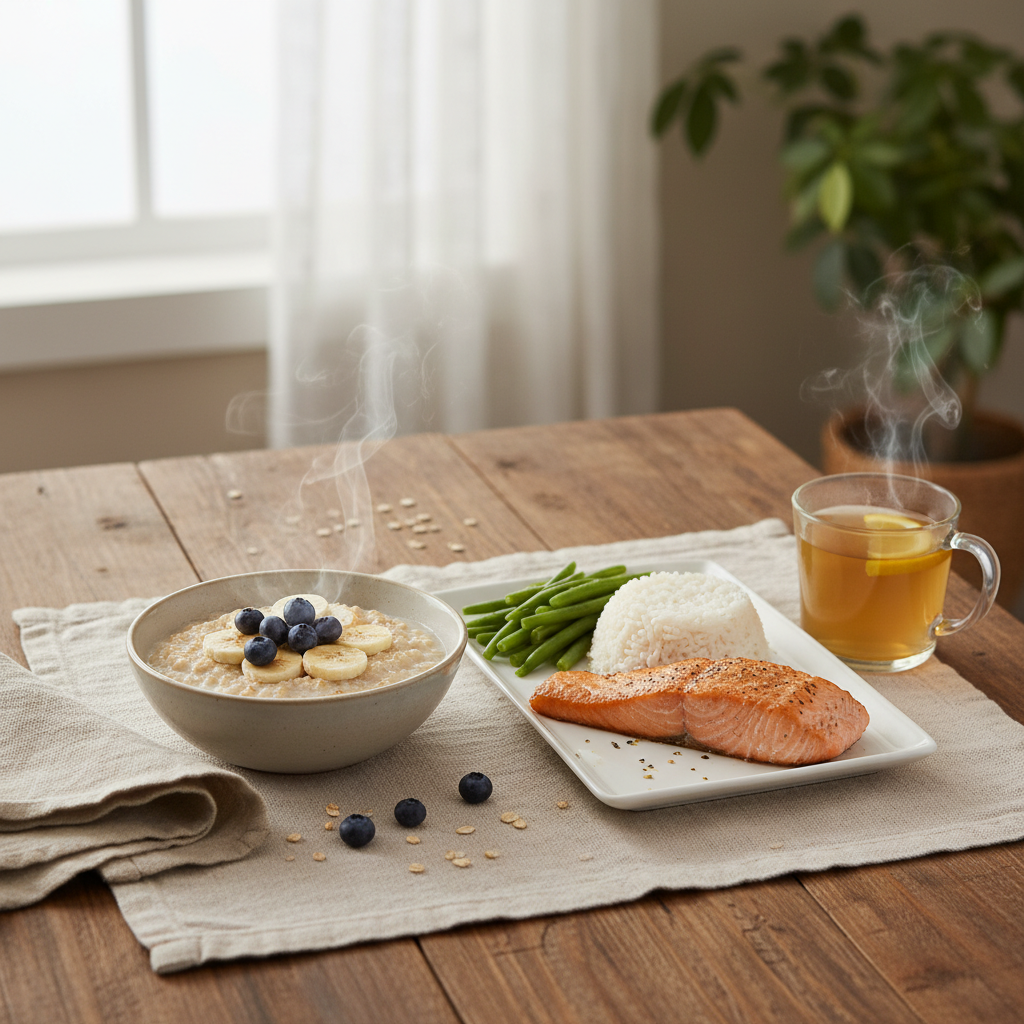
- Breakfast: Gluten-free oatmeal with sliced banana and a few blueberries, or a plain omelet with cooked spinach.
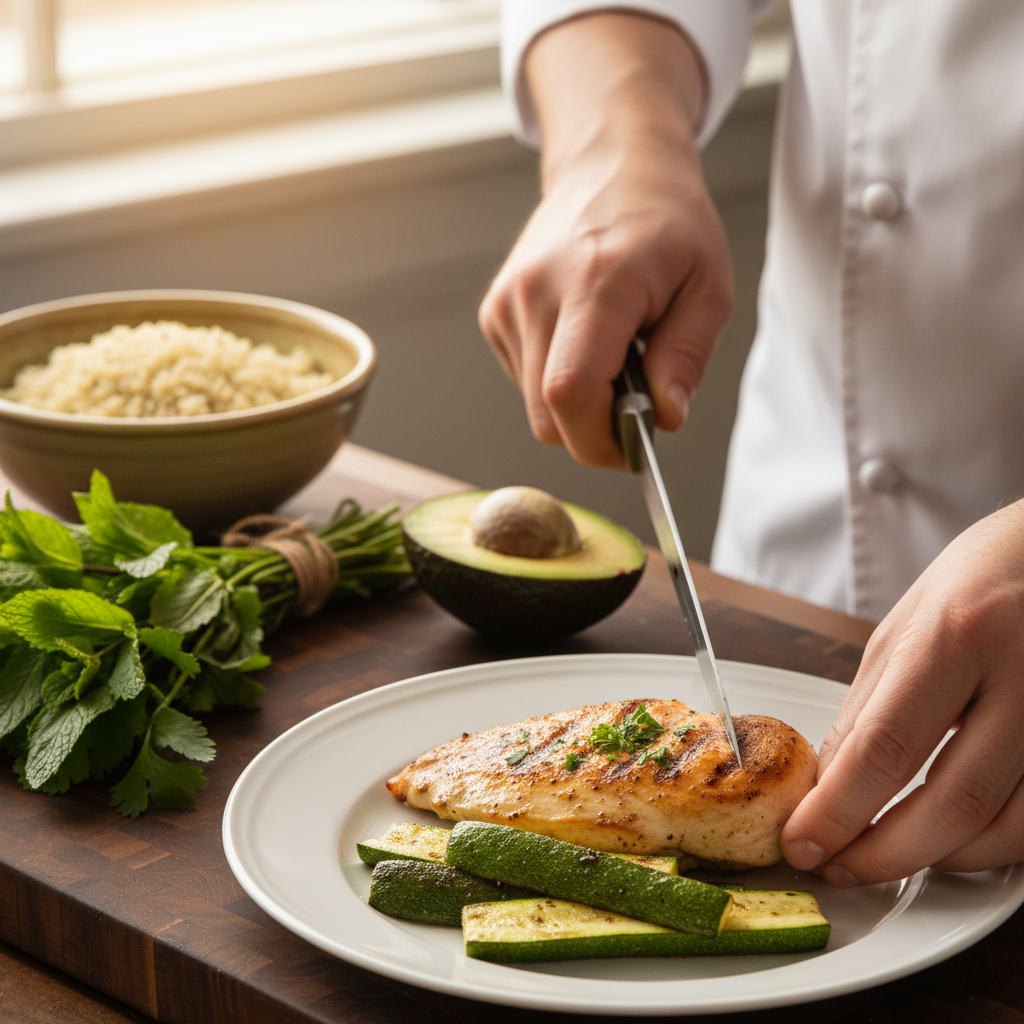
- Lunch: Baked chicken breast with steamed zucchini and white rice, or a simple soup made with pureed pumpkin and carrots.
- Dinner: Poached cod with baked sweet potato and tender green beans (if tolerated), or plain firm tofu stir-fried with cooked carrots and quinoa.
- Snacks: A ripe banana, a handful of grapes, a small portion of plain lactose-free yogurt, or rice cakes.
Embrace a Happier Gut
Transforming your diet to accommodate a sensitive stomach is a journey, not a destination. It requires patience, observation, and a willingness to experiment. By focusing on healthy digestion foods for a sensitive stomach – those that are gentle, nourishing, and prepared with care – you can significantly alleviate discomfort and cultivate a gut that feels balanced and happy. Remember, food is a powerful tool for wellness. Embrace these ingredients, listen to your body, and take proactive steps towards a life where you can enjoy meals without fear, fostering not just physical comfort but overall well-being.