Understanding Slow Metabolism: More Than Just Calories In, Calories Out
Before we dive into the delicious details, let’s briefly demystify “slow metabolism.” It’s not just an excuse; it’s a real physiological state influenced by genetics, age, gender, activity level, and crucially, diet. A slower metabolism means your body burns fewer calories at rest and during activity, making weight management challenging. Factors like hormonal imbalances (e.g., thyroid issues), chronic stress, lack of sleep, and even certain medications can contribute to this slowdown. The good news is that while some factors are beyond our immediate control, strategically chosen foods can significantly impact your metabolic rate and overall energy.
Instead of focusing purely on restriction, our approach centers on nourishment. We aim to select ingredients that not only provide essential nutrients but also actively support metabolic function, promote satiety, and stabilize blood sugar. This isn’t about deprivation; it’s about making smart, delicious choices that work *with* your body, not against it.

The Nutritional Pillars for a Revitalized Metabolism
To truly support a sluggish metabolism, we need to focus on macronutrients and micronutrients that actively contribute to energy expenditure and hormonal balance. Think of these as the fundamental building blocks for a more efficient internal engine.
1. Protein Powerhouses: The Thermogenic Advantage
Protein is arguably the most critical macronutrient for anyone looking to boost their metabolism. It has a higher “thermic effect of food” (TEF) than carbohydrates or fats, meaning your body burns more calories just to digest and process it. Furthermore, protein helps preserve and build lean muscle mass, which is a significant calorie-burning tissue. The more muscle you have, the higher your resting metabolic rate.
- Lean Meats: Chicken breast, turkey, lean cuts of beef, pork tenderloin.
- Fish and Seafood: Salmon, cod, tuna, shrimp, sardines (rich in omega-3s too!).
- Eggs: A complete protein, incredibly versatile and nutrient-dense.
- Dairy: Greek yogurt, cottage cheese (high in protein, provides calcium).
- Legumes: Lentils, black beans, chickpeas (also packed with fiber).
- Plant-Based Proteins: Tofu, tempeh, edamame, protein powders (whey, casein, pea, soy).
2. Complex Carbohydrates: Sustained Energy, Not Spikes
While often demonized, carbohydrates are vital for energy. The key is choosing complex carbohydrates over refined ones. Complex carbs are rich in fiber, which slows down digestion, prevents blood sugar spikes, and provides a steady release of energy. This stability helps prevent energy crashes and subsequent cravings, which can sabotage metabolic efforts.
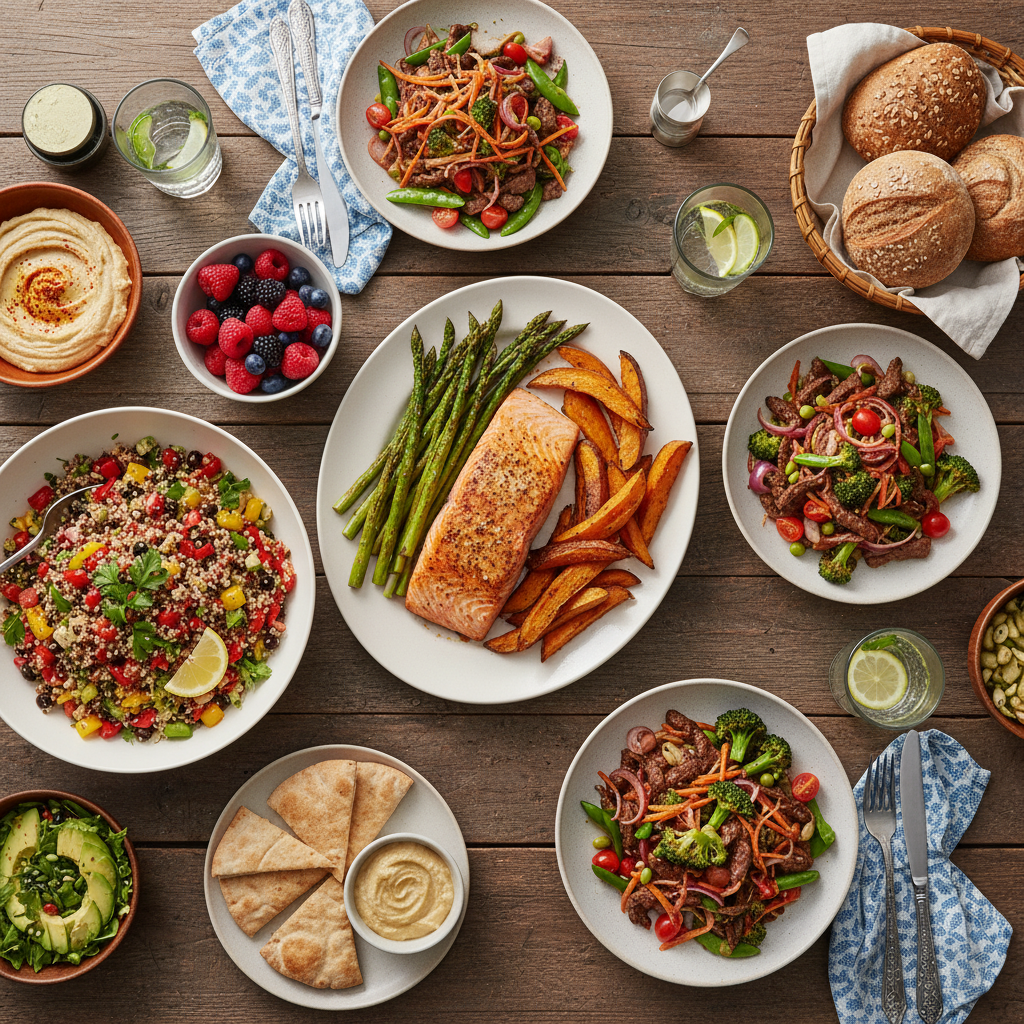
- Whole Grains: Oats, quinoa, brown rice, barley, whole-wheat bread and pasta.
- Starchy Vegetables: Sweet potatoes, butternut squash, corn, peas.
- Legumes: (Again!) Black beans, lentils, chickpeas, kidney beans.
- Fruits: Berries, apples, pears, oranges (packed with fiber and antioxidants).
3. Healthy Fats: Hormonal Balance and Satiety
Fats are not the enemy! Healthy fats are essential for hormone production (including those that regulate metabolism), nutrient absorption, and providing sustained satiety. They help you feel full and satisfied, reducing the likelihood of overeating or snacking on less healthy options. Focus on unsaturated fats and omega-3s.
- Avocado: Creamy, satisfying, and full of monounsaturated fats.
- Nuts and Seeds: Almonds, walnuts, chia seeds, flaxseeds, pumpkin seeds (great for snacks or toppings).
- Olive Oil: Excellent for cooking and dressings (extra virgin preferred).
- Fatty Fish: Salmon, mackerel, sardines (rich in omega-3 fatty acids, which can reduce inflammation and support metabolic health).
4. Fiber-Rich Foods: Gut Health and Digestion
Fiber often gets overlooked but is a metabolic superstar. It aids digestion, promotes gut health (a healthy gut microbiome is linked to better metabolism), and, like protein, has a thermic effect. Soluble fiber, in particular, can help regulate blood sugar and cholesterol levels.
- Vegetables: Broccoli, spinach, kale, Brussels sprouts, carrots, bell peppers.
- Fruits: Berries, apples, pears (with skin), bananas.
- Legumes: All beans and lentils.
- Whole Grains: Oats, barley, quinoa.
5. Micronutrient Magic: Vitamins and Minerals
Your metabolism relies on a complex symphony of enzymatic reactions, many of which require specific vitamins and minerals as cofactors. Deficiencies can hinder metabolic efficiency.
- B Vitamins: Essential for energy production (found in whole grains, lean meats, eggs, leafy greens).
- Iron: Crucial for oxygen transport to muscles (found in red meat, spinach, lentils).
- Magnesium: Involved in over 300 enzymatic reactions, including energy metabolism (found in nuts, seeds, leafy greens, dark chocolate).
- Iodine & Selenium: Vital for thyroid hormone production, which directly controls metabolic rate (found in seafood, dairy, Brazil nuts for selenium).
Metabolism-Boosting Ingredients to Incorporate Daily
Beyond the macronutrients, certain specific ingredients have been shown to provide a gentle metabolic nudge or offer other benefits that support weight management.
- Green Tea: Contains catechins (EGCG) and caffeine, which can increase fat oxidation and energy expenditure.
- Chili Peppers (Capsaicin): The compound that gives chili peppers their heat can slightly increase calorie burning and reduce appetite.
- Coffee: Moderate caffeine intake can temporarily boost metabolism and enhance fat burning, especially before exercise.
- Ginger: May have thermogenic properties and can aid digestion.
- Turmeric: Contains curcumin, which has anti-inflammatory properties that can support overall health, including metabolic function.
- Cinnamon: Helps regulate blood sugar levels, preventing spikes and crashes that can lead to fat storage.
- Apple Cider Vinegar (ACV): Some research suggests it can improve insulin sensitivity and help with satiety.
Sample Meal Ideas for a Slow Metabolism
Now, let’s bring these principles to life with practical and delicious meal ideas. As a chef, I believe food should be both nourishing and enjoyable!
Breakfast: Kickstarting Your Day
Your first meal sets the tone for your blood sugar and energy levels. Aim for a good dose of protein and complex carbs.
- Greek Yogurt Parfait with Berries, Nuts, and Seeds: Layers of high-protein Greek yogurt, a handful of mixed berries (antioxidants, fiber), a sprinkle of chia seeds (omega-3s, fiber), and a few chopped walnuts or almonds (healthy fats).
- Oatmeal with Protein Powder, Chia Seeds, and Cinnamon: Cooked oats (complex carbs, fiber) mixed with a scoop of your favorite protein powder for an extra protein boost, topped with chia seeds and a dash of metabolism-friendly cinnamon.
- Scrambled Eggs with Spinach and Whole-Wheat Toast: Two or three eggs (complete protein) scrambled with a generous handful of spinach (iron, fiber), served alongside a slice of whole-wheat toast with a thin spread of avocado.
Lunch: Sustained Energy
Keep lunch balanced to maintain stable energy and avoid afternoon slumps that can lead to unhealthy snacking.
- Quinoa Salad with Grilled Chicken or Lentils and Roasted Vegetables: A base of quinoa (complete protein, complex carb) tossed with colorful roasted vegetables (broccoli, bell peppers, zucchini), and either grilled chicken breast or hearty cooked lentils for protein. Dress with a lemon-tahini vinaigrette.
- Big Green Salad with Salmon or Tofu, Avocado, and a Light Vinaigrette: A bed of mixed greens topped with flaked grilled salmon or pan-seared tofu (protein, healthy fats), sliced avocado, cherry tomatoes, cucumber, and a light olive oil and apple cider vinegar dressing.
- Turkey & Veggie Wraps on Whole-Wheat Tortillas: Lean sliced turkey breast with a generous amount of shredded lettuce, grated carrots, cucumber, and a thin smear of hummus or mustard, all rolled into a whole-wheat tortilla.
Dinner: Rest and Repair
Dinner should be satisfying but not overly heavy, allowing your body to focus on repair and recovery overnight. Again, balance is key.
- Baked Cod with Sweet Potato and Steamed Broccoli: Light, flaky baked cod (lean protein, omega-3s), served with a medium baked sweet potato (complex carb, fiber) and a generous portion of steamed broccoli (fiber, vitamins). Season simply with herbs and lemon.
- Lean Beef Stir-fry with Brown Rice and Plenty of Veggies: Thinly sliced lean beef (protein, iron) stir-fried with a rainbow of vegetables (snap peas, carrots, bok choy, mushrooms) in a light ginger-soy or low-sodium tamari sauce, served over a small portion of brown rice.
- Chickpea and Vegetable Curry with a Side of Quinoa: A fragrant, plant-based curry featuring chickpeas (protein, fiber) and a variety of vegetables (cauliflower, spinach, bell peppers) in a coconut milk base with metabolism-friendly spices like turmeric and ginger. Serve with quinoa instead of white rice for added protein and fiber.
Snacks: Smart Fueling
If you need snacks, choose wisely to keep your metabolism humming and hunger at bay between meals.
- Apple slices with a tablespoon of almond butter.
- A hard-boiled egg.
- A small handful of raw almonds or walnuts.
- Vegetable sticks (carrots, celery, bell peppers) with hummus.
- A small container of plain Greek yogurt.
Key Strategies Beyond the Plate
While food is paramount, a holistic approach yields the best results. Consider these complementary strategies to support your metabolic health:
- Hydration: Drink plenty of water throughout the day. Dehydration can slow metabolism.
- Quality Sleep: Lack of sleep can disrupt hormones that regulate appetite and metabolism (ghrelin, leptin, cortisol). Aim for 7-9 hours.
- Stress Management: Chronic stress elevates cortisol, which can encourage fat storage, especially around the abdomen. Practice mindfulness, meditation, or yoga.
- Strength Training: Building muscle mass is one of the most effective ways to increase your resting metabolic rate. Incorporate weightlifting a few times a week.
- Consistent Meal Timing: Eating meals at regular intervals can help regulate blood sugar and keep your metabolism steady. Avoid skipping meals.
Making Sustainable Changes
Transforming your metabolism isn’t about quick fixes; it’s about sustainable lifestyle changes. Start by incorporating one or two new healthy habits at a time. Experiment with different recipes and ingredients to discover what you genuinely enjoy. Listen to your body – it will tell you what works best. Consistency is far more impactful than perfection.
Remember, while these dietary recommendations are generally beneficial, individual needs can vary. If you have underlying health conditions or significant metabolic concerns, consulting with a registered dietitian or healthcare professional is always recommended to tailor a plan specifically for you.
Conclusion: Empowering Your Metabolic Health
Eating for a slow metabolism doesn’t mean sacrificing flavor or enjoyment. As a chef, I believe it’s an opportunity to explore a world of vibrant, nutrient-dense ingredients that nourish your body from the inside out. By prioritizing lean protein, complex carbohydrates, healthy fats, and a rainbow of fiber-rich fruits and vegetables, you can create delicious meals that naturally support your metabolic health, boost your energy, and help you achieve your wellness goals. Embrace these strategies, and you’ll not only eat healthier but also truly fuel your body’s fire.