Embarking on your culinary journey can feel daunting, but it doesn’t have to be. For every aspiring chef, the secret to building lasting skills and confidence lies in starting with simple meals for beginner cooks. Forget complex techniques and exotic ingredients; this guide is designed to empower you to create delicious, satisfying dishes without the stress. We’ll explore foundational recipes, essential kitchen tools, and invaluable tips that will transform your kitchen into a place of joy, not intimidation. Get ready to ditch the takeout menus and discover the immense satisfaction of cooking your own food, one easy meal at a time.
Why Start Simple? The Foundation of Culinary Confidence
The biggest hurdle for new cooks is often the fear of failure. A recipe with too many steps, unfamiliar terms, or expensive ingredients can quickly lead to discouragement. This is precisely why focusing on simple recipes is paramount. It’s not about limiting your potential; it’s about building a solid foundation from which you can confidently grow.
- Reduced Stress: Fewer ingredients and simpler steps mean less to juggle, allowing you to focus on the process.
- Quick Wins: Successfully preparing an easy meal provides instant gratification and boosts your morale.
- Skill Development: Even the simplest recipes require basic techniques like chopping, sautéing, or boiling, helping you practice and refine them.
- Budget-Friendly: Simple dishes often rely on affordable, readily available ingredients, making home cooking more accessible.
- Foundation for Experimentation: Once you master the basics, you’ll feel more confident tweaking recipes or trying new variations.
Essential Kitchen Tools for the Novice Chef
You don’t need a professional kitchen setup to start cooking fantastic simple meals. A few key, versatile tools are all you require to get going. Invest in quality items that will serve you well for years.
- Chef’s Knife and Cutting Board: A sharp 8-inch chef’s knife and a sturdy cutting board are crucial for safe and efficient food preparation.
- Pots and Pans: A medium saucepan (2-3 quart) for boiling pasta or making sauces, and a large non-stick skillet (10-12 inch) for frying and sautéing.
- Measuring Cups and Spoons: Essential for accurate ingredient proportions, especially when you’re just starting out.
- Spatulas and Ladles: A heat-resistant rubber spatula for scraping bowls, a flipper spatula for turning food, and a ladle for serving soups.
- Mixing Bowls: A set of various sizes for combining ingredients.
- Colander: For draining pasta, washing vegetables, and more.
- Baking Sheet: A rimmed baking sheet is perfect for roasting vegetables or making sheet pan dinners.
Pantry Staples Every Beginner Needs
A well-stocked pantry is your secret weapon for whipping up simple meals on demand. Having these basics on hand means you’re always just a few steps away from a delicious meal, even on busy weeknights.
- Grains: Rice (white or brown), pasta (spaghetti, penne), oats.
- Canned Goods: Diced tomatoes, tomato paste, black beans, chickpeas, chicken or vegetable broth.
- Oils and Vinegars: Olive oil (for cooking and dressing), vegetable oil (for higher heat cooking), apple cider vinegar, white vinegar.
- Spices and Seasonings: Salt (kosher or sea salt), black pepper, garlic powder, onion powder, dried oregano, dried basil, red pepper flakes.
- Dairy/Eggs (Refrigerated): Eggs, milk, butter, cheese (cheddar, Parmesan).
- Fresh Aromatics: Onions, garlic, potatoes.
Simple Meals for Beginner Cooks: Recipes to Build Your Skills
Here’s where the fun begins! We’ve curated a selection of truly simple and satisfying meals perfect for novice cooks. Each recipe emphasizes fundamental techniques and delivers delicious results, giving you the confidence to expand your repertoire.
The Ultimate Omelette: Mastering Eggs
An omelette is a quick, versatile, and impressive dish that teaches you heat control and gentle handling. It’s a fantastic breakfast, lunch, or light dinner. Whisk 2-3 eggs with a splash of milk or water, salt, and pepper. Heat a non-stick pan over medium-low heat with a knob of butter. Pour in the eggs, and as they set, gently push the cooked edges towards the center, tilting the pan to let uncooked egg flow underneath. Before it’s fully set, add your favorite fillings (shredded cheese, chopped ham, spinach) to one half. Fold the other half over and slide onto a plate. Practice makes perfect!
Pasta with Simple Tomato Sauce: Italian Comfort, Made Easy
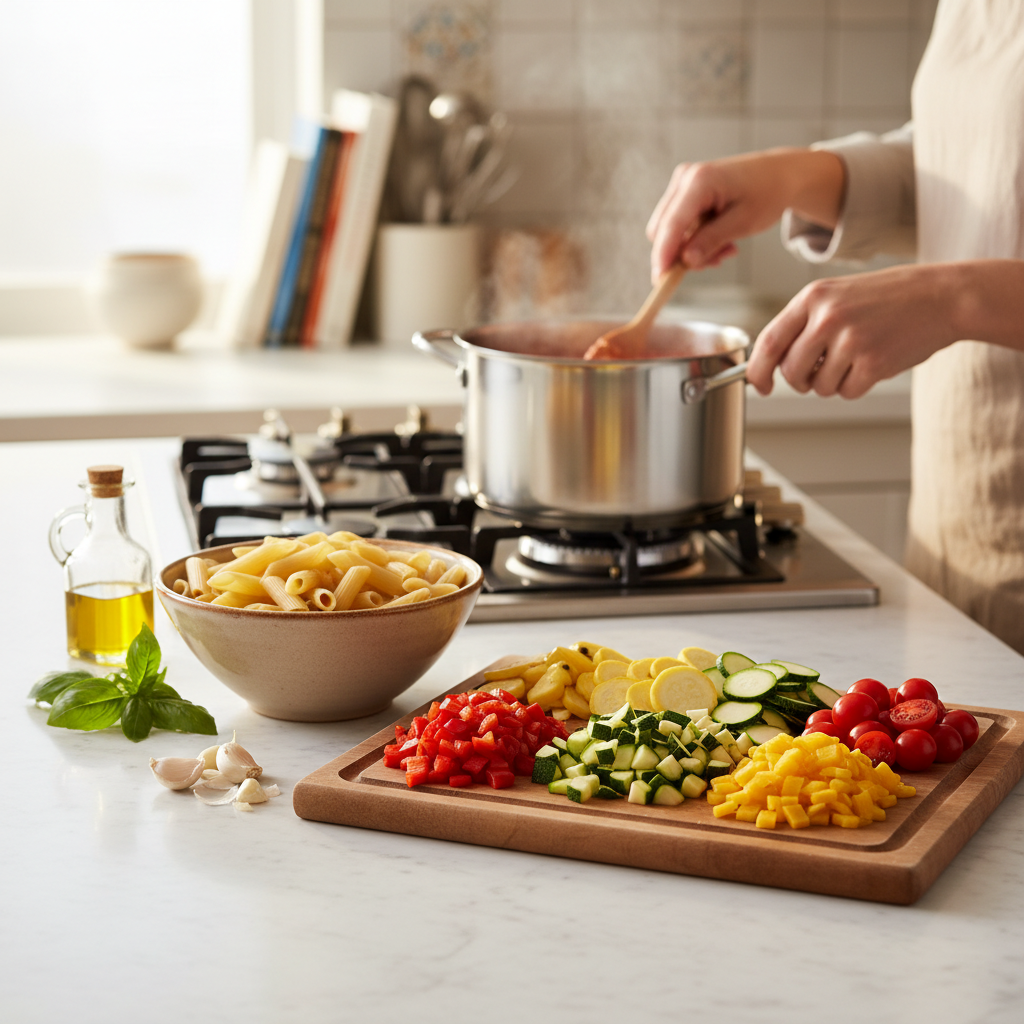
This classic dish is forgiving and infinitely customizable. Boil your favorite pasta according to package directions. While it cooks, heat a little olive oil in a saucepan. Sauté minced garlic until fragrant (don’t burn it!). Add a can of crushed or diced tomatoes, a pinch of sugar (to cut acidity), dried oregano or basil, salt, and pepper. Simmer for 15-20 minutes, allowing the flavors to meld. Drain the pasta, reserving a little pasta water. Combine the sauce and pasta, adding a splash of pasta water if needed for a smoother consistency. Top with fresh Parmesan cheese.
Sheet Pan Chicken & Veggies: One Pan Wonders
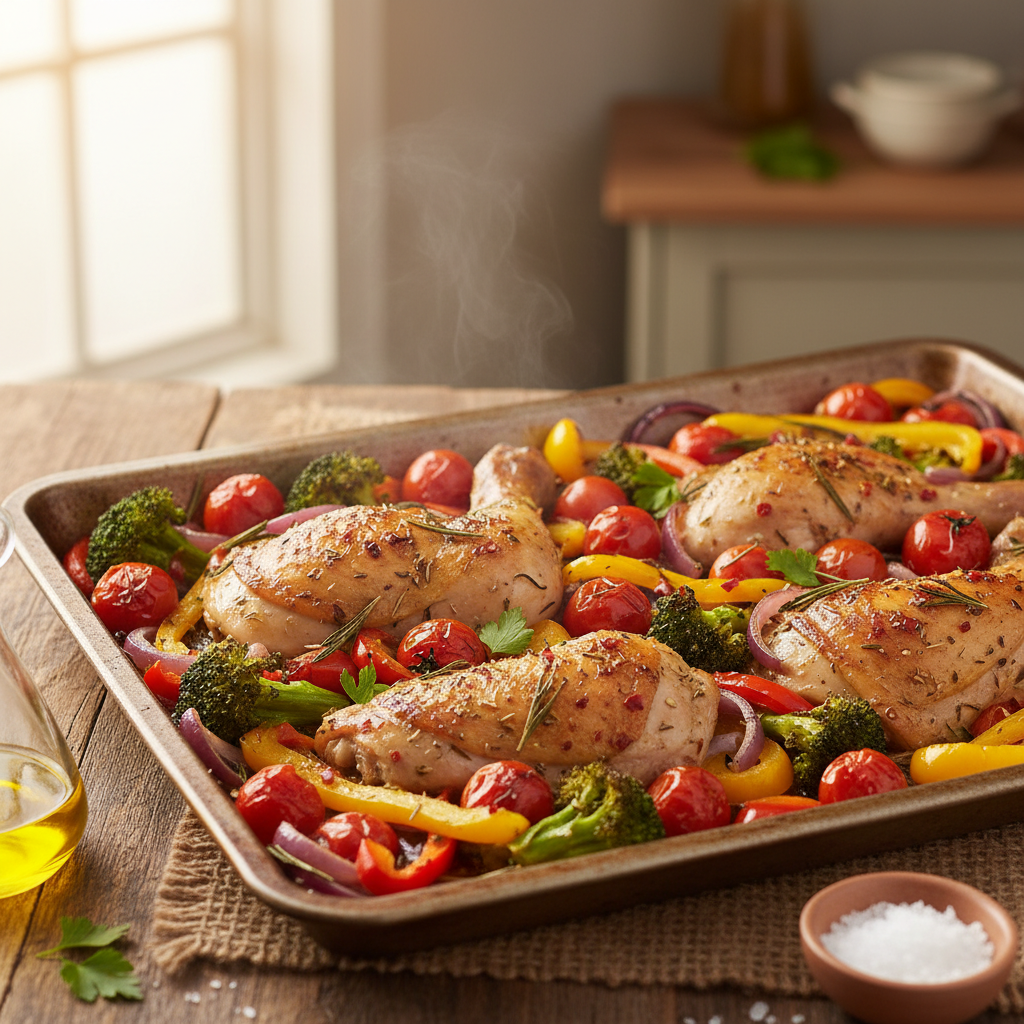
Sheet pan meals are a beginner’s dream for their minimal cleanup and simple preparation. Preheat your oven to 400°F (200°C). Chop chicken breast or thighs into bite-sized pieces and toss with olive oil, salt, pepper, garlic powder, and paprika. On a large rimmed baking sheet, arrange the seasoned chicken with chopped sturdy vegetables like broccoli florets, bell peppers, zucchini, or chopped potatoes. Drizzle veggies with olive oil and season. Roast for 20-30 minutes, or until chicken is cooked through and vegetables are tender and slightly caramelized. Flip halfway through for even cooking.
Hearty Lentil Soup: Wholesome & Forgiving
Soup is a wonderful way to learn about building flavors. This simple lentil soup is nutritious and incredibly easy. In a large pot, sauté chopped onion, carrots, and celery in olive oil until softened. Add minced garlic and cook for another minute. Stir in 1 cup of rinsed brown or green lentils, 4 cups of vegetable or chicken broth, a can of diced tomatoes, a bay leaf, and your favorite spices like cumin, coriander, salt, and pepper. Bring to a boil, then reduce heat and simmer for 25-35 minutes, or until lentils are tender. Remove the bay leaf before serving. Adjust seasoning to taste.
Classic Grilled Cheese & Tomato Soup: A Timeless Duo
This iconic pairing is pure comfort and incredibly simple. For the grilled cheese, butter one side of two slices of bread. Place one slice butter-side down in a medium skillet over medium heat. Top with your favorite cheese (cheddar, American, or Monterey Jack work great), then the second slice of bread, butter-side up. Cook for 3-5 minutes per side, or until golden brown and the cheese is melted and gooey. Serve with a simple canned tomato soup, heated on the stove according to package directions. Elevate the soup with a swirl of cream or a sprinkle of fresh herbs.
Quick Stir-Fry: Adaptable & Fast
Stir-fries are all about quick cooking and using what you have. Heat a large skillet or wok over high heat with a tablespoon of high-smoke point oil (like vegetable or canola). Add sliced chicken, beef, shrimp, or tofu and stir-fry until cooked through. Remove from the pan. Add more oil if needed, then add chopped hearty vegetables like broccoli, carrots, and bell peppers. Stir-fry for 3-5 minutes until crisp-tender. Return the protein to the pan. Add a simple sauce made from soy sauce, a touch of honey or sugar, and a spoonful of cornstarch mixed with water (for thickening). Toss everything together until coated and hot. Serve over steamed rice.
Tacos or Burrito Bowls: Build Your Own Adventure
Tacos and burrito bowls are fantastic for beginners because they involve assembling pre-cooked components. Cook ground beef or turkey with taco seasoning according to package directions. Or, simply season and cook black beans with cumin and chili powder. Warm corn or flour tortillas, or prepare a bed of rice for a bowl. Set out toppings like shredded lettuce, diced tomatoes, shredded cheese, salsa, sour cream, and avocado or guacamole. Let everyone build their own! This teaches you about ingredient prep and customization.
Mastering Basic Cooking Techniques
Beyond specific recipes, understanding a few core cooking techniques will elevate your skills and make any simple meal a success:
- Sautéing: Cooking food quickly in a small amount of fat over medium-high heat. It’s perfect for aromatics like onions and garlic, or quickly cooking vegetables.
- Boiling: Heating liquids to a rolling boil, commonly used for pasta, potatoes, or blanching vegetables.
- Roasting: Cooking food in the oven with dry heat, often with a little oil and seasoning, resulting in tender interiors and browned, flavorful exteriors.
- Chopping/Dicing: Learning to safely and efficiently cut ingredients is fundamental. Start with larger pieces and gradually work on uniformity.
- Seasoning: Understanding when and how much salt, pepper, and other spices to add is key to flavorful food. Taste as you go!
Tips for Success in Your Culinary Journey
Every chef started somewhere. These tips will help you navigate the initial learning curve and make cooking a more enjoyable experience.
- Read the Recipe First: Before you even touch an ingredient, read the entire recipe from start to finish. This helps you understand the process and catch any potential issues.
- Mise en Place: This French term means “everything in its place.” Before you begin cooking, chop all vegetables, measure all spices, and have every ingredient ready. This streamlines the cooking process and prevents panic.
- Taste as You Go: This is arguably the most important tip. Continuously taste your food during cooking and adjust seasonings (salt, pepper, herbs) as needed.
- Don’t Fear Mistakes: Everyone makes mistakes in the kitchen, even professional chefs. See them as learning opportunities, not failures.
- Start Small: Don’t try to cook a five-course meal on your first attempt. Master one or two simple recipes before moving on to more complex ones.
- Keep Your Knife Sharp: A sharp knife is safer and more efficient than a dull one. Learn how to maintain it or have it professionally sharpened.
- Experiment: Once you’re comfortable, don’t be afraid to substitute ingredients or add your own twist to a recipe. That’s how creativity in cooking begins!
The Joy of Cooking: A Journey, Not a Destination
Learning to cook is one of the most rewarding life skills you can acquire. It empowers you to eat healthier, save money, and express your creativity. It allows you to share delicious meals with loved ones, create memories, and find genuine satisfaction in the simple act of nurturing yourself and others through food. Embrace the process, celebrate your small victories, and enjoy every step of your culinary evolution.
So, take a deep breath, pick one of these simple meals for beginner cooks, and get started. Your kitchen adventure awaits!