The Science of a Strong Immune System: Food as Medicine
Your immune system is a complex network of cells, tissues, and organs that work together to protect your body from harmful invaders like bacteria, viruses, and other pathogens. Nutrition plays a foundational role in its function. Deficiencies in certain vitamins and minerals can compromise immune response, making you more susceptible to illness. Conversely, a diet rich in specific nutrients can enhance the activity of immune cells, reduce inflammation, and improve your overall resilience.
Think of your immune system as a sophisticated army. Just like soldiers need proper training and equipment, your immune cells need the right fuel to perform their duties effectively. This fuel comes directly from the food you eat. By choosing nutrient-dense whole foods, you’re providing the essential building blocks for a well-functioning defense system.
Key Nutrients and Foods for Immune Health
While a balanced diet is always the goal, certain vitamins, minerals, and compounds are particularly crucial for immune function. Let’s explore the superstars:
Vitamin C: The Antioxidant Powerhouse
- Why it’s important: Vitamin C is a powerful antioxidant that helps protect cells from damage caused by free radicals. It also supports the production and function of white blood cells, which are key players in fighting infections.
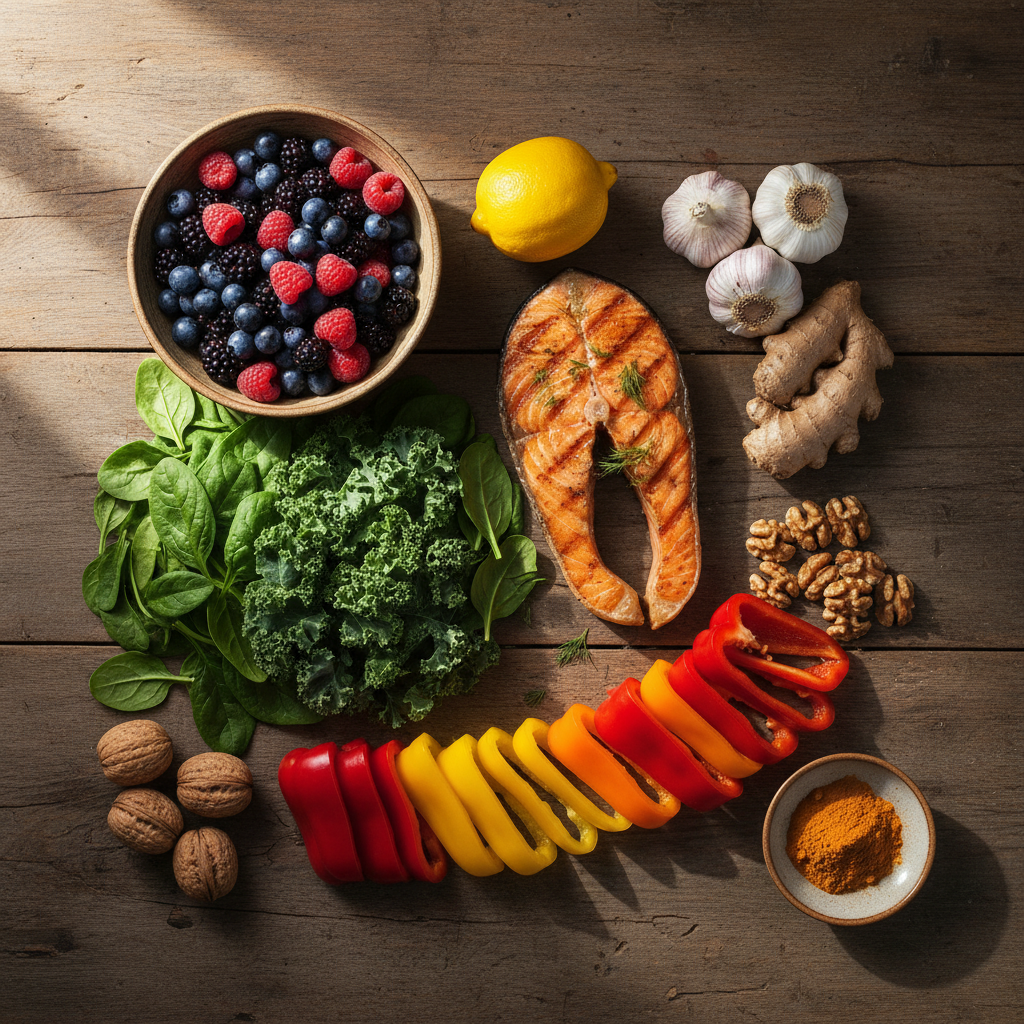
- Food sources: Citrus fruits (oranges, grapefruits, lemons), bell peppers (especially red and yellow), strawberries, kiwi, broccoli, kale, spinach.
Vitamin D: The Sunshine Vitamin for Immunity
- Why it’s important: Often called the “sunshine vitamin,” Vitamin D plays a crucial role in modulating immune responses. Many people are deficient, especially in regions with less sunlight.
- Food sources: Fatty fish (salmon, mackerel, sardines), fortified milk and cereals, egg yolks, some mushrooms.
Zinc: The Essential Trace Mineral
- Why it’s important: Zinc is vital for the development and function of immune cells. Even a mild deficiency can impair immune function.
- Food sources: Oysters (highest source), red meat, poultry, beans, nuts (cashews, almonds), seeds (pumpkin, sesame), whole grains.
Selenium: The Immune System’s Guardian
- Why it’s important: This trace mineral acts as an antioxidant and is important for immune cell function, helping to protect the body from viral infections.
- Food sources: Brazil nuts (just one or two provides your daily needs!), seafood, lean meats, poultry, eggs, sunflower seeds, mushrooms.
Probiotics: Gut Health, Immune Health
- Why it’s important: A significant portion of your immune system resides in your gut. Probiotics (beneficial bacteria) help maintain a healthy gut microbiome, which in turn supports a robust immune response.
- Food sources: Yogurt, kefir, sauerkraut, kimchi, kombucha, tempeh.
Omega-3 Fatty Acids: Inflammation Fighters
- Why it’s important: Omega-3s have anti-inflammatory properties, which can help regulate immune responses and prevent chronic inflammation that can weaken immunity.
- Food sources: Fatty fish (salmon, tuna, mackerel), flaxseeds, chia seeds, walnuts, hemp seeds.
Phytochemicals and Antioxidants: Nature’s Protectors
- Why they’re important: Beyond vitamins and minerals, plant compounds like flavonoids, carotenoids, and polyphenols act as powerful antioxidants, protecting cells from damage and supporting overall immune function.
- Food sources: All colorful fruits and vegetables (berries, dark leafy greens, purple cabbage, carrots, tomatoes), spices (turmeric, ginger, garlic).
Immunity-Boosting Meal Ideas for Every Time of Day
Let’s move from theory to delicious practice. Here are meal inspirations designed to flood your body with immune-supporting nutrients.
Breakfast Boosters: Start Your Day Strong
- Berry Blast Smoothie: Blend frozen mixed berries (Vitamin C, antioxidants), spinach (Vitamin C, iron), a scoop of Greek yogurt or kefir (probiotics, protein), chia seeds (omega-3s), and a splash of fortified almond milk (Vitamin D).
- Oatmeal with Nuts and Fruit: Cook rolled oats (fiber) with water or milk. Top with a handful of walnuts (omega-3s), sliced banana, a sprinkle of cinnamon (antioxidant), and a tablespoon of flaxseeds.
- Scrambled Eggs with Spinach and Turmeric: Scramble eggs (Vitamin D, selenium) with a generous handful of fresh spinach (Vitamin C, iron) and a pinch of turmeric powder (anti-inflammatory). Serve with a side of whole-wheat toast.
- Sweet Potato and Kale Hash: Dice sweet potato and sauté with kale, onions, and garlic until tender. Top with a poached egg for a nutrient-packed breakfast.
Lunchtime Legends: Powering Through Your Day
- Hearty Lentil and Vegetable Soup: A classic for a reason! Prepare a soup with lentils (zinc, protein), carrots, celery, onions, garlic, and plenty of kale or spinach. Add a spoonful of turmeric for an extra anti-inflammatory kick.
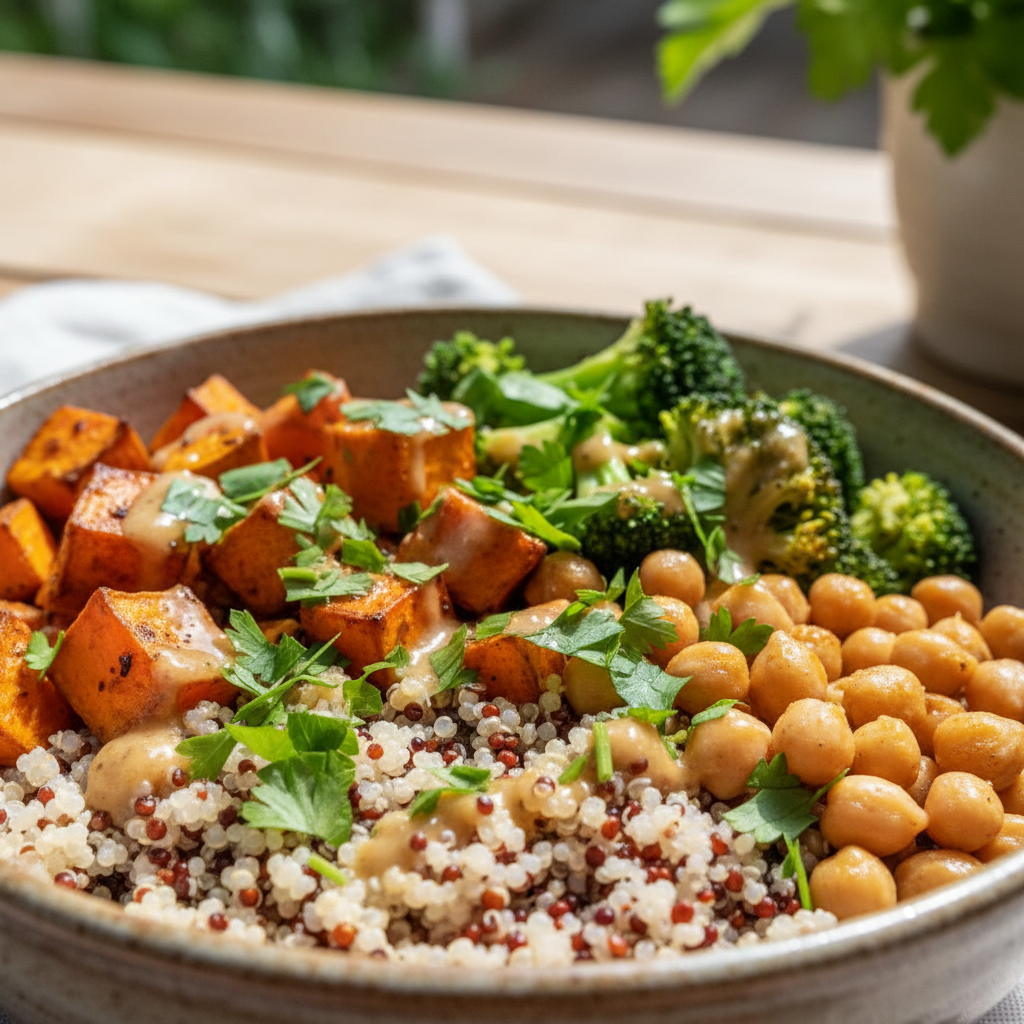
- Quinoa Salad with Roasted Vegetables and Chickpeas: Roast a medley of colorful vegetables like bell peppers, broccoli, and zucchini. Toss with cooked quinoa (zinc, fiber), chickpeas (zinc, protein), and a lemon-tahini dressing. Add some fresh parsley for extra Vitamin C.
- Smoked Salmon and Avocado Salad: Combine mixed greens, smoked salmon (omega-3s, Vitamin D), sliced avocado (healthy fats), cherry tomatoes (Vitamin C), and a sprinkle of pumpkin seeds (zinc). Dress with olive oil and lemon juice.
- Chicken or Chickpea Salad Wraps: Mix shredded cooked chicken (zinc, protein) or mashed chickpeas with Greek yogurt, celery, and grapes. Spoon into whole-wheat tortillas with a bed of spinach.
Dinner Defenders: Restoring and Rebuilding
- Baked Salmon with Roasted Root Vegetables: Bake a salmon fillet (omega-3s, Vitamin D) with a side of roasted sweet potatoes, carrots, and parsnips (antioxidants, fiber). Season with herbs like thyme and rosemary.
- Turmeric Chicken and Vegetable Stir-fry: Sauté lean chicken breast (zinc, protein) with a rainbow of bell peppers, broccoli florets, snap peas, and garlic. Season generously with turmeric, ginger, and black pepper. Serve over brown rice.
- Black Bean and Veggie Chili: A hearty, plant-based option rich in fiber and zinc. Combine black beans, corn, diced tomatoes, onions, bell peppers, and chili spices. Top with a dollop of Greek yogurt or a sprinkle of nutritional yeast for extra B vitamins.
- Garlic and Lemon Chicken with Kale: Pan-sear chicken thighs or breasts with plenty of minced garlic and a squeeze of fresh lemon juice. Serve alongside sautéed kale with a touch of olive oil.
Smart Snacking for Sustained Immunity
- Fruit and Nut Butter: Sliced apples or pears with almond or cashew butter.
- Greek Yogurt with Berries: Probiotics, protein, and antioxidants.
- Veggie Sticks with Hummus: Carrots, celery, bell peppers with chickpea hummus (zinc, fiber).
- Small Handful of Mixed Nuts and Seeds: Walnuts, almonds, pumpkin seeds, sunflower seeds for omega-3s, zinc, and selenium.
- Hard-Boiled Eggs: Portable protein and Vitamin D.
Hydration: The Unsung Hero of Immune Health
While often overlooked in discussions about food, adequate hydration is absolutely critical for immune function. Water helps transport nutrients to cells, remove waste products, and maintain healthy mucous membranes, which are your body’s first line of defense against pathogens. Aim for at least 8 glasses of water a day, more if you’re active or in a hot climate.
- Infused Water: Add slices of lemon, cucumber, or berries to your water for a flavorful and refreshing boost.
- Herbal Teas: Green tea, ginger tea, and peppermint tea offer antioxidants and can be soothing.
- Bone Broth: Rich in amino acids and minerals, bone broth can be incredibly nourishing and hydrating.
Practical Tips for Incorporating Immune-Boosting Meals
Making dietary changes can feel overwhelming, but a few simple strategies can make it much easier to integrate these healthy meals for boosting immune system naturally into your daily routine.
1. Plan Ahead
- Meal Planning: Take an hour each week to plan your meals and snacks. This reduces decision fatigue and helps you stick to healthy choices.
- Grocery List: Create a detailed grocery list based on your meal plan to ensure you have all the necessary ingredients.
2. Batch Cook
- Cook larger quantities of grains (quinoa, brown rice), roasted vegetables, or proteins (chicken, lentils) at the beginning of the week. These can be easily incorporated into various meals.
3. Embrace Seasonal Produce
- Seasonal fruits and vegetables are often fresher, more nutrient-dense, and more flavorful. Visit local farmers’ markets for inspiration.
4. Spice It Up
- Don’t underestimate the power of herbs and spices. Garlic, ginger, turmeric, oregano, and rosemary not only add flavor but also boast impressive immune-supporting properties.
5. Don’t Forget Variety
- Eating a wide range of colorful fruits, vegetables, and different protein sources ensures you’re getting a broad spectrum of nutrients.
Sample 3-Day Immune-Boosting Meal Plan
Here’s a snapshot of how you might structure your meals to prioritize immune health:
Day 1
- Breakfast: Berry Blast Smoothie (mixed berries, spinach, Greek yogurt, chia seeds).
- Lunch: Hearty Lentil and Vegetable Soup with a slice of whole-wheat bread.
- Dinner: Baked Salmon with roasted sweet potatoes and broccoli.
- Snacks: Apple slices with almond butter; a handful of walnuts.
Day 2
- Breakfast: Oatmeal with flaxseeds, banana, and a sprinkle of cinnamon.
- Lunch: Quinoa Salad with roasted bell peppers, chickpeas, and a lemon-tahini dressing.
- Dinner: Turmeric Chicken and Vegetable Stir-fry over brown rice.
- Snacks: Greek yogurt with a few strawberries; a small bowl of edamame.
Day 3
- Breakfast: Scrambled eggs with spinach and a pinch of turmeric, served with avocado toast.
- Lunch: Leftover Black Bean and Veggie Chili, topped with fresh cilantro.
- Dinner: Garlic and Lemon Chicken with a large serving of sautéed kale.
- Snacks: Carrot sticks with hummus; a Brazil nut.
Beyond Food: A Holistic Approach to Immunity
While food is paramount, remember that a strong immune system is also supported by other lifestyle factors:
- Adequate Sleep: Aim for 7-9 hours of quality sleep per night. Sleep deprivation can suppress immune function.
- Regular Exercise: Moderate physical activity can boost immune cells, but avoid over-exertion, which can be counterproductive.
- Stress Management: Chronic stress can weaken your immune system. Practice mindfulness, meditation, yoga, or spend time in nature.
- Limit Processed Foods and Sugar: These can contribute to inflammation and negatively impact gut health, thereby weakening your immune response.
Conclusion: Empowering Your Health Through Food
Embracing healthy meals for boosting immune system naturally is not just about warding off illness; it’s about investing in your overall vitality and well-being. By focusing on whole, unprocessed foods rich in essential vitamins, minerals, and antioxidants, you empower your body’s natural defenses to function at their best. As your chef, I encourage you to experiment with these ingredients, discover new flavors, and enjoy the journey of nourishing your body from the inside out. Your immune system will thank you for it.