Understanding the Sugar Addiction Cycle
Before we dive into the solutions, it’s crucial to understand the enemy. Sugar consumption triggers a dopamine release in the brain, similar to how certain addictive substances work. This creates a powerful reward system. When blood sugar levels inevitably crash, the body signals for more sugar to restore that “high,” creating a vicious cycle of craving, consumption, crash, and repeat. This pattern not only impacts our waistlines but also our energy levels, mental clarity, and long-term health, contributing to inflammation, insulin resistance, and an increased risk of chronic diseases.
The Culinary Strategy: Pillars of a Sugar-Reducing Diet
Breaking free from sugar isn’t about deprivation; it’s about intelligent substitution and nourishing your body with foods that promote satiety and stable blood sugar. Here are the core nutritional pillars:
Protein Powerhouse
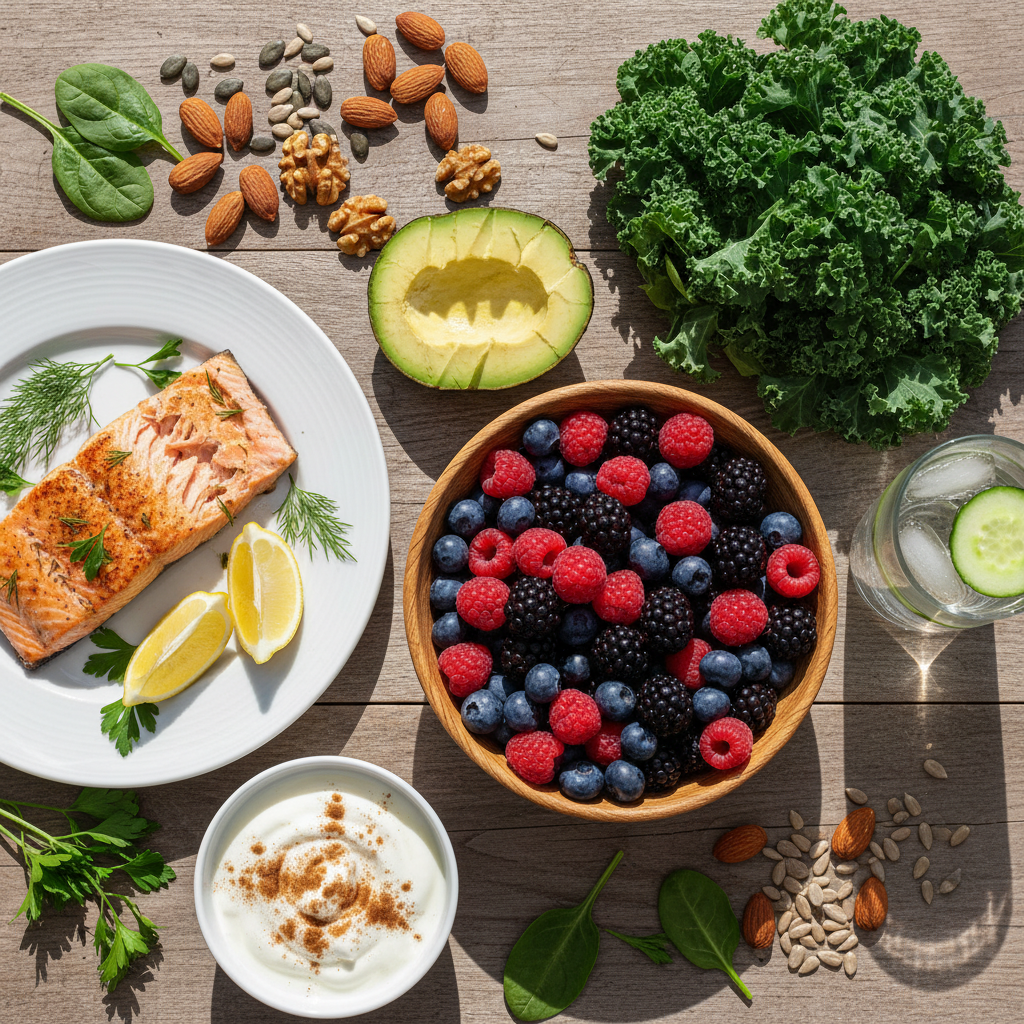
Protein is your ally against sugar cravings. It helps to slow down digestion, keeping you feeling full for longer and preventing the rapid blood sugar spikes and crashes that trigger sweet desires. Lean proteins provide essential amino acids without excess calories.
Fiber-Rich Foods
Fiber, especially soluble fiber, is a game-changer. It helps regulate blood sugar by slowing the absorption of glucose into the bloodstream. Found in fruits, vegetables, legumes, and whole grains, fiber also adds bulk to your meals, contributing to satiety.
Healthy Fats
Healthy fats are crucial for satiety and nutrient absorption. They don’t significantly impact blood sugar levels and can help curb cravings by providing a sustained source of energy, making you less likely to reach for sugary snacks.
Complex Carbohydrates
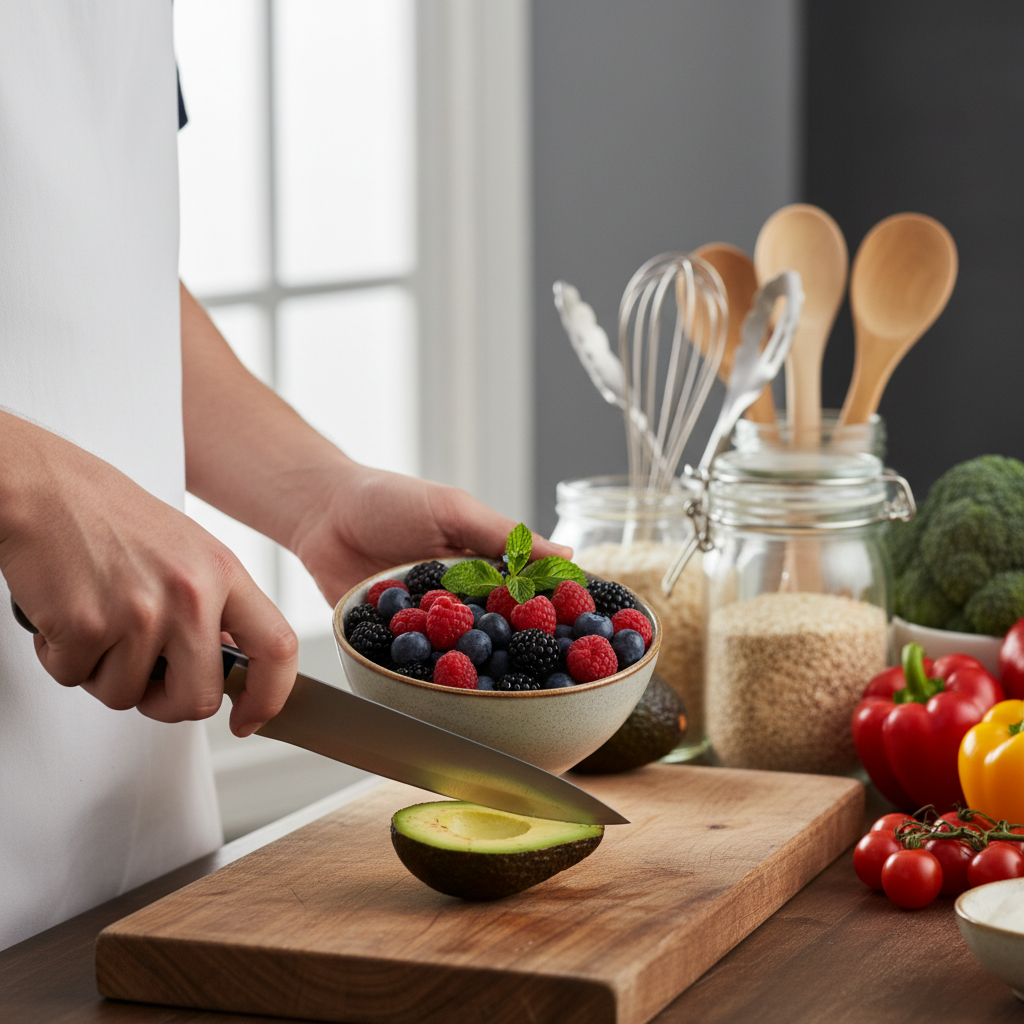
Unlike simple sugars, complex carbohydrates are digested slowly, providing a steady release of glucose into the bloodstream. This prevents energy dips and sudden hunger pangs that often lead to sugar seeking.
Hydration
Often overlooked, adequate hydration is fundamental. Dehydration can sometimes be mistaken for hunger or cravings. Drinking plenty of water throughout the day can help manage appetite and reduce the urge for sugary drinks.
Specific Foods That Combat Sugar Cravings
Now, let’s explore the heroes in your kitchen – the specific foods that can actively help you stop sugar addiction patterns and foster a healthier relationship with food.
Lean Proteins: Your Foundation for Satiety
-
Chicken and Turkey Breast: Versatile and low in fat, these provide essential amino acids. Grill, bake, or stir-fry them with plenty of vegetables.
-
Fish (Salmon, Tuna, Cod): Rich in protein and often omega-3 fatty acids, fish is excellent for brain health and satiety. Salmon, in particular, offers a hearty, satisfying meal.
-
Eggs: A complete protein, eggs are perfect for breakfast, lunch, or a quick snack. They keep you full and stabilize blood sugar effectively.
-
Legumes (Lentils, Chickpeas, Beans): Plant-based powerhouses packed with both protein and fiber. Incorporate them into soups, salads, or make homemade hummus.
Fiber-Rich Vegetables: Nature’s Sugar Stabilizers
-
Leafy Green Vegetables (Spinach, Kale, Swiss Chard): Low in calories but high in fiber and nutrients. They add bulk to meals without affecting blood sugar.
-
Cruciferous Vegetables (Broccoli, Cauliflower, Brussels Sprouts): These vegetables are dense in fiber and phytonutrients. Roasting brings out their natural sweetness.
-
Root Vegetables (Carrots, Sweet Potatoes – in moderation): While slightly higher in natural sugars, their fiber content means a slower release. Enjoy them baked or roasted as a healthier carb source.
Fruits: Smart Natural Sweetness
-
Berries (Blueberries, Raspberries, Strawberries, Blackberries): These are your best friends when trying to reduce sugar. They are lower in sugar than most fruits but high in fiber and antioxidants. Enjoy them fresh, in smoothies, or on plain yogurt.
-
Apples: With their high fiber content, apples provide a satisfying crunch and a moderate amount of natural sweetness, helping to curb cravings.
Healthy Fats: Sustained Energy and Satiety
-
Avocados: Creamy, delicious, and loaded with monounsaturated fats and fiber. Avocados help keep you full and satisfied, making them excellent in salads, smoothies, or as a spread.
-
Nuts and Seeds (Almonds, Walnuts, Chia Seeds, Flax Seeds): These are nutrient powerhouses, offering healthy fats, protein, and fiber. A small handful can quell hunger pangs. Chia and flax seeds are excellent for adding to oatmeal or smoothies, providing omega-3s and soluble fiber.
-
Olive Oil: A staple in healthy cooking, extra virgin olive oil provides healthy fats for dressings and sautéing, contributing to satiety.
Whole Grains: Complex Carbs for Steady Fuel
-
Oats (Steel-cut or Rolled): A fantastic source of soluble fiber, oats help stabilize blood sugar and keep you full. Avoid instant, sugary versions; instead, cook plain oats and flavor with berries and cinnamon.
-
Quinoa: A complete protein and a good source of fiber, quinoa is incredibly versatile. Use it as a base for salads or as a side dish.
-
Brown Rice: A healthier alternative to white rice, providing more fiber and nutrients for sustained energy.
Fermented Foods: Gut Health & Cravings
-
Plain Greek Yogurt (Unsweetened): High in protein and probiotics, Greek yogurt can improve gut health, which has been linked to reduced sugar cravings. Add berries or a dash of cinnamon for flavor.
-
Kefir, Sauerkraut, Kimchi: These fermented foods introduce beneficial bacteria to your gut, which can play a role in regulating appetite and metabolism.
Spices: Naturally Sweeten and Balance
-
Cinnamon: This wonderful spice has been shown to help regulate blood sugar levels and can naturally enhance the perception of sweetness in foods without adding sugar. Sprinkle it on oatmeal, coffee, or yogurt.
-
Nutmeg and Cloves: Similar to cinnamon, these spices can add warmth and a perception of sweetness to your dishes, making them satisfying without extra sugar.
Dark Chocolate (in Moderation)
When a craving hits hard, a small piece of high-quality dark chocolate (70% cocoa or higher) can be a saviour. Its bitterness, combined with a small amount of sugar, can satisfy the craving without triggering a full sugar binge. It also contains antioxidants.
Beyond Food: Holistic Approaches to Breaking Sugar Addiction
While food is paramount, a holistic strategy yields the best results. As a chef, I recognize that our relationship with food is deeply intertwined with lifestyle.
Mindful Eating
Pay attention to your hunger cues and the act of eating. Slow down, savor your food, and truly taste the natural flavors. This can help you recognize true hunger versus emotional eating or cravings.
Stress Management
Stress often triggers cravings for comfort foods, which are typically high in sugar. Incorporate stress-reducing activities like meditation, yoga, or spending time in nature.
Adequate Sleep
Lack of sleep can disrupt hunger hormones (ghrelin and leptin), leading to increased appetite and sugar cravings. Prioritize 7-9 hours of quality sleep each night.
Regular Exercise
Physical activity helps regulate blood sugar, reduces stress, and boosts mood, naturally diminishing the psychological need for a sugar “fix.”
Crafting Your Sugar-Free Meal Plan: A Chef’s Tips
Putting these foods into practice is where the magic happens. Here are some chef-inspired tips:
-
Plan Your Meals: Dedicate time to planning and preparing your meals for the week. This reduces the likelihood of resorting to sugary convenience foods when hunger strikes.
-
Stock Your Pantry Smartly: Keep your kitchen full of the healthy foods listed above and clear out tempting sugary snacks and drinks.
-
Read Labels Vigilantly: Sugar hides under many names (high-fructose corn syrup, dextrose, maltose, sucrose, etc.). Always check ingredient lists, even for savory foods like bread or sauces.
-
Embrace Flavor from Whole Foods: Learn to appreciate the natural sweetness of vegetables, the tang of fermented foods, and the richness of healthy fats. Use herbs, spices, and citrus to elevate flavors without sugar.
-
Prep Healthy Snacks: Have pre-portioned nuts, veggie sticks with hummus, or plain Greek yogurt with berries ready for when hunger strikes.
-
Start Gradually: Don’t try to eliminate all sugar overnight. Begin by cutting out sugary drinks, then processed snacks, and gradually reduce added sugars in your meals.
Conclusion: Your Journey to Freedom from Sugar
Breaking free from sugar addiction patterns is a journey, not a destination. By strategically incorporating these power-packed foods into your diet, you equip your body with the tools it needs to stabilize blood sugar, reduce cravings, and nourish itself properly. As a chef, I believe that food should be both delicious and health-giving. Embrace the rich, complex flavors of whole foods, and you’ll discover a renewed sense of vitality and freedom from the constant pull of sugar. Start today – your palate, your body, and your mind will thank you.