As students, learners, and anyone seeking to optimize cognitive performance knows, maintaining sharp focus during study sessions can be a monumental task. The good news? The secret to sustained concentration and enhanced learning often lies right in your kitchen. Choosing the right foods that support focus for studying isn’t just about curbing hunger; it’s about providing your brain with the precise nutrients it needs to perform at its peak, transforming sluggish sessions into productive power hours. This comprehensive guide will explore the culinary allies that can elevate your academic game.
The Brain-Food Connection: Why What You Eat Matters
Your brain, a complex supercomputer, demands a steady supply of energy and specific micronutrients to function optimally. It’s incredibly energy-intensive, consuming about 20% of your body’s calories, even at rest. The quality of this fuel directly impacts everything from memory retention and problem-solving abilities to mood regulation and, crucially, your ability to focus. Processed sugars and unhealthy fats can lead to energy crashes and mental fog, while nutrient-dense whole foods provide a sustained release of energy and vital compounds that protect and enhance brain cells. Understanding this fundamental connection is the first step towards a smarter, more focused you.
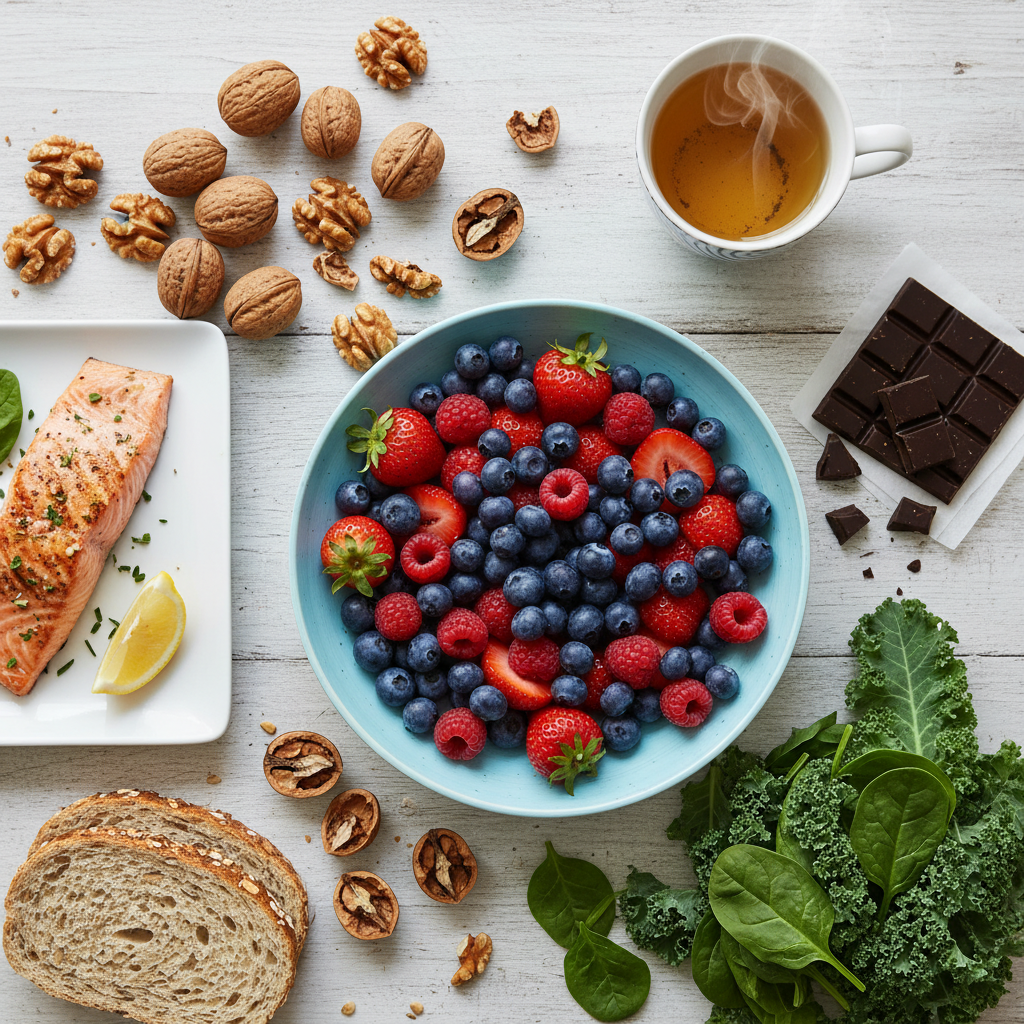
Top Foods That Support Focus for Studying
Let’s dive into the delicious and nutritious powerhouses that can sharpen your mind and sustain your concentration:
1. Omega-3 Fatty Acids: The Brain’s Building Blocks
Often hailed as brain superfoods, Omega-3 fatty acids, particularly DHA (docosahexaenoic acid), are crucial for brain health. They are vital for building and repairing brain cells, reducing inflammation, and improving synaptic function, which directly impacts memory and cognitive performance. Think of them as the essential structural components for a high-functioning brain.
- Fatty Fish: Salmon, mackerel, sardines, tuna, and anchovies are excellent sources. Aim for two servings per week to get a significant boost.
- Flaxseeds & Chia Seeds: These tiny seeds are excellent plant-based sources of ALA (alpha-linolenic acid), which the body can convert into DHA and EPA. Sprinkle them on oatmeal, yogurt, smoothies, or salads for an easy addition.
- Walnuts: Another good plant-based source of ALA, walnuts are known for their brain-like shape and their impressive nutritional profile.
2. Antioxidant-Rich Berries: Protecting Your Grey Matter
Berries are packed with antioxidants, especially flavonoids, which help reduce oxidative stress and inflammation in the brain. This protection is key to maintaining healthy brain function, enhancing communication between brain cells, and preventing cognitive decline over time. Their vibrant colors signify their powerful nutrient content.

- Blueberries: Often called “brain berries,” they’re linked to improved memory, motor skills, and learning capacity due to their high anthocyanin content.
- Strawberries, Raspberries, Blackberries: All excellent sources of various antioxidants, Vitamin C, and fiber, making them perfect study snacks.
3. Whole Grains & Complex Carbohydrates: Sustained Energy for the Brain
The brain relies on glucose for energy, and complex carbohydrates provide a slow, steady release of glucose into the bloodstream. This prevents the blood sugar spikes and crashes that can lead to fatigue, irritability, and a debilitating lack of focus. Opt for whole grains over refined options for a steady supply of fuel.
- Oatmeal: A classic breakfast choice, providing sustained energy and fiber to keep you full and focused.
- Brown Rice: A healthier alternative to white rice, packed with fiber, B vitamins, and minerals.
- Whole-Wheat Bread & Pasta: Choose whole-grain versions for better nutritional value and a more gradual energy release.
- Quinoa: A complete protein and complex carb, offering sustained energy and essential amino acids.
- Sweet Potatoes: Rich in complex carbs, fiber, and vitamins (especially Vitamin A), providing both energy and antioxidant benefits.
4. Leafy Green Vegetables: Micronutrient Powerhouses
These vibrant greens are loaded with vitamins K, Lutein, folate, and beta-carotene, all of which have been shown to support brain health, enhance memory, and potentially slow cognitive decline. They are truly foundational for a healthy brain and body.
- Spinach: Versatile and packed with iron, folate, and Vitamin K, which is essential for healthy brain cell membranes.
- Kale: A nutrient-dense superfood, offering a wide array of vitamins, minerals, and antioxidants.
- Broccoli: Contains antioxidants, Vitamin K, and glucosinolates, which support detoxification and brain health.
5. Nuts & Seeds: Healthy Fats, Vitamin E, and Protein
Beyond omega-3s, many nuts and seeds are excellent sources of Vitamin E, a potent antioxidant that protects brain cell membranes from oxidative damage. They also offer healthy fats, protein, and fiber for sustained energy, making them ideal for an on-the-go snack.
- Almonds: Rich in Vitamin E, magnesium, and healthy fats.
- Pecans: Good source of antioxidants and healthy monounsaturated fats.
- Pumpkin Seeds: Contain zinc, essential for memory and thinking skills, as well as magnesium and tryptophan.
- Sunflower Seeds: Good source of Vitamin E, folate, and magnesium.
6. Eggs: A Nutrient-Dense Brain Booster
Eggs are a fantastic and affordable source of choline, a precursor to acetylcholine, a neurotransmitter critical for memory, mood, and learning. They also provide high-quality protein, B vitamins (especially B6, B12, and folate), and iron, all vital for brain function.
- Whole Eggs: Don’t skip the yolk, where most of the choline and other essential nutrients reside. Enjoy them scrambled, boiled, or as part of an omelet.
7. Dark Chocolate: A Delicious Dose of Focus
Good news for chocolate lovers! Dark chocolate (at least 70% cocoa) contains flavonoids, caffeine (in moderate amounts), and antioxidants. These compounds can improve blood flow to the brain, enhance mood, and boost alertness, offering a cognitive pick-me-up.
- High-Cocoa Content: Choose dark chocolate with minimal added sugar to maximize its brain-boosting benefits.
8. Green Tea: Gentle Caffeine and L-Theanine
Green tea offers a moderate amount of caffeine, which can improve alertness and reaction time, but it also contains L-theanine. This unique amino acid can cross the blood-brain barrier and induce a calming focus, reducing anxiety without causing drowsiness or the jitters often associated with coffee.
- Matcha: A concentrated form of green tea, providing a potent dose of its benefits, including higher levels of L-theanine and antioxidants.
9. Hydration: The Unsung Hero of Focus
While not a food, adequate hydration is absolutely critical for cognitive function. Your brain is mostly water, and even mild dehydration (losing just 1-2% of your body weight in fluid) can impair concentration, mood, memory, and energy levels. It’s often overlooked but fundamental to mental clarity.
- Water: The best choice. Keep a water bottle handy during study sessions and sip regularly.
- Herbal Teas: Can also contribute to hydration and offer additional calming or invigorating properties.
Foods to Limit for Optimal Study Focus
Just as certain foods can boost your brainpower, others can hinder it. Limiting these can prevent energy crashes, mental fogginess, and long-term cognitive issues:
- Sugary Drinks & Processed Sweets: Lead to rapid blood sugar spikes and subsequent crashes, leaving you feeling tired and unable to concentrate.
- Refined Carbohydrates: White bread, pastries, and white pasta offer little nutritional value and cause quick energy fluctuations.
- Trans & Saturated Fats: Found in fried foods, fast food, and many processed snacks, these can negatively impact brain health, contribute to inflammation, and impair cognitive function over time.
- Excessive Caffeine: While a little can help, too much can lead to jitters, anxiety, and sleep disturbances, making sustained focus difficult.
Integrating Brain-Boosting Foods into Your Study Routine
Knowing which foods are beneficial is one thing; incorporating them into your daily routine is another. Here are some practical tips and meal ideas:
Smart Snacking for Sustained Focus:
- A handful of walnuts and a small bowl of blueberries.
- Greek yogurt with chia seeds and mixed berries.
- Apple slices with a tablespoon of almond butter.
- Hard-boiled eggs (prepare a batch at the start of the week).
- A small piece of dark chocolate (70% cocoa or higher).
- Carrot sticks or bell pepper slices with hummus.
Sample Brain-Boosting Meal Ideas:
- Breakfast: Oatmeal topped with berries, flaxseeds, and a handful of walnuts; or scrambled eggs with sautéed spinach and a slice of whole-wheat toast.
- Lunch: Salmon salad (canned or leftover baked salmon) with mixed greens, cherry tomatoes, bell peppers, and a light olive oil vinaigrette; or a quinoa bowl with roasted vegetables and lean protein like chicken or chickpeas.
- Dinner: Baked chicken breast or lentil stew with steamed broccoli and a baked sweet potato; or a stir-fry with plenty of leafy greens, colorful vegetables, and brown rice.
Conclusion: Fuel Your Future, One Bite at a Time
The journey to enhanced academic performance and improved focus isn’t solely about late-night study sessions or perfect memorization techniques. It’s fundamentally supported by the nourishment you provide to your brain. By strategically incorporating these powerful foods that support focus for studying into your daily diet, you’re not just eating for health; you’re eating for success. Make thoughtful food choices a cornerstone of your study strategy, and watch your cognitive abilities, concentration, and overall academic achievements flourish. Your brain will thank you!