Bloating is a common and often uncomfortable digestive complaint that can leave us feeling sluggish and distended. While many factors can contribute to that unwelcome fullness, from stress to underlying medical conditions, a significant number of bloating episodes are directly linked to our diet. The good news is that by strategically choosing gut friendly meal options for bloating relief, you can significantly reduce discomfort, promote healthy digestion, and feel lighter and more energetic. As a professional chef with a passion for wholesome ingredients, I’m here to guide you through a world of delicious, anti-bloating meals that nourish your body from the inside out.
Understanding Bloating: More Than Just a Feeling
Before diving into the culinary solutions, it’s helpful to understand what bloating truly is. It’s the sensation of fullness, tightness, or swelling in your abdomen, often accompanied by visible distension. While gas accumulation is a frequent culprit, other causes include fluid retention, constipation, food intolerances (like lactose or gluten), or even rapid eating and stress. Our gut microbiome plays a crucial role; an imbalance of gut bacteria can lead to excessive gas production and inflammation, exacerbating bloating. By focusing on gut-friendly foods, we aim to soothe the digestive tract, support beneficial bacteria, and facilitate smoother digestion.
The Pillars of a Gut-Friendly Diet for Bloating Relief
Building meals that actively combat bloating involves understanding certain key dietary components and how they interact with your digestive system.
Fiber: The Gut’s Essential Cleanser (and Its Nuances)
Fiber is paramount for digestive health, but not all fiber is created equal when it comes to bloating. Soluble fiber (found in oats, barley, nuts, seeds, and many fruits and vegetables) dissolves in water to form a gel-like substance, aiding stool passage and promoting beneficial gut bacteria. Insoluble fiber (found in whole grains, wheat bran, and the skins of many fruits and vegetables) adds bulk to stool. The key is to increase fiber intake gradually and ensure adequate hydration, as too much fiber too quickly can initially worsen bloating. For some, certain types of fermentable fibers (FODMAPs) can trigger bloating. Focusing on low-FODMAP fruits and vegetables can be beneficial.
- Soluble Fiber Superstars: Oats, cooked carrots, sweet potatoes, apples (peeled if sensitive), berries, chia seeds.
- Gentle Insoluble Fiber: Brown rice, leafy greens (cooked).
Probiotics: Your Gut’s Best Friends
Probiotics are live beneficial bacteria that can improve gut health, enhance digestion, and reduce bloating. They help balance the gut microbiome, break down food, and even produce vitamins. Incorporating probiotic-rich foods into your daily diet is a delicious way to support your gut.
- Fermented Food Favorites: Plain yogurt (with live active cultures), kefir, sauerkraut (unpasteurized), kimchi, tempeh, kombucha (in moderation).
Prebiotics: Fueling the Good Guys
Prebiotics are non-digestible fiber compounds that act as food for probiotic bacteria, helping them thrive. While many prebiotic-rich foods can be high in FODMAPs, some are more universally tolerated or can be consumed in smaller portions.
- Gut-Nourishing Prebiotics: Oats, bananas (unripe), asparagus, garlic and onions (use in moderation or infuse oil with their flavor without eating the solids if sensitive).
Hydration: The Unsung Hero
Adequate water intake is fundamental for preventing constipation and facilitating the smooth passage of food through your digestive tract. Dehydration can lead to hardened stools and exacerbated bloating. Aim for at least 8 glasses of water a day, more if you’re active.
Mindful Eating: Beyond Just What You Eat
How you eat is almost as important as what you eat. Rushing through meals, not chewing properly, and eating while stressed can all contribute to swallowing air and hindering digestion. Practicing mindful eating – savoring each bite, chewing thoroughly, and eating in a relaxed environment – can significantly reduce bloating.
Top Gut-Friendly Meal Options for Bloating Relief
Let’s get to the delicious part! Here are some chef-inspired meal ideas designed to be kind to your gut and deliver bloating relief.
Breakfast Ideas to Start Your Day Right
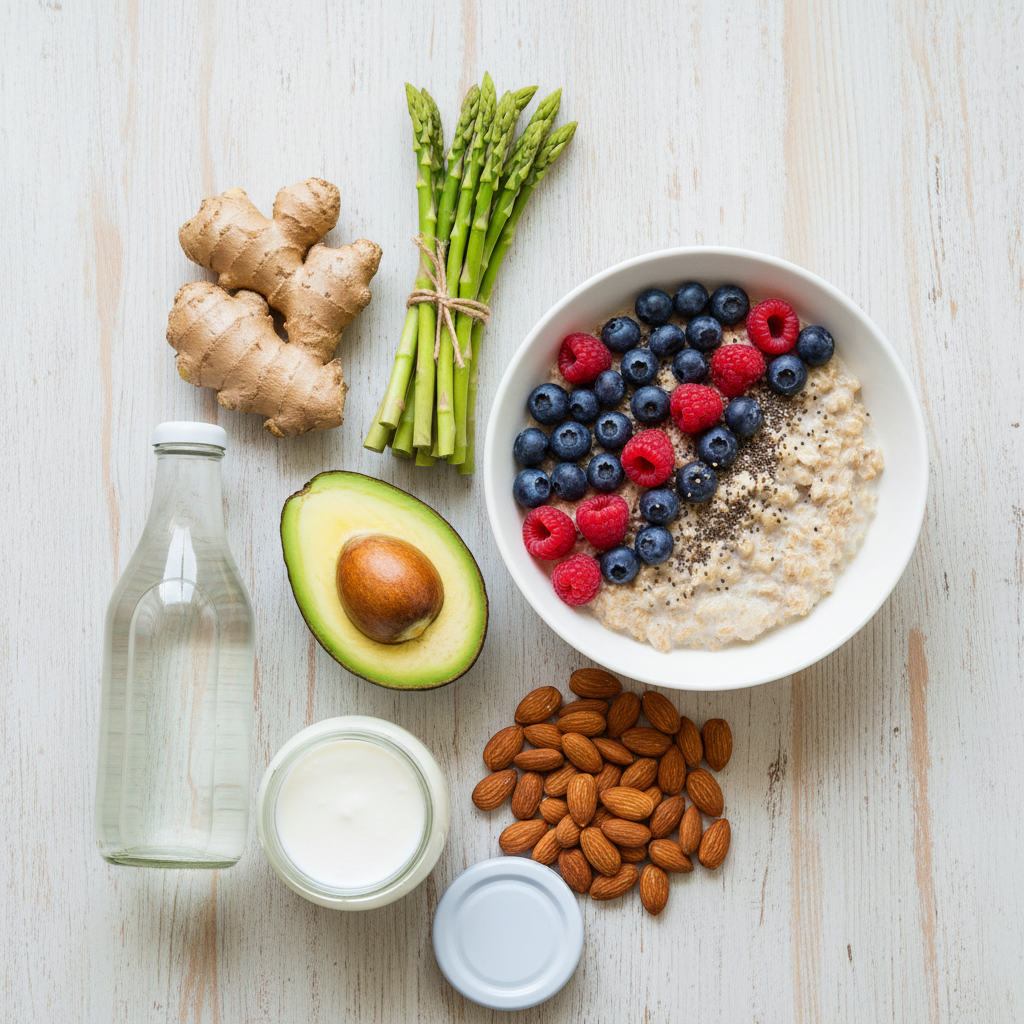
- Overnight Oats with Berries & Chia: Combine rolled oats (soluble fiber), chia seeds (omega-3s and fiber), unsweetened almond milk, and a handful of low-FODMAP berries like blueberries or raspberries. Add a dash of cinnamon for flavor. This is prepped the night before for an easy, gut-friendly morning.
- Scrambled Eggs with Spinach & Turmeric: Eggs are an excellent source of lean protein. Sauté spinach (a gentle leafy green) with a pinch of turmeric, known for its anti-inflammatory properties, before scrambling in your eggs.
- Probiotic Power Smoothie: Blend unsweetened kefir or plain Greek yogurt with spinach, half a ripe banana (for natural sweetness and prebiotics), and a small amount of ginger (excellent for digestion).
Lunchtime Delights for a Lighter Afternoon
- Quinoa Salad with Roasted Zucchini & Carrots: Quinoa is a complete protein and naturally gluten-free. Toss cooked quinoa with roasted zucchini and carrots (both low-FODMAP), a light lemon-herb vinaigrette, and some fresh parsley.
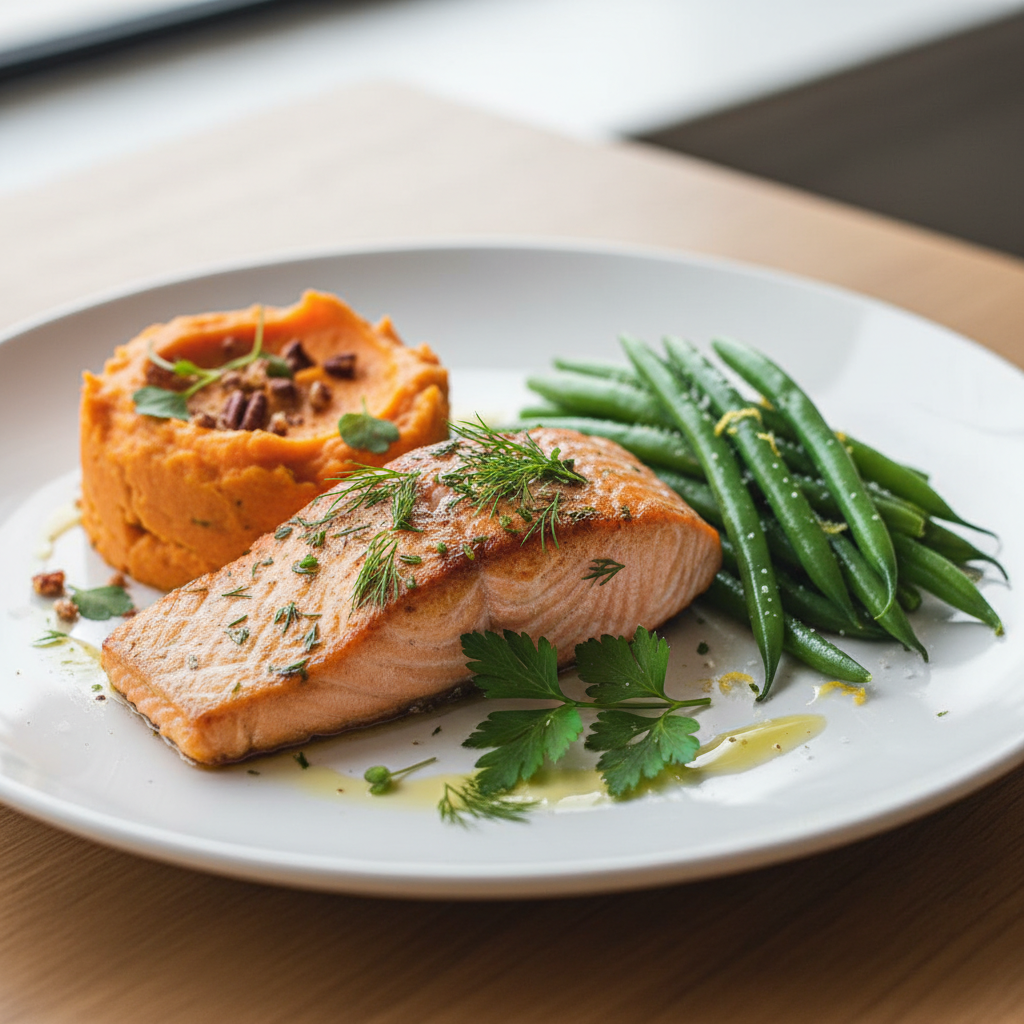
- Grilled Chicken or Baked Salmon with Steamed Green Beans: Lean proteins are easy to digest. Pair them with simply steamed green beans, which are relatively low in fermentable carbohydrates, for a satisfying and anti-bloating meal.
- Gentle Lentil Soup (Well-Cooked): While some legumes can cause gas, well-cooked red lentils, pureed into a soup, can be easier to digest for many. Include carrots, celery (small amounts), and a clear broth. Start with small portions if sensitive.
Dinner Recipes for a Peaceful Night
- Baked Cod with Asparagus and Sweet Potato Mash: Cod is a very lean, white fish that’s easy to digest. Asparagus is a gentle vegetable, and sweet potatoes offer complex carbohydrates and soluble fiber.
- Turkey & Bell Pepper Stir-fry with Brown Rice: Use lean ground turkey or turkey breast strips. Stir-fry with colorful bell peppers (avoid large quantities of green if sensitive), carrots, and a touch of ginger and soy sauce (or tamari for gluten-free). Serve over a small portion of brown rice.
- Chicken & Rice Soup with Ginger: A classic comfort food, made gut-friendly. Use boneless, skinless chicken breast, white or brown rice, carrots, and plenty of fresh ginger. Ginger is renowned for its digestive benefits and can help soothe the stomach.
Snack Smart: Taming Mid-Day Bloat
- Small Handful of Almonds: A good source of healthy fats and fiber, just don’t overdo it.
- Banana: A portable source of potassium and prebiotics.
- Rice Cakes with Sliced Avocado: Light, gluten-free rice cakes topped with healthy fats from avocado.
- Plain Greek Yogurt with a Few Berries: Protein and probiotics combined with gentle fruit.
Foods to Approach with Caution (The “What to Limit” Section)
While the focus is on what to eat, understanding what to limit or avoid is equally important for bloating relief.
- High-FODMAP Foods: For many, foods high in fermentable oligo-, di-, mono-saccharides, and polyols are major triggers. This includes many types of garlic, onions, wheat, certain fruits (apples, pears, mangoes), certain vegetables (cauliflower, broccoli, mushrooms), and most legumes.
- Carbonated Beverages: The bubbles introduce excess gas into your digestive system.
- Artificial Sweeteners: Sorbitol, mannitol, and xylitol can cause gas and laxative effects.
- Excessive Salt: Leads to fluid retention, which can feel like bloating.
- Cruciferous Vegetables (Raw): Broccoli, cabbage, and Brussels sprouts can be gas-producing, especially when raw. Try them well-cooked in smaller portions.
- Dairy (Lactose Intolerance): If you’re lactose intolerant, dairy products can cause significant bloating. Opt for lactose-free alternatives.
- Processed Foods & Fried Foods: Often high in unhealthy fats, salt, and artificial ingredients that are hard on the digestive system.
Beyond the Plate: Lifestyle Tips for Bloating Relief
Your diet is a powerful tool, but combine it with these lifestyle adjustments for maximum relief:
- Chew Thoroughly: Break down food into smaller pieces to aid digestion and reduce swallowed air.
- Stay Hydrated: Drink water throughout the day, not just with meals.
- Eat Slower: Give your digestive system time to process, and reduce air swallowing.
- Regular Exercise: Physical activity helps stimulate gut motility and can release trapped gas.
- Manage Stress: Stress can significantly impact digestion. Incorporate relaxation techniques like yoga, meditation, or deep breathing.
- Avoid Eating Too Late: Give your body time to digest before lying down for sleep.
When to Seek Professional Advice
While dietary and lifestyle changes can bring significant relief, it’s important to remember that persistent, severe, or unexplained bloating can sometimes indicate an underlying medical condition. If your bloating is accompanied by severe pain, unexplained weight loss, changes in bowel habits, blood in stool, or heartburn, consult a healthcare professional.
Conclusion
Embracing gut friendly meal options for bloating relief is a delicious and effective way to take control of your digestive health. By incorporating nutrient-dense, easily digestible foods, understanding your body’s sensitivities, and pairing your diet with mindful eating habits, you can transform your relationship with food and experience a new level of comfort and vitality. Start experimenting with these meal ideas, listen to your body, and savor the journey towards a happier, bloat-free gut.