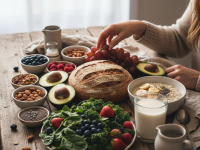
The Profound Importance of Stable Blood Sugar
Before diving into meal ideas, let’s understand why stable blood sugar is so vital. When you consume food, particularly carbohydrates, your body breaks them down into glucose, which enters your bloodstream. In response, your pancreas releases insulin to help transport this glucose into your cells for energy. If your blood sugar spikes rapidly due to highly refined or sugary foods, your pancreas can go into overdrive, releasing a surge of insulin. This often leads to a subsequent “crash,” leaving you feeling fatigued, irritable, and craving more sugar. Over time, these chronic spikes and crashes can contribute to insulin resistance, pre-diabetes, and type 2 diabetes.
Conversely, stable blood sugar levels ensure a steady supply of energy, improving concentration, mood, and even sleep quality. It also reduces the strain on your pancreas, promoting better long-term metabolic health and reducing the risk of chronic diseases.

The Nutritional Pillars of Blood Sugar Stabilization
Crafting effective blood sugar stabilizing meals relies on understanding key macronutrients and their roles. It’s not about deprivation but strategic inclusion.
Fiber: Your Digestive Ally
Fiber, particularly soluble fiber, is a game-changer for blood sugar control. It slows down the digestion and absorption of carbohydrates, leading to a more gradual rise in blood glucose. It also promotes satiety, helping you feel fuller for longer. Rich sources include:
- Whole grains (oats, quinoa, brown rice, barley)
- Legumes (beans, lentils, chickpeas)
- Fruits (berries, apples, pears with skin)
- Vegetables (broccoli, spinach, Brussels sprouts, carrots)
- Nuts and seeds (chia, flax, almonds)
Protein: The Satiety Powerhouse
Protein has a minimal impact on blood sugar levels directly, but it significantly contributes to satiety and slows down gastric emptying when eaten with carbohydrates. This sustained fullness helps prevent overeating and subsequent sugar cravings. Excellent protein sources include:

- Lean meats (chicken breast, turkey, lean beef)
- Fish (salmon, cod, tuna)
- Eggs
- Dairy (Greek yogurt, cottage cheese)
- Plant-based proteins (tofu, tempeh, edamame, lentils, beans)
Healthy Fats: The Slow Burn
Like protein, healthy fats have little direct impact on blood sugar but play a crucial role in slowing digestion and increasing satiety. They contribute to the flavor and enjoyment of meals, making healthy eating more sustainable. Opt for:
- Avocado
- Nuts and seeds (almonds, walnuts, chia seeds, flax seeds)
- Olive oil
- Fatty fish (salmon, mackerel)
Complex Carbohydrates: The Smart Choice
Not all carbohydrates are created equal. Complex carbohydrates, found in whole, unprocessed foods, are rich in fiber and nutrients. They are digested slowly, providing a steady release of glucose into the bloodstream. In contrast, simple carbohydrates (found in white bread, sugary drinks, pastries) cause rapid blood sugar spikes. Prioritize:
- Whole grains (quinoa, brown rice, oats, whole wheat)
- Starchy vegetables (sweet potatoes, corn, peas)
- Legumes (all types of beans and lentils)
Building Your Blood Sugar Stabilizing Plate: General Principles
With these nutritional pillars in mind, here’s how to construct balanced, blood sugar stabilizing meals:
- Balance is Key: Aim for a mix of complex carbohydrates, lean protein, healthy fats, and plenty of fiber-rich non-starchy vegetables at every meal.
- Prioritize Whole Foods: Choose foods as close to their natural state as possible. Minimize processed items, which often contain hidden sugars, unhealthy fats, and refined grains.
- Portion Control: Even healthy foods can impact blood sugar if consumed in excess. Be mindful of portion sizes, especially for carbohydrates.
- Hydration: Drink plenty of water throughout the day. Staying hydrated supports metabolic functions and can help manage cravings.
- Mindful Eating: Eat slowly, savor your food, and pay attention to your body’s hunger and fullness cues. This can help prevent overeating.
Delicious Blood Sugar Stabilizing Meals for Every Day
Here are practical and delicious ideas for integrating blood sugar stabilizing meals into your daily routine:
Breakfast Ideas: Start Your Day Right
Breakfast sets the tone for your blood sugar levels for the rest of the day. A balanced breakfast can prevent mid-morning energy slumps and subsequent unhealthy snacking.
- Overnight Oats with Berries and Nuts: Combine rolled oats (complex carb/fiber) with chia seeds (fiber/healthy fat/protein), unsweetened almond milk, a scoop of protein powder or Greek yogurt (protein), and top with fresh berries (fiber/antioxidants) and a sprinkle of chopped almonds (healthy fat/protein).
- Scrambled Eggs with Avocado and Spinach: Whisk eggs (protein) with a handful of spinach (fiber) and sauté until cooked. Serve with a quarter of sliced avocado (healthy fat) and a slice of whole-grain toast (complex carb/fiber).
- Greek Yogurt Parfait: Layer plain, unsweetened Greek yogurt (high protein) with a small amount of low-glycemic fruit like berries (fiber) and a sprinkle of flax seeds or walnuts (healthy fat/fiber).
- Whole-Grain Toast with Nut Butter and Sliced Apple: Choose 100% whole-grain bread (complex carb) and spread with natural almond or peanut butter (protein/healthy fat). Top with thin apple slices (fiber).
Lunch Ideas: Fueling Through the Midday Slump
A stabilizing lunch prevents post-lunch energy crashes and helps maintain focus throughout the afternoon.
- Lentil Soup with Whole-Grain Bread: A hearty lentil soup (protein/fiber from lentils and vegetables) provides sustained energy. Pair with a small piece of whole-grain bread for dipping (complex carb/fiber).
- Big Green Salad with Grilled Chicken or Chickpeas: Load up on mixed greens, colorful non-starchy vegetables (cucumber, bell peppers, tomatoes – fiber). Add grilled chicken breast or roasted chickpeas (protein), a handful of nuts or seeds (healthy fat), and a light vinaigrette dressing (healthy fat).
- Whole-Grain Wrap with Hummus and Veggies: Spread a whole-wheat tortilla (complex carb/fiber) with hummus (protein/fiber/healthy fat). Fill with sliced turkey, or plant-based protein, and plenty of shredded carrots, lettuce, and bell peppers (fiber).
- Quinoa Salad with Black Beans and Avocado: Cooked quinoa (complex carb/protein/fiber) mixed with black beans (protein/fiber), corn (complex carb), bell peppers (fiber), red onion, cilantro, and a lime-olive oil dressing (healthy fat).
Dinner Ideas: Nourishing Evenings
Dinner should be satisfying yet conducive to good sleep, avoiding blood sugar spikes that can interfere with nighttime rest.
- Baked Salmon with Roasted Asparagus and Quinoa: Salmon (healthy fat/protein) is excellent for heart health. Serve with roasted asparagus (fiber) and a small portion of quinoa (complex carb/protein/fiber).
- Chicken and Vegetable Stir-fry with Brown Rice: Sauté lean chicken breast (protein) with a rainbow of vegetables like broccoli, snap peas, and carrots (fiber). Use a low-sodium soy sauce or tamari. Serve over a modest portion of brown rice (complex carb/fiber).
- Three-Bean Chili: A robust chili made with kidney, black, and pinto beans (protein/fiber) provides a filling and nutrient-dense meal. Include plenty of tomatoes, onions, and bell peppers. Serve with a dollop of plain Greek yogurt or a sprinkle of shredded cheese.
- Stuffed Bell Peppers: Halve bell peppers and fill with a mixture of lean ground turkey or lentils, brown rice, diced tomatoes, and herbs. Bake until tender. This provides a great balance of protein, complex carbs, and fiber.
Smart Snack Ideas: Bridging the Gaps
Smart snacks can prevent extreme hunger between meals, which often leads to poor food choices. Focus on protein, fiber, and healthy fats.
- A handful of almonds or walnuts (protein/healthy fat/fiber)
- Apple slices with a tablespoon of natural nut butter (fiber/protein/healthy fat)
- Hard-boiled egg (protein)
- Baby carrots or celery sticks with hummus (fiber/protein/healthy fat)
- Plain Greek yogurt with a few berries (protein/fiber)
- Edamame (protein/fiber)
Foods to Embrace and Foods to Limit
To consistently enjoy blood sugar stabilizing meals, it’s helpful to know which ingredients to prioritize and which to moderate.
Embrace These Foods Liberally:
- Non-Starchy Vegetables: Leafy greens, broccoli, cauliflower, bell peppers, zucchini, cucumber, tomatoes.
- Berries: Blueberries, raspberries, strawberries.
- Legumes: Lentils, black beans, chickpeas, kidney beans.
- Whole Grains: Oats, quinoa, brown rice, whole-wheat bread and pasta (in moderation).
- Lean Proteins: Chicken, turkey, fish, eggs, tofu, tempeh, Greek yogurt, cottage cheese.
- Healthy Fats: Avocado, olive oil, nuts, seeds, fatty fish.
Limit or Avoid These Foods:
- Sugary Beverages: Sodas, fruit juices (even 100% juice), sweetened teas and coffees.
- Refined Grains: White bread, white pasta, white rice, most breakfast cereals, pastries, cakes, cookies.
- Processed Foods: Snack cakes, chips, fast food, frozen dinners high in sodium and unhealthy fats.
- Added Sugars: Be mindful of ingredients lists for high-fructose corn syrup, sucrose, dextrose, etc.
- Excessive Trans and Saturated Fats: Found in many fried foods, processed snacks, and some baked goods.
Practical Tips for Daily Blood Sugar Management
- Consistency is Key: Eating at regular intervals and maintaining consistent meal composition helps train your body to better regulate blood sugar.
- Meal Prep: Dedicate time each week to prepare ingredients or full meals. This makes healthy choices easy and prevents reaching for convenient, less healthy options.
- Read Labels: Always check nutrition labels for sugar content, fiber, and carbohydrate servings.
- Listen to Your Body: Pay attention to how different foods make you feel. This personalized feedback is invaluable.
- Consult Professionals: If you have pre-diabetes, diabetes, or other health concerns, consult a doctor or registered dietitian for personalized dietary advice.
- Stay Active: Regular physical activity improves insulin sensitivity and helps manage blood sugar levels.
Conclusion: Empower Your Health, One Meal at a Time
Incorporating blood sugar stabilizing meals into your daily eating doesn’t have to be complicated or boring. By focusing on whole, unprocessed foods rich in fiber, lean protein, and healthy fats, you can enjoy delicious, satisfying dishes that provide sustained energy, support a healthy weight, and significantly improve your metabolic health. As your expert chef, I encourage you to experiment with these principles, discover new flavors, and embrace the power of food to nourish your body and stabilize your blood sugar for a vibrant, energetic life.