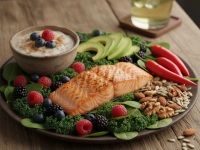
The allure of comfort food is undeniable. It evokes memories, soothes the soul, and provides a much-needed sense of warmth and security, especially after a long day or during challenging times. But what if you crave that comforting embrace without the guilt often associated with traditionally heavy, calorie-laden dishes? The good news is that you don’t have to sacrifice flavor for well-being. As a professional chef, I’m here to tell you that it’s entirely possible to create healthy meals that taste like comfort food, transforming beloved classics into nutritious powerhouses that nourish both body and spirit. Join me as we explore the art of wholesome indulgence, proving that healthy eating can be just as satisfying and deeply delicious.
The Comfort Food Conundrum: Why We Crave It
Before we dive into delicious transformations, let’s understand why comfort food holds such a powerful sway over us. It’s often deeply intertwined with psychological associations, triggering feel-good emotions related to childhood, family, and happy memories. These foods typically share common characteristics: they are often warm, soft, rich in flavor, and frequently high in carbohydrates, fats, and sugars – elements that can temporarily boost mood-regulating neurotransmitters like serotonin. This combination creates a powerful sensory and emotional experience, making them incredibly appealing when we seek solace or a reward. The challenge, then, is to capture that same sensory and emotional satisfaction using ingredients and techniques that promote long-term health rather than momentary gratification.

The Chef’s Secret: Making Comfort Food Wholesome
The foundation of turning comfort food healthy lies in smart ingredient swaps, strategic cooking methods, and a focus on nutrient density. It’s not about deprivation, but rather intelligent re-imagining. Here are the key principles I apply in my kitchen:
Leaner Proteins, Bigger Flavor
Traditional comfort dishes often feature fatty meats. Swapping these for leaner alternatives can drastically reduce saturated fat while still providing satisfying protein. The trick is to infuse these leaner proteins with ample flavor.
- Poultry: Instead of dark meat with skin, opt for skinless chicken breast or lean ground turkey. For dishes like chicken pot pie or casseroles, chicken breast is excellent. Ground turkey makes a fantastic substitute for ground beef in chili, lasagna, or shepherd’s pie.
- Fish: Heart-healthy fish like salmon or cod can be prepared in comforting ways, such as a hearty baked fish and chips with sweet potato fries or a creamy fish pie.
- Plant-Based Proteins: Lentils, black beans, chickpeas, and various plant-based crumbles can replicate the texture and heartiness of meat in many dishes, adding fiber and essential nutrients. Think lentil shepherd’s pie or black bean chili.
Veggie Power: Sneaking in Nutrition
Vegetables are your best friends when it comes to boosting the nutritional profile of comfort food. They add volume, fiber, vitamins, and minerals, often without significantly altering the beloved taste profile. The goal is often to “hide” them in plain sight or make them an integral, flavorful component.

- Purée Power: Blend vegetables like butternut squash, carrots, or cauliflower into sauces (mac and cheese, creamy soups) for added creaminess, color, and nutrients.
- Chop and Add: Finely chop mushrooms, zucchini, carrots, or bell peppers and incorporate them into ground meat dishes like meatloaf, chili, or bolognese. They add moisture and bulk.
- Layer Up: In dishes like lasagna or casseroles, layer in spinach, kale, roasted peppers, or thinly sliced zucchini.
- Swap Bases: Use cauliflower mash instead of traditional mashed potatoes, or spiralized zucchini instead of pasta.
Smart Swaps: Grains, Fats, and Dairy
Many comfort foods rely heavily on refined grains, unhealthy fats, and full-fat dairy. Healthier alternatives are readily available and can often enhance the dish.
- Whole Grains: Opt for whole-wheat pasta, brown rice, quinoa, or whole-grain breads. These provide more fiber, helping with satiety and digestive health.
- Healthy Fats: Replace butter or unhealthy oils with olive oil, avocado oil, or a small amount of healthier fats like nut butter. Use healthy fats sparingly for richness, or choose cooking methods that require less oil.
- Dairy Alternatives: Use low-fat milk, skim milk, or plant-based milks (almond, soy, oat) for creamy sauces. Low-fat cheeses or nutritional yeast can provide cheesy flavor without excessive fat. Greek yogurt or blended cottage cheese can add creaminess and protein to sauces and dips.
Herb and Spice Magic: Flavor Without the Guilt
This is where a chef truly shines. Herbs and spices are calorie-free flavor enhancers that can elevate a dish from bland to brilliant. They allow you to cut down on salt, sugar, and unhealthy fats without sacrificing taste.
- Aromatics: Sautéing onions, garlic, celery, and carrots (mirepoix) forms a flavorful base for many savory dishes.
- Fresh Herbs: Parsley, cilantro, dill, basil, thyme, rosemary – fresh herbs add vibrancy and depth.
- Dried Spices: Paprika, cumin, chili powder, oregano, bay leaves, smoked paprika – these can create rich, complex flavor profiles. Don’t be afraid to experiment!
- Acids: A splash of vinegar (balsamic, apple cider), lemon juice, or a dollop of tomato paste can brighten flavors and add tang, reducing the need for excess salt.
Cooking Techniques: From Frying to Baking
How you cook your food matters just as much as what you put in it. Healthier cooking methods can achieve that comforting crispiness or tenderness without deep-frying.
- Baking/Roasting: Achieve crispy textures (like “fried” chicken or fries) by baking or air-frying with minimal oil. Roasting vegetables brings out their natural sweetness and deepens their flavor.
- Steaming/Poaching: Ideal for preserving nutrients and keeping proteins moist.
- Sautéing: Use a non-stick pan with a small amount of healthy oil or even vegetable broth to sauté aromatics and vegetables.
- Slow Cooking/Braising: These methods tenderize leaner cuts of meat and meld flavors beautifully, perfect for stews and chilis.
Our Top Healthy Comfort Food Recipes: Reinvented Classics
Now, let’s put these principles into practice with some beloved comfort food examples, reimagined for a healthier lifestyle.
Creamy Tomato Soup with Whole-Wheat Grilled Cheese
Forget the canned stuff. Make a rich tomato soup by roasting ripe tomatoes, onions, and garlic until caramelized, then blending them with vegetable broth and a touch of unsweetened almond milk or Greek yogurt for creaminess. Season with fresh basil and a pinch of red pepper flakes. Pair it with a grilled cheese sandwich made on whole-wheat bread with a slice of low-fat sharp cheddar and perhaps a thin slice of avocado or roasted red pepper inside for added nutrients.
Shepherd’s Pie with Sweet Potato Topping
This hearty classic gets a vibrant, nutritious upgrade. The base can be lean ground turkey or a mix of lentils and mushrooms, simmered in a rich vegetable broth with finely diced carrots, peas, and celery, seasoned with thyme and Worcestershire sauce. Instead of mashed white potatoes, top it with a fluffy, slightly sweet layer of mashed sweet potatoes, perhaps with a hint of cinnamon or nutmeg. Bake until bubbly and golden brown.
“Un-Fried” Chicken with Garlicky Mashed Cauliflower
Get that satisfying crunch without the grease. Coat chicken breasts or thighs (skinless) in a mixture of whole-wheat breadcrumbs or crushed cornflakes seasoned with paprika, garlic powder, onion powder, and a touch of cayenne. Bake or air-fry until golden and crispy. Serve alongside a velvety mashed “potato” made from steamed cauliflower, blended with a touch of unsweetened almond milk, roasted garlic, and a sprinkle of nutritional yeast for a cheesy flavor.
Lighter Lasagna with Spinach and Turkey Meat Sauce
Lasagna is the epitome of comfort. Make it healthier by using whole-wheat lasagna noodles. For the meat sauce, use lean ground turkey or a mushroom-lentil blend simmered with crushed tomatoes, herbs, and plenty of hidden veggies like finely grated carrots or zucchini. For the creamy layers, combine part-skim ricotta cheese with an egg, fresh spinach, and a sprinkle of low-fat mozzarella or Parmesan. Layer and bake as usual for a deeply satisfying, yet lighter, dish.
Hearty Lentil or Turkey Chili
A big bowl of chili is pure comfort. Make it vegetarian with a robust blend of various lentils, black beans, kidney beans, crushed tomatoes, bell peppers, onions, and plenty of chili powder, cumin, and smoked paprika. If you prefer meat, use extra-lean ground turkey. Load it up with veggies like corn, zucchini, and fire-roasted tomatoes. Serve with a dollop of plain Greek yogurt instead of sour cream and a sprinkle of fresh cilantro.
Mac and Cheese Makeover: Whole Wheat & Butternut Squash
This classic can be a nutritional powerhouse. Cook whole-wheat macaroni. For the cheese sauce, create a béchamel using low-fat milk, then whisk in pureed roasted butternut squash (adds creaminess, color, and vitamins!) along with a blend of sharp low-fat cheddar and a touch of Parmesan. Nutritional yeast can boost the cheesy flavor. Bake until bubbly, perhaps with a whole-wheat breadcrumb topping for crunch.
Healthier Chicken Pot Pie with a Flaky Whole-Wheat Crust
A warm, savory chicken pot pie is the ultimate hug in a bowl. For the filling, use skinless chicken breast, plenty of mixed vegetables (carrots, peas, celery, green beans, corn), and a creamy sauce thickened with a roux made from whole-wheat flour and low-sodium chicken broth, perhaps with a splash of skim milk or unsweetened almond milk. Top with a single crust made from a whole-wheat pastry dough for that signature flaky texture without excessive butter.
Tips for Sustainable Healthy Comfort Eating
Making healthy comfort food a regular part of your diet isn’t just about recipes; it’s about building sustainable habits.
- Meal Prep: Cook large batches of your favorite healthy comfort dishes and portion them out for lunches and dinners throughout the week. This prevents last-minute unhealthy choices.
- Listen to Your Body: Enjoy your meals mindfully. Pay attention to hunger and fullness cues. Savor each bite, appreciating the flavors and textures.
- Portion Control: Even healthy comfort food can contribute to excess calories if portions are too large. Use smaller plates and be mindful of serving sizes.
- Don’t Be Afraid to Experiment: Cooking is an art. Play with different spices, herbs, and vegetable combinations to discover new favorites.
- Balance: Remember that a truly balanced diet allows for occasional indulgences. The goal isn’t perfection, but consistent, healthier choices.
Conclusion
The journey to creating healthy meals that taste like comfort food is an exciting culinary adventure. It’s about empowering yourself in the kitchen, proving that wholesome eating doesn’t mean sacrificing the joy and warmth that food can bring. By embracing smart ingredient swaps, strategic cooking methods, and the vibrant power of herbs and spices, you can transform your favorite nostalgic dishes into nutritious, deeply satisfying meals. So go ahead, don your apron, and rediscover the profound pleasure of comfort food – the healthy way. Your taste buds and your body will thank you.