In a world overflowing with dietary advice, the concept of healthy low glycemic meals for daily eating stands out as a powerful, science-backed approach to managing blood sugar, boosting energy, and promoting long-term health. Far from being a restrictive diet, embracing low glycemic eating is about making smart, sustainable food choices that nourish your body and stabilize your energy throughout the day. This comprehensive guide will demystify the glycemic index, illuminate the myriad benefits of incorporating low GI foods into your routine, and provide practical strategies and delicious meal ideas to help you transform your daily plate.
Understanding the Glycemic Index (GI): A Foundation for Healthier Eating
Before diving into meal ideas, it’s crucial to understand what the Glycemic Index (GI) truly means. The GI is a ranking system for carbohydrate-containing foods based on how quickly they raise blood glucose levels after eating. Foods are typically ranked on a scale of 0 to 100:
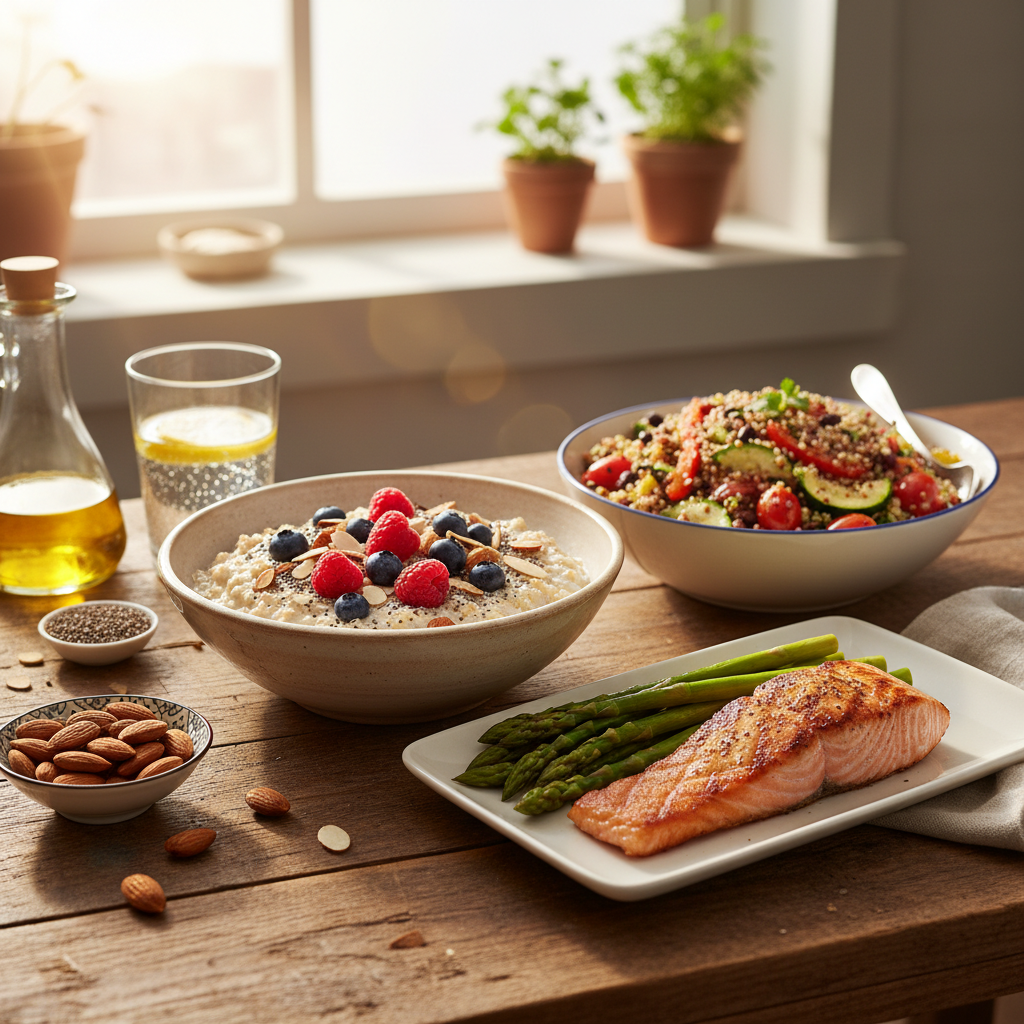
- Low GI foods: 55 or less (e.g., most non-starchy vegetables, many fruits, whole grains like oats and barley, legumes)
- Medium GI foods: 56-69 (e.g., brown rice, sweet potato, whole wheat bread)
- High GI foods: 70 or more (e.g., white bread, white rice, most breakfast cereals, sugary drinks)
When you consume high GI foods, your blood sugar can spike rapidly, leading to a quick burst of energy followed by a crash. This roller coaster effect can leave you feeling tired, hungry sooner, and over time, may contribute to insulin resistance and an increased risk of type 2 diabetes. Low GI foods, on the other hand, are digested and absorbed more slowly, resulting in a more gradual and sustained rise in blood sugar and energy levels.
It’s important to note that the GI value of a food can be influenced by several factors, including its ripeness, processing method, cooking method, and the presence of fiber, fat, and protein within the meal. For instance, an apple (low GI) will have a different impact than apple juice (higher GI) due to the fiber content. Similarly, pairing a higher GI food with protein or healthy fats can help mitigate its effect on blood sugar.
The Transformative Benefits of Low Glycemic Meals
Choosing healthy low glycemic meals goes far beyond just managing blood sugar. It’s a holistic approach to nutrition that offers a wide array of health advantages:

Stable Blood Sugar and Energy Levels
This is arguably the most immediate and noticeable benefit. By avoiding rapid blood sugar spikes and crashes, you’ll experience more consistent energy throughout the day, reducing fatigue and improving focus. This stability is particularly beneficial for individuals managing diabetes or prediabetes, as it helps in maintaining glycemic control.
Effective Weight Management
Low GI foods promote satiety and keep you feeling fuller for longer, which can naturally lead to reduced calorie intake. The stable blood sugar levels also help in controlling cravings and preventing overeating, making it an excellent strategy for sustainable weight loss and maintenance. Furthermore, a consistent intake of low GI foods can improve insulin sensitivity, which plays a crucial role in preventing fat storage.
Enhanced Heart Health
Diets rich in low GI foods are often synonymous with higher fiber intake and lower consumption of processed sugars and unhealthy fats. This combination contributes to lower LDL (bad) cholesterol levels, reduced blood pressure, and improved overall cardiovascular function, significantly lowering the risk of heart disease.
Reduced Risk of Chronic Diseases
Beyond diabetes and heart disease, regularly consuming healthy low glycemic meals has been associated with a reduced risk of certain cancers and other chronic conditions due to its anti-inflammatory properties and support for metabolic health. It helps in creating a robust internal environment less prone to disease development.
Improved Mood and Cognitive Function
The brain relies on a steady supply of glucose for optimal function. Erratic blood sugar levels can lead to mood swings, irritability, and difficulty concentrating. By providing a sustained energy source, low GI eating can contribute to better mood stability, enhanced cognitive performance, and improved mental clarity.
Pillars of a Low Glycemic Diet: What to Eat
Building a low glycemic diet isn’t about deprivation; it’s about making informed, delicious choices. Here are the key food categories to focus on:
Smart Carbohydrate Choices: Your Low GI Allies
Not all carbohydrates are created equal. Focus on these fiber-rich, slowly digested options:
- Whole Grains: Embrace whole oats (steel-cut or rolled), barley, quinoa, brown rice, wild rice, farro, and whole-grain breads and pastas. These are packed with fiber, vitamins, and minerals.
- Legumes: Lentils, chickpeas, black beans, kidney beans, and other pulses are superstars in a low GI diet. They are excellent sources of plant-based protein and soluble fiber, which helps slow sugar absorption.
- Non-Starchy Vegetables: Load up on leafy greens (spinach, kale), broccoli, cauliflower, bell peppers, zucchini, tomatoes, cucumbers, and asparagus. Most non-starchy vegetables have a very low GI and are rich in nutrients and fiber.
- Fruits (certain types): While fruits contain natural sugars, many are low to medium GI due to their fiber content. Berries (strawberries, blueberries, raspberries), apples, pears, oranges, grapefruit, and cherries are great choices. Limit tropical fruits like pineapple and mango, which tend to be higher GI, or consume them in moderation.
Powering Up with Lean Proteins
Protein has a minimal impact on blood sugar and is crucial for satiety, muscle repair, and overall body function. Incorporate a good source of lean protein at every meal:
- Fish and Seafood: Salmon, tuna, cod, shrimp, and other fish are excellent sources of protein and often provide healthy omega-3 fatty acids.
- Poultry: Skinless chicken and turkey breast are lean, versatile protein options.
- Eggs: A complete protein source, eggs are incredibly versatile and have virtually no impact on blood sugar.
- Tofu/Tempeh/Legumes: For plant-based protein, these options are fantastic, especially when combined with other low GI carbohydrates.
- Low-Fat Dairy/Dairy Alternatives: Greek yogurt (plain), cottage cheese, and unsweetened almond milk or soy milk can provide protein and calcium.
Embracing Healthy Fats
Healthy fats slow down digestion, increase satiety, and are vital for hormone production and nutrient absorption. They also have minimal impact on blood sugar:
- Avocado: Rich in monounsaturated fats and fiber.
- Nuts and Seeds: Almonds, walnuts, chia seeds, flaxseeds, and pumpkin seeds offer healthy fats, fiber, and protein.
- Olive Oil: A staple in Mediterranean diets, use extra virgin olive oil for cooking and dressings.
- Fatty Fish: As mentioned, salmon and mackerel are great sources of omega-3s.
Fiber: The Unsung Hero
Fiber is paramount in a low GI diet. Soluble fiber, found in oats, beans, apples, and psyllium, forms a gel-like substance in the digestive tract, which slows down glucose absorption. Insoluble fiber, found in whole grains and vegetables, adds bulk and aids digestive regularity. Aim for a variety of fiber sources daily.
Crafting Your Daily Menu: Delicious Low Glycemic Meal Ideas
Eating low glycemic doesn’t mean sacrificing flavor or variety. Here are some inspiring ideas for healthy low glycemic meals for daily eating:
Energizing Low GI Breakfasts
- Overnight Oats with Berries and Nuts: Combine rolled oats, unsweetened almond milk, chia seeds, and a handful of mixed berries. Top with a sprinkle of walnuts or almonds.
- Scrambled Eggs with Spinach and Whole-Grain Toast: Sauté spinach and mushrooms, scramble with eggs, and serve with a slice of 100% whole-grain toast and avocado.
- Greek Yogurt Parfait: Layer plain, unsweetened Greek yogurt with a small amount of low GI fruit (like peaches or berries) and a spoonful of flaxseeds or a few crushed almonds.
- Avocado and Egg on Whole-Grain Wasa Crackers: Mash avocado on Wasa crackers, top with a hard-boiled or poached egg, and a sprinkle of chili flakes.
Satisfying Low GI Lunches
- Quinoa Salad with Roasted Vegetables and Chickpeas: Mix cooked quinoa with roasted bell peppers, zucchini, red onion, and chickpeas. Dress with a lemon-tahini dressing.
- Lentil Soup with Whole-Grain Bread: A hearty bowl of homemade lentil soup (packed with vegetables like carrots, celery, and spinach) served with a small piece of whole-grain sourdough bread.
- Turkey and Avocado Wrap: Use a large lettuce leaf or a low-carb, whole-grain tortilla as a wrap for sliced turkey breast, avocado, cucumber, and hummus.
- Mixed Green Salad with Grilled Chicken or Tofu: A large salad with a base of mixed greens, cucumber, tomatoes, and bell peppers, topped with grilled chicken breast, baked tofu, or a can of drained tuna. Add a vinaigrette dressing.
Wholesome Low GI Dinners
- Baked Salmon with Roasted Asparagus and Brown Rice: A classic, healthy combination. Season salmon, roast with asparagus, and serve with a modest portion of brown rice.
- Chicken and Brown Rice Stir-fry: Sauté lean chicken breast with a colorful array of low GI vegetables (broccoli, snow peas, carrots, bell peppers) and a light soy-ginger sauce. Serve over a small portion of brown rice.
- Bean Chili with Avocado: A vegetarian chili made with kidney beans, black beans, tomatoes, and plenty of spices. Top with a dollop of plain Greek yogurt or sliced avocado.
- Lentil and Vegetable Curry: A flavorful curry with lentils, cauliflower, spinach, and spices, served with a small side of quinoa or wild rice.
Smart Low GI Snack Options
- Apple slices with a tablespoon of natural almond butter.
- A handful of almonds or walnuts.
- Vegetable sticks (carrots, celery, cucumber) with hummus.
- A small container of plain Greek yogurt.
- Edamame (steamed).
- A hard-boiled egg.
Practical Tips for Incorporating Low Glycemic Eating into Your Daily Life
Making the switch to healthy low glycemic meals doesn’t have to be overwhelming. Here are some actionable tips to help you integrate this eating style seamlessly:
Meal Planning and Preparation
Dedicate time each week to plan your meals and snacks. Prepare ingredients in advance, such as chopping vegetables, cooking a batch of quinoa, or roasting chicken. This makes healthy eating effortless during busy weekdays and helps you stick to your goals. Consider batch cooking low GI staples like lentils, brown rice, or roasted vegetables that can be easily added to various meals.
Reading Food Labels
Become a savvy label reader. Look for “whole grain” as the first ingredient, check for added sugars (which can be hidden under various names like corn syrup, dextrose, or maltose), and compare fiber content. Products labeled “low GI” can also be helpful, but always verify the ingredients.
Balancing Your Plate
Aim for a balanced plate at every meal. A good rule of thumb is to fill half your plate with non-starchy vegetables, a quarter with lean protein, and a quarter with low GI carbohydrates (like whole grains or legumes). This balance ensures satiety and optimal nutrient intake while managing blood sugar.
Cooking Methods Matter
How you cook your food can influence its GI. For example, al dente pasta has a lower GI than overcooked pasta. Opt for steaming, baking, grilling, or stir-frying over deep-frying. Roasting vegetables slightly caramelizes them but retains their fiber, keeping their GI relatively low.
Hydration
Drink plenty of water throughout the day. Sometimes thirst can be mistaken for hunger, and proper hydration supports overall metabolic function.
Listen to Your Body
Pay attention to how different foods make you feel. Everyone’s body responds uniquely. Adjust portion sizes and food combinations based on your energy levels, satiety, and blood sugar readings (if you’re monitoring them).
Who Benefits Most from Healthy Low Glycemic Meals?
While almost anyone can benefit from incorporating more low GI foods into their diet, certain groups may find it particularly advantageous:
- Individuals with Diabetes or Prediabetes: The primary benefit is improved blood sugar control, which can help prevent complications and manage the condition effectively.
- Those Seeking Weight Management: The increased satiety and stable energy levels make it an excellent tool for sustainable weight loss and preventing weight regain.
- Athletes for Sustained Energy: Low GI foods provide a steady release of glucose, which is ideal for endurance athletes or anyone needing sustained energy without crashes.
- Anyone Aiming for Overall Well-being: From improving heart health and reducing the risk of chronic diseases to boosting mood and cognitive function, low glycemic eating contributes to a healthier, more vibrant life for everyone.
Common Misconceptions About Low Glycemic Diets
Despite its benefits, low glycemic eating can sometimes be misunderstood:
- It’s about avoiding all carbs: This is false. A low GI diet emphasizes choosing complex, fiber-rich carbohydrates over refined ones, not eliminating them entirely.
- All healthy foods are low GI: While many healthy foods are low GI, some nutritious foods (like watermelon) might have a higher GI. Context and portion size are key. It’s about the overall dietary pattern.
- It’s a restrictive diet: On the contrary, a low GI diet is incredibly flexible and inclusive of a wide variety of delicious and nutritious foods from all food groups.
Frequently Asked Questions (FAQs) About Low Glycemic Eating
What is the difference between GI and GL (Glycemic Load)?
While GI ranks foods based on their potential to raise blood sugar, Glycemic Load (GL) takes into account both the GI of the food and the amount of carbohydrate in a typical serving. GL provides a more realistic picture of a food’s effect on blood sugar. For example, watermelon has a high GI but a low GL because a typical serving contains very little carbohydrate.
Can I still eat fruit on a low GI diet?
Absolutely! Most fruits, especially berries, apples, pears, and citrus fruits, are low to medium GI and packed with essential vitamins, minerals, and fiber. Enjoy them in moderation and focus on whole fruits rather than juices.
Is a low GI diet suitable for children?
Yes, encouraging children to consume whole grains, plenty of vegetables, lean proteins, and healthy fats is beneficial for their growth and development. However, strict adherence to GI values might not be necessary unless recommended by a pediatrician for specific health conditions.
How quickly will I see results?
Many people notice improved energy levels and reduced cravings within days or weeks of consistently incorporating healthy low glycemic meals. Long-term benefits like weight management and improved blood sugar control may take longer and require sustained effort.
Conclusion: Embracing a Sustainable Path to Wellness
Adopting healthy low glycemic meals for daily eating is not just another fleeting diet trend; it’s a sustainable lifestyle choice that offers profound and lasting health benefits. By understanding the glycemic index and making informed food choices, you can stabilize your blood sugar, maintain consistent energy, manage your weight effectively, and significantly reduce your risk of chronic diseases. Embrace the diverse and delicious world of low GI foods, experiment with new recipes, and embark on a journey towards a healthier, more vibrant you. Your body and mind will thank you.