In our fast-paced lives, convenience often dictates our choices, especially when it comes to food. Finding healthy and satisfying snack ideas that require no refrigeration can be a game-changer for busy professionals, students, travelers, and anyone looking to maintain a healthy diet on the go. Whether you’re stuck in traffic, enduring a long meeting, or enjoying an outdoor adventure, having access to shelf-stable snacks ensures you’re never caught off guard by hunger. This comprehensive guide will explore a wide array of non-perishable snack options, offering practical tips for selection, storage, and making the healthiest choices.
The beauty of snacks that don’t need a fridge lies in their versatility and accessibility. They eliminate the need for coolers, ice packs, or constant worry about spoilage, making them perfect companions for road trips, camping, school lunches, office desk stashes, or even emergency preparedness kits. By strategically incorporating these pantry-friendly options into your routine, you can prevent unhealthy impulse buys, manage blood sugar levels, and provide your body with sustained energy throughout the day.
Why Choose Snacks That Don’t Need Refrigeration?
The benefits of opting for shelf-stable snack ideas are manifold, extending beyond mere convenience. They offer practical solutions for various scenarios and lifestyles:
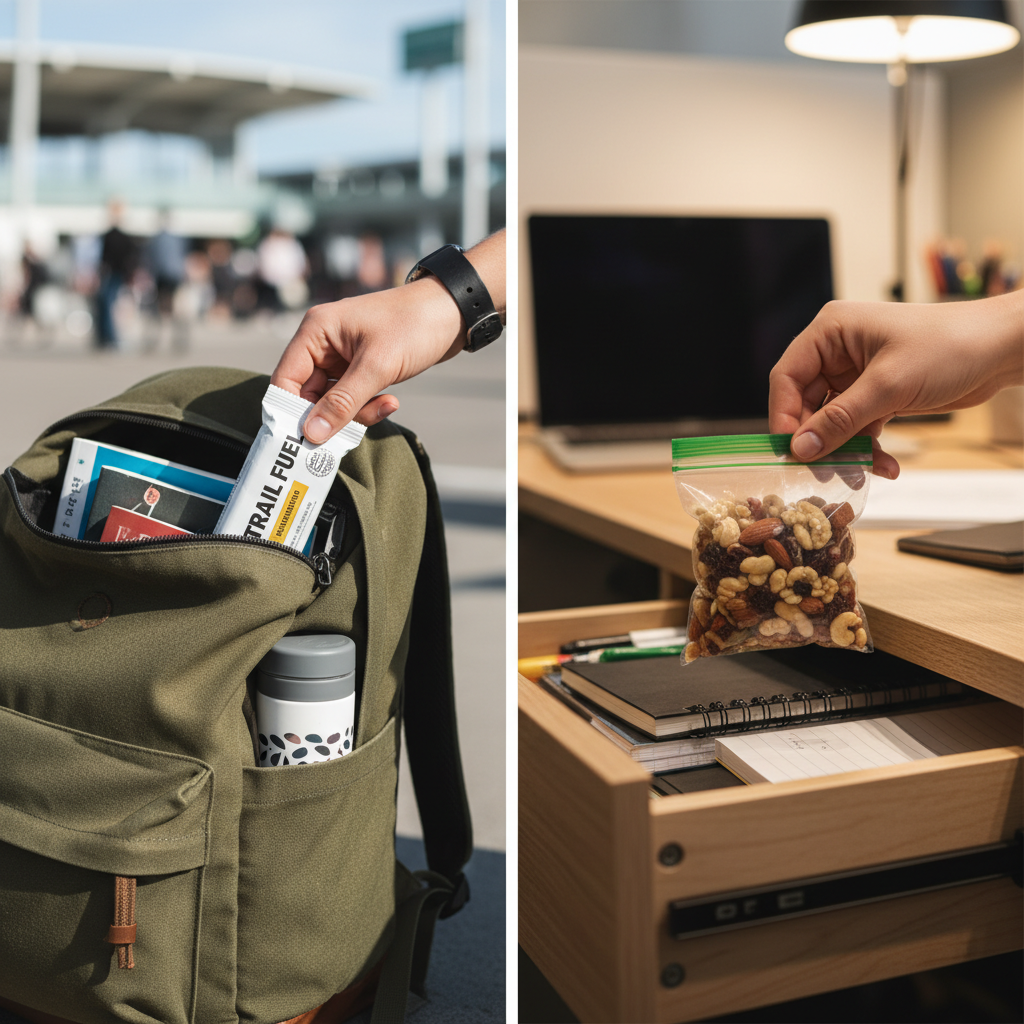
- Ultimate Portability: These snacks are designed for life on the move. They can be easily packed in a backpack, purse, lunchbox, or car glove compartment without concern for temperature fluctuations.
- Cost-Effective: Buying non-perishable items in bulk can often be more economical, and their long shelf life reduces food waste.
- Emergency Preparedness: Having a stash of no-refrigeration snacks is crucial for emergency kits, ensuring you have sustenance during power outages or natural disasters.
- Healthy Habits: Planning ahead with nutritious, shelf-stable options helps you avoid the temptation of unhealthy vending machine fare or fast food when hunger strikes unexpectedly.
- Dietary Control: For those managing specific dietary needs or allergies, pre-packaged or homemade non-perishable snacks offer greater control over ingredients.
- Accessibility: They are ideal for settings where refrigeration isn’t available, such as construction sites, remote work locations, or lengthy travel itineraries.
Fruity Delights: Fresh & Dried Options
Fruits are nature’s candy, and many varieties are perfectly suited for snacking without refrigeration, especially for short periods or in dried form.
Fresh Fruits (Short-Term Shelf-Stable)
While most fresh fruits benefit from refrigeration, some hardier varieties can withstand room temperature for a few days, making them excellent grab-and-go options for a day trip or office snack:
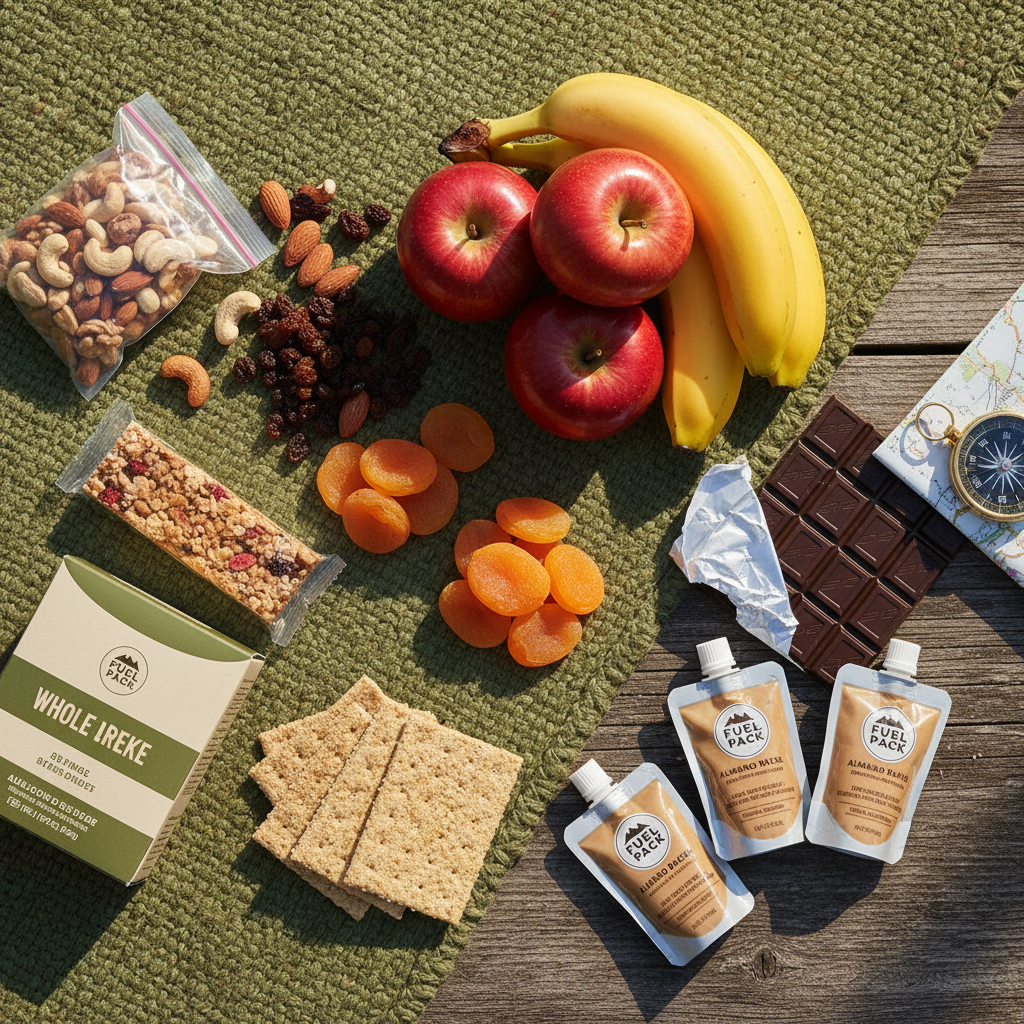
- Apples: Crisp, refreshing, and rich in fiber, apples are incredibly portable and can last several days unrefrigerated. They’re excellent for a quick energy boost.
- Bananas: A fantastic source of potassium and quick energy, bananas are best consumed within 1-2 days at room temperature before they become too ripe.
- Oranges & Other Citrus: Oranges, mandarins, and clementines are packed with Vitamin C and have a protective rind that allows them to stay fresh for a few days outside the fridge.
- Pears: Similar to apples, pears are good sources of fiber and can be kept at room temperature until ripe, then consumed within a day or two.
When packing fresh fruit, consider a fruit protector or sturdy container to prevent bruising.
Dried Fruits (Long-Term Shelf-Stable)
Dried fruits are a concentrated source of energy, fiber, and nutrients, making them quintessential snack ideas that require no refrigeration. Their moisture content has been removed, extending their shelf life considerably.
- Raisins & Cranberries: Classic dried fruit choices, perfect for a quick energy hit or mixed into a homemade trail mix. They provide antioxidants and a good dose of fiber.
- Apricots: Rich in Vitamin A and iron, dried apricots offer a chewy, sweet-tart experience.
- Mango Slices: A tropical treat, dried mango is delightfully chewy and provides vitamins and fiber. Look for unsweetened varieties to avoid excess sugar.
- Dates & Prunes: Known for their natural sweetness and digestive benefits, dates and prunes are excellent for sustained energy. They are also rich in potassium and fiber.
- Apple & Banana Chips: These crunchy alternatives offer the flavor of fresh fruit in a convenient, shelf-stable form. Check labels for added sugars or unhealthy oils.
While nutritious, dried fruits are high in natural sugars, so portion control is key. A small handful is usually sufficient to curb hunger and provide a boost.
Nuts, Seeds & Trail Mixes: Powerhouses of Nutrition
When it comes to healthy fats, protein, and fiber, nuts and seeds are unparalleled. They are among the best snack ideas that require no refrigeration, offering sustained energy and satiety.
Assorted Nuts
Almost all nuts are naturally shelf-stable for extended periods, especially when kept in airtight containers away from heat and light.
- Almonds: A fantastic source of Vitamin E, magnesium, and healthy fats. They offer a satisfying crunch.
- Walnuts: Known for their omega-3 fatty acids, walnuts are great for brain health and provide a distinct earthy flavor.
- Cashews: Creamy and mildly sweet, cashews offer good amounts of magnesium and zinc.
- Peanuts: Technically legumes but commonly treated as nuts, peanuts are a protein-rich and affordable snack. Choose unsalted varieties.
- Pistachios: Fun to shell and rich in antioxidants, pistachios provide fiber and protein.
Opt for raw or dry-roasted nuts without added oils or excessive salt. Portioned into small bags, they make excellent grab-and-go options.
Nutritional Seeds
Seeds are tiny nutritional powerhouses, often overlooked but incredibly beneficial.
- Pumpkin Seeds (Pepitas): Rich in zinc, magnesium, and healthy fats, these seeds are crunchy and satisfying.
- Sunflower Seeds: A good source of Vitamin E and selenium, sunflower seeds are versatile and can be eaten plain or sprinkled on other foods.
- Chia Seeds & Flax Seeds: While often used in recipes, a small packet of ground flax seeds or chia seeds can be mixed into a glass of water for a fiber and omega-3 boost (though this requires water). For dry snacking, they are better integrated into other snacks like energy balls.
Homemade & Store-Bought Trail Mixes
Trail mix is the ultimate blend of shelf-stable goodness. Creating your own allows for customization and control over ingredients.
- Classic Blend: Combine your favorite nuts (almonds, cashews), seeds (pumpkin, sunflower), and dried fruits (raisins, cranberries).
- Sweet & Savory: Add a sprinkle of dark chocolate chips (that won’t easily melt) or a dash of mild spices like cinnamon or paprika for an interesting twist.
When buying store-bought trail mix, check the ingredient list for excessive sugars, unhealthy oils, or artificial additives. A good trail mix should primarily consist of whole nuts, seeds, and dried fruit.
Granola & Protein Bars: Convenient Energy Boosts
Pre-packaged bars are perhaps the most common snack ideas that require no refrigeration, designed specifically for convenience and portability. However, not all bars are created equal.
Healthy Granola Bars
Look for granola bars that are low in added sugar, high in fiber, and made with whole grains. Ingredients like oats, nuts, and seeds should be prominent.
- Whole Grain Base: Bars made with rolled oats, quinoa, or other whole grains provide sustained energy.
- Fiber-Rich: High fiber content helps with satiety and digestive health.
- Minimal Added Sugars: Many bars can be sugar bombs. Opt for those sweetened naturally with fruit or a small amount of honey/maple syrup.
Protein Bars
For those needing a more substantial protein boost, especially after a workout or as a meal replacement, protein bars can be effective. Again, vigilance with labels is crucial.
- Good Protein Source: Whey, casein, soy, pea, or egg white protein are common sources. Aim for at least 10-15 grams of protein per bar.
- Low Net Carbs: If you’re watching carb intake, look for bars with lower net carbs and higher fiber.
- Clean Ingredients: Avoid bars with excessive artificial sweeteners, fillers, or unhealthy fats.
Homemade Energy Balls & Bars
Making your own energy bites or bars is an excellent way to control ingredients and avoid unnecessary additives. Many recipes are naturally no-bake and shelf-stable for a few days to a week.
- Oat & Nut Butter Balls: Combine rolled oats, nut butter, honey or maple syrup, chia seeds, and perhaps some shredded coconut or mini chocolate chips. Roll into bite-sized balls.
- Date & Nut Bars: Process dates with nuts, seeds, and a dash of cocoa powder for a rich, chewy bar.
Store homemade bars in an airtight container. While they last longer than fresh food, they might not have the same extended shelf life as commercially processed bars, so consume within a week.
Savory & Crunchy: Crackers, Crisps & Roasted Goodies
For those who prefer a savory crunch, there are plenty of satisfying snack ideas that require no refrigeration.
Whole-Grain Crackers & Rice Cakes
These provide a neutral base for other shelf-stable toppings or can be enjoyed on their own.
- Whole-Wheat Crackers: Choose varieties made with 100% whole grains and minimal ingredients. They offer fiber and a satisfying crunch.
- Rice Cakes: Light and airy, rice cakes are a low-calorie option that can be paired with nut butter pouches.
- Melba Toast/Crispbreads: Similar to crackers, these offer a sturdy, crunchy base.
Roasted Chickpeas & Edamame
These legumes transform into wonderfully crunchy, protein-packed snacks when roasted.
- Roasted Chickpeas: Seasoned with spices like paprika, garlic powder, or chili powder, roasted chickpeas are a fantastic savory, fiber-rich, and protein-packed alternative to chips. You can buy them pre-packaged or make them at home.
- Dry Roasted Edamame: Available in convenient snack packs, dry roasted edamame offers a complete protein source and a satisfying crunch.
Vegetable Crisps & Seaweed Snacks
For a lighter, nutrient-dense crunch, consider these options.
- Kale Chips: If baked until very crisp and stored in an airtight container, homemade kale chips can last a few days without refrigeration. Store-bought versions often have a longer shelf life.
- Seaweed Snacks: Thin, crispy sheets of roasted seaweed are low in calories and surprisingly flavorful, offering minerals like iodine.
Protein-Packed Power: Jerky & Meat Sticks
For a significant protein punch that doesn’t need to be kept cold, jerky and meat sticks are excellent choices.
Beef, Turkey & Salmon Jerky
Traditional jerky is made by drying lean meat, making it shelf-stable for a long time. It’s an ideal snack for sustained energy.
- Lean Protein: Jerky is almost pure protein, which helps with satiety and muscle repair.
- Low Fat: Due to the lean cuts of meat used, jerky is typically low in fat.
- Flavor Variety: Available in a wide range of flavors, from classic original to spicy and teriyaki.
Be mindful of sodium and sugar content in many commercial jerky brands. Look for options with minimal processing and natural ingredients.
Plant-Based Jerky
For vegetarians and vegans, plant-based jerky made from mushrooms, soy, or other plant proteins offers a similar chewy texture and savory flavor profile.
- Mushroom Jerky: Portobello or shiitake mushrooms can be seasoned and dehydrated for a surprisingly meaty texture.
- Soy/Seitan Jerky: Various brands offer soy or seitan-based jerkies that mimic the taste and texture of traditional meat jerky.
Convenient Pouches & Packs: Easy & Mess-Free
Single-serving pouches and packs are among the easiest snack ideas that require no refrigeration, designed for ultimate convenience and minimal mess.
Nut Butter Squeeze Packs
These individual portions of almond, peanut, or cashew butter are perfect for pairing with apples, bananas, or whole-grain crackers.
- Healthy Fats & Protein: Provides good fats and protein for sustained energy.
- Portion Controlled: Eliminates the need to measure, preventing overconsumption.
Fruit Puree Pouches
While often marketed for children, fruit puree pouches (like applesauce or mixed fruit blends) are a quick and easy way for adults to get a serving of fruit. Choose unsweetened varieties.
- Hydrating: Provides some moisture along with fruit nutrients.
- Easy to Consume: No chewing required, making them suitable for various situations.
Canned or Pouched Fish/Beans
For a more substantial, protein-rich snack or mini-meal, consider these shelf-stable options.
- Tuna or Salmon Pouches: Individual pouches of tuna or salmon, often flavored, are ready to eat. They are excellent sources of omega-3 fatty acids and protein.
- Canned Beans: Small cans of chickpeas, black beans, or kidney beans (drained and rinsed) can be eaten plain or seasoned with a dash of salt and spices for a quick fiber and protein boost.
Always choose brands packed in water or olive oil for healthier options.
Sweet Treats That Stand the Heat
Sometimes you just need a little sweetness. Certain sweet treats are perfectly fine without refrigeration.
Dark Chocolate
Dark chocolate (70% cocoa or higher) is not only delicious but also packed with antioxidants. It’s one of the best snack ideas that require no refrigeration for a sweet craving.
- Antioxidant Rich: High cocoa content means more beneficial compounds.
- Mood Booster: Can have a positive effect on mood.
While dark chocolate won’t spoil, it can melt in very warm conditions. Choose individually wrapped squares or bars to manage portions and prevent mess.
Fig Bars & Fruit & Oat Cookies
Traditional fig bars or homemade whole-grain cookies made with oats and dried fruit can be good shelf-stable options, providing fiber and natural sweetness.
- Whole Grains & Fiber: Provides sustained energy and digestive benefits.
- Natural Sweeteners: Often rely on fruit for sweetness.
Tips for Choosing & Storing Shelf-Stable Snacks
To maximize the benefits of snack ideas that require no refrigeration, keep these tips in mind:
- Read Labels Carefully: Always check for added sugars, unhealthy fats (like trans fats or excessive saturated fats), and high sodium content. Prioritize whole, recognizable ingredients.
- Portion Control: While convenient, it’s easy to overeat nuts, dried fruit, or bars. Pre-portion bulk items into single-serving bags or choose individually wrapped options.
- Airtight Storage: Store shelf-stable snacks in airtight containers or sealed bags to maintain freshness, prevent staleness, and protect them from pests.
- Keep Away from Heat & Sunlight: Even non-perishable items can degrade faster when exposed to direct heat or sunlight, which can affect taste, texture, and nutritional value.
- Check Expiration Dates: Always be mindful of best-by or expiration dates, especially for items you’ve had in the pantry for a while.
- Hydration is Key: Many shelf-stable snacks are dry. Always pair them with plenty of water to aid digestion and stay hydrated.
- Variety is the Spice of Life: Don’t stick to just one or two snacks. Rotate your choices to ensure a broader spectrum of nutrients and prevent snack fatigue.
FAQs About No-Refrigeration Snacks
Q1: Are all fresh fruits suitable for snacking without refrigeration?
A: No. While apples, bananas, oranges, and pears can last a few days at room temperature, berries, grapes, cut melons, and other soft or pre-cut fruits need refrigeration to prevent spoilage and bacterial growth.
Q2: How long can these snack ideas that require no refrigeration truly last?
A: The shelf life varies significantly. Dried fruits, nuts, jerky, and most commercial bars can last for several months to over a year if stored properly in a cool, dark, airtight environment. Fresh fruits (like apples) might last a week, while bananas only a couple of days. Always check the product’s packaging for specific best-by dates.
Q3: Are “no refrigeration” snacks always healthy?
A: Not necessarily. While many options, like plain nuts, seeds, and unsweetened dried fruit, are very healthy, others can be loaded with added sugars, unhealthy fats, and sodium. It’s crucial to read nutrition labels and ingredient lists to make informed, healthy choices. Focus on whole foods and minimal processing.
Q4: Can I make my own shelf-stable snacks?
A: Absolutely! Homemade energy balls, granola bars, roasted chickpeas, and kale chips are excellent DIY options. However, their shelf life might be shorter than commercial products due to the lack of preservatives. Store them in airtight containers and consume within a few days to a week for best quality.
Q5: What about drinks that don’t need refrigeration?
A: Water is always the best and most universally available beverage. Other shelf-stable options include 100% juice boxes (consume quickly once opened), shelf-stable milk boxes (dairy or plant-based, like almond or soy milk), and coconut water boxes. Be mindful of the sugar content in juices and flavored milks.
Conclusion
Having a repertoire of snack ideas that require no refrigeration is an essential tool for maintaining a healthy and convenient lifestyle. From crunchy nuts and seeds to chewy dried fruits, savory jerky, and wholesome bars, the options are diverse and delicious. By making conscious choices, reading labels, and storing your snacks properly, you can ensure you always have nutritious, satisfying fuel at your fingertips, no matter where life takes you. Embrace the freedom and flexibility that shelf-stable snacks offer, and make smart snacking a cornerstone of your daily routine.